
Reviewed · CASCAIS & ESTORIL TOURS
Cascais: Casa da Guia Rock Climbing Experience by the Sea
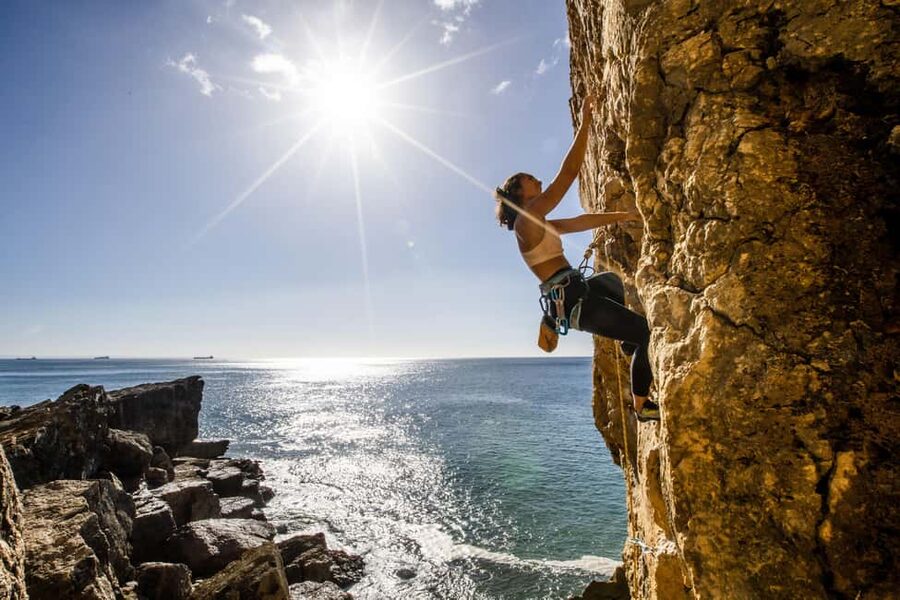
Climb limestone cliffs with the sea watching. This Casa da Guia rock climbing experience in Cascais pairs serious coastal views with hands-on instruction on Portugal’s classic Guia crag. I like that you’re not just spectating the coastline—you’re using it as your backdrop while you learn to climb the limestone safely.
Two things I’d especially highlight: the coastline views you get as you move up and the fact that you’re taught practical safety skills. One consideration: if you’re truly nervous around heights, this outing won’t feel fun, even with a guide right there.
In This Review
- Key things to know before you go
- Casa da Guia in Cascais: what makes this climb feel special
- Finding the meeting point near the Lighthouse in Cascais
- Your first steps: getting geared up and learning safety basics
- Climbing Guia’s limestone cliffs with sea views
- How the guide coaching works in a group of 5
- Timing, duration, and what to do with your 3 hours
- What to bring (and what to skip) for a comfortable climb
- Price and value: is $70 worth it?
- Who should book this, and who should skip it
- Should you book Casa da Guia rock climbing by the sea?
- FAQ
- FAQ
- How long is the Cascais Casa da Guia climbing experience?
- What does the experience cost?
- Where do I meet for the tour?
- Is climbing equipment included?
- What skills will I learn during the session?
- How big is the group?
- What languages are available for instruction?
- What should I bring?
- Is the activity affected by weather?
- Is it suitable for kids or everyone with mobility limitations?
Key things to know before you go
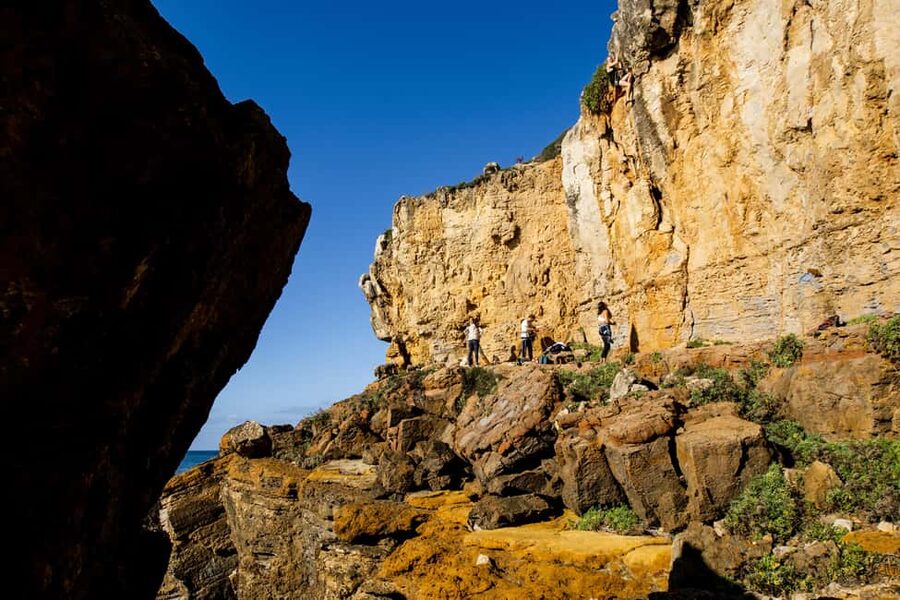
- Guia limestone is the whole point: You’ll climb on rock that’s known in Portugal for a wide range of routes.
- South-west exposure helps in cooler months: It’s protected from the chilly north wind that comes with the coast.
- You’ll learn belaying and knots: The session includes basic knots and belaying techniques, plus guided climbing practice.
- Small groups stay personal: Limit is 5 people per guide, so you’re not lost in a big crowd.
- Year-round climbing conditions, if weather behaves: It’s weather dependent, but the crag is set up for good climbing conditions most of the year.
Casa da Guia in Cascais: what makes this climb feel special
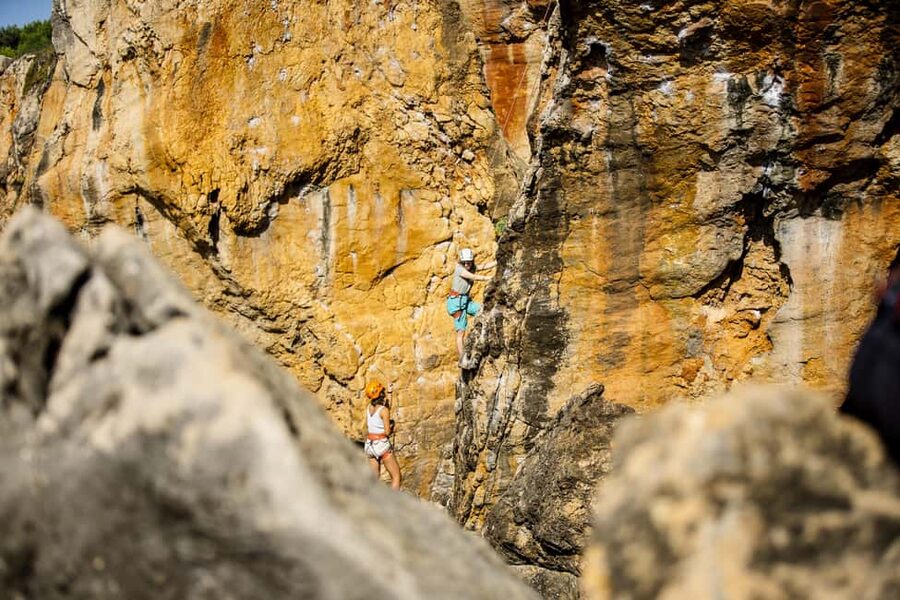
Cascais is close enough to Lisbon to work as a short getaway, but it still has that laid-back Atlantic feel. And this climbing spot, Guia, is one of the older climbing areas in Portugal—meaning you get access to lots of routes rather than a one-size-fits-all experience.
What I like about doing it here is the balance. You get to climb on limestone cliffs and look out at the coast while you’re working, not just afterward. The guide’s job is to keep you moving toward something you can actually repeat—basic technique and safety skills that make the rest of your climbing life easier.
There’s also a useful climate detail: Guia is exposed to the south-west, which helps protect climbers from the colder north wind typical along Portugal’s shoreline. That matters because it affects comfort and how quickly you warm up, especially at the start.
Down the coast: other Cascais and Estoril days
- Surf Experience in Cascais
★ 5.0 · 423 reviews - Cascais: Sunset Boat Trip with Welcome Drinks
★ 4.7 · 248 reviews - Cascais: Dolphin Watching Speedboat Tour
★ 4.9 · 156 reviews - Cascais: Local Surf Experience
★ 4.9 · 135 reviews
Finding the meeting point near the Lighthouse in Cascais
The meeting point is simple: across the Repsol Petrol Station, in front of the Lighthouse. Plan to show up a bit early. With a climbing session, the first few minutes set the tone—gear check, a quick safety briefing, and getting organized before you head toward the rock.
If you’re coming from central Cascais or Lisbon, give yourself buffer time for parking or getting through local traffic. You’re meeting at a clear landmark, which helps, but weather and timing can shift the schedule for a weather-dependent activity.
Once you’re there, your guide and group will get you set up. Since the activity includes all climbing equipment, you’re mostly just showing up ready to move and learn.
Your first steps: getting geared up and learning safety basics
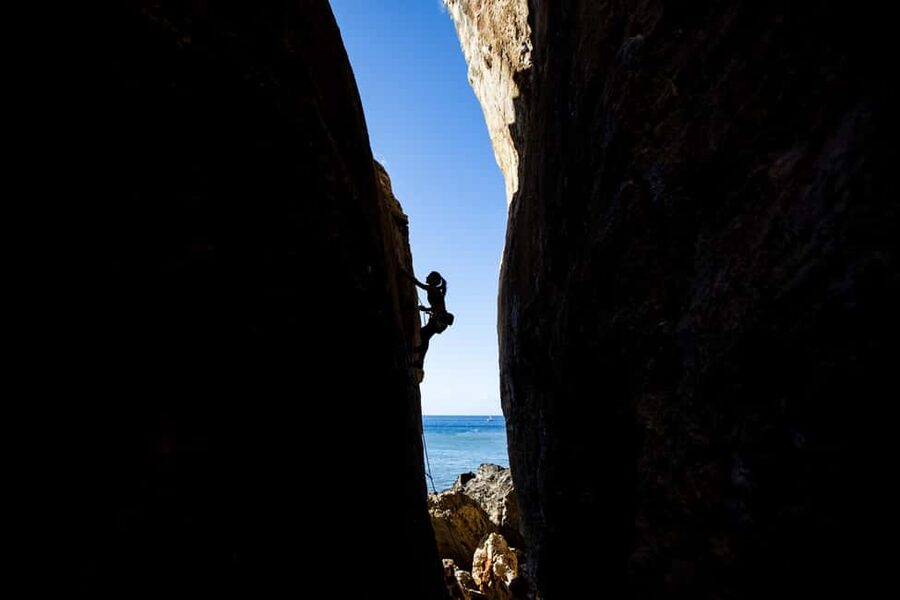
This experience includes all climbing equipment, which is a big part of the value. You won’t need to shop for a harness, helmet, or ropes rental. Instead, you’ll get the setup you need for the routes you’ll climb during the session.
You also start learning right away, with basics like:
- Basic knots
- Belaying techniques
- Guided climbing instruction for beginners or people wanting refinement
This is where the experience becomes more than just a scenic climb. Learning knots and belaying means you understand the system you’re trusting when you’re off the ground. Even if you never plan to climb on your own after this, you’ll walk away knowing what those motions and checks are for.
The most practical part is that the guide doesn’t treat safety like a lecture. You’ll get coaching while you’re handling the real ropes and gear. That’s the difference between feeling informed and feeling prepared.
Climbing Guia’s limestone cliffs with sea views
The cliffs at Guia are limestone, and that usually means climbs feel “grippy” and chalkable depending on conditions—though the exact feel can vary by route and weather. What you can count on is variety: Guia has a wide selection of routes, with easy access for getting to the climbing areas.
Timing also matters here. The area offers shade during the morning, which helps in hot summer conditions. That can make a big difference to your energy. You want your focus for technique and safety, not fighting the sun.
As you climb, you’ll be rewarded with coastline views. It’s not just the top-of-route photo moment; you tend to see the sea and horizon while you’re working. For many people, that’s the hook: the combination of movement on real rock and the feeling of being right next to the coast.
And yes, there’s respect for the height built in. One helpful review note highlighted that the height felt intense, especially for a smaller person who found it very strenuous. That lines up with what you should assume: even if this is guided and safety-focused, you’re still climbing.
How the guide coaching works in a group of 5
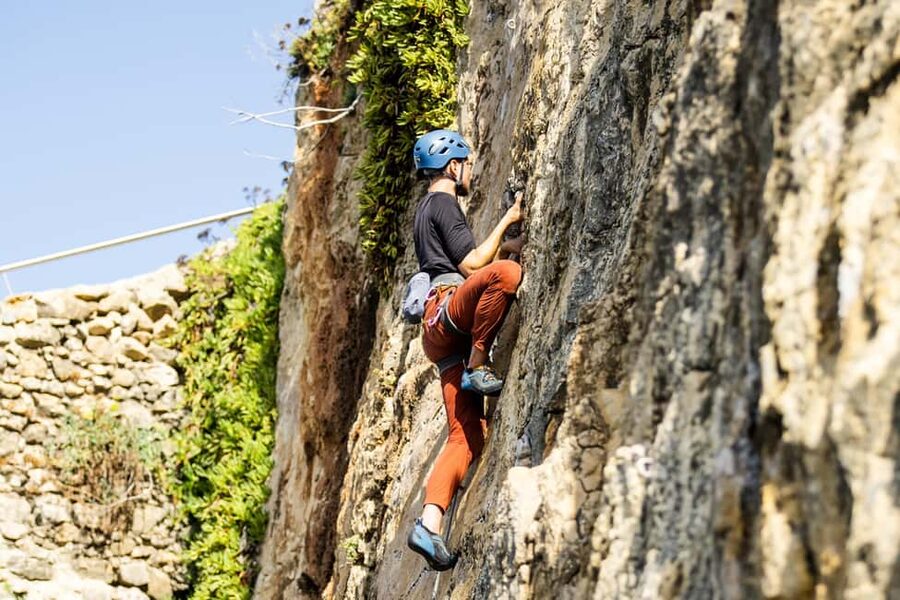
Groups are limited to 5 persons per guide. That small cap is not a marketing line—it’s what makes learning possible.
With a small group, you’re more likely to:
- Get quick corrections on body position and movement
- Hear safety checks clearly without crowd noise
- Receive targeted encouragement when you stall or feel off-balance
One review described the guide as very courteous, helpful, and encouraging, and it matched the goal of the experience: you’re here to build confidence while learning real technique. Another review mentioned it was great for first experiences, which is exactly the kind of scenario this small-group format supports.
If you’ve climbed before, the “improve your technical skills” promise also benefits from the attention. Your guide can spot patterns in how you move—then suggest small fixes that change how efficiently you climb.
Timing, duration, and what to do with your 3 hours
The climb runs for about 3 hours. In that window, you can expect the session to cover:
- Gear and setup
- Knots and belaying practice
- Climbing time on routes chosen for your level
- Guided coaching as you climb
Three hours goes fast, especially if you’re new. You’ll likely spend part of the time learning and part of the time applying it. That’s why this kind of guide-led outing is so efficient: you compress instruction and practice into one chunk instead of trying to figure it out across multiple trips.
Because the activity is weather dependent, keep your plan flexible. If conditions aren’t right, the session may not run as scheduled. For a smooth day, choose clothing and shoes that you can stand in for a while, not just climb in.
What to bring (and what to skip) for a comfortable climb
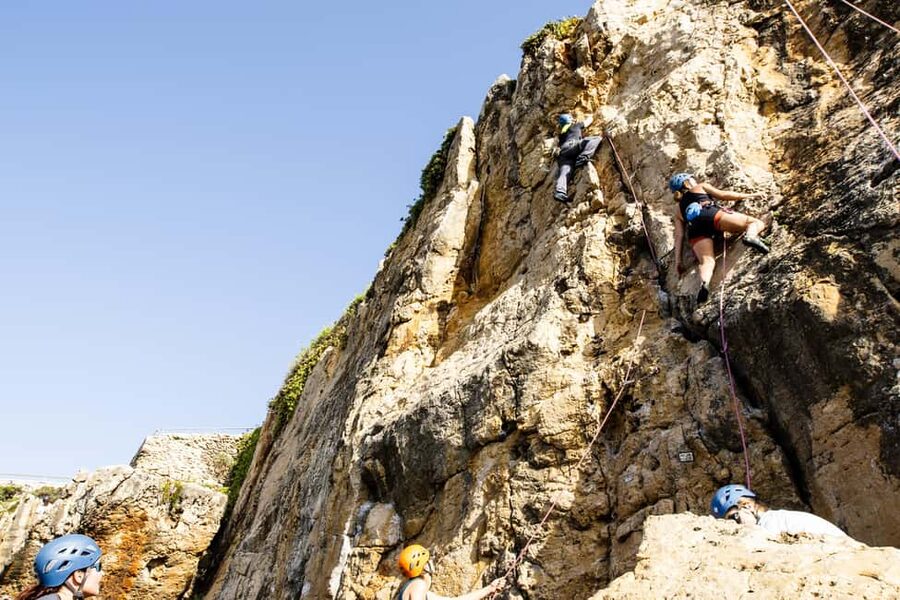
This is the part you can control, so do it well.
Bring:
- Water
- Comfortable clothes suitable for climbing
That’s it—no long shopping list. Comfortable clothing matters because you’ll be moving your body a lot. If your clothes restrict movement, you’ll notice right away when you’re trying to position your legs and arms.
Not allowed:
- Intoxication
- Alcohol and drugs
It’s a safety activity, so this isn’t negotiable. Showing up clear-headed helps you absorb instruction and follow safety procedures with confidence.
Also, consider your personal comfort with heights when packing. If you know you get tense on exposed climbs, wear clothes that won’t make you feel restricted or overheated. You’re already working hard—make it easier on your body.
Price and value: is $70 worth it?
At $70 per person for 3 hours, the value depends on what you’d otherwise pay and what you want out of the experience.
Here’s why it can feel like good value:
- Equipment is included, so you’re not paying separately to rent or bring gear.
- The instruction includes basic knots and belaying, not only “watch and climb.”
- You get a guide with small-group attention (max 5), which is often the difference between a fun intro and a frustrating one.
If your main goal is to climb and also learn how the safety system works, this price makes sense. If you already have gear and you just want to climb for pure sport without instruction, you might decide differently. But for most people looking for a guided, confidence-building first session by the sea, $70 for a 3-hour guided experience with equipment included is a fair ask.
Who should book this, and who should skip it
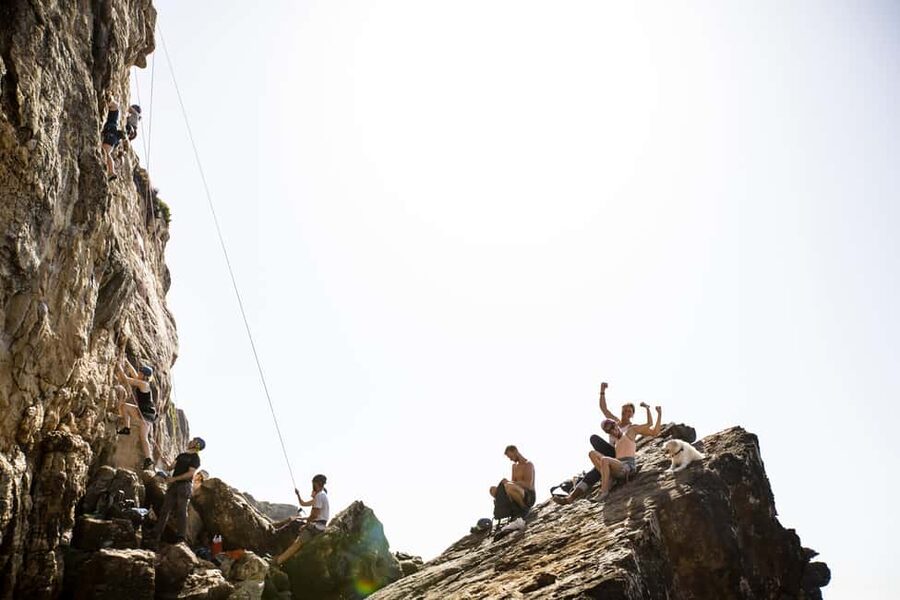
This experience is a great fit if you:
- Want a guided introduction to climbing techniques
- Plan to learn practical safety basics like knots and belaying
- Enjoy ocean views and don’t mind being exposed on rock
- Prefer a smaller group for more attention
You should skip it if you:
- Are afraid of heights
- Are traveling with children under 10
- Have mobility impairments, since it’s not described as suitable for that
If you’re in the middle—like you’re new but not afraid, or you’ve climbed before but want structured improvement—this is the sweet spot. The group format and guide coaching are built to meet you where you are.
Should you book Casa da Guia rock climbing by the sea?
Yes, if you want a real introduction to climbing that includes equipment plus hands-on belaying and knot skills, all while climbing on classic Guia limestone with coastline views. The small-group size is a big reason to book, because it turns the session into coaching rather than just activity.
I’d think twice if heights make you anxious. Even with a helpful, encouraging guide, it’s still a cliff climb, and one person’s review note about how strenuous the height felt is a good reality check.
If you’re comfortable with the idea of climbing above the ground and you’re ready to learn, this is one of those Cascais activities that feels memorable for both the views and the skills you take home.
FAQ
FAQ
How long is the Cascais Casa da Guia climbing experience?
It lasts 3 hours.
What does the experience cost?
The price is $70 per person.
Where do I meet for the tour?
Meet across the Repsol Petrol Station, in front of the Lighthouse.
Is climbing equipment included?
Yes. All climbing equipment is included.
What skills will I learn during the session?
You’ll learn basic knots and belaying techniques, and you can also improve technical skills with your guide.
How big is the group?
Groups are limited to 5 persons per guide.
What languages are available for instruction?
The instructor can teach in English, French, German, or Portuguese.
What should I bring?
Bring water and comfortable clothes suitable for climbing.
Is the activity affected by weather?
Yes. The activity is weather dependent.
Is it suitable for kids or everyone with mobility limitations?
It’s not suitable for children under 10 years old, and it’s not suitable for people with mobility impairments or those afraid of heights.
More Tour Reviews in Cascais
- Surf Experience in Cascais★ 5.0 · 423 reviews
- Cascais: Sunset Boat Trip with Welcome Drinks★ 4.7 · 248 reviews
- Lisbon: Sintra Private Day Trip with Pena Palace & Wine Tasting★ 5.0 · 226 reviews
- Cascais: Dolphin Watching Speedboat Tour★ 4.9 · 156 reviews
- Cascais: Local Surf Experience★ 4.9 · 135 reviews
Along the Coast to Cascais
- Surf Experience in Cascais★ 5.0 · 423 reviews
- Cascais: Sunset Boat Trip with Welcome Drinks★ 4.7 · 248 reviews
- Cascais: Dolphin Watching Speedboat Tour★ 4.9 · 156 reviews
- Cascais: Local Surf Experience★ 4.9 · 135 reviews
- Cascais Deep-Sea Fishing Trip★ 4.9 · 94 reviews
Just in: fresh Cascais reviews from the team

Cascais & Estoril Tours, compared.
 ★ 4.7Sintra, Pena, Regaleira, Cabo da Roca & CascaisFrom $2319,656 reviews
 ★ 4.7Sintra, Pena, Regaleira, Cabo da Roca, and CascaisFrom $2110,147 reviews
 ★ 5.0Sintra and Cascais Small-Group Day Trip from LisbonFrom $607,018 reviews
 ★ 4.8Sintra, Pena, Regaleira, Cabo Roca Coast & CascaisFrom $236,499 reviews
 ★ 4.8Sintra, Pena, Cabo da Roca, Cascais Tour with PickupFrom $585,445 reviews
 ★ 4.8Sintra, Pena, Regaleira, Cabo & Cascais TourFrom $644,326 reviews
 ★ 5.0Small Group Tour to Sintra, Pena Palace, Cabo Roca and CascaisFrom $673,559 reviews
 ★ 5.0Sintra to Cascais: 2 Palaces, 4 Sites, Small Group 10 Hour TourFrom $1203,105 reviews