
Reviewed · SURF LESSONS
Surf Lesson
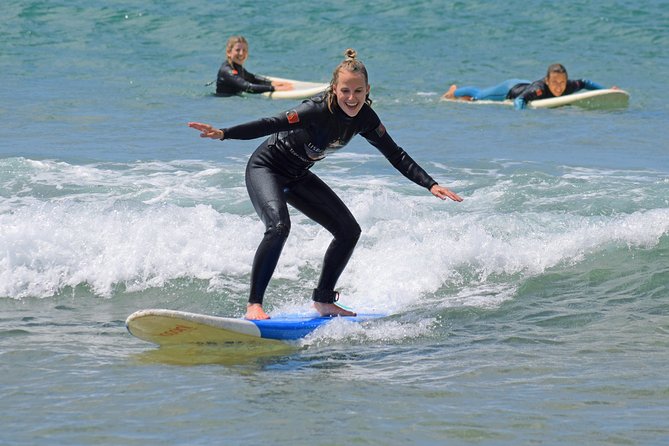
Carcavelos surf lessons teach fast and practical skills. This 2-hour session in the Lisbon Coast area focuses on the basics you actually need: wetsuit and board setup, then standing-up technique before you get time in the waves. You’ll be working with a professional instructor, and you start at an easy-to-find meeting point.
I especially like the beginner-friendly flow. You start on gear and safety, then move to technique, then finish with hands-on wave time. I also like that you can choose a group lesson or a private lesson depending on how you want your attention.
One thing to consider: the changing facilities and valuables setup may be pretty basic, so plan to keep your essentials secure.
In This Review
- Key highlights you’ll feel right away
- Surf Lesson in Carcavelos (Cascais Area): What the 2 Hours Actually Covers
- Where You Meet and How to Handle the Boardwalk Reality
- Gear, Wetsuit, and Board Setup: The Part You’ll Be Glad You Didn’t Skip
- Stand-Up Technique Before the Waves: How They Teach You to Progress
- In the Water: Practicing, Getting Feedback, and Enjoying Whatever the Sea Offers
- Group vs Private Lesson: Choosing the Right Level of Attention
- Timing and What to Expect About Lesson Length
- Price and Value: Is $42.33 Worth It?
- Best-Fit Surfers: Who Should Book This Lesson
- Practical Tips That Make Your Day Smoother
- Should You Book This Surf Lesson?
- FAQ
- How long is the surf lesson?
- Is the lesson suitable for beginners?
- What skills will I learn?
- Do I need to bring anything for the lesson?
- Are there changing facilities?
- Can intermediates check wave conditions ahead of time?
- Is there a group size limit?
- Is food included?
- What are the cancellation terms?
Key highlights you’ll feel right away
- Beginner-to-intermediate coaching with wetsuit, board, and stance fundamentals
- Short session (about 2 hours), so you can keep your day flexible
- Small group vibe (max 20), with individual-style tips when conditions allow
- Instructors known for patience, including Felipe, Marco, and Thiago
- Seasonal wave reality: you’ll work with what the day brings
- Intermediate support: reach out the day before if you’re unsure about conditions
Surf Lesson in Carcavelos (Cascais Area): What the 2 Hours Actually Covers
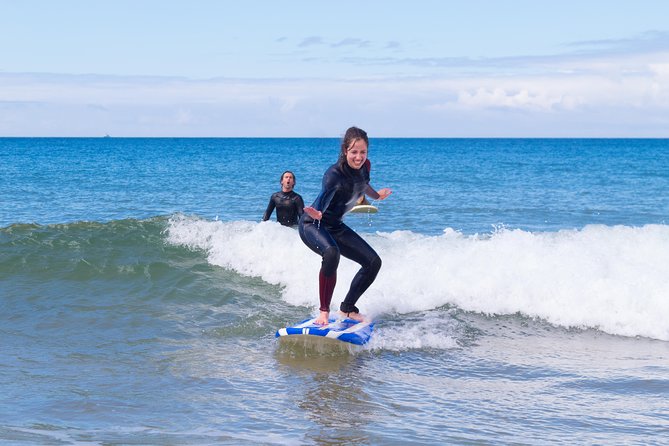
If you’re thinking about surfing in the Cascais area, this is the kind of lesson that fits real travel days. You’re not committing to an all-day thing. Instead, you’re getting a guided introduction designed to get you standing and riding as quickly as possible.
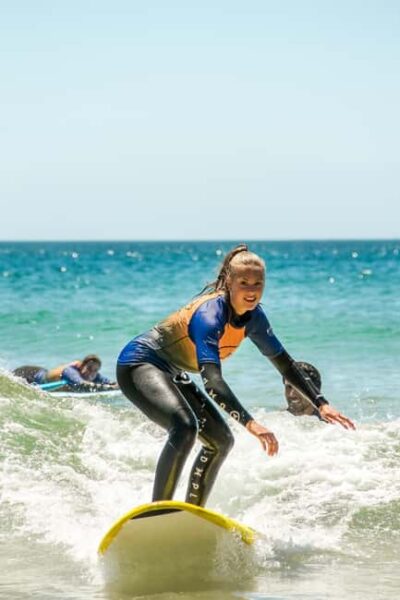
The format is simple and effective: you learn how to use your gear (wetsuit and surfboard), you go over standing-up technique, then you head into the water to practice on real waves. The instructor keeps the focus on technique you can apply immediately, not just theory you forget later.
And because it’s aimed at both beginners and intermediate surfers, the lesson doesn’t feel like it’s written only for people who’ve never seen a board before. If you’ve surfed a little, you’ll likely still find useful coaching moments.
More time in the water on the Lisbon coast
- Surf Experience in Cascais
★ 5.0 · 423 reviews - Cascais: Local Surf Experience
★ 4.9 · 135 reviews - Lisbon: Surf Lesson
★ 4.5 · 110 reviews - Surf Lesson on Praia de Carcavelos
★ 5.0 · 84 reviews
Where You Meet and How to Handle the Boardwalk Reality
You’ll start and end at the same meeting point in Carcavelos (listed as MMGF+M5, Carcavelos, Portugal). The good news: it’s described as easy to locate and near public transportation, so you’re not stuck trying to solve complicated logistics.
The other reality: you may have a walk with your surfboard. One common tip from first-timers is to be ready to carry the board for a ways—something like a long boardwalk stretch can happen depending on where you’re directed and where the waves are that day. That’s normal for surf towns, but it’s worth planning for.
If you’re traveling light, think practical:
- wear clothes you don’t mind getting damp
- bring a small bag you can keep close
- consider packing flip-flops or easy-to-slip footwear for shore movement
Gear, Wetsuit, and Board Setup: The Part You’ll Be Glad You Didn’t Skip
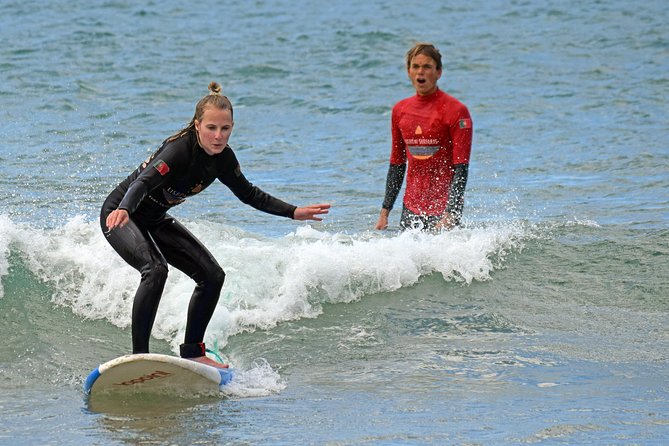
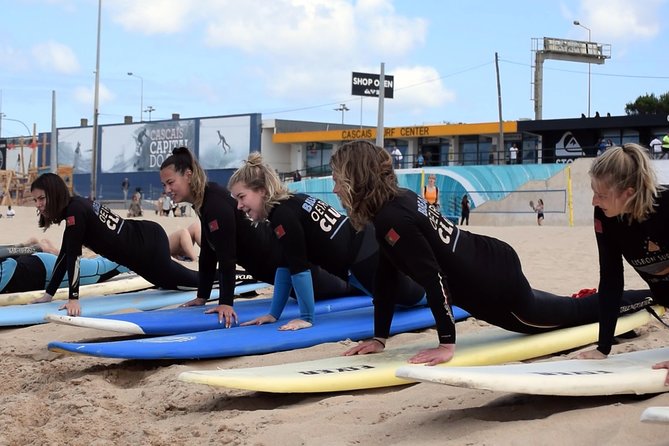
For beginners, the biggest win is that the lesson starts with how to use the equipment correctly. You’ll learn how to put on and manage your wetsuit, how to handle your surfboard, and how to get set up so you’re not wasting your first wave minutes wrestling gear.
Even if you’re intermediate, this part matters. A lot of surfing frustration comes from small setup problems: board orientation, how you grip and carry it, and how you think about getting into position. A quick reset like this can make the water time feel smoother.
One thing to take seriously: wetsuit comfort. If you spend your energy fidgeting with fit or straps, you’re not learning. Use the instruction time to adjust everything until you’re settled and warm enough to focus.
Stand-Up Technique Before the Waves: How They Teach You to Progress
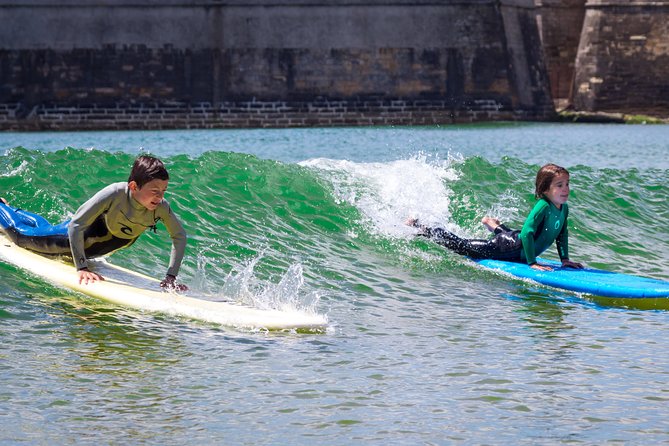
After the gear basics, you’ll get an explanation of standing-up technique. That means you’re not just thrown into the water and told to figure it out. The lesson is structured so you learn the movement patterns first, then apply them.
This is where beginner confidence grows. The coaching approach described by instructors like Felipe and Marco is patient and encouraging, which matters when you’re nervous about balancing on a moving board.
For intermediate surfers, it can also be useful. If you’re feeling unsure about how your usual approach fits the day’s conditions, this type of coaching can help you adjust quickly.
A key practical takeaway: watch the instructor’s cues and repeat them during practice. Surf lessons work best when you treat the water time like focused drills, not a random free-for-all.
Worth a look before you lock anything else in around Cascais:

In the Water: Practicing, Getting Feedback, and Enjoying Whatever the Sea Offers
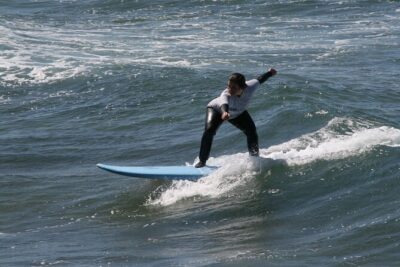
The rest of the lesson is practice with waves. You’ll spend time in the water applying what you learned, and you’ll keep getting feedback aimed at improving your chances of standing.
Here’s the important context: wave conditions in this region are seasonal. Some days bring smaller rolling swells and lighter wave faces. Other days can feel more powerful. Either way, the plan is to keep you practicing safely and effectively.
One first-timer note that’s worth taking to heart: you might end up with relatively small waves on the day you go, but instructors still work with it. That’s not a failure. It’s actually how you learn early control—small waves help you practice pop-up timing and balance without being overwhelmed.
If you’re intermediate and worried the conditions won’t match your comfort level, you can contact the team the day before. That advance check is a smart move so you don’t show up expecting one thing and receiving another.
Group vs Private Lesson: Choosing the Right Level of Attention
This lesson is offered as either a group lesson or a private lesson. The right choice depends on what you want from your time in the surf.
A group lesson can be great value because you still get professional instruction while sharing the lesson with other learners. Reviews suggest the group sizes can be small enough for more individualized tips. One person even noted standing up more than expected, partly because the group was small and guidance felt personal.
A private lesson is better if:
- you want faster pacing
- you have specific technique goals
- you prefer fewer people and more direct coaching
If you’re traveling as a couple or small group of friends, a group format can also work well for shared excitement and mutual practice between sets.
Timing and What to Expect About Lesson Length
The lesson is listed as 2 hours (approx.). In real life, surf lessons sometimes run a bit shorter or shift based on conditions like wave timing and how quickly students rotate through practice.
So go in with a travel mindset: keep your schedule flexible around the session. The short-class idea is a major advantage because it still lets you plan other things afterward, but it’s wise not to treat the end time as a locked-down stopwatch moment.
If timing precision is critical for your itinerary, consider building buffer time after the lesson. That way, you’re not stressed if the water window compresses.
Price and Value: Is $42.33 Worth It?
At $42.33 per person, this is a fairly accessible price point for a professional surf lesson, especially when you factor in that you get instructor coaching focused on core skills: wetsuit/board basics, standing technique, and actual wave practice.
Here’s how to judge the value beyond the sticker price:
- You’re paying for guided progression, not just board rental.
- It’s only about 2 hours, which reduces “vacation time cost.”
- You can choose group or private, depending on how quickly you want feedback.
Also, it’s booked on average about 7 days in advance, which suggests it’s a popular option. Popular can be good, as long as you book early enough to get the time slot you want.
My practical advice: if you’re a first-timer, the lesson is the best “first contact” option because it gives you the foundation you’ll need to enjoy future surf days. If you’re already intermediate, it’s a good check-in session, especially since you can inquire about conditions the day before.
Best-Fit Surfers: Who Should Book This Lesson
This lesson is a strong fit if you fall into one of these buckets:
- True beginners who want the basics clearly explained, then real wave practice fast
- Intermediate surfers who want a structured tune-up and feedback under local conditions
- Travelers who want a short activity that still feels like a real experience
- People who like coaching with encouragement, not lectures
It also lists a moderate physical fitness level, so if you’re able to paddle and get up from the board a few times, you’re likely fine. Children must be accompanied by an adult, which keeps expectations clear if you’re bringing a family.
Practical Tips That Make Your Day Smoother
Here are the small things that can improve your experience right away, based on what you’ll commonly deal with during surf lessons in this area:
- Bring someone to help with photos/videos if you can. One recommendation was to have a friend capture the moments, since your hands will be busy.
- Keep track of your valuables. One critique is that valuables were not locked away and were instead left on a shelf near the door. Bring a secure small bag and avoid leaving valuables unattended.
- Plan for basic changing spaces. If the area used for changing is tight or not perfectly clean, it won’t be the end of the world, but it helps to come prepared and keep your focus on the lesson.
If you want the most enjoyment, treat the day like a learning session. When you do, you’ll be more likely to smile even when conditions are small.
Should You Book This Surf Lesson?
Yes, if your goal is to learn the essentials quickly and get meaningful time on the waves without turning it into a half-day project.
Book it if:
- you’re new to surfing and want a clear start with gear, wetsuit, and standing-up coaching
- you want the convenience of a short lesson you can fit into a Cascais day
- you like group lessons with a chance of individualized tips
Think twice if:
- you’re very sensitive to basic facilities or you strongly need secure storage for valuables
- you require exact timing and cannot handle the possibility of the session running a bit shorter than expected
If you’re choosing between group and private, start with group for value and a friendly atmosphere, then upgrade to private next time if you want deeper, more targeted coaching.
FAQ
How long is the surf lesson?
It’s listed as about 2 hours (approx.), with timing that can vary based on conditions.
Is the lesson suitable for beginners?
Yes. The lesson is designed for beginners and intermediate surfers, with beginners getting gear and wetsuit basics plus stand-up technique before practice.
What skills will I learn?
You’ll learn how to use your gear, including wetsuit and surfboard basics, then you’ll get instruction on standing-up technique before practicing with waves.
Do I need to bring anything for the lesson?
The information provided doesn’t list what to bring. At minimum, plan to bring swimwear and come ready to handle wet conditions, since the lesson is in the water.
Are there changing facilities?
Yes, changing is part of the experience, but changing spaces can be small and not always the cleanest, so come with practical expectations.
Can intermediates check wave conditions ahead of time?
Yes. If you’re intermediate and unsure about how the conditions will feel, you can contact the day before.
Is there a group size limit?
Yes. The lesson has a maximum of 20 travelers.
Is food included?
No. Lunch and food/drinks are not included unless specified.
What are the cancellation terms?
You can cancel for a full refund up to 24 hours before the experience’s start time, and cancellation is free. Changes within 24 hours of the start time aren’t accepted.
More Workshops in Cascais
- Lisbon: Surf Lesson★ 4.5 · 110 reviews
- Surf Lesson on Praia de Carcavelos★ 5.0 · 84 reviews
- Beginners, intermediate and advanced surf lessons★ 5.0 · 64 reviews
- Your First Surf Class!★ 5.0 · 53 reviews
- Surf Lesson with transfer★ 5.0 · 17 reviews
More Tour Reviews in Cascais
- Surf Experience in Cascais★ 5.0 · 423 reviews
- Cascais: Sunset Boat Trip with Welcome Drinks★ 4.7 · 248 reviews
- Lisbon: Sintra Private Day Trip with Pena Palace & Wine Tasting★ 5.0 · 226 reviews
- Cascais: Dolphin Watching Speedboat Tour★ 4.9 · 156 reviews
- Cascais: Local Surf Experience★ 4.9 · 135 reviews
More Surf on the Lisbon Coast
- Surf Experience in Cascais★ 5.0 · 423 reviews
- Cascais: Local Surf Experience★ 4.9 · 135 reviews
- Lisbon: Surf Lesson★ 4.5 · 110 reviews
- Surf Lesson on Praia de Carcavelos★ 5.0 · 84 reviews
- Beginners, intermediate and advanced surf lessons★ 5.0 · 64 reviews
Just in: fresh Cascais reviews from the team




Surf Lessons, compared.
 ★ 4.9Lisbon Surf ExperienceFrom $35876 reviews
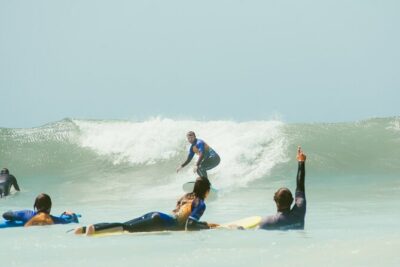 ★ 5.0Surf Experience in CascaisFrom $50423 reviews
 ★ 5.0The Surf Instructor in Costa da CaparicaFrom $60403 reviews
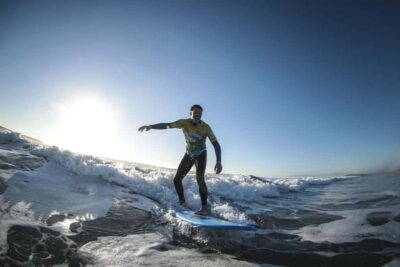 ★ 5.0Surf Experience at Costa da CaparicaFrom $35376 reviews
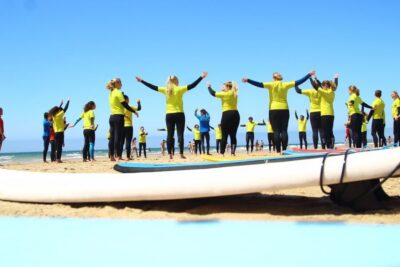 ★ 4.81.5-Hour Surf LessonFrom $35275 reviews
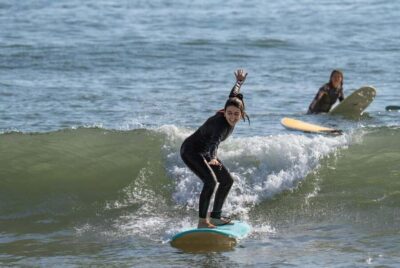 ★ 5.0Lisbon Surf Guide – Surf class & Pick UpFrom $58210 reviews
★ 5.0Lisbon Surf ExperienceFrom $60152 reviews
★ 5.0Lisbon Surf Guide – Surf class & Pick UpFrom $58210 reviews
★ 5.0Lisbon Surf ExperienceFrom $60152 reviews
 ★ 4.9Cascais: Local Surf ExperienceFrom $47135 reviews
Browse the lists this tour appears in