
Reviewed · LISBON BIKE & E-BIKE TOURS
Lisbon: Go Taste Electric Bike Tour
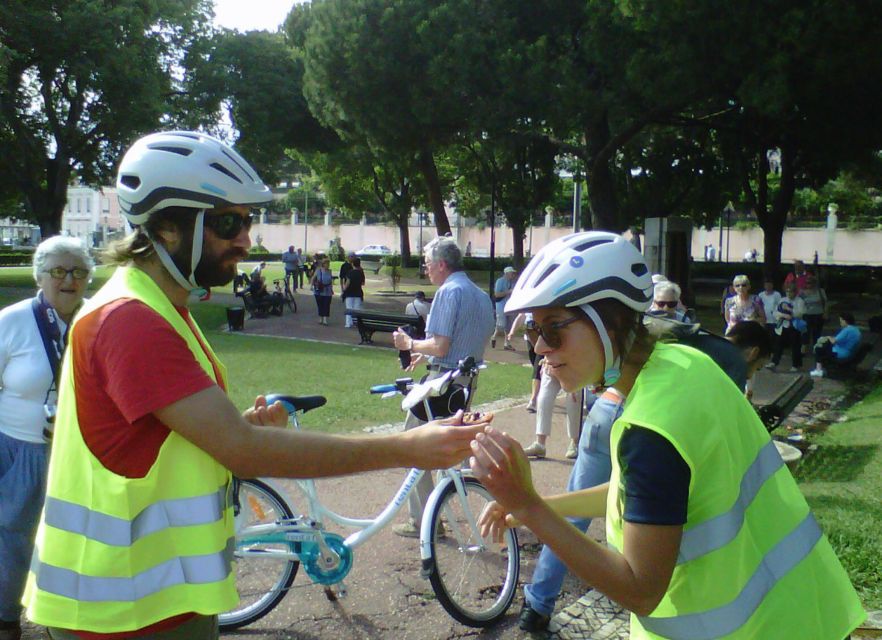
Lisbon has a tasty way to make hills easy. This electric bike food tour strings together classic bites with viewpoints and Portuguese drink stops. I like the clear structure: five food tastings and five drink tastings built into a 4-hour ride, not a random snack crawl. I also like the variety, from a famous custard tart to savory cod pastry and bifana. One thing to consider: it’s designed as a meal, and on holiday weekends some places can have tighter hours, so the exact portion mix may feel a bit lighter than usual.
The route starts near Santa Apolónia, then uses e-bikes to move you around without turning every stop into a stair workout. Guides such as Diogo and Ricardo are noted for keeping things patient and story-focused, so you’re not just eating—you’re learning why these foods matter in everyday Lisbon life. Still, you should confirm the meeting spot ahead of time, since one common hiccup is that the app pin can be a little off from where the guide is actually waiting.
If you want a hands-on introduction to Portuguese food and drink, this is a smart way to do it. You’ll get pastries, coffee, beer/wine, and ginjinha, plus savory classics like empada de galinha and either sardines or soup. The only drawback I’d flag is practical: you’ll be sampling steadily the whole time, so come hungry and don’t plan a heavy lunch right afterward.
In This Review
- Key moments I’d circle on your map
- Santa Apolónia start: a smart launch point for a 4-hour tasting ride
- Electric bikes over Lisbon hills: why the ride is part of the flavor
- Pastel de nata at Manteigaria: start sweet, start iconic
- Amoreiras Garden coffee: a break that also keeps you moving
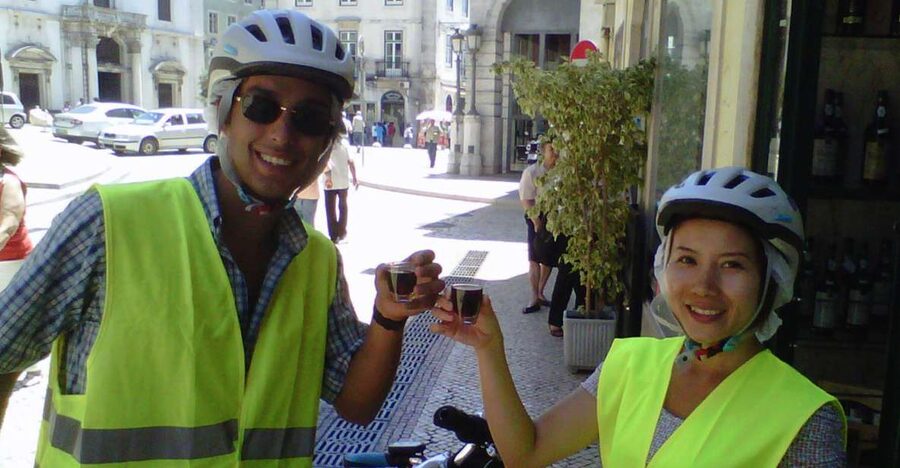
- Drinks with a view of the Tagus: beer, wine, and a local cherry liqueur
- Pastel de massa terra and other pastry stops: why Portuguese dough matters
- Pastel de bacalhau at Martinho da Arcada: Lisbon’s cod obsession in bite form
- Bifana at Sr. Afonso: a lunchtime classic without the lunch line
- Empada de Galinha at Graça viewpoint: savory, cozy, and perfectly timed
- Mouraria in Dona Tina: sardines or soup to end on something salty
- Price and value: what $76 buys in real terms
- Who this tour fits best (and who should choose something else)
- Should you book the Lisbon Go Taste Electric Bike Tour?
- FAQ
- How long is the Lisbon Go Taste Electric Bike Tour?
- Where is the meeting point?
- How much does the tour cost?
- Is the tour guided and in English?
- Is the tour just snacks, or will it count as a meal?
- What food and drink tastings are included?
- Does the tour involve an electric bike?
- What are the cancellation terms?
- Is there a reserve now, pay later option?
- What should I do about the meeting time and spot?
Key moments I’d circle on your map
- Electric bikes that make Lisbon’s hills feel manageable, so you can focus on tasting
- Manteigaria pastel de nata as the tour opener, so you start with Lisbon’s signature
- Tagus river viewpoint drinks, including beer and wine, to break up the cycling
- Portuguese comfort classics, like pastel de bacalhau, bifana, and empada de galinha
- Ginjinha de Óbidos for a distinctly local finish (tart cherry liqueur, not candy-sweet)
- A true meal format, meaning you likely won’t need lunch after the tour
Santa Apolónia start: a smart launch point for a 4-hour tasting ride
The meeting point is near Santa Apolónia Metro Station and the Fado Museum, which is a convenient area if you’re already using metro or you’re staying around central Lisbon. The tour runs about 4 hours, and that time window matters: it’s long enough to feel like an actual tour, but short enough that you’re not stuck moving at snack-crawl pace for your entire afternoon.
Starting there also helps with flow. You can think of this as a moving dinner-and-drinks plan: you taste, you ride, you taste again. If you’ve ever done a walking food tour where you spend half the time catching up to the group, the e-bike format here does the heavy lifting.
Practical tip: when you get your confirmation, double-check exactly where the guide is waiting. One report noted the app could show the wrong spot, and it’s easiest to solve that before you’re standing there wondering.
Seven hills on two wheels, a few more routes
- Lisbon: Hills, Alfama, and Mouraria Tour by Electric Bike
★ 4.8 · 3,438 reviews - Lisbon E-Bike Tour Commerce Square, Mouraria and Alfama
★ 4.5 · 1,688 reviews - Lisbon: 7 Hills Half-Day Electric Bike Tour
★ 4.9 · 1,592 reviews - Lisbon: City Highlights and Viewpoints E-Bike Tour
★ 4.9 · 1,556 reviews
Electric bikes over Lisbon hills: why the ride is part of the flavor
Lisbon’s geography can be a dealbreaker on traditional walking tours. The good news is the tour is designed around electric bikes, which make climbs much less punishing. That changes the experience. You get to enjoy the route instead of negotiating with your legs.
The best part is how the e-bikes let you keep the schedule without rushing. You’ll spend your energy on tasting and looking, not on constant stop-start climbing. This matters most if you’re traveling with kids, visiting in warm weather, or you just don’t want your vacation to become a leg-day plan.
Also, since the tour is structured around repeated eating stops, faster travel between them helps you avoid that unpleasant end-of-tour feeling of being too hungry to focus. With the e-bike pace, you can stay present for each bite.
Pastel de nata at Manteigaria: start sweet, start iconic
The tour’s first pastry stop is pastel de nata at Manteigaria, one of the old names in the city’s pastry scene. This is a great way to launch, because pastel de nata isn’t just a dessert. It’s a Lisbon shorthand.
Here’s why this stop works: you’re not trying to compare ten pastries back-to-back later. You start with the most recognizable standard, so you can understand what the rest of the tastings are responding to—custard richness, flaky pastry structure, and that signature roasted top.
One tip for enjoying this opener: treat it like a warm-up, not an entire meal. Eat it, then take a few minutes to reset your palate before the next drink. Custard is delicious, but it can overpower everything else if you keep chugging right after.
Amoreiras Garden coffee: a break that also keeps you moving
At Amoreiras Garden, you get Portuguese coffee. This isn’t just about caffeine. It’s a classic pairing that helps cut through pastry sweetness and brings your taste buds back into balance.
What I like about this kind of mid-tour coffee stop: it gives you a mental reset without derailing the rhythm. You’re still cycling and seeing parts of the city, but you’re also getting a calm moment where the group can regroup and you can slow down your own pace.
If you tend to drink coffee later in the day, you might want to go easy here. Tour pacing plus pastry plus coffee can hit a bit quickly.
Worth a look before you lock anything else in around Lisbon:
Drinks with a view of the Tagus: beer, wine, and a local cherry liqueur
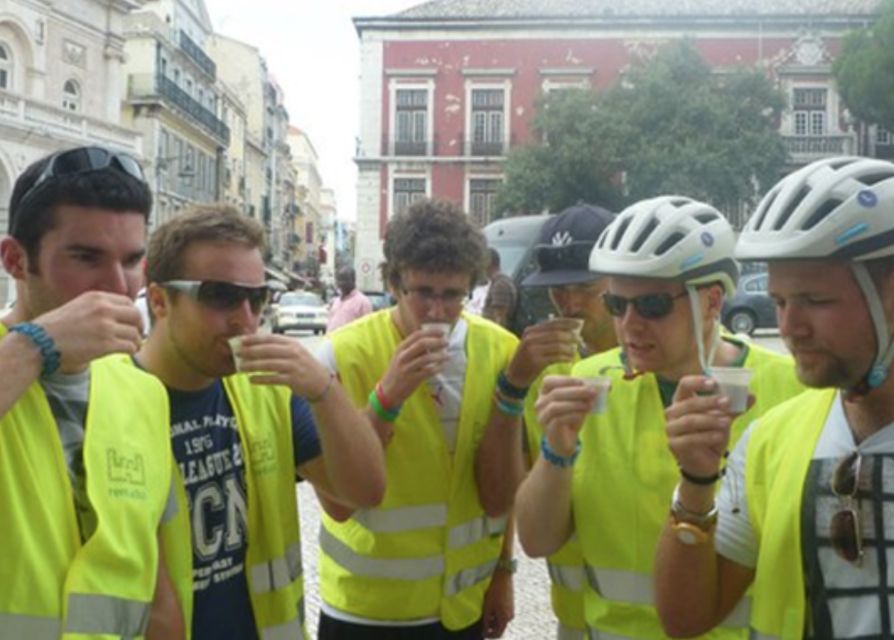
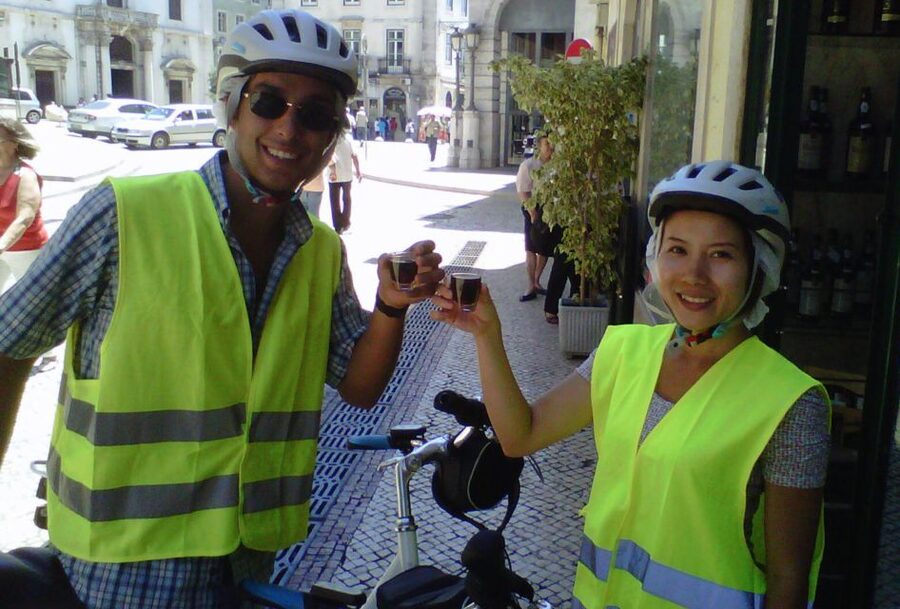
One of the memorable beats is quenching your thirst with a Portuguese beer at a spectacular viewpoint overlooking the Tagus river. This viewpoint stop is valuable because it breaks up the day in a way that a list of tastings can’t. You get the photo moment, but you also get perspective: the Tagus area is where Lisbon’s food culture feels tied to place, not just to menus.
Then you’ll continue with additional drink tastings that include white wine, red wine, ginjinha liqueur, and water, plus the coffee already mentioned. The ginjinha de Óbidos is the standout if you like tart flavors. It’s sour cherry liqueur—sweet enough to feel festive, but sharp enough to taste distinctly Portuguese rather than just dessert-flavored.
A small practical note: since alcohol is part of the tasting plan, pace yourself. The e-bike means you’ll be moving after sipping, so take small pours and keep water going.
Pastel de massa terra and other pastry stops: why Portuguese dough matters
The tour includes pastel de massa terra at Doce Real. This matters because Portugal’s pastry identity isn’t only custard tarts. “Massa” pastries often show up as regional comfort foods—think of them as parts of a broader pastry language rather than one-off desserts.
This is also a good stop if you’re curious about the difference between a standard custard tart experience and pastry styles that are more about texture and filling variety. You’re learning by tasting, not by reading a pamphlet.
If you’re the kind of person who wants to buy something to bring home, watch how the guide describes the pastry before you bite. You’ll be more likely to pick the right kind later: custard-forward, savory, or filling-heavy.
Pastel de bacalhau at Martinho da Arcada: Lisbon’s cod obsession in bite form
Now for the savory pivot. The tour includes pastel de bacalhau at Martinho da Arcada. If you’ve ever wondered why cod shows up so often in Portuguese menus, this bite is a solid starting point. Cod in Portugal isn’t “odd ingredient.” It’s comfort and tradition.
This stop is special because pastel de bacalhau is both a food and a vibe. It’s the kind of thing that fits casual street-eating culture while still feeling substantial. You’ll likely notice the contrast right away: flaky pastry and a rich, savory cod filling that doesn’t taste like something engineered to be snack-sized.
If you’re traveling as a group, this is a good “everyone will like this” stop. Even people who aren’t pastry people tend to enjoy it because it’s savory and filling.
Bifana at Sr. Afonso: a lunchtime classic without the lunch line
Next up is bifana at Sr. Afonso. Bifana is one of those foods that makes sense instantly: pork sandwich, usually served fast, usually eaten with zero fuss. It’s Portugal’s street-food practicality in a handheld form.
Why it fits this tour: after rich pastries, bifana brings a different texture and a meat-forward flavor that helps reset you again. It also signals that this isn’t only sweets and formal tasting. This is real Lisbon eating.
If you’re planning your own food crawl after the tour, jot down the flavor direction. Bifana pairs well with the vinegary or garlicky notes you might see in other Portuguese snacks.
Empada de Galinha at Graça viewpoint: savory, cozy, and perfectly timed
At the Graça Viewpoint, you’ll have empada de galinha (a chicken pie). This stop checks multiple boxes at once: it’s warm-feeling comfort food, it’s savory enough to stand on its own, and it lands at a viewpoint so the ride and the food stay connected.
Graça area viewpoints are popular for a reason. Getting a hearty pastry-style bite here gives you a “pause” that feels earned. You’re not just eating while moving. You’re actually stopping, looking, and then tasting.
If you’re sensitive to heat or spice, this is worth noting. The tour includes lots of flavor variety, and empada de galinha can lean rich and filling. Take your time.
Mouraria in Dona Tina: sardines or soup to end on something salty
The last major food stop includes sardines or soup at Mouraria in Dona Tina. This is a smart ending choice because it keeps the meal anchored in Portuguese staples rather than sending you back to sweets again.
If you get soup, it’s a comfort finish. If you get sardines, it’s a more bold, briny note—very “Lisbon, right now” in flavor terms. Either way, it rounds out the tour’s story: pastries and sandwiches are part of the picture, but seafood and simple soups belong there too.
And since the tour is a meal, this ending choice helps you feel satisfied rather than just snack-full.
Price and value: what $76 buys in real terms
At $76 per person for about 4 hours, you’re paying for more than guided sightseeing. You’re paying for:
- An electric bike ride that prevents hill fatigue
- A live English guide
- Multiple scheduled tastings (the tour is explicitly built as five food and five drink tastings)
- Specific included items, including pastel de nata and multiple savory Portuguese bites
That value really shows if you’d otherwise have to piece together snacks on your own. Buying these foods individually adds up fast, and you’d still be figuring out which places are best and when they’re open.
The one “value risk” is season and timing. On a holiday weekend when some restaurants are closed, a food tour can end up with fewer actual bites than you expected. If your dates are tight and you’ll be visiting around major holidays, consider sending a quick note to confirm what can be served on that day.
Who this tour fits best (and who should choose something else)
This tour is ideal if you:
- Want Lisbon’s food culture in a structured 4-hour plan
- Prefer tasting multiple classics rather than eating one big meal
- Like getting views without turning it into a cardio event
- Travel with limited time and want a guide to handle routing
It’s also a great match if you enjoy history in everyday life. The guide provides context around Portuguese food and drink, and guides like Diogo and Ricardo are known for being proud about sharing it.
Choose a different format if you:
- Only want small tastes and don’t want a meal-style experience
- Are extremely sensitive to alcohol or prefer no wine/beer at all (the tour includes wine, beer, ginjinha, and water)
- Are visiting during a period when you expect closures and won’t be happy if the exact selection tightens
Should you book the Lisbon Go Taste Electric Bike Tour?
I’d book it if you want a practical, guided way to eat like Lisbon—pastel de nata first, then cod pastry, bifana, chicken pie, and a salty ending. The e-bike is the secret sauce because it keeps the ride enjoyable, so the day stays about tasting and views.
I’d think twice if you’re the type who expects every stop to be identical no matter the calendar. Because the tour is built around specific local shops and tastings, holiday timing can affect availability, and that can change how “full” the meal feels.
If you do book, come hungry, pace your drinks, and confirm the meeting spot before you arrive. Do that, and you’ll get a fun mix of food, flavor, and Lisbon in motion.
FAQ
How long is the Lisbon Go Taste Electric Bike Tour?
It lasts 4 hours.
Where is the meeting point?
It’s near Santa Apolónia Metro Station and the Fado Museum.
How much does the tour cost?
The price is $76 per person.
Is the tour guided and in English?
Yes. You get a live tour guide in English.
Is the tour just snacks, or will it count as a meal?
It’s a meal. The tour includes tastings at every stop, so you won’t need lunch afterward.
What food and drink tastings are included?
The tour includes five drink tastings and five food tastings, with specific included items such as pastel de nata, pastel de massa terra, pastel de bacalhau, bifana, empada de galinha, and sardines or soup. Drinks include one beer, white wine, red wine, ginjinha liqueur, water, plus Portuguese coffee at Amoreiras Garden.
Does the tour involve an electric bike?
Yes. It’s an electric bike tour.
What are the cancellation terms?
You can cancel up to 24 hours in advance for a full refund.
Is there a reserve now, pay later option?
Yes. You can reserve now & pay later, paying nothing today.
What should I do about the meeting time and spot?
Make sure you’re at the meeting area near Santa Apolónia and the Fado Museum, and confirm the meeting spot in advance since one reported issue is that the app pin can be inaccurate.
More Tours in Lisbon
- Lisbon City Center Tour – The Unmissable Lisbon★ 5.0 · 22,234 reviews
- Lisbon: History, Stories and Lifestyle Walking Tour★ 4.8 · 10,902 reviews
- True 4Hour Private Tuk Tuk Tour: Discover Lisbon with a Local!★ 5.0 · 8,008 reviews
- Winner 2025 Undiscovered Lisbon Food & Wine Tour by Eating Europe★ 5.0 · 6,390 reviews
- Lisbon: Sintra, Pena, Cabo da Roca, Cascais Tour with Pickup★ 4.8 · 5,445 reviews
More Tour Reviews in Lisbon
- Lisbon City Center Tour – The Unmissable Lisbon★ 5.0 · 22,234 reviews
- Lisbon: Sintra, Pena, Regaleira, Cabo da Roca & Cascais★ 4.7 · 19,656 reviews
- Lisbon Card: 24, 48, or 72-Hour Pass★ 4.5 · 17,944 reviews
- Lisbon: Jerónimos Monastery Entrance Ticket★ 4.1 · 14,164 reviews
- Lisbon: History, Stories and Lifestyle Walking Tour★ 4.8 · 10,902 reviews
The Seven Hills on Two Wheels
- Lisbon: Hills, Alfama, and Mouraria Tour by Electric Bike★ 4.8 · 3,438 reviews
- Lisbon E-Bike Tour Commerce Square, Mouraria and Alfama★ 4.5 · 1,688 reviews
- Lisbon: 7 Hills Half-Day Electric Bike Tour★ 4.9 · 1,592 reviews
- Lisbon: City Highlights and Viewpoints E-Bike Tour★ 4.9 · 1,556 reviews
- Lisbon: 3-Hour Tour by E-Bike★ 4.8 · 1,150 reviews
Just in: fresh Lisbon reviews from the team




Lisbon Bike & E-Bike Tours, compared.
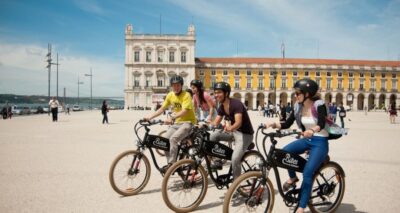 ★ 4.8Hills, Alfama, and Mouraria Tour by Electric BikeFrom $253,438 reviews
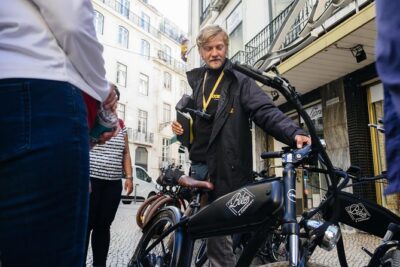 ★ 4.5Lisbon E-Bike Tour Commerce Square, Mouraria and AlfamaFrom $301,688 reviews
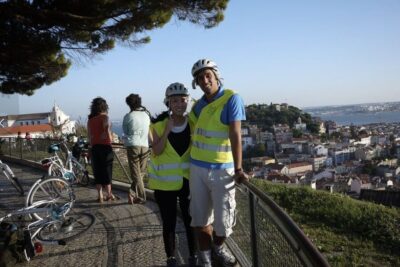 ★ 4.97 Hills Half-Day Electric Bike TourFrom $271,592 reviews
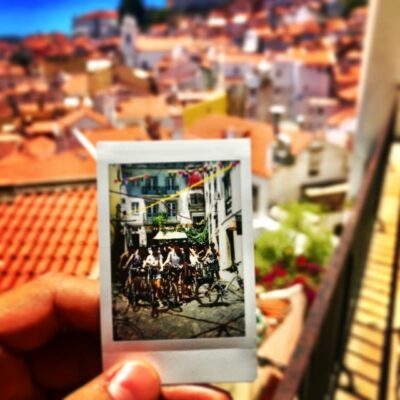 ★ 4.9City Highlights and Viewpoints E-Bike TourFrom $291,556 reviews
 ★ 4.83-Hour Tour by E-BikeFrom $471,150 reviews
 ★ 4.9From Lisbon: Atlantic Coast Guided Quad Bike TourFrom $152864 reviews
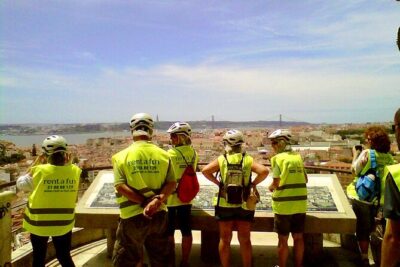 ★ 5.03-Hour Lisbon 7 Hills Electric Bike TourFrom $32818 reviews
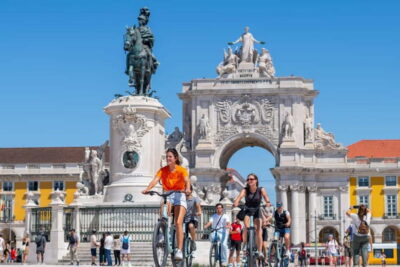 ★ 4.7Bike Tour from Lisbon to Belém + Liquor & PastryFrom $46688 reviews
Browse the lists this tour appears in