
Reviewed · TICKETS
Lisbon: Entry Tickets to Mosteiro de São Vicente de Fora
Lisbon’s tiles deserve your full attention. This entry ticket lets you explore Mosteiro de São Vicente de Fora at your own pace, with the best part being the baroque azulejos in their original setting and the panoramic view over the city and river. You also get Portuguese history in layers, from royal power to art made for public looking.
My favorite thing here is how much you can see without feeling rushed: a working medieval cistern, an over-the-top sacristy, and a royal pantheon you can actually walk through. One thing to plan for: there’s no guided tour and no audio guide, so you’ll rely on the panels and your own reading time.
If you want a quieter, self-paced monument stop that still feels complete, this is a smart pick. At $9 per person for entry to the monastery and exhibitions, it’s strong value compared with many Lisbon sites that charge much more for less.
In This Review
- Key things I’d focus on
- Where São Vicente de Fora Fits in Lisbon
- Entering the Monument: Ticket Office Inside the Church
- Why the Azulejos Here Feel Different
- The Monastery’s Timeline You Can See With Your Feet
- The Working Medieval Cistern: Lisbon’s Practical Surprise
- Sacristy Walls Covered in Inlaid Marbles
- The Royal Pantheon of the Bragança Dynasty
- Jean de La Fontaine Fables as Glazed Tile Panels
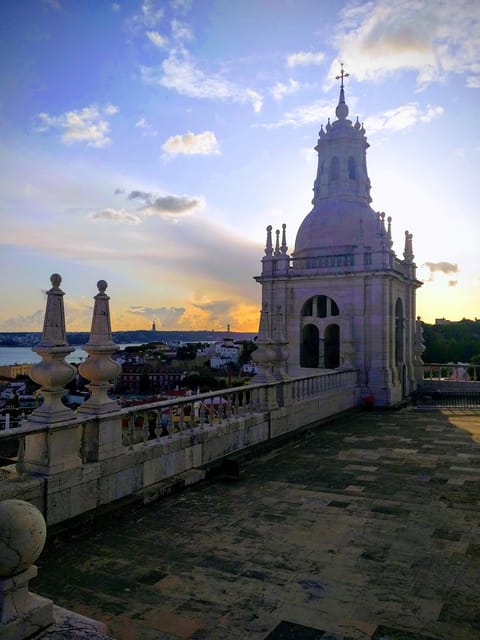
- The Panoramic View Over the City and River
- Self-Guided Style: How to Make the Most of No Guide
- Practical Notes That Affect Your Comfort
- Timing: How Long You’ll Really Need
- Value Check: $9 for a Royal, Tile, and View Combo
- Who This Ticket Is Perfect For (And Who Should Skip)
- Should You Book This Entry Ticket?
- FAQ
- How much does the entry ticket cost?
- How long is the visit?
- Where do I pick up my ticket or start the visit?
- Is this experience guided?
- Is an audio guide provided?
- What’s included in the ticket?
- What are the main things to see inside?
- What language support is available on-site?
- Are there items I cannot bring?
- What’s the cancellation policy?
Key things I’d focus on
- The tile experience: you’ll see the largest collection of baroque glazed tiles in situ, plus Portugal’s famous tile craft in context
- A top-tier viewpoint: plan to finish with the panoramic look over the city and river
- A medieval cistern that still works: one of the most practical surprises in the building
- The Bragança Royal Pantheon: the last Portuguese royal family is entombed here
- The sacristy with inlaid marbles: walls fully decorated in marble inlays, not just painted decoration
- Jean de La Fontaine fables in glazed tile panels: an exhibition featuring 38 fables shown through tile artwork
Where São Vicente de Fora Fits in Lisbon
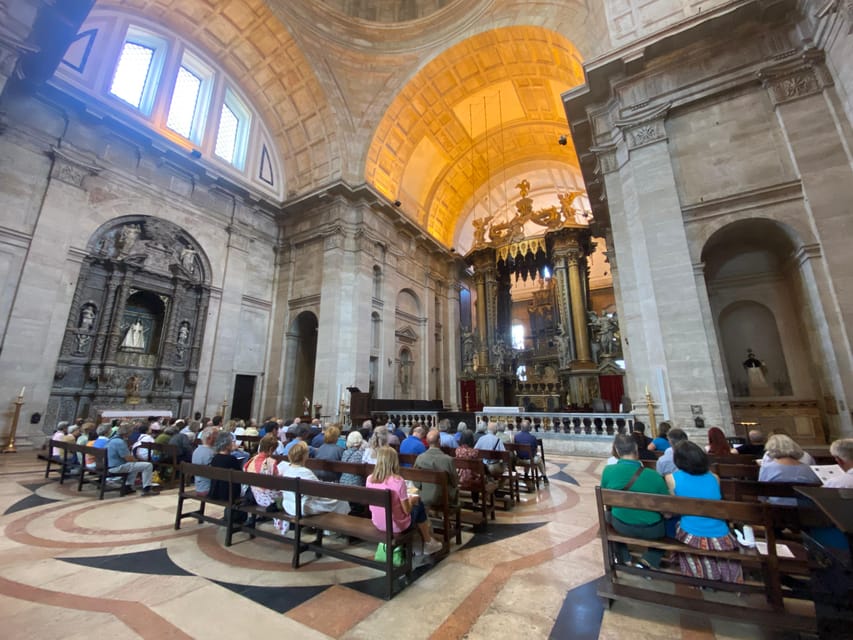
Mosteiro de São Vicente de Fora is the kind of place that helps you read Lisbon’s past as you walk. The monastery’s story is tied to royal power, and you feel that in the scale, the design, and the way art is used to impress. It’s also an architectural highlight: it started in the 12th century with D. Afonso Henriques and was rebuilt in the 16th century by D. Filipe I (II of Spain). Today, you’re looking at one of Portugal’s best examples of Mannerism style.
What makes the ticket ticket experience feel worthwhile is that it doesn’t just dump you in one room. You move through multiple sections that each connect to a different part of the building’s role over time: religious space, royal space, practical infrastructure, and art gallery energy.
For many visitors, the monastery becomes a break from the more crowded big sights. You still get Lisbon atmosphere, but you also get room to slow down and look closely at tiles and stonework.
Worth a look before you lock anything else in around Lisbon:
- Lisbon: Jerónimos Monastery Entrance Ticket
★ 4.1 · 14,164 reviews - Lisbon: Oceanário de Lisboa Entrance Ticket
★ 4.6 · 9,943 reviews - Lisbon: São Jorge Castle E-Ticket and Audio Guide
★ 4.3 · 2,182 reviews - Lisbon: 72/96-Hour Hop-On Hop-Off Bus, Tram & Boat Ticket
★ 4.4 · 2,170 reviews
Entering the Monument: Ticket Office Inside the Church

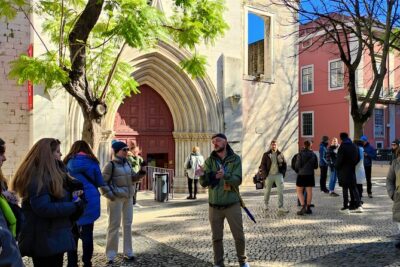
Your entry starts at the ticket office inside the Church of São Vicente de Fora. That detail matters because it sets expectations: this isn’t a drive-by museum sticker. You’re entering a working religious complex, and your visit follows the areas that are open as part of the route.
Once you’re in, you have access to all exhibitions and areas included in the circuit, plus there’s a bathroom on-site. The experience is set up for self-guided wandering rather than a structured group timeline.
Because there’s no audio guide, the “how do I understand what I’m seeing” part depends on the on-site informative and explanatory panels and the provided flyer with a map and brief descriptions. If you’re the type who likes to read every sign, you’ll probably enjoy the pace. If you skim, you may miss some of the connections between tiles, royal symbolism, and architectural choices.
Why the Azulejos Here Feel Different
The biggest reason this monastery hits so hard is the tile collection. You’re not looking at tiles as background decoration. You’re looking at tiles as a centerpiece of the site’s identity.
Here are two specific things that set the place apart:
- It’s home to the largest collection of baroque glazed tiles in their original place (in situ) in the country.
- The monument is described as the second in the world with the most tiles in their original place.
In plain terms, that means you’re seeing tilework where it belongs, not tiles moved into a new setting or displayed as separate fragments. You get a clearer sense of scale and design planning, because the tiles remain tied to the architecture that framed them.
As you move through the interior spaces, look for how the tile patterns interact with the building’s shapes and functions. The tiles aren’t just pretty. They help communicate taste, wealth, and political messages from the dynasties that controlled the space after the initial foundation.
One more practical tip: give yourself time. The tiles are detailed, and the best viewing happens when you step back, then step in. If you only do a quick pass, the art won’t fully land.
The Monastery’s Timeline You Can See With Your Feet
This is one of those sites where the building itself acts like a timeline. You start with the foundation in the 12th century, then fast-forward to the 16th-century rebuild under D. Filipe I (II of Spain). After that, successive kings of the Bragança Dynasty reused and reappropriated the monastery.
That shift is why the monastery feels like more than a church. It becomes a place where Portuguese royal power shows up in stone, in ritual spaces, and in art meant to be seen by visitors and dignitaries.
If you like history you can physically track, this monastery works. You’ll see the different “roles” the spaces played: religious life, royal commemoration, and the kind of artwork that was designed to impress people walking inside.


The Working Medieval Cistern: Lisbon’s Practical Surprise
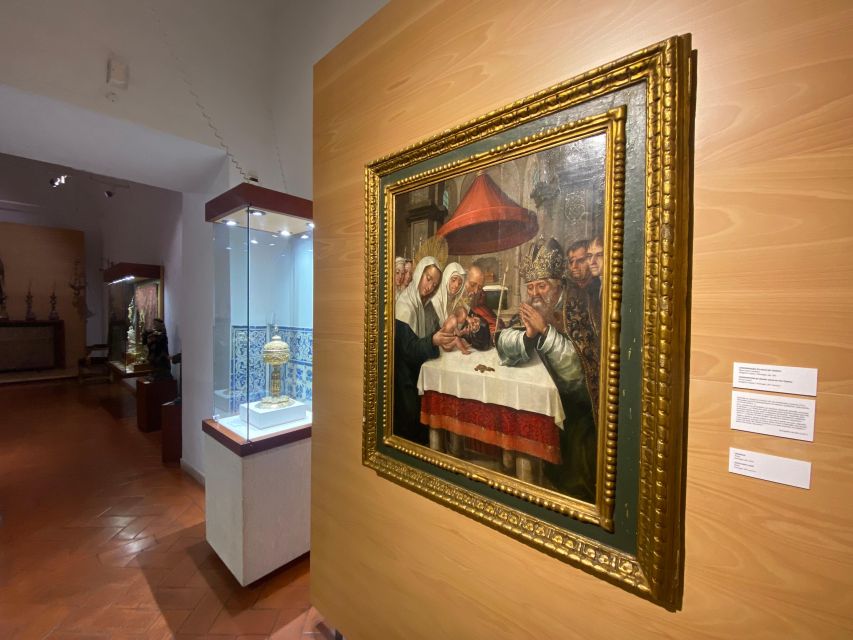
One of the coolest “wait, that’s real?” moments is the medieval cistern. It’s still working, which makes the site feel oddly modern in a good way. Most monuments talk about the past. This one lets you picture the daily mechanics of earlier centuries.
Even if you’re not a plumbing nerd, the cistern changes how you look at the rest of the site. It’s proof that grand decoration didn’t erase practical engineering needs. It also helps explain why the monastery could function as a major institution across time.
Spend a little time here and read the panel explanations. The cistern is the kind of feature where understanding the purpose makes the sight more satisfying.
Sacristy Walls Covered in Inlaid Marbles
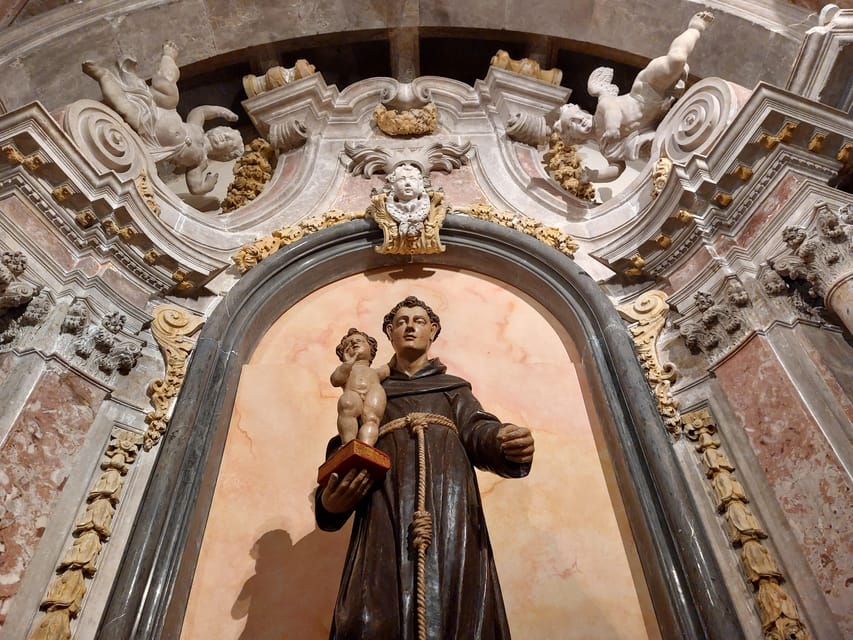
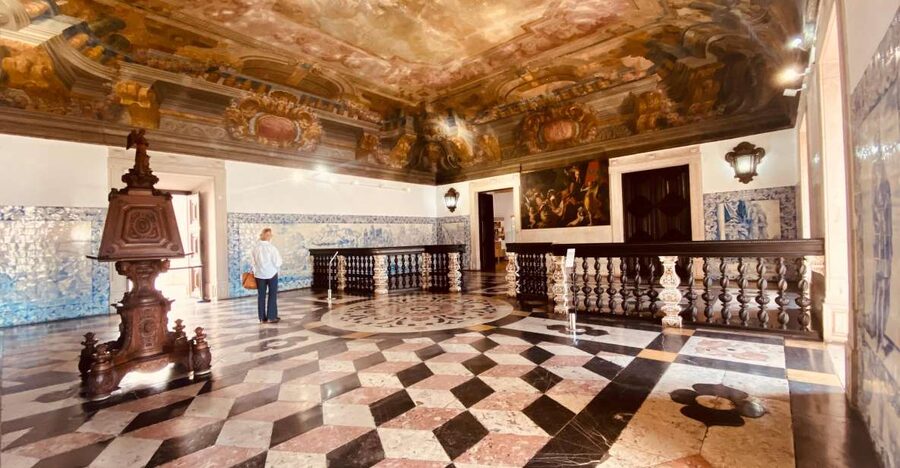
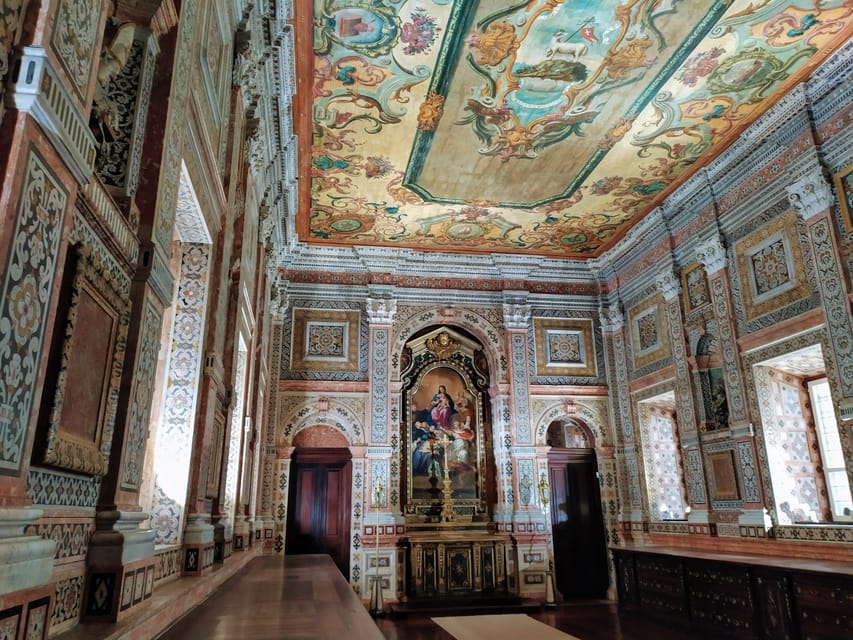
Then there’s the sacristy, and it’s dramatic. The walls are fully decorated with inlaid marbles. This is not a small ornamental upgrade. It’s a full-on statement surface.
Why it matters for your visit: marbles and tilework together show you two different languages of power. Tiles tell one story through pattern and color. Marble inlays tell another through texture and craftsmanship. Seeing both in the same complex helps you understand why this monastery was such a prestigious site for royal patrons.
If you like architecture and decorative arts, treat this as one of your main stops and slow down. Walk around the room enough to catch the effect of light across the surfaces.
The Royal Pantheon of the Bragança Dynasty
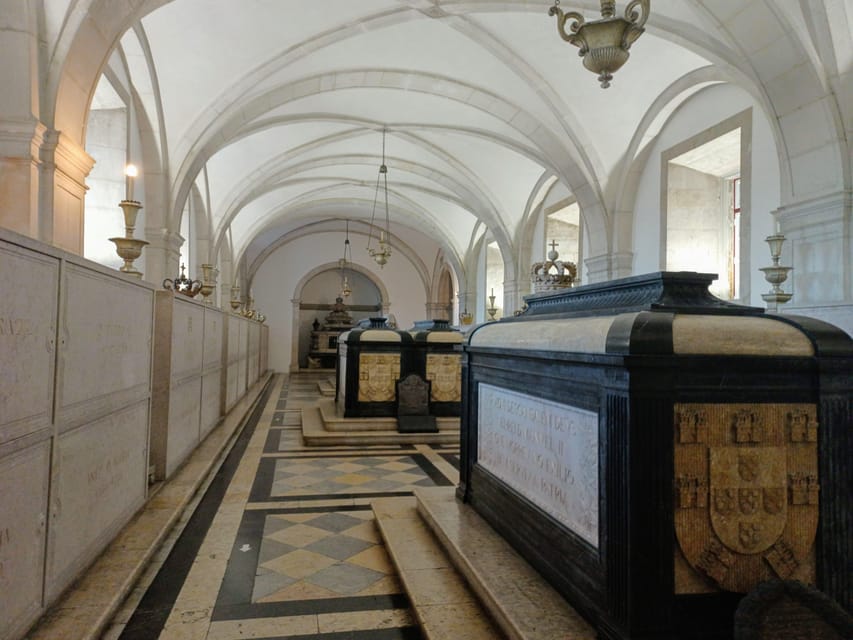
Another standout is the Royal Pantheon of the Bragança Dynasty, where the last Portuguese royal family is entombed. This part of the visit adds emotional weight, because it turns the monastery from art and design into remembrance.
Practical note: because this is tied to religious and funerary space, keep your visit respectful. In a place like this, quiet attention makes the difference between rushing past and truly understanding what you’re looking at.
If you’re trying to connect Lisbon’s monarchy story to what you’re seeing today, this is the room that anchors it. It’s where the site’s royal identity becomes most clear and direct.
Jean de La Fontaine Fables as Glazed Tile Panels

One of the more unexpected experiences inside is the exhibition featuring 38 fables written by Jean de La Fontaine, presented through glazed tile panels. This is where the monastery feels like it doubles as an art gallery without losing its original purpose.
Why it’s worth your time: fables are short stories with moral themes, and when you translate them into tile art, they become something you can study slowly. The glazed panels make it easy to stop, locate a scene, and then connect it to the story theme.
If you’re traveling with kids or teens, this part often works better than purely historical exhibits, because it’s visual and story-driven. Even if you don’t know the fables, the images help you follow along.
The Panoramic View Over the City and River
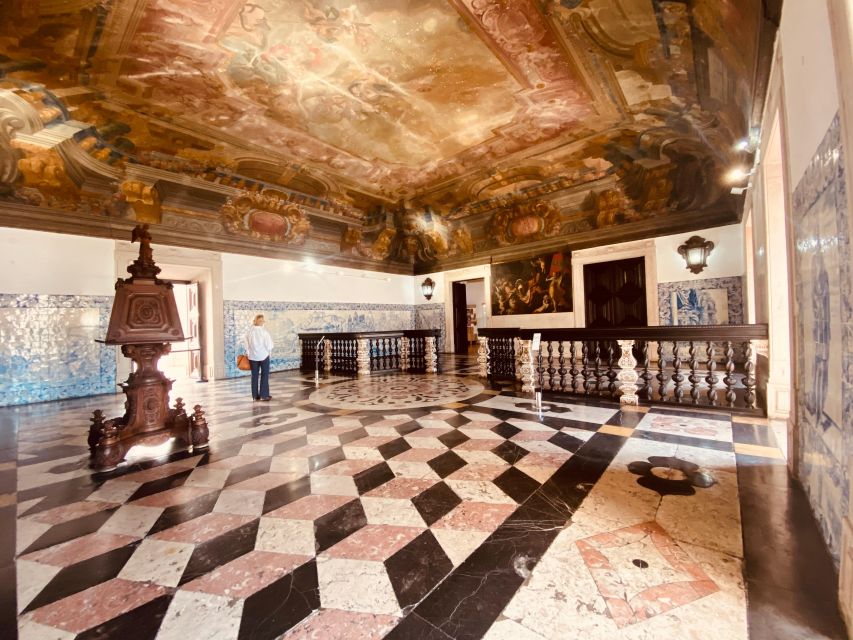
You’ll want to save your last stretch for the panoramic view over the city and river. This is one of those “thank you for pacing yourself” moments, because it gives your eyes a reset after close-up detail inside.
From the viewpoint, Lisbon’s layout makes more sense. You can connect the monument’s position to the broader city shapes and water routes. It’s also an easy win for photos, as long as you remember you’re in a shared public space.
Go when you can see light clearly. If it’s very hazy, the view can look flat. If you catch decent clarity, you’ll feel the payoff more.
Self-Guided Style: How to Make the Most of No Guide
This experience is designed for independent exploring. You do get informative panels throughout, a flyer with a map and brief description, and access to all the areas in the circuit. What you don’t get is a guided tour and no audio guide.
Here’s how to make that work for you:
- Read the panel headings first, then follow the story in the rooms
- Spend extra time where the site description signals major items (tiles, cistern, sacristy, pantheon, fables)
- Don’t treat the visit like a checklist. A site this decorative rewards close looking
If you’re the kind of traveler who wants every detail explained out loud, this might feel like less support than you prefer. But if you’re comfortable learning by reading, it’s a good match.
Also, language support is available through the host/greeter at the site, with English, Spanish, French, Portuguese, and Italian. That can help if you get stuck figuring out what area you’re looking at next.
Practical Notes That Affect Your Comfort
The visit has clear rules. You can’t smoke, and you can’t bring food and drinks. Large bags or luggage aren’t allowed, and alcohol and drugs are also not permitted.
Why this matters: if you’re carrying a heavy daypack, you may need to lighten your load before you arrive. Lisbon days often mean you’re also doing street walks and transit. Knowing there are restrictions helps you avoid stress at the entry point.
On the plus side, the presence of a bathroom and explanatory panels makes the self-guided format easier to enjoy without feeling stuck.
Timing: How Long You’ll Really Need
The ticket is valid for 1 day, and the activity mentions starting times you can check for availability. In practice, you’ll want to give yourself enough time to do the interior spaces properly and still reach the viewpoint without rushing.
If you read every panel and linger over tile details, you’ll likely stay longer than you think. If you’re a fast walker who just wants the highlights, you can still get a satisfying visit, but you’ll want to prioritize the cistern, sacristy, pantheon, and the fable exhibition.
A simple strategy: do a first slow pass through the most visually intense areas (especially tiles), then return briefly to rooms you want to understand more.
Value Check: $9 for a Royal, Tile, and View Combo
Let’s talk money. The entry price is $9 per person, and that’s what makes this ticket so appealing.
You’re paying for:
- Entry to the monastery
- Access to exhibitions and areas included in the route
- Informative panels and a flyer map
- A bathroom
That’s a lot of “included” content for one modest ticket. Many Lisbon paid entries focus on a single attraction. Here, the value comes from having multiple high-impact features clustered in one place: tilework at scale, a working medieval element, a royal pantheon, and a panorama.
If you’re on a budget, this is the kind of site you feel good about choosing. You’re not sacrificing the quality of the experience just to save a few euros.
Who This Ticket Is Perfect For (And Who Should Skip)
This is ideal if you:
- Love azulejos and want to see them in their original architectural setting
- Want a royal-historical stop tied directly to Portuguese dynasties
- Prefer self-guided visits where you can pause and look at details
- Want great views without needing to book a long tour
You might think twice if you:
- Strongly prefer guided narration for every major room
- Need a lot of accessibility support not described in the available info
- Hate reading signs and would rather have a live guide explain context
Should You Book This Entry Ticket?
I’d book it if you want a high-reward Lisbon interior experience with a strong mix of art, history, and viewpoint time—at a price that doesn’t sting. The monastery’s standout tiles, the working cistern, the Bragança royal pantheon, and the La Fontaine fables exhibition together create a visit that feels complete without needing a tour group.
If you’re okay learning from panels and you like exploring at your own pace, this ticket is a very good use of your time in Lisbon. If you need spoken interpretation, you might feel less supported, but the included signage still gives you plenty to work with.
FAQ
How much does the entry ticket cost?
The price is $9 per person.
How long is the visit?
The ticket is valid for 1 day. Starting times vary, so check availability for the time you plan to enter.
Where do I pick up my ticket or start the visit?
The ticket office is inside the Church of São Vicente de Fora.
Is this experience guided?
No. A guided tour is not included.
Is an audio guide provided?
No audio guide is included.
What’s included in the ticket?
Your ticket includes entry to the monastery, access to all exhibitions and areas in the circuit, a bathroom, explanatory panels, and a flyer with a map and brief descriptions.
What are the main things to see inside?
You can see major features such as the in situ baroque tile collection, a medieval cistern that still works, the sacristy with inlaid marbles, the Royal Pantheon of the Bragança Dynasty, and an exhibition of Jean de La Fontaine fables shown in glazed tile panels, plus a panoramic view.
What language support is available on-site?
The host/greeter is listed as available in English, Spanish, French, Portuguese, and Italian.
Are there items I cannot bring?
You can’t bring large bags or luggage. Food and drinks are also not allowed, and alcohol and drugs are prohibited.
What’s the cancellation policy?
Free cancellation is available up to 24 hours in advance for a full refund.
More Tickets in Lisbon
- Lisbon: Jerónimos Monastery Entrance Ticket★ 4.1 · 14,164 reviews
- Lisbon: Oceanário de Lisboa Entrance Ticket★ 4.6 · 9,943 reviews
- Lisbon: São Jorge Castle E-Ticket and Audio Guide★ 4.3 · 2,182 reviews
- Lisbon: 72/96-Hour Hop-On Hop-Off Bus, Tram & Boat Ticket★ 4.4 · 2,170 reviews
- Lisbon Oceanario: Aquarium Entrance Ticket★ 4.5 · 1,454 reviews
More Tour Reviews in Lisbon
- Lisbon City Center Tour – The Unmissable Lisbon★ 5.0 · 22,234 reviews
- Lisbon: Sintra, Pena, Regaleira, Cabo da Roca & Cascais★ 4.7 · 19,656 reviews
- Lisbon Card: 24, 48, or 72-Hour Pass★ 4.5 · 17,944 reviews
- Lisbon: Jerónimos Monastery Entrance Ticket★ 4.1 · 14,164 reviews
- Lisbon: History, Stories and Lifestyle Walking Tour★ 4.8 · 10,902 reviews
Just in: fresh Lisbon reviews from the team





Tickets, compared.
 ★ 4.2Sintra: Pena Palace and Park Entrance TicketFrom $1117,410 reviews
 ★ 4.1Jerónimos Monastery Entrance TicketFrom $2114,164 reviews
 ★ 4.6Oceanário de Lisboa Entrance TicketFrom $299,943 reviews
 ★ 4.2Quinta da Regaleira Skip-the-Ticket-Line Entry & AudioguideFrom $313,316 reviews
 ★ 4.6Sintra: Castle of the Moors Skip-the-Line TicketFrom $142,893 reviews
 ★ 4.3São Jorge Castle E-Ticket and Audio GuideFrom $302,182 reviews
 ★ 4.472/96-Hour Hop-On Hop-Off Bus, Tram & Boat TicketFrom $552,170 reviews
 ★ 4.2Sintra: Quinta da Regaleira Skip-the-Line TicketFrom $312,115 reviews