
Lisbon’s royal rooms still feel properly royal. This ticket gets you into Portugal’s only accessible former royal palace, with Tagus River views from Ajuda Hill and well-preserved 19th-century interiors that make the place feel lived-in, not staged. I love the mix of state-style rooms and private chambers, and I also enjoy how the palace turns art history into something you can actually wander through at your own pace. The main thing to watch: opening days and the last entry time are strict, and this is a non-refundable ticket.
What you’ll notice fast is the variety. On the ground floor you can move through the Music Room and the private apartments, then look up for the more extravagant State Rooms and the palace main hall. The decorative arts collection is also a big draw—think gold and silverware, jewelry, textiles, furniture, glassware, ceramics, plus paintings, engravings, sculptures, and photos.
One drawback is practical, not artistic. The palace is open Thu–Tue from 10:00 to 18:00, with last entry at 17:30, and it’s closed on Wednesdays and certain holidays—so it’s easy to squeeze it into the wrong day and end up with an empty clock.
In This Review
- Key Things I’d Prioritize Here
- Ajuda Hill Views Before You Even Enter
- Portugal’s Only Accessible Former Royal Palace: What That Means
- Ground Floor: Music Room and Private Apartments
- Upstairs State Rooms and the Palace Main Hall
- Decorative Arts Across Two Centuries: The Stuff You’ll Actually Notice
- Timing and Days: How to Avoid the One Mistake That Hurts
- Ticket Value: Why $17 Feels Reasonable Here
- Who Should Book This Ajuda National Palace Entry Ticket
- Should You Book This Ajuda National Palace Ticket?
- FAQ
- How long is the Ajuda National Palace visit with this ticket?
- What’s included in the ticket?
- What are the opening hours?
- What days is the palace closed?
- Can children enter for free?
- Is this ticket refundable?
- What rooms will I be able to see?
- What kinds of art and decorative items are on display?
- Where do I get the Tagus River views?
- Do I need to check starting times?
Key Things I’d Prioritize Here
- Ajuda Hill views: the Tagus looks better from up here than you’d expect for a palace visit
- 19th-century private chambers: royal interiors that stay authentic, not just decorative
- Music Room + private apartments on the ground floor for a quieter, more intimate feel
- State Rooms and the main hall upstairs, where the palace leans into spectacle
- Decorative arts across two centuries (18th–19th) in media you can see and compare
- Photos, engravings, sculptures, and more give you multiple ways to read the collection
Ajuda Hill Views Before You Even Enter
Ajuda National Palace sits high on Ajuda Hill, so you don’t need to “pretend” it’s a viewpoint. The palace location is part of the experience, not a bonus. From up here, the Tagus River feels like the organizing feature of Lisbon—wide, slow-moving, and impossible to ignore.
Before you settle into rooms, take a few minutes to get your bearings. Even if you’re not the type to hunt for photo spots, this is one of those moments where the setting clarifies why the palace was built here at all. It’s also a nice reset when you’ve been walking around the city’s hills and streets all morning.
If you’re tempted to rush straight inside, I’d say wait a beat. You’ll come into the palace with the view in your head, and the upstairs rooms start to make more sense.
Worth a look before you lock anything else in around Lisbon:
- Lisbon: Jerónimos Monastery Entrance Ticket
★ 4.1 · 14,164 reviews - Lisbon: Oceanário de Lisboa Entrance Ticket
★ 4.6 · 9,943 reviews - Lisbon: São Jorge Castle E-Ticket and Audio Guide
★ 4.3 · 2,182 reviews - Lisbon: 72/96-Hour Hop-On Hop-Off Bus, Tram & Boat Ticket
★ 4.4 · 2,170 reviews
Portugal’s Only Accessible Former Royal Palace: What That Means
This isn’t a museum that only pretends to be royal. The palace is a former royal residence that you can actually visit, and that changes the whole vibe. Instead of looking at objects behind glass in a sterile environment, you’re moving through rooms designed for life—ceremony, music, display, and status.
I like that the interiors lean heavily into 19th-century style, especially in the private chambers and state-focused spaces. You’re seeing how wealth and power translated into room layout, decoration choices, and the way art was placed to impress.
And because the palace isn’t huge-visited-this-once-and-forgotten in spirit, it rewards patience. You can take your time with the decorative arts and still feel like you’re getting a “complete” palace experience.
Ground Floor: Music Room and Private Apartments
On the ground floor, the palace shifts gears. You start with the Music Room and then move into the private apartments. That combination matters because it gives you a sense of both performance and daily life—at least in the royal version of daily life.
The Music Room is one of the smartest entry points for first-timers. Rooms like this help you understand that music wasn’t a background activity; it was a central social feature. Even if you don’t know the technical details of the space, the layout and decorative emphasis make the purpose obvious.
Then you get into the private apartments, where the mood tends to feel more direct and personal. This is where the palace’s “former royal” status clicks into place. The design choices feel less like a stage set and more like rooms that were meant for real routines—just with more history and more objects.
Practical note: plan a slower pace downstairs if you like reading room details. This is also where you’ll likely notice how the collection is distributed—so it doesn’t feel like you’re just walking past displays.
Upstairs State Rooms and the Palace Main Hall
When you go up to the upper level, the atmosphere turns grand. The State Rooms are where the palace leans hardest into extravagance, and the main hall connects that visual drama to the wider flow of the building.
I find state rooms can go two ways: either they’re impressive but empty, or they’re impressive because they’re packed with meaning. Here, the experience stays grounded because the palace includes an important collection of paintings and decorative arts, alongside sculptural and decorative objects.
The main hall is your “anchor” room. It’s the place where you’ll start linking the view from Ajuda Hill, the 19th-century styling, and the way the palace presents art as part of the architecture. If you’re the type who likes to orient yourself—who wants one big room to set the tone—this is where you’ll do it.
If you only have time for half a palace, don’t automatically cut the upstairs rooms. For many people, the State Rooms are the moment the ticket starts to feel worth it.



Decorative Arts Across Two Centuries: The Stuff You’ll Actually Notice
This is a palace, yes—but it’s also a deep visual walk through decorative arts. The collection covers 18th- and 19th-century decorative works, and it spans more than just paintings.
You’ll see categories like gold and silverware, jewelry, textiles, furniture, glassware, and ceramics. That list sounds like a checklist until you’re in the rooms and you can compare materials and craftsmanship side by side. What’s especially satisfying is the variety: you can look at a display and then “translate” what you’re seeing into how a home like this functioned.
The palace also includes paintings, engravings, sculptures, and photographs. I like collections that aren’t one-note. Prints and photos help you understand the era differently than oil paintings alone, and sculptures bring depth and texture into the story.
If you tend to get tired in long museum circuits, here’s a strategy: pick two categories you care about most (for example jewelry and textiles) and track them as you move room to room. You’ll feel like you’re studying something, not just passing through it.
One positive takeaway from the overall feedback is that the rooms feel full of historic objects and the spaces can feel surprisingly large. That aligns with what you’ll notice as you move from one room to the next—there’s enough breathing space to slow down without feeling stuck.
Timing and Days: How to Avoid the One Mistake That Hurts
This palace rewards planning. The opening window is Thu to Tue, 10:00 to 18:00, and last entry is 17:30. It’s closed on Wednesdays, plus specific holidays including January 1, Easter Sunday, May 1, June 13, and December 25.
That schedule affects your day in a real way. If you’re trying to stack timed entries—especially on a day that might run late—you’re gambling. A palace visit is rarely a perfect “show up at 4:00 and leave at 4:30” experience, because you’ll naturally slow down for rooms and the view.
Arrive with buffer time. And if your plan includes another activity right after, build in slack. One visitor had an issue with a QR code that reflected the wrong year and an incorrect time window, and the visit closed just before they arrived. Even though staff reportedly helped them by letting them return another day, the bigger lesson was clear: timing mismatches can scramble your schedule.
So don’t treat your entry time like a suggestion. Check it carefully, confirm the time on your QR/ticket before you head over, and don’t plan your next stop as if the palace will be quick.
Ticket Value: Why $17 Feels Reasonable Here
At about $17 per person, this ticket can be a strong value—if you actually want a palace visit with rooms, views, and decorative arts. You’re not paying for a single highlight. You’re paying for a structured way to access multiple spaces: Music Room and private apartments downstairs, plus State Rooms and the main hall upstairs.
What makes the value work is the balance between experience types. You get:
- Royal interiors with 19th-century styling
- A spread of collections across media (metalwork, textiles, ceramics, paintings, engravings, sculpture, photos)
- A built-in viewpoint from Ajuda Hill
If you’re someone who likes variety in museums—especially when the building itself does part of the storytelling—this is the kind of ticket that doesn’t feel like a compromise.
Just remember: it’s a non-refundable ticket. That’s not meant to scare you off. It’s a reminder to choose your day carefully and arrive on time.
Who Should Book This Ajuda National Palace Entry Ticket
This is a great fit if you like:
- Art and decorative arts where you can see materials up close (not just murals in passing)
- Palace-style interiors that show both public splendor and private rooms
- River views paired with indoor rooms, so your visit isn’t only one kind of scenery
- A visit where you can set your own pace and still feel like you hit the big moments
You might think twice if you prefer ultra-modern attractions or highly interactive experiences. This place is about spaces and objects. The payoff is in careful looking, not in gimmicks.
Also, if you’re traveling with kids: children aged 12 and younger don’t require an entry ticket, which can be a straightforward cost win.
Should You Book This Ajuda National Palace Ticket?
Yes—if you can match the palace hours to your itinerary and you care about interiors and decorative arts. The combo of Tagus River views, 19th-century royal rooms, and a serious collection of paintings and decorative objects is exactly what makes this ticket feel like a real Lisbon experience instead of a quick detour.
My decision rule is simple: book it if you’ll spend time in multiple rooms rather than rushing. Skip it if you’re planning a tight day with no time buffer, because last entry at 17:30 can turn a small timing mistake into a big disappointment.
If you want, tell me your travel dates and what else you’re doing that day in Lisbon. I can help you pick the safest time slot so you don’t get caught by the closing days.
FAQ
How long is the Ajuda National Palace visit with this ticket?
The entry ticket is valid for 1 day. Plan for a daytime visit to see the main rooms and collections at an unhurried pace.
What’s included in the ticket?
The ticket includes entry to Ajuda National Palace.
What are the opening hours?
The palace is open Thursday to Tuesday from 10:00 AM to 6:00 PM. Last entry is at 5:30 PM.
What days is the palace closed?
The palace is closed on Wednesdays, and also closed on January 1, Easter Sunday, May 1, June 13, and December 25.
Can children enter for free?
Children aged 12 and younger do not require an entry ticket.
Is this ticket refundable?
No. This activity is non-refundable.
What rooms will I be able to see?
On the ground floor, you can visit the Music Room and private apartments. On the upper floor, you can see the State Rooms and the palace’s main hall.
What kinds of art and decorative items are on display?
You can expect collections of 18th- and 19th-century decorative arts, including gold and silverware, jewelry, textiles, furniture, glassware, and ceramics, as well as paintings, engravings, sculptures, and photographs.
Where do I get the Tagus River views?
You can enjoy panoramic views of the River Tagus from the palace’s strategic position on Ajuda Hill.
Do I need to check starting times?
Yes. The ticket is valid for 1 day, and starting times depend on availability, so it’s worth checking what time slots are offered.
More Tickets in Lisbon
- Lisbon: Jerónimos Monastery Entrance Ticket★ 4.1 · 14,164 reviews
- Lisbon: Oceanário de Lisboa Entrance Ticket★ 4.6 · 9,943 reviews
- Lisbon: São Jorge Castle E-Ticket and Audio Guide★ 4.3 · 2,182 reviews
- Lisbon: 72/96-Hour Hop-On Hop-Off Bus, Tram & Boat Ticket★ 4.4 · 2,170 reviews
- Lisbon Oceanario: Aquarium Entrance Ticket★ 4.5 · 1,454 reviews
More Tour Reviews in Lisbon
- Lisbon City Center Tour – The Unmissable Lisbon★ 5.0 · 22,234 reviews
- Lisbon: Sintra, Pena, Regaleira, Cabo da Roca & Cascais★ 4.7 · 19,656 reviews
- Lisbon Card: 24, 48, or 72-Hour Pass★ 4.5 · 17,944 reviews
- Lisbon: Jerónimos Monastery Entrance Ticket★ 4.1 · 14,164 reviews
- Lisbon: History, Stories and Lifestyle Walking Tour★ 4.8 · 10,902 reviews
Just in: fresh Lisbon reviews from the team





Tickets, compared.
 ★ 4.2Sintra: Pena Palace and Park Entrance TicketFrom $1117,410 reviews
 ★ 4.1Jerónimos Monastery Entrance TicketFrom $2114,164 reviews
 ★ 4.6Oceanário de Lisboa Entrance TicketFrom $299,943 reviews
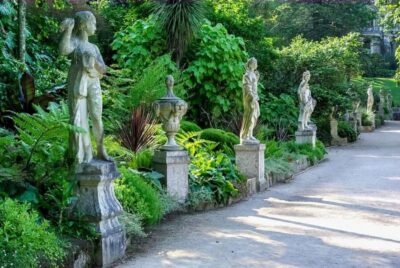 ★ 4.2Quinta da Regaleira Skip-the-Ticket-Line Entry & AudioguideFrom $313,316 reviews
 ★ 4.6Sintra: Castle of the Moors Skip-the-Line TicketFrom $142,893 reviews
 ★ 4.3São Jorge Castle E-Ticket and Audio GuideFrom $302,182 reviews
 ★ 4.472/96-Hour Hop-On Hop-Off Bus, Tram & Boat TicketFrom $552,170 reviews
 ★ 4.2Sintra: Quinta da Regaleira Skip-the-Line TicketFrom $312,115 reviews