
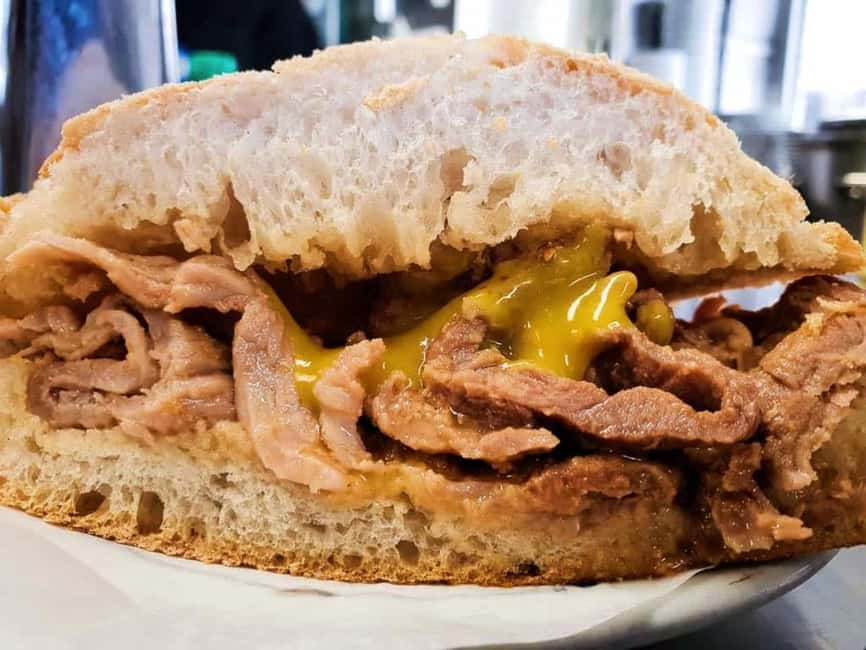
Reviewed · FOOD
Find Lisbon’s soul: Food, Drinks, Stories & a NO-uphill tour
Lisbon has a way of surprising you when you eat like locals. This tour sends you into 100-year-old taverns and off the main drag, with a friendly no-script guide who keeps the stories flowing with what you’re actually tasting. Two things I really liked: the spread of classic dishes (cod, alheira, sardines, rice pots) and the drink stops, including ginjinha in a chocolate cup. One thing to consider: it’s not built for fully vegetarian diets, so you’ll want to communicate your preferences early.
You also get a real city walk, not just a food pit stop parade. You’ll move through Chiado and Bairro Alto, then head into Bica’s steep-feeling streets and cobblestones, with plenty of sight moments along the way. And at the end, you leave with a list of places for bars and sunsets so your night doesn’t just end when the tour does.
In This Review
- Key things I’d plan around
- From Praça de Luís de Camões into the Lisbon you actually taste
- Old taverns, no-script guidance, and why it matters
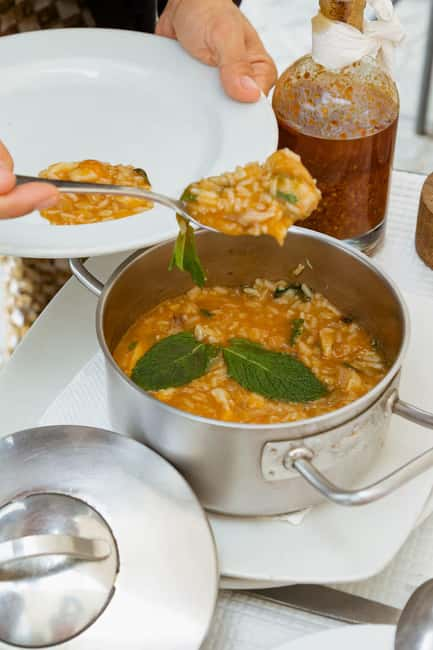
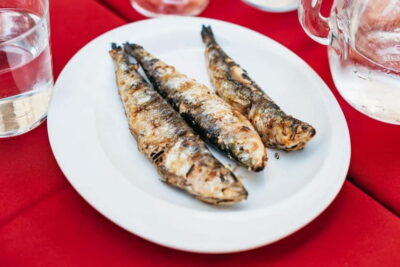
- Cod, alheira, sardines, and rice pots: Lisbon’s honest plates
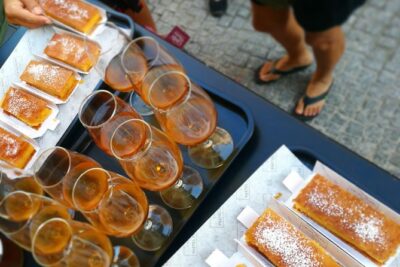
- The drink stops: green wine, local beer, and ginjinha in chocolate
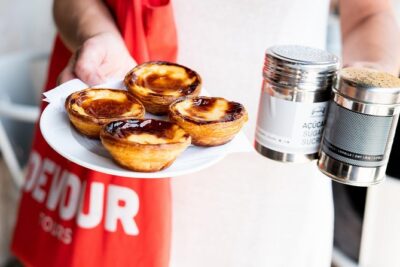
- Conventual sweets: why you’ll stop thinking only about Pastel de Nata
- The walking route: Chiado, Bica, and cobblestones you can feel
- Baixa to your next plan: the Local Secrets list you can use
- Price and value: what $79 buys you in Lisbon reality
- Who should book, and who should adjust expectations
- My decision: should you book this Lisbon food soul tour?
- FAQ
- How long is the tour?
- Where does the tour start?
- What’s included with the $79 price?
- What drinks and sweets should I expect?
- Is the tour good for vegetarians?
- What languages are the guides?
Key things I’d plan around
- No-uphill energy, but real Lisbon hills: bring comfortable shoes and expect lots of walking time.
- 12 different tastings included, covering savory classics plus multiple desserts.
- Old tavern atmosphere: uneven floors, long-running service, and meals that feel like local routine.
- Portuguese drinks, not just soft stuff: green wine, local beer, and ginjinha served in a chocolate cup.
- Conventual sweets beyond Pastel de Nata, including monk-inspired pastries and a warm custard tart.
- A local-spots list for what to do next, like sunset viewpoints and lesser-known bar choices.
From Praça de Luís de Camões into the Lisbon you actually taste
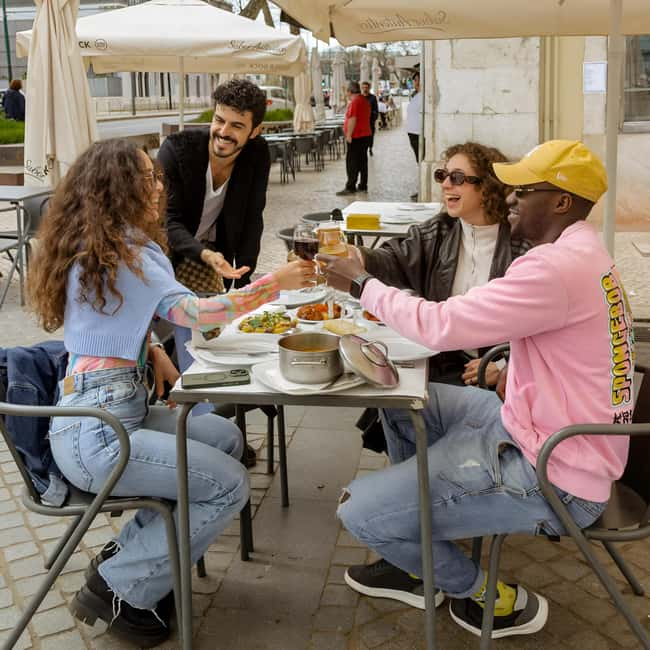
The tour starts in the center of Lisbon at Praça de Luís de Camões, right where it’s easy to meet up and get your bearings fast. From there, you’ll head into neighborhood pockets that feel lived-in, not staged. The best part is that you’re not treated like a guest hovering at the edge of someone else’s day. You’re part of the flow: short walks, quick context, then food.
This is also a tour for people who want to see Lisbon while eating it. You’ll pass through areas like Bairro Alto and Chiado, plus time in Baixa (the downtown area) where the city’s older layers come into focus. There’s a decent mix of sidewalks and viewpoints, but the rhythm is still food-first, so the sights are the kind that show up naturally between stops.
Worth a look before you lock anything else in around Lisbon:
- Winner 2025 Undiscovered Lisbon Food & Wine Tour by Eating Europe
★ 5.0 · 6,390 reviews - Lisbon: Food and Wine Small Group Walking Tour
★ 4.9 · 4,082 reviews - Lisbon Small-Group Portuguese Food and Wine Tour
★ 5.0 · 3,972 reviews - Lisbon: Baixa District Food Tour with Dinner and Drinks
★ 4.9 · 1,997 reviews
Old taverns, no-script guidance, and why it matters
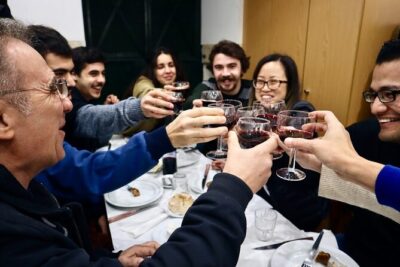
A lot of food tours feel like a delivery system: arrive, eat, move on, repeat. Here, the vibe is more like joining a local friend’s night out, guided by a native who uses stories and explanations instead of a rigid script.
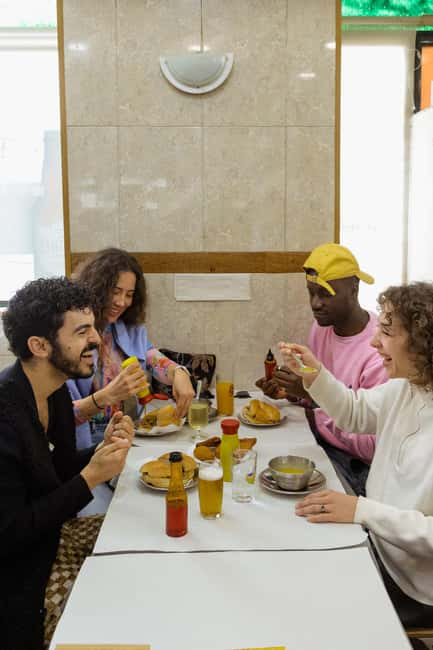
You’ll eat in taverns that have been around for about a century, the kind of places where you can practically hear the regulars before they sit down. Even details like the uneven floors matter, because they explain why these restaurants feel real. Staff in these spots move with practiced speed, and you’re eating where the room has a history of shouting orders, serving families, and feeding people who live nearby.
What I’d watch for: the guide style can affect how welcome you feel at each place. In the experiences I saw described, guides like Carolina and Diogo were praised for making guests feel at home and keeping the pace comfortable. That’s the difference between a tour that just feeds you and one that actually connects you.
Cod, alheira, sardines, and rice pots: Lisbon’s honest plates
The heart of the tour is traditional Portuguese food, and you’ll notice quickly it’s not trying to be trendy. No fusion performance, no reinventing classics just to sound clever. The menu is built around the staples that shaped Lisbon cooking through trade, weather, and everyday needs.
Depending on the day, you might encounter:
- Codfish prepared in the traditional Lisbon way
- Alheira, a savory sausage-like dish (often described as hearty and comforting)
- Sardines, when the timing matches
- Rice pots, which are exactly what they sound like: warm, filling, and built for sharing
This format is smart. Instead of one big meal where you only taste one thing, you get multiple chances to compare flavors and textures. You also learn why these foods show up so often. Cod is tied to Portugal’s fishing history. Alheira reflects the overlap of ingredients and survival cooking. Rice dishes show up as a practical way to feed people well and stretch meals.
If you’re the type who likes to order confidently in a restaurant after a tasting tour, this one helps. You’ll come away knowing what to look for and what to ask for, not just what you ate that day.
The drink stops: green wine, local beer, and ginjinha in chocolate
Portuguese drinks are part of the story here, not an afterthought. You’ll sip green wine (Vinho Verde), which is lighter and crisp compared with heavier reds. You’ll also get local Imperial beer, plus water and soft drinks to keep things balanced.
Then comes the Lisbon ritual everyone recognizes, but not everyone tries the proper version: ginjinha, sour cherry liquor. In this tour, it’s served in a chocolate cup. That detail matters because it turns a quick shot into something that feels like a mini dessert and a mini story at the same time.
Two practical notes:
- If you don’t drink much, pace yourself. The tour is packed with stops, so you want your energy to match your schedule.
- If you do drink, don’t assume you’ll feel less alcohol just because it’s sour and chocolatey. It can still hit like liquor should.
Worth a look before you lock anything else in around Lisbon:
Conventual sweets: why you’ll stop thinking only about Pastel de Nata
Most visitors go straight for Pastel de Nata. This tour says, yes, you’ll be aware of that story, but you should also see the wider baking world that created it.
You’ll visit a local bakery and spend time on conventual pastries, often described as monk-inspired sweets with a heavy egg base and a rich, old-school method. You’ll taste options that are less common on tourist menus, the kind of desserts that make you feel like you found a side door into Lisbon food culture.
And yes, there’s a “crown jewel” moment near the end: a warm custard tart paired with coffee. The point is not just sweetness. It’s understanding that Lisbon pastry culture didn’t appear out of nowhere. Convents and kitchens influenced recipes, techniques, and the way sugar and eggs became a signature.
If you’re a dessert person, plan for this tour to actually make you full. The sweets are part of the meal arc, not a single stop at the end.
The walking route: Chiado, Bica, and cobblestones you can feel
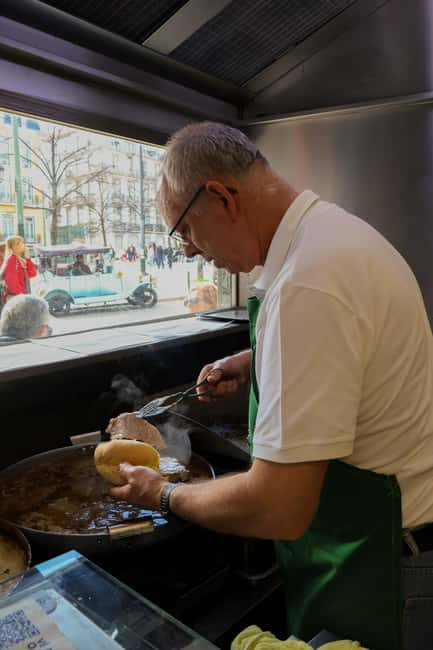
This is a walking tour through several Lisbon neighborhoods with real city texture. You’ll move through Chiado and Bairro Alto, then head into Bica’s steep streets and cobblestone corners. Even if the tour description says no-uphill, you’ll still feel Lisbon’s natural “stairs and slopes” logic.
The walking time totals about 210 minutes, and the route is paced for eating, not for fitness training. Still, the hills mean you should wear shoes that give you grip and comfort for uneven ground. A lot of Lisbon’s charm is literally under your feet.
Along the way, you’ll also have short sight moments like Largo do Carmo Square and the Rua Augusta Arch area. These stops help you connect the food to the city. You see how the neighborhoods link up, then you go back to eating as if that’s the most normal thing in the world.
Baixa to your next plan: the Local Secrets list you can use
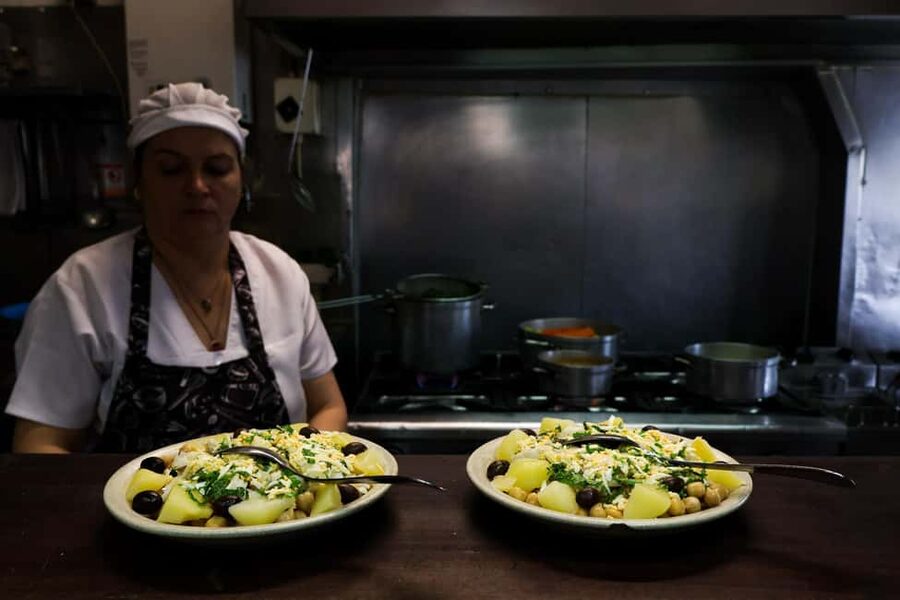
One of the most useful parts is what you get at the end: a list of top restaurants, bars, and sunset spots, plus the kind of recommendations you’d normally hear after you’ve been in town for a couple days.
This is a big deal because Lisbon nights don’t always start on schedule. Your first evening can feel like you’re guessing. A local-spots list reduces that guessing, especially for places that are easy to miss if you only follow major landmarks.
The tour also includes an option to see neighborhood life in the simplest way: walking where locals live with the cable cars, laundry, and cobblestones. That “day-to-day” feeling is what makes a food tour last longer than the meal.
Price and value: what $79 buys you in Lisbon reality
At $79 per person for about 3.5 hours, this isn’t a cheap impulse booking. But it also isn’t priced like a token tasting.
Here’s what you’re paying for:
- Unlimited food across 12 different tastings
- Regional drinks to pair, including green wine, beer, water/soft drinks, and local liquor
- Coffee (including decaf or tea) plus a closing sweet
- A guided historic walk with city and local-life stories
- A list of where to go next
When you compare it to paying for individual restaurant meals plus drinks and desserts on your own, the structure starts to make sense. You’re not just buying food. You’re buying a guided route that saves you from the biggest tourist mistake: spending hours searching for the right place to order the right thing.
If you’re traveling with a group and you’d otherwise split between multiple restaurants, this tour often becomes a simpler plan. Fewer decisions, fewer stops where you accidentally under-order, and more of the classic foods in one run.
Who should book, and who should adjust expectations
This tour is ideal if you:
- Want a mix of savory classics and conventual sweets
- Prefer small, human-feeling stops over formal, staged tastings
- Like learning why foods matter, not just what they taste like
- Want a guided city walk through Chiado, Bairro Alto, Bica, and Baixa
It may be less ideal if you:
- Need a strict vegetarian or plant-based menu. Portuguese cuisine isn’t the easiest match for that, and the tour notes that accommodations are the best they can do, with non-vegetarian options more common.
- Hate walking. You’ll spend enough time on your feet, and Lisbon’s hills are real.
Good news: the tour is listed as wheelchair accessible, which is worth checking details for day-of route practicality.
My decision: should you book this Lisbon food soul tour?
If you want Lisbon beyond the postcard layer, I think this is a strong buy. The combination of 12 tastings, pairing drinks, and a focus on Lisbon staples (cod, alheira, rice pots) makes it practical, not just romantic. Add in the conventual sweets and the ginjinha-at-the-end payoff, and you get an experience that feels like a full night out, just organized.
I’d only hesitate if vegetarian needs are central to your trip or if you dislike hills and uneven pavement. Otherwise, book it and go hungry.
FAQ
How long is the tour?
The tour lasts 210 minutes, which is about 3.5 hours.
Where does the tour start?
Meeting point is in front of the statue in Praça de Luís de Camões, in the middle of the square.
What’s included with the $79 price?
You get unlimited food with 12 different tastings, regional drinks to pair (including wine, beer, water/soft drinks, and local liquor), plus coffee/tea and sweet to close. You also get a guided walk and a list of recommended places for more eating and nightlife.
What drinks and sweets should I expect?
You should expect green wine and local beer, plus ginjinha served in a chocolate cup. On the sweets side, the tour focuses on conventual pastries beyond Pastel de Nata, ending with a warm custard tart and coffee.
Is the tour good for vegetarians?
Portuguese cuisine isn’t the most vegetarian-friendly. The tour says they will do their best to accommodate, but non-vegetarian options may be more common.
What languages are the guides?
The tour is offered with a live guide in English, Spanish, and Portuguese.
More Food & Drink in Lisbon
- Winner 2025 Undiscovered Lisbon Food & Wine Tour by Eating Europe★ 5.0 · 6,390 reviews
- Lisbon: Food and Wine Small Group Walking Tour★ 4.9 · 4,082 reviews
- Lisbon Small-Group Portuguese Food and Wine Tour★ 5.0 · 3,972 reviews
- Lisbon: Baixa District Food Tour with Dinner and Drinks★ 4.9 · 1,997 reviews
- Lisbon Small-Group Food Tour with 18 Tastings in Alfama District★ 5.0 · 1,967 reviews
More Tours in Lisbon
- Lisbon City Center Tour – The Unmissable Lisbon★ 5.0 · 22,234 reviews
- Lisbon: History, Stories and Lifestyle Walking Tour★ 4.8 · 10,902 reviews
- True 4Hour Private Tuk Tuk Tour: Discover Lisbon with a Local!★ 5.0 · 8,008 reviews
- Winner 2025 Undiscovered Lisbon Food & Wine Tour by Eating Europe★ 5.0 · 6,390 reviews
- Lisbon: Sintra, Pena, Cabo da Roca, Cascais Tour with Pickup★ 4.8 · 5,445 reviews
More Tour Reviews in Lisbon
- Lisbon City Center Tour – The Unmissable Lisbon★ 5.0 · 22,234 reviews
- Lisbon: Sintra, Pena, Regaleira, Cabo da Roca & Cascais★ 4.7 · 19,656 reviews
- Lisbon Card: 24, 48, or 72-Hour Pass★ 4.5 · 17,944 reviews
- Lisbon: Jerónimos Monastery Entrance Ticket★ 4.1 · 14,164 reviews
- Lisbon: History, Stories and Lifestyle Walking Tour★ 4.8 · 10,902 reviews
Just in: fresh Lisbon reviews from the team





Food, compared.
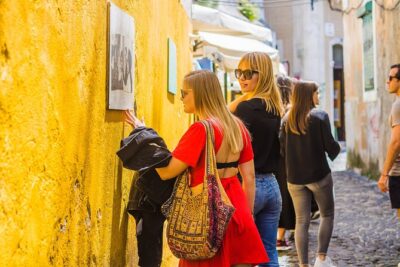 ★ 5.0Winner 2025 Undiscovered Lisbon Food & Wine Tour by Eating EuropeFrom $1256,390 reviews
 ★ 4.9Food and Wine Small Group Walking TourFrom $724,082 reviews
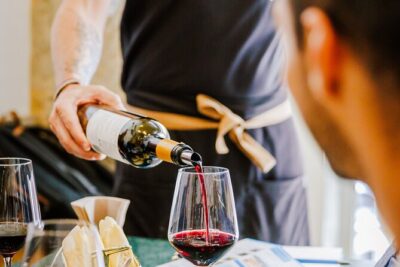 ★ 5.0Lisbon Small-Group Portuguese Food and Wine TourFrom $763,972 reviews
 ★ 4.9Baixa District Food Tour with Dinner and DrinksFrom $931,997 reviews
 ★ 5.0Lisbon Small-Group Food Tour with 18 Tastings in Alfama DistrictFrom $1261,967 reviews
 ★ 5.0Devour Lisbon: The Ultimate Portuguese Food TourFrom $951,782 reviews
 ★ 5.0Lisbon Food Tour with 10+ Tastings of Local Delicacies & WinesFrom $971,339 reviews
 ★ 5.0Award-Winning Original Lisbon Food Wine Tour: 19 Curated TastingsFrom $1371,288 reviews
Browse the lists this tour appears in