
Reviewed · ÉVORA DAY TRIPS
Évora Private Tour – Cork Factory Visit Included
Évora feels like a time machine. This private day trip links Lisbon’s Tagus bridges with UNESCO-listed Évora and a cork factory visit near the city, so you get both scenery and stories in one smooth route. I especially like how the day is organized for comfortable, one-group pacing, and how the guides (I’ve seen names like Paula and Francisco, Catarina, and Maria Magdalena) bring the place to life with patience and humor. One thing to plan for: two of the big sights have tickets that are not included, so you’ll want a little extra budget for entrances.
You’re also not stuck with a rigid checklist. The tour is private, pickup is offered, and your guide can adapt timing and stops to your needs, which matters when you’re walking the steep, narrow lanes of old Évora for hours.
In This Review
- Key Points You’ll Care About
- Lisbon’s Tagus Bridge Stops: A Scenic Reset Before Évora
- The Cork Factory Visit: A Local Start You’ll Actually Remember
- Entering Évora’s Walled Center: Giraldo Square to Roman Remains
- Exploring Évora’s Sacred and Civic Stops in One Efficient Flow
- Igreja de São Francisco: Gothic-Manueline Grandeur With Maritime Symbolism
- Chapel of Bones and Sé Cathedral: Two Very Different Kinds of Intensity
- Chapel of Bones (Paid Admission)
- Sé Cathedral (Paid Admission)
- Aqueduct, Gardens, and Fake Ruins: What Makes Évora Feel Like a Place
- Private Format and Real Guide Energy (Paula, Catarina, Maria Magdalena)
- Price and Value: What $287.09 Covers and What You Should Budget
- Who This Évora Private Tour Suits Best
- Should You Book This Évora Private Tour?
- FAQ
- How long is the Évora private tour?
- Is pickup offered?
- Is this tour private?
- Does the tour include a cork factory visit?
- Are admission tickets included for all stops?
- Is there a mobile ticket?
- What are the operating hours?
- Can I cancel and get a full refund?
- Is it suitable for most people?
Key Points You’ll Care About
- Cork factory kickoff near Évora gives your day a local food-and-industry start before the monuments
- Walled UNESCO Évora means you’re walking through a real open-air museum, with squares, churches, and Roman remains
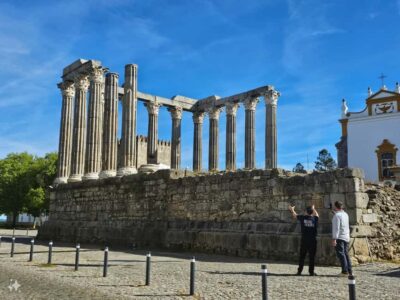
- Diana’s Temple (Roman Temple) shows up in the public square area, making it easy to connect the layers of time
- Igreja de São Francisco mixes Gothic-Manueline design with maritime-era symbols
- Bones Chapel + Sé Cathedral deliver two very different “wow” moments, with paid admission for each
- A private group car and adaptable timing help you move at a sensible pace for 8 hours
Lisbon’s Tagus Bridge Stops: A Scenic Reset Before Évora
Before Évora’s medieval streets, the trip gives you a Tagus River passage and big-bridge views that help you change gears. You’re out of central Lisbon for the day, but you’re not thrown into a full-day drive without something to look at. One bridge is described as completed in 1966 and often compared in design concept to major suspension bridges; it’s a photo magnet and a quick way to spot why Lisbon’s waterways matter to Portugal’s movement and trade.
Then, on the way back, you get another Tagus estuary crossing—this one opened in 1998, timed for the lead-up to EXPO 98, and described as the longest bridge in Europe at more than 12 kilometers. Even if you’re not chasing photos, these crossings help you understand the geography behind the itinerary: Lisbon is coastal and immediate, but Évora sits inland, shaped by roads, rivers, and the way people and goods moved.
If you’re the type who likes a clean start and a clear finish, these bridge moments are a nice buffer. They also keep the day from feeling like only “ride, walk, ride.”
Out to the plains: more Évora and Alentejo trips
- Évora and Megaliths Full-Day Tour from Lisbon
★ 4.7 · 456 reviews - From Lisbon: Évora and Monsaraz with Regional Wine Tasting
★ 4.7 · 345 reviews - Évora and Monsaraz with Regional Wine Tasting from Lisbon
★ 4.5 · 229 reviews - Private Day Tour With Guide to Évora and Monsaraz
★ 5.0 · 134 reviews
The Cork Factory Visit: A Local Start You’ll Actually Remember
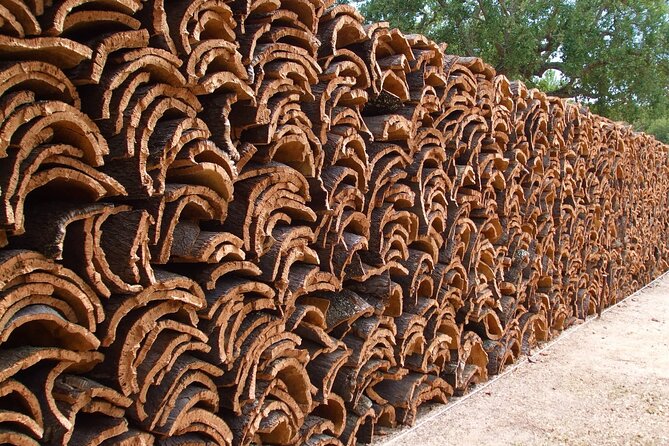
The day begins with a cork factory stop near Évora. That detail is more than a novelty: cork is one of Portugal’s signature materials, and Alentejo is a key region for the cork industry. Starting here means you’re not only seeing old stones—you’re getting a feel for the modern economy that still shapes life around Évora.
Practically, this stop works well because it breaks up travel time. You get a short, structured activity early, then you shift into walking in the historic center afterward, when your feet and attention are ready.
If you tend to skip factory-style stops on tours, I get it. But this one is included on purpose, and it pairs well with the rest of the day: after learning about materials and craft, the religious art, stonework, and architecture in Évora feel more “human-scale” and less like museum pieces.
Entering Évora’s Walled Center: Giraldo Square to Roman Remains
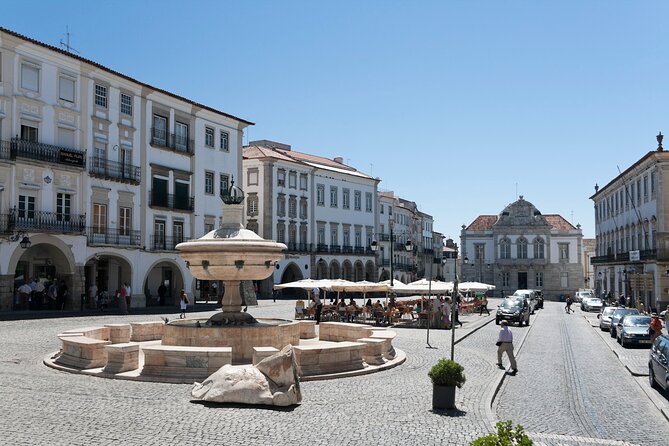
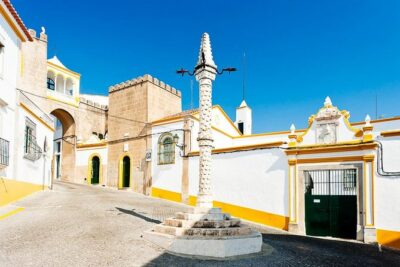
Once you reach Évora, the experience becomes a slow stroll through layers. Évora’s historic center is described as a UNESCO World Heritage Site—an open-air museum—so you’re not doing a single timed attraction. You’re walking through a place where Roman, medieval, and early modern Portugal all occupy the same narrow streets.
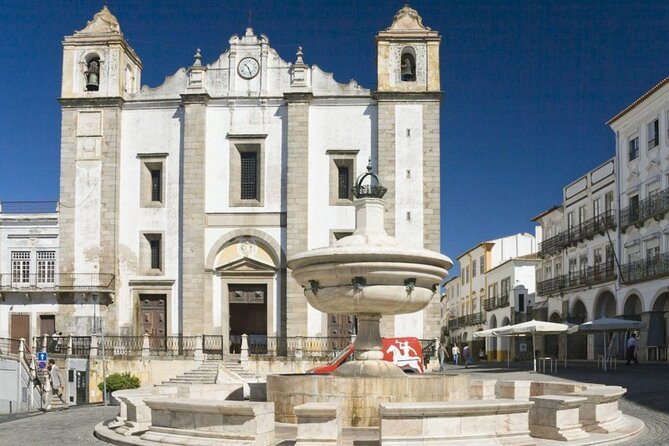
A key moment is the area around Giraldo Square, one of the best starting points in the center. From there, you can orient yourself quickly: narrow lanes funnel you toward churches and viewpoints, while squares give you breathing room. That matters because Évora is not flat and easy. You’ll want to keep your pace realistic and use the guide’s timing help.
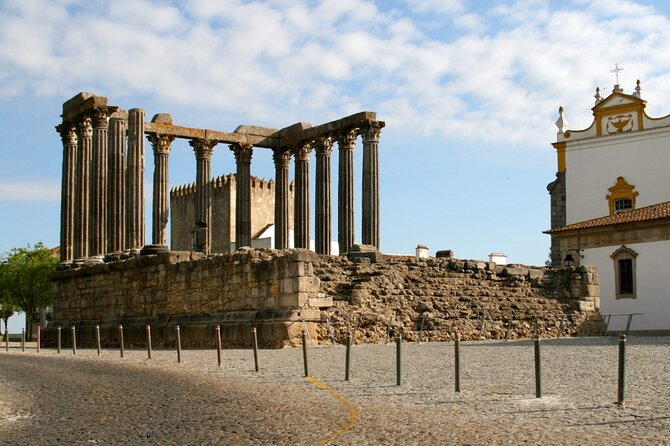
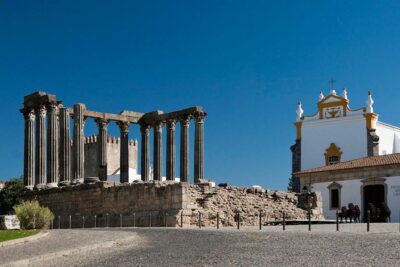
One standout sight is the Roman Temple, also known as Diana’s Temple. The description places it as roughly 2,000 years old and notes its link to Augustus and the venerated god concept during and after his rule. What makes it useful on a guided day is that you’re not just staring at ruins—you’re getting the context of why it was placed where it was: in the main public square area at the time.
Even if you don’t consider yourself a Roman-architecture person, this stop helps you connect the city’s importance. Évora wasn’t just a medieval religious hub; it had public power much earlier, and the urban layout still reflects that.
Exploring Évora’s Sacred and Civic Stops in One Efficient Flow
After the Roman anchor, the tour keeps moving through major city highlights without turning it into a sprint. You’re guided through Évora’s center with time built in for wandering between key points, so you can pause for photos or simply watch daily life unfold in the lanes.
The overall emphasis includes:
- the city’s public garden area
- the Fake Ruins concept
- D. Manuel Palace
- opportunities for museum time (depending on what you want to prioritize)
- and a route along the Água de Prata Aqueduct toward fields and back into town
I like this approach because it prevents “only the postcard stops” syndrome. The Fake Ruins and garden time are the kind of detours that make a place feel lived-in rather than staged. And the aqueduct is a practical, visual lesson in how water shaped where people built and farmed.
One caution: these extra sights can mean extra walking. The tour is designed to adapt, but if you know your limits—stairs, hills, or long pavement stretches—tell your guide early. You’ll enjoy Évora more when you’re not rushing through it.
Worth a look before you lock anything else in around Lisbon:

Igreja de São Francisco: Gothic-Manueline Grandeur With Maritime Symbolism
The visit to Igreja de São Francisco is the kind of stop that rewards attention. This church is described as having Gothic-Manueline architecture, built between 1480 and 1510 by masters of the period, and decorated by royal painters. That combination—design + decoration + royal-era context—makes the nave feel like it has a mission.
What I find especially valuable on this tour is the explanation of why the church looks the way it does. The description points out symbols of the Order of Christ and emblems tied to founding kings D. João II and D. Manuel I. It also links those symbols to Portugal’s maritime expansion era, so you’re not just admiring craft—you’re understanding the ideology and power behind the art.
There’s also a story element: Gil Vicente is said to have been buried here in 1536 (according to tradition). If you like when tours connect a building to a person and a time, this is a good moment.
Practical tip: since this stop is about architecture and symbolism, give it more than a quick glance. Stand where the nave lines up best and spend a minute letting the details settle.
Chapel of Bones and Sé Cathedral: Two Very Different Kinds of Intensity
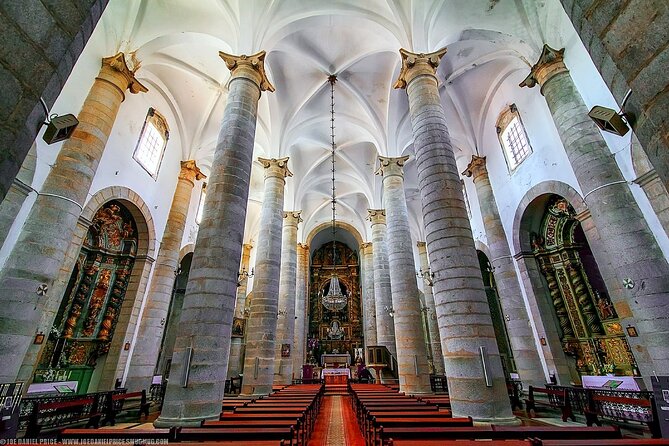
Évora doesn’t do everything in one mood. Two of its most discussed sites land in the middle of the day: the Chapel of Bones and the Sé Cathedral.
Chapel of Bones (Paid Admission)
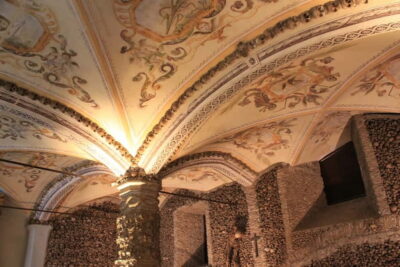
The Chapel of Bones is built in the 16th and 17th centuries and was created where friars’ dormitories once stood. It’s based on the idea of making you reflect on the brevity of life through the bones displayed across the walls and vaults.
The tour description includes the famous motto above the porch: We bone that we are here, for your hope. That line is simple, but it’s powerful in context—especially because it forces you to shift from sightseeing into thinking.
If you have a low tolerance for dark-themed art or medical anatomy displays, this is the one stop you might want to treat gently. Also, it’s specifically listed as admission not included, so budget for entry.
Sé Cathedral (Paid Admission)
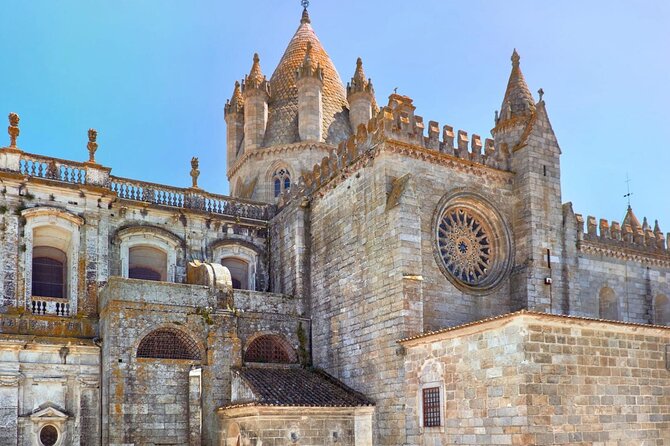
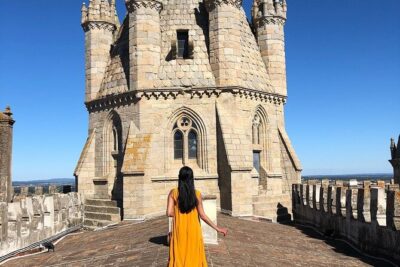
Next comes the Cathedral of Évora (Sé de Évora), begun in 1186 and consecrated in 1204, later completed in 1250. The description highlights the transition from Romanesque to Gothic, marked by three “ships” (naves).
This is a different kind of intensity. Instead of shock via bones, you get an architectural timeline you can see in stone. The cathedral is a “sight-to-see” stop, and it’s listed with paid admission as well.
For most people, the best strategy is to treat Sé Cathedral as a posture break from the most heavy content, then use the cathedral’s size and structure to reset your attention before continuing with outdoor or lighter stops.
Aqueduct, Gardens, and Fake Ruins: What Makes Évora Feel Like a Place
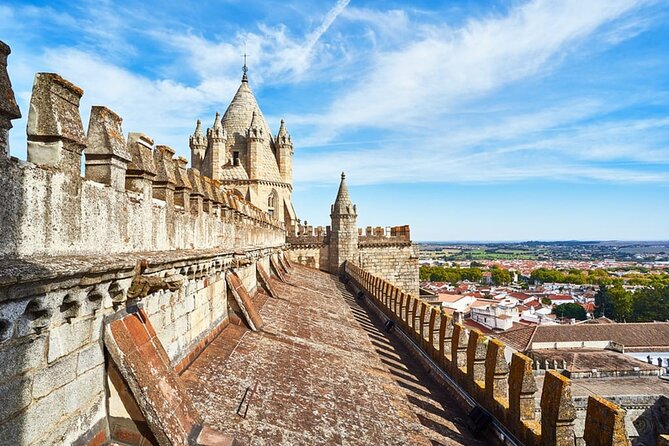
After the major monuments, the tour aims to show you Évora beyond the “must-see” label. The public garden gives you an easy pause where you can cool down, rehydrate, and let your brain process everything you just saw.
The Fake Ruins are another smart inclusion. It’s the kind of sight that tells you Évora didn’t just preserve the past—it curated ideas about the past too. That playful element helps the day feel balanced rather than solemn all the way through.
Then there’s the Água de Prata Aqueduct. The description frames it as a route from the fields back to the city, which makes a difference. Aqueducts aren’t just background architecture; they show how water networks supported settlements and agriculture. Seeing it in motion—toward fields and then returning—helps you understand how people lived outside the walls, not only inside them.
If you’re deciding what photos to take, prioritize the aqueduct angle where you can see it extending toward open space. It’s one of those views that makes the town’s planning click.
Private Format and Real Guide Energy (Paula, Catarina, Maria Magdalena)
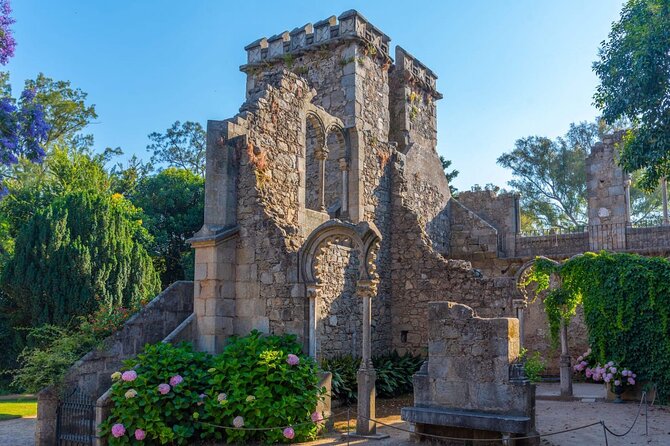
The private setup is one of the biggest value levers here. It’s listed as a private tour/activity, meaning only your group participates. That matters because Évora rewards an unhurried pace. When you’re not sharing the day with random pacing styles, you can pause when something catches your eye—or skip something if your energy level drops.
The reviews associated with this tour style highlight guide personality as a major win. Names that show up include Paula and Francisco (friendly, suggests the tour, and keeps it enjoyable), Catarina (funny, attentive, and described as great), and Maria Magdalena (sympathetic, patient, and knowledgeable). That kind of guide energy is not just nice. In a city like Évora—where streets are narrow and details are layered—it helps you navigate without stress and actually learn while you walk.
Also, the tour is described as adaptable: suggested timings and stops can be adjusted if you tell the guide what you want. If you want more time around squares and viewpoints, do it. If you’d rather focus on church architecture and Roman remnants, do that too.
One practical note: you’ll be on the move for about 8 hours (approx.), so it’s a full day. Plan to eat something before you head out, and bring water. Évora’s streets can make you forget hydration in the middle of a great conversation.
Price and Value: What $287.09 Covers and What You Should Budget
The price listed is $287.09 per person for about 8 hours. For a private day from Lisbon that includes a cork factory stop plus multiple major Évora sights, that cost can feel reasonable—especially when you compare it to the cost of doing a one-off private vehicle plus separate admissions and ticketed entries.
Here’s what you can expect included vs. extra, based on the tour details provided:
- Some stops are marked admission ticket free, including the Évora village time and the main Évora center walking blocks
- The Chapel of Bones is listed as admission not included
- The Sé Cathedral is listed as admission not included
So your biggest budgeting variable is entry fees for those two sites. If you want to avoid surprises, set aside a small extra amount for both.
Also consider what you get besides “tickets”: pickup offered, a private group day, and a guide who handles the flow. That’s often where the value hides. You’re paying for less decision-making on your side.
Who This Évora Private Tour Suits Best
This is a strong fit if you want:
- a full day with structure but room to breathe
- guided context for major monuments like Diana’s Temple, Igreja de São Francisco, and Sé Cathedral
- a mix of the sacred, the Roman, and the industrial (cork factory)
- private comfort instead of joining a bigger group
It’s also a good choice if you like cities where walking feels like reading a book: squares, churches, and water infrastructure tell the story in different ways.
If your ideal day is only “one museum, then lunch, then home,” this might feel like more than you want. Évora is active and layered, so you’ll do best with a mindset of steady exploration rather than stopping only for the top two photos.
Should You Book This Évora Private Tour?
I’d book it if you want an organized, guided Évora day that balances big monuments with practical context—and includes a cork factory stop that connects Portugal’s present to the historic city. The private format and guide personality (names like Paula and Francisco, Catarina, and Maria Magdalena) are exactly the sort of details that make the day feel friendly, not rushed.
Skip booking only if you strongly dislike darker exhibits like the Chapel of Bones or you don’t want to handle paid admissions for it and Sé Cathedral. If those sound fine, you’ll likely come away feeling you truly understood Évora, not just photographed it.
FAQ
How long is the Évora private tour?
It’s listed as about 8 hours (approx.).
Is pickup offered?
Yes, pickup is offered.
Is this tour private?
Yes. It’s a private tour/activity, so only your group participates.
Does the tour include a cork factory visit?
Yes. A cork factory visit near Évora is included as the first stop.
Are admission tickets included for all stops?
Not for every site. The Chapel of Bones and the Cathedral of Évora are listed as admission ticket not included. Other stops are listed as admission ticket free.
Is there a mobile ticket?
Yes, the tour includes a mobile ticket.
What are the operating hours?
It’s listed as 8:30 AM to 5:00 PM, Monday through Sunday, for the period shown (03/23/2023 to 06/18/2026).
Can I cancel and get a full refund?
Yes. Free cancellation is allowed up to 24 hours in advance for a full refund. If you cancel less than 24 hours before the start time, the amount paid is not refunded.
Is it suitable for most people?
The tour notes that most travelers can participate.
More Tours in Lisbon
- Lisbon City Center Tour – The Unmissable Lisbon★ 5.0 · 22,234 reviews
- Lisbon: History, Stories and Lifestyle Walking Tour★ 4.8 · 10,902 reviews
- True 4Hour Private Tuk Tuk Tour: Discover Lisbon with a Local!★ 5.0 · 8,008 reviews
- Winner 2025 Undiscovered Lisbon Food & Wine Tour by Eating Europe★ 5.0 · 6,390 reviews
- Lisbon: Sintra, Pena, Cabo da Roca, Cascais Tour with Pickup★ 4.8 · 5,445 reviews
More Tour Reviews in Lisbon
- Lisbon City Center Tour – The Unmissable Lisbon★ 5.0 · 22,234 reviews
- Lisbon: Sintra, Pena, Regaleira, Cabo da Roca & Cascais★ 4.7 · 19,656 reviews
- Lisbon Card: 24, 48, or 72-Hour Pass★ 4.5 · 17,944 reviews
- Lisbon: Jerónimos Monastery Entrance Ticket★ 4.1 · 14,164 reviews
- Lisbon: History, Stories and Lifestyle Walking Tour★ 4.8 · 10,902 reviews
Out to Évora and the Alentejo
- Évora and Megaliths Full-Day Tour from Lisbon★ 4.7 · 456 reviews
- From Lisbon: Évora and Monsaraz with Regional Wine Tasting★ 4.7 · 345 reviews
- Évora and Monsaraz with Regional Wine Tasting from Lisbon★ 4.5 · 229 reviews
- Private Day Tour With Guide to Évora and Monsaraz★ 5.0 · 134 reviews
- From Lisbon to Alentejo: Évora and Megaliths Full-Day Tour★ 4.5 · 131 reviews
Just in: fresh Lisbon reviews from the team




Évora Day Trips, compared.
 ★ 4.7Évora and Megaliths Full-Day Tour from LisbonFrom $94456 reviews
 ★ 4.7From Lisbon: Évora and Monsaraz with Regional Wine TastingFrom $97345 reviews
 ★ 4.5Évora and Monsaraz with Regional Wine Tasting from LisbonFrom $132229 reviews
 ★ 5.0Private Day Tour With Guide to Évora and MonsarazFrom $212134 reviews
 ★ 4.5From Lisbon to Alentejo: Évora and Megaliths Full-Day TourFrom $108131 reviews
 ★ 5.0Tour Évora and Alentejo in a private tourFrom $169124 reviews
 ★ 4.5From Lisbon to Alentejo: Évora and Megaliths Full-Day Group TourFrom $96111 reviews
 ★ 4.7Évora (w/ Cathedral & Bones), Cartuxa & Cork FactoryFrom $10597 reviews
Browse the lists this tour appears in