
Reviewed · CASCAIS & ESTORIL TOURS
Cascais: Open Water Swimming
Sea breathing lessons beat anything on land. In Cascais, you get coached open-water swimming with a clear plan: safety first, then calm your body and work your technique while taking in the Bay of Cascais views. The tour also teaches practical ways to manage that spike of nerves you can get when you’re suddenly in the sea.
I especially like the way the guide focuses on breathing and anxiety management—not just how to move through water, but how to stay steady when conditions feel bigger than you. Second, I like the hands-on feedback loop: you swim, the guide watches, and you get photos and video you can use to improve afterward.
One consideration: a wetsuit is not included, and you’ll be swimming in open water where temperatures, currents, and jellyfish/seaweed all matter.
In This Review
- Key Points You Should Know Before You Go
- Meet at Praia da Duquesa: Safety Briefing in Real Conditions
- Breathing and Anxiety Control: The “Calm Down, Then Swim” Approach
- The Acclimatization Swim: Nearby Practice Before the Real Coast
- Learning Weather and Currents So the Route Makes Sense
- Cascais Coast Swimming: Panoramas, Photo Stops, and Real Technique Coaching
- Cold-Water Reality Check: Marine Life and Wetsuit Planning
- Price and Value: What $70 Gets You Beyond a Dip
- Who This Swim Fits Best (And Who Should Think Twice)
- Book It or Skip It: My Practical Verdict for Cascais
- FAQ
- Where do I meet the guide?
- How long is the tour, and how much time is spent swimming?
- Is a wetsuit provided or rented?
- What’s included in the tour price?
- How does the tour handle changing weather and sea conditions?
- What swimming distance should I expect?
- What languages are the guides available in?
- What’s the refund policy if I need to cancel?
Key Points You Should Know Before You Go
- Small-group coaching (max 10 people) so you’re not just “left floating.”
- Breathing + anxiety tools so the sea feels more manageable.
- Weather and current awareness so you understand why the swim route changes.
- Up to 1 hour of swimming time plus an acclimatization swim nearby first.
- Technique feedback with photos and video to help you improve fast.
- Minimum 1.5 kilometers so it’s real open-water practice, not a quick dip.
Meet at Praia da Duquesa: Safety Briefing in Real Conditions
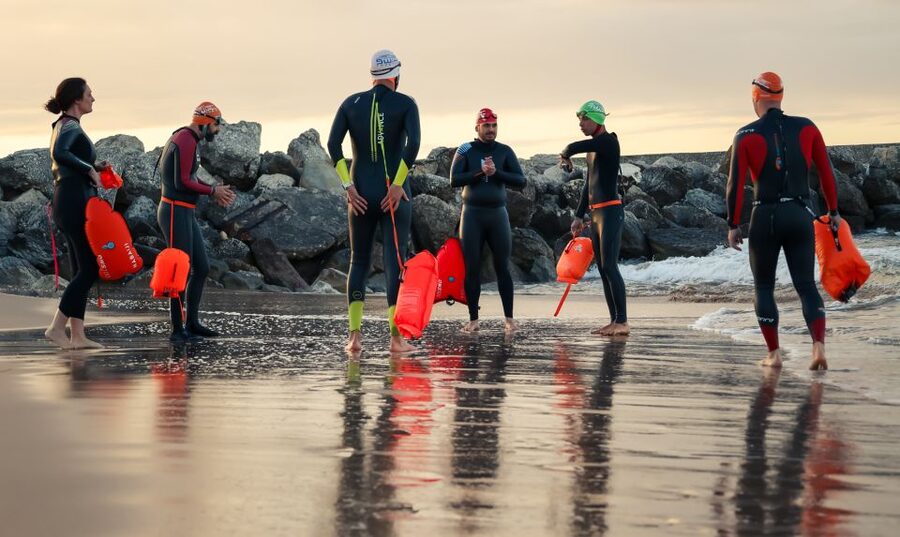
This swim starts at Praia da Duquesa, right at the public car park next to the beach access stairs. The local meeting address is Alameda Duquesa de Palmela 29, which makes it easier to find if you’re using maps in Lisbon’s usual messy way. Expect a quick “how this works” moment before anyone heads into the water.
The guide’s first job is safety, and that’s not a box-check. You’ll get a clear briefing that sets the tone for the whole session: how you’ll enter, what you’ll do if you feel off, and how the group stays together. Since open-water conditions can shift, this early grounding helps you stop guessing and start listening.
After that, you’ll do a brief warm-up on-site. This matters because you’re not just warming muscles—you’re training your mind to switch from land pacing to sea rhythm. I like that the tour doesn’t assume you’ll figure it out once you’re already wet.
Down the coast: other Cascais and Estoril days
- Surf Experience in Cascais
★ 5.0 · 423 reviews - Cascais: Sunset Boat Trip with Welcome Drinks
★ 4.7 · 248 reviews - Cascais: Dolphin Watching Speedboat Tour
★ 4.9 · 156 reviews - Cascais: Local Surf Experience
★ 4.9 · 135 reviews
Breathing and Anxiety Control: The “Calm Down, Then Swim” Approach
Open-water swimming can feel intimidating fast. Even if you’re a decent pool swimmer, sea conditions change how your body responds: wind, chop, and the feeling of water moving under you. What I like here is that the coaching treats that fear response as normal, then gives you tools to work with it.
The session includes techniques for breathing and anxiety management, aimed at keeping your breathing steady even when you get that momentary jolt. Instead of pushing you to “tough it out,” the guide helps you use breathing as a lever—so you spend energy on swimming, not panic.
That also connects to how you’ll practice after the initial acclimatization swim. Once you’ve tried the water nearby first, you can apply the breathing tools with less mental shock. In my view, that’s the difference between a fun challenge and an experience that leaves you with a bad taste in your mouth.
The Acclimatization Swim: Nearby Practice Before the Real Coast
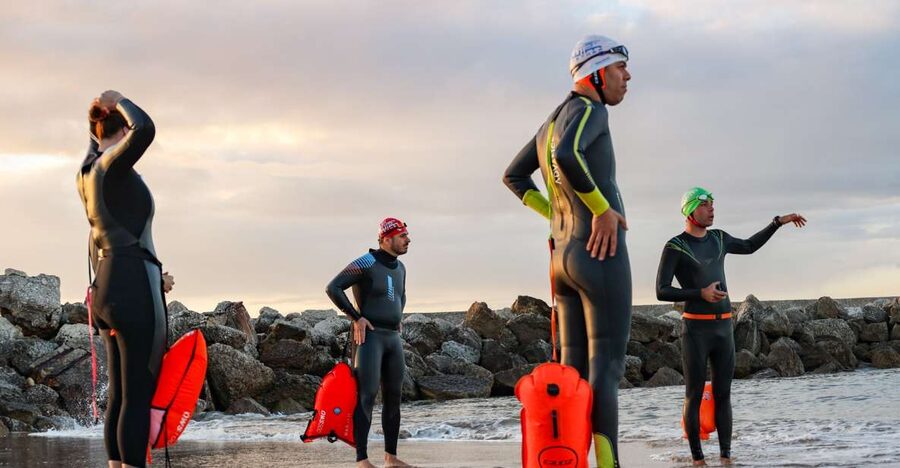
Right after the warm-up, you’ll do an acclimatization swim in the nearby area before the main coastal adventure. This is a smart step for anyone who’s new to open water, and even for stronger swimmers who just don’t know what this specific sea feels like.
During the acclimatization part, you’re basically doing a “body check.” You find your pace, figure out your breathing rhythm, and learn how the water moves relative to your strokes. You’re also getting your confidence calibrated—because the sea rarely matches what your brain predicts.
This section is also where the guide can spot small things that snowball later: body position, breathing timing, and how you react when you feel a little exposed. The goal isn’t to turn you into a different swimmer in one hour; it’s to get you swimming safely and efficiently while staying relaxed.
Learning Weather and Currents So the Route Makes Sense
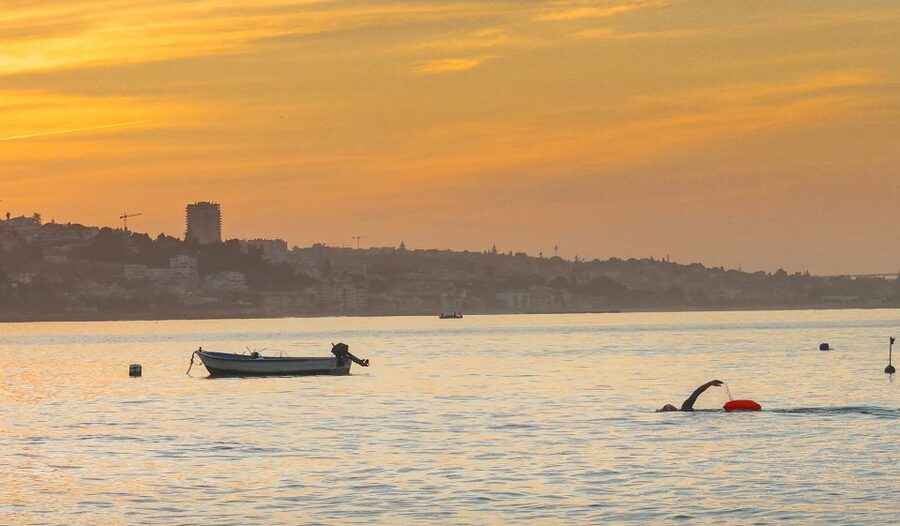
One of the most valuable parts of the tour is that you don’t just go into the water—you learn how to think about the conditions. The guide covers how to check the weather and understand currents so you know what you’re dealing with and why swim locations can change.
In open-water swimming, currents and wind aren’t trivia. They affect effort, stability, and how long you can stay comfortable. When you understand the basics, you’re less likely to panic and more likely to swim smart: hold a pace you can sustain, respect what the water is doing, and adjust without losing control.
You also learn that daily itineraries are examples. The actual swim spots and distances vary depending on local weather and sea conditions. That variability is normal here, and the tour handles it by staying flexible instead of forcing the same plan no matter what the water is like.
You’ll use a swim buoy, which helps you stay visible and makes it easier to swim with the guide’s supervision in mind. It’s a small piece of gear, but it changes the entire vibe—you feel more grounded and less like you’re on your own.

Cascais Coast Swimming: Panoramas, Photo Stops, and Real Technique Coaching
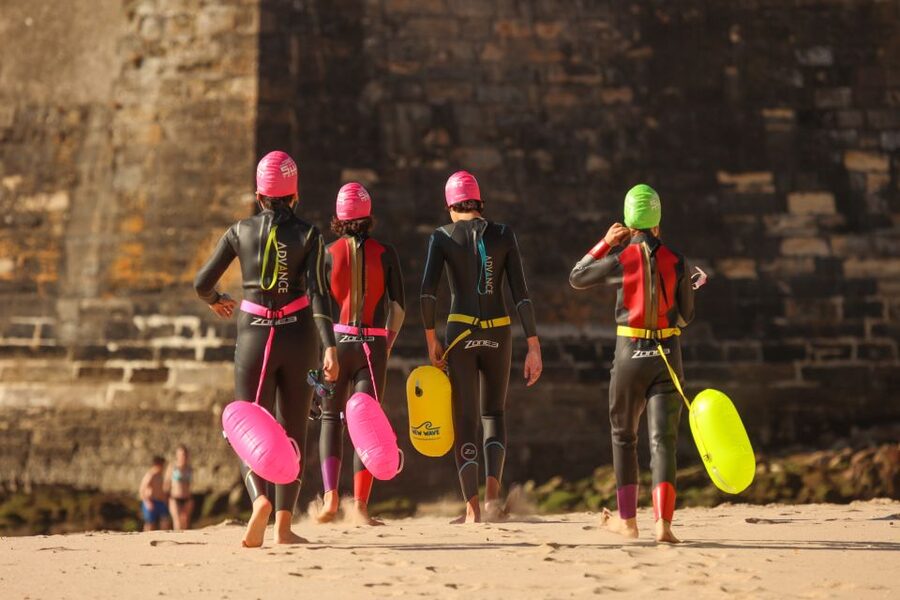
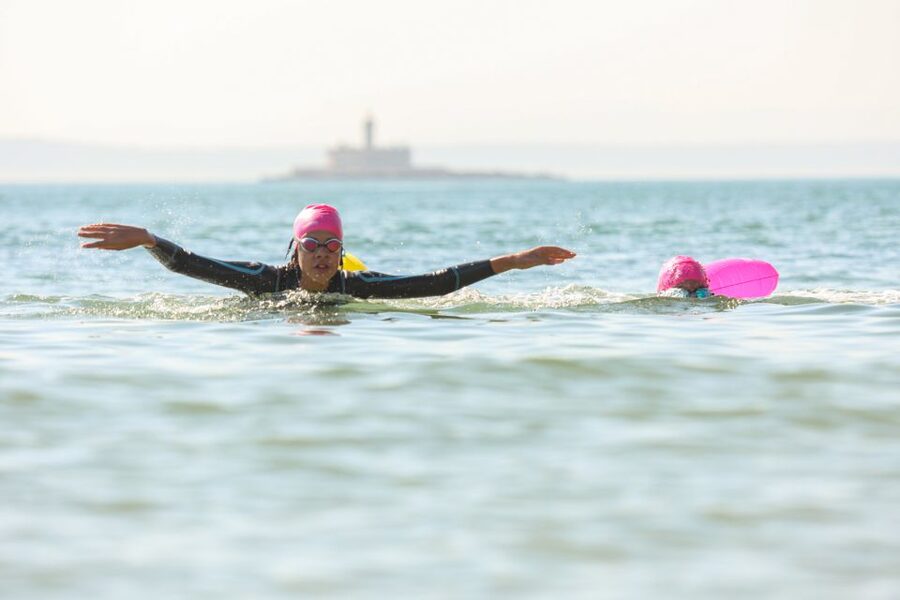
The heart of the experience is up to 1 hour of swimming time along the Cascais coast, with panoramic views of the Bay of Cascais. You’re not just staring at the water; you’ll get scenic views and even a photo stop during the session. That matters because open-water swimming becomes easier when you have something visual and grounded to focus on besides your breathing count.
The guide stays with you and provides feedback while you swim. You’ll also get photos and videos to review later, which is a big deal if you want to improve your technique. A lot of swim coaching ends when you climb out. Here, the feedback continues after the session, when you can actually see what happened.
One detail I appreciate: the tour isn’t vague about effort. You should know that tours will swim a minimum of 1.5 kilometers. That means you’re getting authentic open-water practice, not a slow “float and pose” event.
Also, the group stays small—limited to 10 participants—so coaching stays personal. In a bigger group, you’d often just follow and hope. Here, the guide can actually watch what you’re doing and adjust instruction based on what you need.
Cold-Water Reality Check: Marine Life and Wetsuit Planning
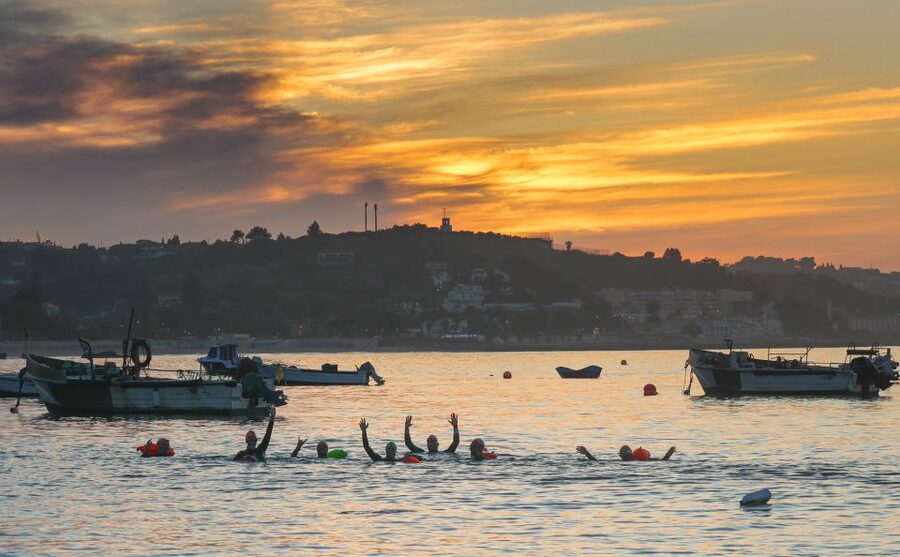
Open water comes with nature’s extras. You should be aware of marine life such as jellyfish, sea urchins, and seaweed. That doesn’t mean you’ll have a problem, but it’s smart to treat the sea as a real ecosystem, not a swimming pool substitute.
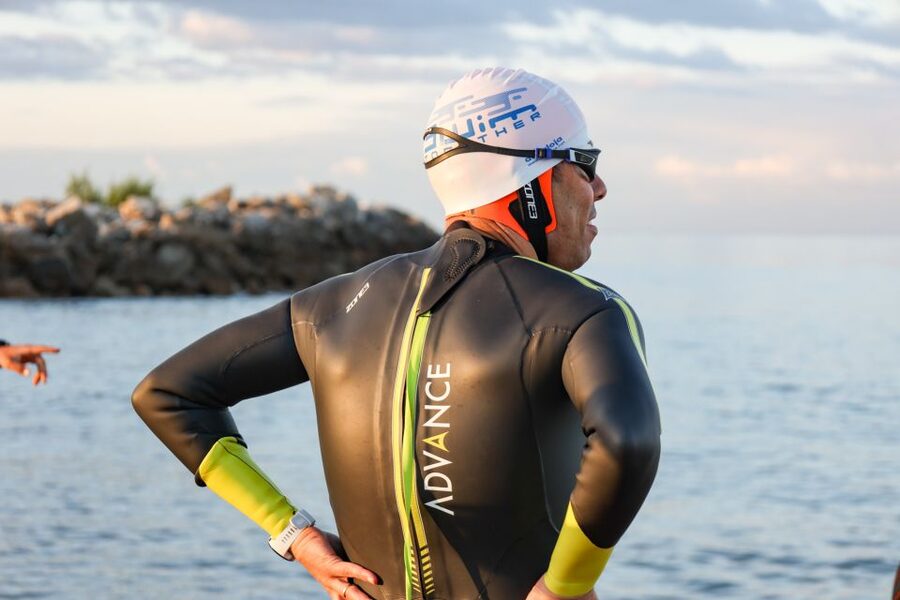
You’ll also be swimming where conditions can change, which affects how cold you feel and how your body reacts. Since a wetsuit rental is not included, you’ll want to plan ahead if you think you’ll feel the cold. Even if you’re comfortable in water, open-water chop and wind can make the experience feel colder than expected.
My practical advice: wear swim gear that won’t snag easily, and keep your focus on pacing and breathing rather than fighting the water. If you go in thinking “I’ll just muscle through,” you’ll burn energy fast. If you go in thinking “I’ll stay calm and work with conditions,” the whole swim becomes more enjoyable.
At the end, you’ll warm up with a hot mug of tea. That simple finish is more meaningful than it sounds. It helps you transition from sea-mode back to normal and gives you a quick reset before you head out.
Price and Value: What $70 Gets You Beyond a Dip
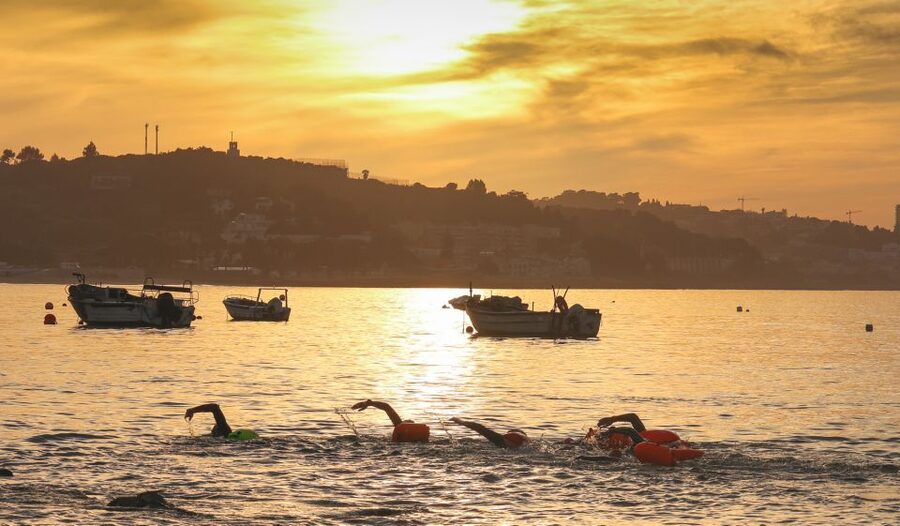
At $70 per person for a 1-hour experience, the price only makes sense if you’re getting more than a basic shoreline swim. Here, you are.
You’re paying for a professional local guide, small-group coaching (max 10 people), and included safety/comfort essentials like a swim buoy and swim cap. You’re also getting personal accident insurance, which is important when you’re choosing water activities. Then there’s the training value: breathing and anxiety techniques, weather/current awareness, and ongoing feedback during the swim.
The photos and video push this toward “coaching you can review,” not just a memory. That’s where you can translate the experience into improvement for your next swim, whether that’s another open-water session or even better pool technique.
If you’ve done open-water swims that felt random—jump in, hope for the best, leave quickly—this feels like a structured lesson. You’re not just sightseeing from the water. You’re learning how to do the thing safely and with more confidence.
Who This Swim Fits Best (And Who Should Think Twice)
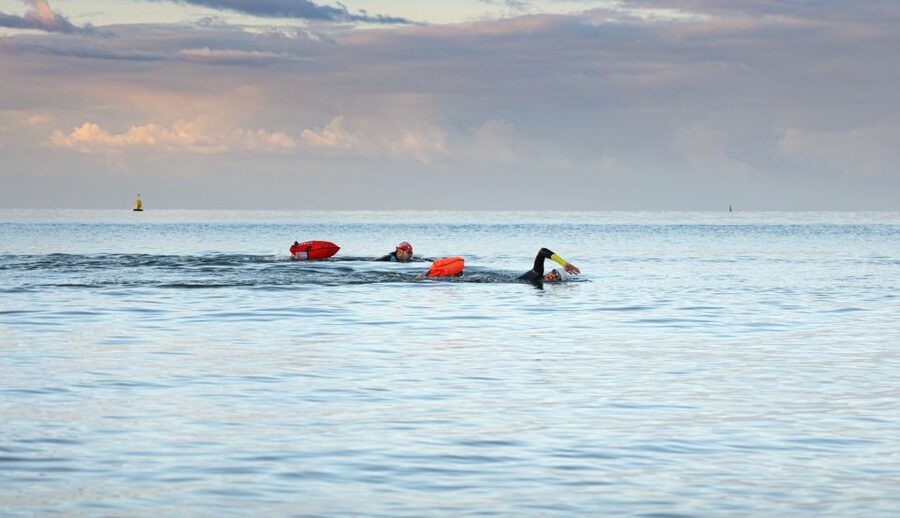
This tour is best for people who want open-water swimming with actual instruction, especially if you’re working through nerves or you want a smoother, calmer approach. The coaching on breathing and anxiety management is tailor-made for the moment when the sea suddenly feels bigger than expected.
It’s also a good match if you want real feedback you can review later. The guide’s coaching plus the photos/videos give you a tangible way to see what you did, not just how it felt.
If you’re someone who wants a totally casual, no-instruction beach swim, you might find this more structured than you expect. And if you’re sensitive to cold water or you don’t have a wetsuit and plan to get one, consider that carefully, because the tour is still open water with real conditions.
Names like Tudor and Pedro show up in the kind of feedback people give about this tour—expert advice and encouragement are part of the story. That lines up with the way the session is designed: you’re meant to feel coached, not abandoned.
Book It or Skip It: My Practical Verdict for Cascais
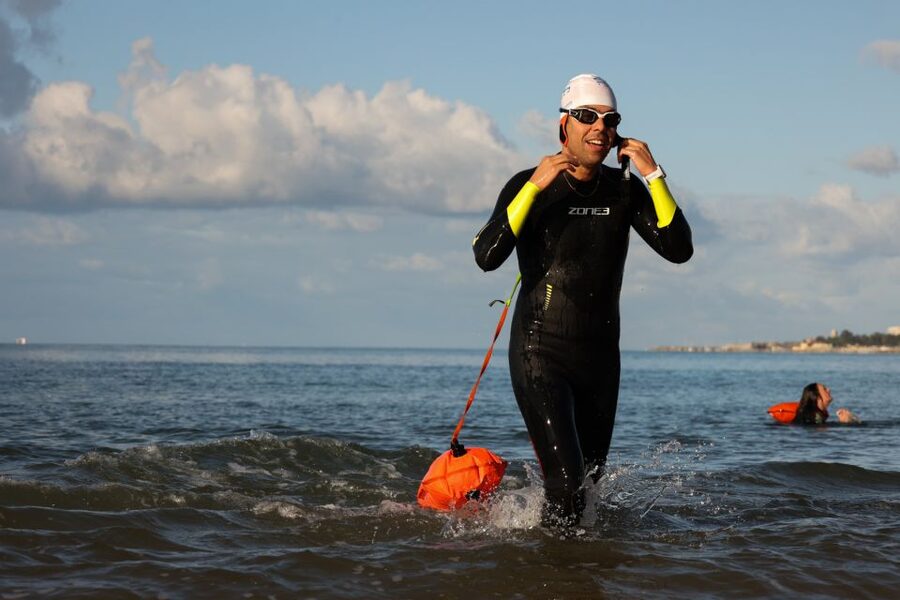
If you’re curious about open-water swimming and you want confidence you can actually use—breathing tools, weather/current awareness, and technique feedback—this is a strong choice. You’ll get up to 1 hour of swim time, a minimum 1.5-kilometer session goal, and a guide who keeps safety and calm front and center.
I’d book it if you care about learning, not just doing. I’d think twice if you don’t plan for cold water and you’re uncomfortable with the idea of marine life like jellyfish or seaweed in the area.
If your dream vacation includes spending time in the water while still feeling safe and supported, Cascais open-water coaching is a very good use of your Lisbon-region time.
FAQ
Where do I meet the guide?
Meet your guide in the public car park at Praia da Duquesa, next to the beach access stairs.
How long is the tour, and how much time is spent swimming?
The duration is 1 hour, and you get up to 1 hour of swimming time (including an acclimatization swim nearby before the main swim).
Is a wetsuit provided or rented?
No. Wetsuit rental is not included.
What’s included in the tour price?
Included items are personal accident insurance, an experienced local guide, a swim buoy, swim cap, and photos and videos. You also get a hot mug of tea at the end.
How does the tour handle changing weather and sea conditions?
Daily swim locations and distances can vary based on local weather and sea conditions, and the guide helps you understand currents and conditions for the safest, best swim.
What swimming distance should I expect?
The tour includes swimming a minimum of 1.5 kilometers.
What languages are the guides available in?
The live tour guide is available in English, Portuguese, and Spanish.
What’s the refund policy if I need to cancel?
You can cancel up to 24 hours in advance for a full refund.
More Tour Reviews in Cascais
- Surf Experience in Cascais★ 5.0 · 423 reviews
- Cascais: Sunset Boat Trip with Welcome Drinks★ 4.7 · 248 reviews
- Lisbon: Sintra Private Day Trip with Pena Palace & Wine Tasting★ 5.0 · 226 reviews
- Cascais: Dolphin Watching Speedboat Tour★ 4.9 · 156 reviews
- Cascais: Local Surf Experience★ 4.9 · 135 reviews
Along the Coast to Cascais
- Surf Experience in Cascais★ 5.0 · 423 reviews
- Cascais: Sunset Boat Trip with Welcome Drinks★ 4.7 · 248 reviews
- Cascais: Dolphin Watching Speedboat Tour★ 4.9 · 156 reviews
- Cascais: Local Surf Experience★ 4.9 · 135 reviews
- Cascais Deep-Sea Fishing Trip★ 4.9 · 94 reviews
Just in: fresh Cascais reviews from the team


Cascais & Estoril Tours, compared.
 ★ 4.7Sintra, Pena, Regaleira, Cabo da Roca & CascaisFrom $2319,656 reviews
 ★ 4.7Sintra, Pena, Regaleira, Cabo da Roca, and CascaisFrom $2110,147 reviews
 ★ 5.0Sintra and Cascais Small-Group Day Trip from LisbonFrom $607,018 reviews
 ★ 4.8Sintra, Pena, Regaleira, Cabo Roca Coast & CascaisFrom $236,499 reviews
 ★ 4.8Sintra, Pena, Cabo da Roca, Cascais Tour with PickupFrom $585,445 reviews
 ★ 4.8Sintra, Pena, Regaleira, Cabo & Cascais TourFrom $644,326 reviews
 ★ 5.0Small Group Tour to Sintra, Pena Palace, Cabo Roca and CascaisFrom $673,559 reviews
 ★ 5.0Sintra to Cascais: 2 Palaces, 4 Sites, Small Group 10 Hour TourFrom $1203,105 reviews