
Reviewed · LISBON TUK-TUK TOURS
4h/half-day Lisbon Tuk Tuk Tour with a local
Lisbon is made for quick, rolling lookouts. This 4-hour private tuk tuk tour with a local gives you a fast, practical map of the city, from downtown squares up through hillside views, then out toward Belém’s iconic waterfront.
What I like most is the way the route strings together meaning. You don’t just see sights—you get the thread tying them to Lisbon’s history, like why the Tagus, the hills, and the old quarters matter. I also love the private, flexible feel: guides (I saw names like Joana, Mariana, Fernando, and Diogo in past experiences) communicate clearly, point out what to notice, and will pause for photos when you ask.
The main thing to keep in mind is that this is a whirlwind. Even though you’ll pass famous places, some paid stops (like inside Belém monuments) may be only a quick walk-by or photo stop depending on timing, and snacks and pastry visits cost extra.
In This Review
- Key highlights you’ll feel right away
- Price and what you actually get for $126
- Meeting at Praça dos Restauradores and riding the city like a local
- Downtown Lisbon: Monument to the Restauradores and Rossio’s nerve center
- Miradouro Das Portas do Sol: the east-side view over the Tagus
- Miradouro Da Senhora do Monte: chapel-front panoramas
- Feira da Ladra: a flea market moment for atmosphere
- The National Pantheon and Santa Engrácia: a stop that adds depth
- Alfama: Lisbon’s oldest neighborhood plus a genjinha taste
- Fado Museum: understanding the vibe behind the songs
- Casa dos Bicos and José Saramago’s connection
- The Ribeira de Lisboa story: earthquake-era reality
- Praça Luís de Camões and Portuguese pavement artistry
- Bairro Alto and Príncipe Real: bohemian streets and romantic gardens
- São Pedro de Alcântara and the two-terrace viewpoint vibe
- Jardim da Estrela (and the Basilica area): an English-garden-style pause
- Chiado’s squares and opera-house grandeur
- Cais do Sodré and Time Out Market: food hall energy near the river
- LXFactory and the Coach Museum: Lisbon’s industrial-to-creative shift
- Belém: Pastéis, Jerónimos, Tower viewpoints, and the Discoveries monument
- Pastéis de Belém: the one paid stop that’s usually worth planning
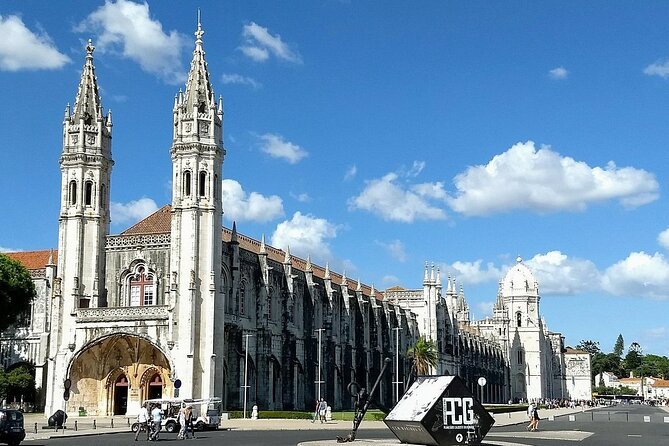
- Jerónimos Monastery: the Monumental backdrop
- Belém Tower and the Discoveries Monument: sometimes photos only
- Extra Lisbon texture: São Bento, Carmo ruins, and Estrela’s royal-baroque edge
- Guides and the “private” difference: why people rave about the narration
- Who this tour fits best (and who should choose something else)
- Should you book this Lisbon tuk tuk tour?
- FAQ
- How long is the Lisbon tuk tuk tour?
- Is pickup available, and where is the meeting point?
- Is this a private tour?
- What’s included in the price?
- What is not included (and what costs extra)?
- Does the tour require good weather?
- Where are some of the main sights you’ll stop at?
Key highlights you’ll feel right away
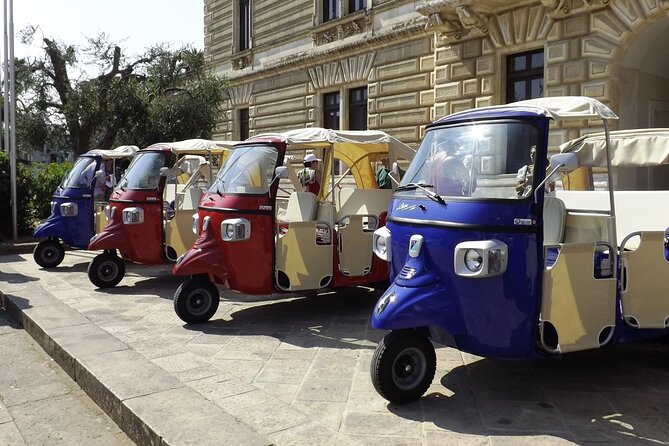
- Fast orientation: you’ll get downtown to hilltops in one half-day loop, perfect for a first visit
- Photo-friendly pacing: guides can stop on demand so you don’t miss the angles
- Iconic Lisbon viewpoints: Portas do Sol, Senhora do Monte, and São Pedro de Alcântara show the city like a postcard
- Alfama and fado context: you’ll see the neighborhood’s old fabric and where fado lives at museum level
- Belém hits without the long lines: Jerónimos Monastery area, Belém Tower views, and the Discoveries monument from outside
- Local character breaks: you’ll pass a flea market stop (Feira da Ladra) and the classic genjinha drink moment
Price and what you actually get for $126
At $126 for a half-day private tuk tuk tour (about 4 hours including transport), you’re paying for two things: a driver/vehicle that makes steep streets easier, and a local guide who helps you understand what you’re seeing.
If you’re traveling solo, it can feel like a premium versus walking plus a transit day. If you’re 2–3 people, it usually feels more reasonable, because you’re not sharing the van-like experience with strangers, and the guide can pace around your interests—photos, viewpoints, and short stops for atmosphere.
Also note what’s not included: snacks and the famous Pastéis de Belém purchase, plus paid entries for Belém Tower and the Padrão dos Descobrimentos are not included. Many stops along the way don’t require paid admission (some viewpoints are free), but you should still budget for that one sweet stop if it matters to you.
The hills done the easy way, more tuk-tuk runs
- True 4Hour Private Tuk Tuk Tour: Discover Lisbon with a Local!
★ 5.0 · 8,008 reviews - Lisbon: Private Guided Tuk-Tuk Tour with Hotel Pickup
★ 4.9 · 4,552 reviews - Private Lisbon Sightseeing Tuk-Tuk Tour: Alfama, Belém & More
★ 5.0 · 4,277 reviews - Lisbon Highlights: Private Tuk Tuk Tour Adventure Sightseeing
★ 5.0 · 3,284 reviews
Meeting at Praça dos Restauradores and riding the city like a local
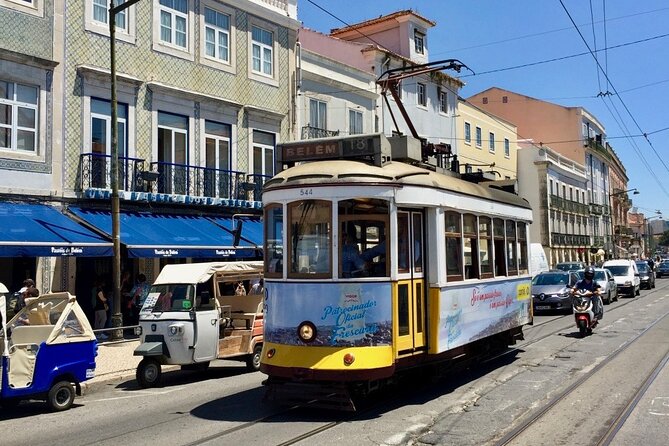
The tour starts at Praça dos Restauradores (24, 1250-187 Lisboa) and ends back there. That matters because it keeps logistics simple: you begin in a central area, and you’re not forced to figure out a second “end here” location.
Because it’s a private tour, your group stays together the whole time. That lets your guide adjust timing if you want an extra photo angle at a lookout or if someone needs a short break. You also get a mobile ticket, and pickup is offered, so you’re not stuck trying to navigate Lisbon’s streets on your own before the fun begins.
You’ll also want to dress for the city’s micro-climates. Lisbon can be calm at street level and breezy on the miradouros (viewpoints), and your tuk tuk rides between them can feel cooler than you expect.
Downtown Lisbon: Monument to the Restauradores and Rossio’s nerve center
Your first major cultural stop is at the Monument to the Restauradores, a tall obelisk (about 30 meters) inaugurated on April 28, 1886. It commemorates Portugal’s liberation from Spanish rule on December 1, 1640. The practical value here is that it gives you a “why” behind Lisbon’s monument-heavy city center. You start noticing how the city marks turning points.
Next comes Praça de D. Pedro IV, better known as Rossio (old spelling Rocio). Rossio is one of Lisbon’s classic downtown squares and has historically acted like a city nerve center. On a tuk tuk route, this kind of stop is gold because it helps you ground your bearings—after the ride starts climbing, you’ll remember where you began and where the main axes of town run.
If you like architecture and religious sites, this early part of the tour also includes the seat of the Patriarchate of Lisbon and the parish connection to the Cathedral area, which helps explain why Lisbon’s religious landmarks are woven into daily geography.
Miradouro Das Portas do Sol: the east-side view over the Tagus
Next you hit a viewpoint stop: Miradouro Das Portas Do Sol. This is a veranda-like viewpoint, and it’s known for one of those “how is the city this steep and still this pretty?” views—especially looking over Lisbon’s eastern part and out toward the Tagus River.
This stop works especially well on a tuk tuk tour because you’re not hunting for the right viewpoint alone. Your guide places you at a spot where you can actually take photos and understand the view in one go, rather than just snapping and moving on.
The entry note here is simple: the viewpoint is listed as free.
Worth a look before you lock anything else in around Lisbon:


Miradouro Da Senhora do Monte: chapel-front panoramas
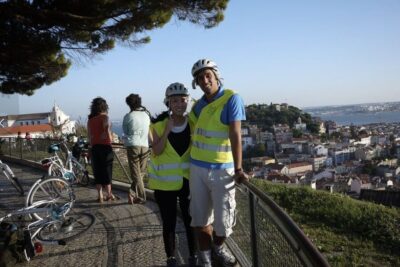
Then comes Miradouro Da Senhora Do Monte, located in front of the Chapel of Nossa Senhora do Monte. This viewpoint tends to feel wider and more layered: you can see toward São Jorge Castle and downtown, toward the Tagus estuary, and also out across areas like Bairro Alto and Avenida Almirante Reis.
If you’ve ever looked at Lisbon photos and wondered why the neighborhoods look stacked, this is where it clicks. The hills, valleys, and river aren’t random—they shape how Lisbon grew.
This viewpoint is also free, and the guide’s timing typically gives you a short window to take it in without feeling rushed for the next climb.
Feira da Ladra: a flea market moment for atmosphere
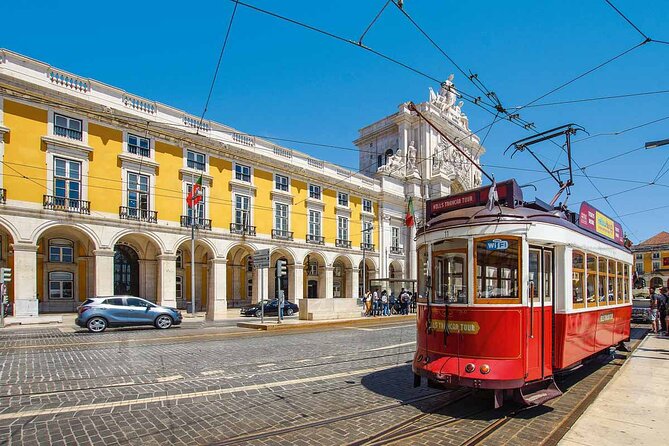
You’ll also pass by Feira da Ladra, Lisbon’s popular flea market. Even if you don’t plan to browse deeply, it adds local texture to the day—Lisbon isn’t only monuments and tiles.
Just keep your expectations realistic. With a half-day schedule, it’s more of a sight-and-sense stop than a full market expedition.
The National Pantheon and Santa Engrácia: a stop that adds depth
You’ll visit the National Pantheon, installed in the Church of Santa Engrácia. This isn’t just another church stop—this is tied to a specific historical moment (created by decree in 1836), and seeing it on the route helps you understand how Lisbon honors national figures in major sacred spaces.
If you want one “culture brain” break in the day—this is it. Don’t expect a long museum-style experience, but you’ll get enough context from your guide to make the architecture feel intentional rather than random.
Alfama: Lisbon’s oldest neighborhood plus a genjinha taste
Alfama is where the tour really turns into the Lisbon most people dream about. It’s described as the oldest and one of the most typical neighborhoods in the city, and for good reason. The whole area feels like it grew sideways—narrow streets, layers of history, and viewpoints that seem built for storytelling.
The tour also includes time to try ginjinha (genjinha), Lisbon’s famous cherry liqueur. This is one of those small moments that makes the day feel human, not like you’re racing through a checklist. Even if you’re not a liqueur person, it’s worth trying once for the cultural signal.
Alfama also connects you to fado. The day includes the Fado Museum in the Alfama area, which gives context for the genre and the guitar-fado universe without requiring a full evening show.
Fado Museum: understanding the vibe behind the songs
The Fado Museum stop helps you “read” the music. Instead of treating fado like a random souvenir performance, you’ll understand how it’s presented and where it fits into Lisbon’s identity. That makes later nights in Alfama (if you go out) feel more personal.
As with much of this tour, keep in mind the day’s pacing. It’s best used as a highlight pass that sets your understanding, not a replacement for a deep museum afternoon.
Casa dos Bicos and José Saramago’s connection
One of the more interesting buildings on the route is Casa dos Bicos. It’s historic and currently linked to the Museum of Lisbon, plus it’s the headquarters of the José Saramago Foundation.
This kind of stop is valuable because it expands your definition of Lisbon beyond medieval and maritime. It signals Lisbon as a living cultural city—literature included—so you leave with a broader picture.
The Ribeira de Lisboa story: earthquake-era reality
You’ll pass Ribeira de Lisboa, once an old quarter destroyed by the 1755 earthquake and seaquake. It housed shipyards, including ancient medieval terçenas, later called Ribeiras das Naus.
It’s not the most cheerful topic, but it’s essential. If you want to understand why Lisbon’s shoreline feels the way it does, this is where the “Lisbon resilience” idea becomes concrete.
Praça Luís de Camões and Portuguese pavement artistry
Next comes Praça Luís de Camões, a pleasant open space with trees and stone benches, including the famous Portuguese pavement—that patterned cobblestone style with geometric sea-related motifs (mermaids and caravels). This stop is a reminder that in Lisbon, design shows up at the street level.
It’s also a good reset point. After viewpoints and steep sections, you get a calmer place to stand, stretch, and look around without immediately climbing again.
Bairro Alto and Príncipe Real: bohemian streets and romantic gardens
The tour continues toward Bairro Alto, described as bohemian and alternative in character. That’s a useful contrast after Alfama: two Lisbon identities, two different vibes, both central to the city’s personality.
Then you’ll reach Jardim do Príncipe Real, a romantic-layout garden built in the mid-19th century. These garden stops are more than pretty pauses. They break up the intensity of the day and give your eyes a softer focus before the next lookout.
São Pedro de Alcântara and the two-terrace viewpoint vibe
Later you’ll stop at Miradouro Sao Pedro de Alcantara, tied to the Jardim de São Pedro de Alcântara. It’s a garden built in 1864 on two terraces, which means it’s naturally set up for layered views and photos.
If you like architecture made for strolling, this works well. Your guide can usually help you choose the terrace that best matches the direction of light and the best angle for photos.
Jardim da Estrela (and the Basilica area): an English-garden-style pause
You’ll also pass Jardim da Estrela, later renamed Jardim Guerra Junqueiro, a public garden near the Basilica da Estrela. It’s built in a style of English gardens with romantic inspiration.
This is another “breathing space” stop. In a half-day tour packed with viewpoints, gardens are the places where you can hear the city quietly—at least compared with the main plazas.
Chiado’s squares and opera-house grandeur
The route brings you through Largo do Chiado, plus Armazéns do Chiado (also referred to as Palácio Barcelinhos / Grandes Armazéns do Chiado). You’ll also be near Teatro Nacional de São Carlos, Lisbon’s main opera house.
This portion helps you understand Lisbon as more than old alleyways. Chiado is where the city looks more formal, more urban, and more staged—like a European capital that knows it’s being watched.
Cais do Sodré and Time Out Market: food hall energy near the river
Then you head toward Cais do Sodré, a lively nightlife and gastronomy destination near the river. This is where the tour includes Time Out Market Lisboa at Mercado da Ribeira.
The value here is choice. Even if you don’t eat there, it’s a great way to see what “current Lisbon food culture” feels like in one concentrated place. Since the tour doesn’t include snacks, you can decide on the spot whether you want a quick bite, or just enjoy the atmosphere and keep your appetite for later.
LXFactory and the Coach Museum: Lisbon’s industrial-to-creative shift
You’ll also pass LXFactory in Alcântara, a renovated former industrial area that represents creativity and entrepreneurship with industrial-inspired design.
And you’ll stop at the National Coach Museum, home to a major collection of royal coaches and carriages from the 16th to the 19th centuries. This is one of those stops that can be surprisingly memorable if you like design details, craftsmanship, and “how people used to move through power.”
If time is tight, it may be more of a pass-by highlight than a full museum session, but your guide will point out what’s worth noticing.
Belém: Pastéis, Jerónimos, Tower viewpoints, and the Discoveries monument
This is the part many people are most excited about: Belém’s historic waterfront. The tour makes this stretch work within a half-day by focusing on key exterior moments and short photo stops—then letting you choose where to spend time.
Pastéis de Belém: the one paid stop that’s usually worth planning
You’ll stop for Pastéis de Belém, made starting in 1837 using a recipe linked to the Jerónimos Monastery. You’ll likely be able to buy individual pastries (listed at 1.30€ each) or a box of 6 (7.80€). This is explicitly not included, so I’d treat it like a planned “yes” expense if you want the full Belém experience.
Jerónimos Monastery: the Monumental backdrop
You’ll also see the Monastery of Santa Maria de Belém—better known as Jerónimos Monastery—built at the end of the 15th century by King Manuel I and tied to the Order of São Jerónimo. Even if you don’t go inside, the architecture context makes Belém feel like a destination, not just a snack stop.
Belém Tower and the Discoveries Monument: sometimes photos only
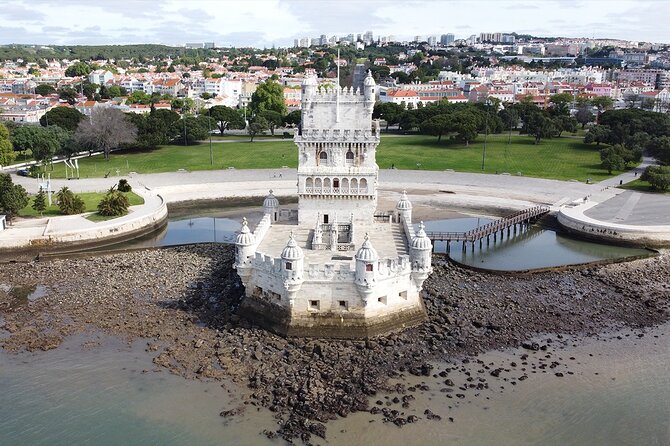
You’ll reach the Torre de Belém (listed entry 6€). Many tours don’t have time for full interior visits, so you might get mostly pictures and a walk around the exterior area.
You’ll also visit Padrão dos Descobrimentos (entry 10€). Same idea: if time allows you go inside, if not, you’ll get a short exterior look and pictures.
I actually like this approach for a half-day tour. It keeps you from wasting time waiting or committing to long entry lines when you still want to see a lot of other Lisbon neighborhoods.
Extra Lisbon texture: São Bento, Carmo ruins, and Estrela’s royal-baroque edge
In the final stretch, the tour also includes stops like the Palácio de São Bento, seat of Portugal’s Parliament since 1834. It’s a neoclassical palace built from an older Benedictine monastery with Mannerist and Baroque features. This helps you see Lisbon as a functioning modern capital with deep roots.
You’ll also pass Largo do Carmo, including the ruins of the Carmo Convent (14th century), where the Carmo Archaeological Museum is currently located.
And you’ll see additional context around the Basilica of Estrela, including its connection to Carmelite nuns and its various church-style names.
Guides and the “private” difference: why people rave about the narration
The biggest praised aspect here is the guide. Past names I’ve seen tied to positive experiences include Joana, Mariana, Fernando, Diogo, and Igor. The common thread is what you want from a city orientation tour: clear explanations, good communication, and patience.
Joana is described as wonderful, with strong communication and helpful stopping for photos and interesting landmarks. Mariana is credited with a kind, tailored approach, plus joy and patience. Fernando gets called out for effort to see everything and take super nice photos, and for speaking Spanish. Diogo stands out for being didactic and fun, connecting Lisbon’s origins to the views and key monuments.
That matters for your day because Lisbon is confusing if you don’t have a story. A good guide turns “lots of stops” into “one coherent walk through Lisbon’s identity.”
Who this tour fits best (and who should choose something else)
This tour is great if:
- You have limited time and want a big-picture orientation
- You like viewpoints and neighborhood character more than long museum marathons
- You prefer a private format where the pace can match your group
- You’re okay with some stops being exterior/photo-based due to the half-day schedule
You might want a different style of tour if:
- You plan to pay for multiple Belém monument interiors and want full access time
- You want long, slow museum time at just a couple of places rather than many highlights
Should you book this Lisbon tuk tuk tour?
I’d book it if you want a smart first run through Lisbon: downtown squares, hillside miradouros, Alfama’s fado-linked identity, then a Belém highlight finish with the famous pastries as an optional budget add-on.
I wouldn’t book it if your #1 goal is deep entry into every monument with zero rush. This is built for seeing a lot, getting context fast, and leaving with where to go next clearly in your head.
If you go, do yourself a favor: pick 1–2 paid Belém moments you truly care about (Belém Tower and/or the Discoveries monument) and treat the rest as photo stops. That way the half-day feels satisfying, not like you missed something important.
FAQ
How long is the Lisbon tuk tuk tour?
It runs for about 4 hours, and that total duration includes transportation.
Is pickup available, and where is the meeting point?
Pickup is offered. The listed meeting point is Praça dos Restauradores 24, 1250-187 Lisboa, Portugal, and the tour ends back at the meeting point.
Is this a private tour?
Yes. It’s a private tour/activity, so only your group participates.
What’s included in the price?
Included features list private transportation, plus a mobile ticket.
What is not included (and what costs extra)?
Snacks are not included. Pastéis de Belém are not included (listed prices: 1.30€ each or 7.80€ for a box of 6). Entry for Belém Tower (6€) and Padrão dos Descobrimentos (10€) is also not included, and there may not be enough time for interior visits on every tour.
Does the tour require good weather?
Yes. The experience requires good weather. If it’s canceled due to poor weather, you’ll be offered a different date or a full refund.
Where are some of the main sights you’ll stop at?
You’ll pass through Lisbon highlights like Rossio, Alfama, viewpoints such as Portas do Sol, Senhora do Monte, and São Pedro de Alcântara, plus major Belém landmarks like Jerónimos Monastery area and stops around Belém Tower and the Discoveries monument.
More Tours in Lisbon
- Lisbon City Center Tour – The Unmissable Lisbon★ 5.0 · 22,234 reviews
- Lisbon: History, Stories and Lifestyle Walking Tour★ 4.8 · 10,902 reviews
- True 4Hour Private Tuk Tuk Tour: Discover Lisbon with a Local!★ 5.0 · 8,008 reviews
- Winner 2025 Undiscovered Lisbon Food & Wine Tour by Eating Europe★ 5.0 · 6,390 reviews
- Lisbon: Sintra, Pena, Cabo da Roca, Cascais Tour with Pickup★ 4.8 · 5,445 reviews
More Tour Reviews in Lisbon
- Lisbon City Center Tour – The Unmissable Lisbon★ 5.0 · 22,234 reviews
- Lisbon: Sintra, Pena, Regaleira, Cabo da Roca & Cascais★ 4.7 · 19,656 reviews
- Lisbon Card: 24, 48, or 72-Hour Pass★ 4.5 · 17,944 reviews
- Lisbon: Jerónimos Monastery Entrance Ticket★ 4.1 · 14,164 reviews
- Lisbon: History, Stories and Lifestyle Walking Tour★ 4.8 · 10,902 reviews
More Hills by Tuk-Tuk
- True 4Hour Private Tuk Tuk Tour: Discover Lisbon with a Local!★ 5.0 · 8,008 reviews
- Lisbon: Private Guided Tuk-Tuk Tour with Hotel Pickup★ 4.9 · 4,552 reviews
- Private Lisbon Sightseeing Tuk-Tuk Tour: Alfama, Belém & More★ 5.0 · 4,277 reviews
- Lisbon Highlights: Private Tuk Tuk Tour Adventure Sightseeing★ 5.0 · 3,284 reviews
- Welcome Lisbon Tour with Local Guide in Private Eco Tuk Tuk★ 5.0 · 1,691 reviews
Just in: fresh Lisbon reviews from the team





Lisbon Tuk-Tuk Tours, compared.
 ★ 5.0True 4Hour Private Tuk Tuk Tour: Discover Lisbon with a Local!From $1088,008 reviews
 ★ 4.9Private Guided Tuk-Tuk Tour with Hotel PickupFrom $1534,552 reviews
 ★ 5.0Private Lisbon Sightseeing Tuk-Tuk Tour: Alfama, Belém & MoreFrom $524,277 reviews
 ★ 5.0Lisbon Highlights: Private Tuk Tuk Tour Adventure SightseeingFrom $843,284 reviews
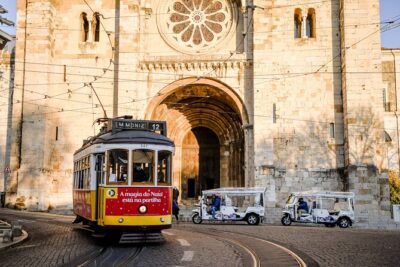 ★ 5.0Welcome Lisbon Tour with Local Guide in Private Eco Tuk TukFrom $171,691 reviews
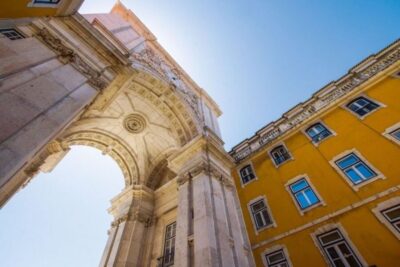 ★ 4.9Private City Tour by Eco Tuk TukFrom $281,215 reviews
 ★ 5.0Old Town TukTuk Tour and Scenic Viewpoints in AlfamaFrom $35974 reviews
 ★ 5.0Explore Lisbon by Tuk Tuk: History and ViewpointsFrom $19840 reviews
Browse the lists this tour appears in