
Reviewed · CASCAIS & ESTORIL TOURS
Walk Tour in Historical Cascais
Cascais tells its story on foot. This historical walk hits the big sights fast: small-group guidance, coastal viewpoints, and the dramatic coast at Boca do Inferno. I like how the route mixes photo-worthy scenery with clear, in-the-moment explanations from guides such as Pedro, who brings extra detail and even turns the walk into a useful plan for what to do next. The only thing to keep in mind is that the stretch to Boca do Inferno can feel long for some people, and if the ocean is calm, the effects of the sea cave may feel less dramatic.
You’ll meet at the Cascais Visitor Center at Praça 5 de Outubro, right in the middle of things, and the tour finishes back there. It runs about 2 hours, you can choose a morning or afternoon departure, and it’s in English with a mobile ticket.
In This Review
- Key highlights worth planning around
- Price and what you actually get for $30.10
- The easy logistics: where you start and how the walk runs
- Town hall square and the statues that set the tone
- Baía de Cascais and the old houses around the bay
- Old fortified walls and narrow roads: the part you’d miss alone
- Citadel history: why those defenses matter
- Marina de Cascais: modern coastline after the old fort feeling
- Santa Marta lighthouse and House of Santa Maria (from outside)
- Boca do Inferno: the sea gets the final word
- Park walk back and an easy return to the start
- Who this tour is best for (and who should skip it)
- Should you book this Historical Cascais walk?
- FAQ
- How long is the Walking Tour in Historical Cascais?
- What is the meeting point for the tour?
- When does the tour end?
- How much does the tour cost?
- Is the tour offered in English, and do I need a ticket on my phone?
- How big is the group?
- Can I choose a morning or afternoon time?
- What major stops are included?
- What fitness level do I need?
- When will I receive confirmation?
- What if the weather is bad or I need to cancel?
Key highlights worth planning around
- Meet at the Cascais Visitor Center at Praça 5 de Outubro for an easy start and finish
- A tight route (about 2 hours) that covers coastal views and old-town streets without dragging
- Pedro-style storytelling that connects monuments and streets to what you’re actually seeing
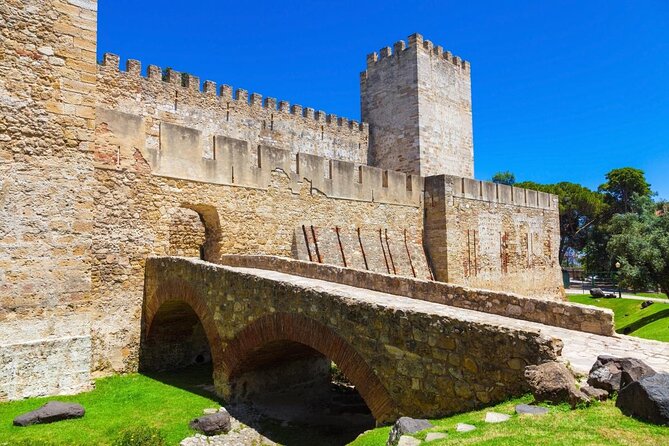
- Fortified old town details, including walls and narrow lanes that explain how Cascais defended itself
- Boca do Inferno plus the park walk, a classic end-of-tour payoff if you have the legs for it
Price and what you actually get for $30.10
At $30.10 per person for roughly 2 hours, this is priced like a “get your bearings quickly” tour. And that’s exactly what it does. For the cost of a decent lunch in Cascais, you’re buying a guided route through the areas that first-timers usually wander into anyway—but with context, pacing, and a plan that helps you avoid the dead ends.
The value isn’t just that you see places. It’s that the walk ties them together: the square statues feed into the civic identity of town, the bay stops explain why Cascais mattered on the coast, and the citadel section gives you a reason to pay attention to walls and angles. If you’re in Cascais for a short stay or you want to feel confident about where everything is afterward, this is a strong use of time.
Down the coast: other Cascais and Estoril days
- Surf Experience in Cascais
★ 5.0 · 423 reviews - Cascais: Sunset Boat Trip with Welcome Drinks
★ 4.7 · 248 reviews - Cascais: Dolphin Watching Speedboat Tour
★ 4.9 · 156 reviews - Cascais: Local Surf Experience
★ 4.9 · 135 reviews
The easy logistics: where you start and how the walk runs
This tour starts at Cascais Visitor Center, Praça 5 de Outubro, and ends back at the same meeting point. That’s a practical setup. You don’t have to figure out transport at the end or build a complicated second plan.
It’s also listed as near public transportation, so you can fold it into a day without stress. The format is a group walk with a cap: it’s described as max 20, and it’s also listed as max 15 in the operator details. Either way, it’s small enough that you’re not lost in a crowd.
You’ll want moderate physical fitness. It’s a walking tour, not a stroll across a flat field, and some legs (especially around the Boca do Inferno area) may take more effort than you expect.
Town hall square and the statues that set the tone
The first stop is the town hall and the square in front, where you’ll see statues of Dom Pedro and Dom Luis. This matters because it tells you what kind of place Cascais is. It’s not only a beach town; it’s also a civic town with leaders and history stamped right into the center.
From a “tour value” perspective, I like starting here. It puts you in the right headspace before you walk toward the bay and the older fortifications. You get a sense of place first, then the coastline stops start to make more sense.
Baía de Cascais and the old houses around the bay
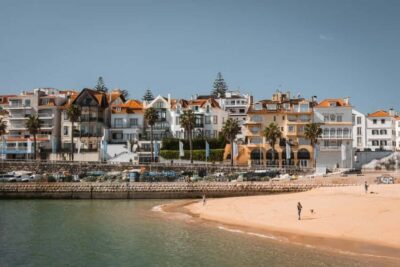
Next you’ll get views of Baía de Cascais and see the older houses clustered around the water. This is where the town’s geography becomes obvious. From the bay, Cascais reads like a working coastline—curved, sheltered, and naturally suited to marine life and trade.
What I’d pay attention to on this section:
- how the waterfront shape influences where buildings sit
- what you can spot from the street level as you look toward the water
- how your guide connects these viewpoints to the town’s past
If you like photo stops, this is one of your best chances early in the walk—before your legs get tired.
Worth a look before you lock anything else in around Cascais:

Old fortified walls and narrow roads: the part you’d miss alone
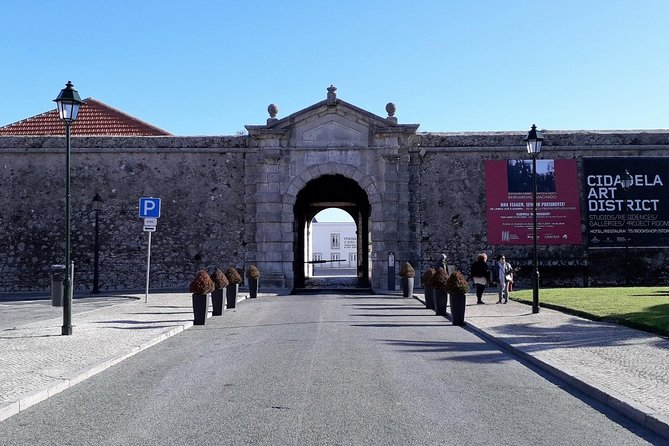
Then the walk shifts into the heart of the old town mood: the wall of the former fortified area and narrow, typical roads. This is the section that rewards slow attention. The streets here aren’t just scenic—they’re functional. Fortified towns grow in patterns that make defense easier, and those patterns show up in how lanes bend and how walls sit along the edges.
This is also where a good guide changes everything. Pedro-type guidance tends to connect what you’re seeing—walls, turns, street widths—with why the town developed that way. You don’t need a map to enjoy it, because the story is happening right in front of you.
Citadel history: why those defenses matter
You’ll visit the citadel and learn its history. Even without a giant “wow” moment described in advance, citadels are useful because they explain the logic of a coastline. Cascais faced the sea. That meant threats could arrive by water, and the defenses had to be close, sturdy, and positioned to control movement.
On this stop, I’d treat it like a mini history lesson you can actually see:
- notice how the citadel relates to the surrounding streets
- look at wall lines and angles
- let the guide’s explanation “attach” to the physical space
This is one of the most praised parts of the experience overall, mainly because it adds real meaning to the walk. Without this, you’d still take pictures—but you’d walk away with less understanding.
Marina de Cascais: modern coastline after the old fort feeling
After the fortified feel, you’ll walk through Marina de Cascais. This is a great pacing trick. You go from defense and narrow lanes to open waterfront activity and a modern shoreline vibe.
If you’re the type who likes contrast, this stop works well. The town doesn’t stay in the past. You see how Cascais uses the same coastline for today’s life—leisure, boats, and that easy seaside rhythm.
Santa Marta lighthouse and House of Santa Maria (from outside)
You’ll see the Santa Marta lighthouse and the House of Santa Maria from outside. This is a “look and learn” stop rather than an inside visit, and that’s perfectly fine. In fact, it helps you keep the tour moving without turning it into a checklist of entrances.
I recommend using these outside viewpoints to spot architectural and coastal details: where the structures sit, how they face the water, and how they frame the coastline from the street side. Even from the outside, your guide’s historical context can make these buildings feel less random and more intentional.
Boca do Inferno: the sea gets the final word
Now comes Boca do Inferno. This is the headline stop for a lot of people because it’s all about dramatic coastal shape and the power of the Atlantic.
Here’s the practical consideration: one of the key limitations is that the walk to Boca do Inferno can be long compared to what you might expect from a “2-hour” label. If you’re sensitive to uphill or longer stretches, pace yourself early and don’t wait until the last minute to slow down.
Also, keep expectations flexible. The sea can be calm or active. If the ocean is quiet, Boca do Inferno may feel more subtle than the postcards suggest. When conditions are better, it hits harder.
Even so, the route usually earns its keep here because you’re not just walking to a single viewpoint. You’ve already built context through the citadel and fortified streets, so Boca do Inferno feels like the natural end of the story: the sea that the town has always had to face.
Park walk back and an easy return to the start
After Boca do Inferno, you’ll visit from outside and walk through the park area near the end of the route. Then the tour finishes back at the meeting point.
This last stretch is useful because it helps you land your thoughts instead of running straight from the most intense sight to the next thing. It’s also a nice buffer if you needed a slower moment during the tougher legs of the walk.
Who this tour is best for (and who should skip it)
This Historical Cascais walking tour fits best if you:
- want a quick overview of old town, bay views, citadel, and coastline
- like learning from a guide as you go, with clear connections between history and what you’re seeing
- enjoy small-group walks and don’t want a huge crowd
I’d think twice if you:
- have limited tolerance for longer walking segments (especially toward Boca do Inferno)
- hate tours where a major stop is partly dependent on weather or sea conditions
It’s ideal for a first afternoon or morning in town. It also works well as a birthday plan or any “we want to do something meaningful but not complicated” outing, since it’s only about two hours and starts and ends at the same place.
Should you book this Historical Cascais walk?
I’d book it if you want the quickest route to understanding Cascais, not just taking pictures. The price is reasonable for a guided two-hour circuit, and the walk is built to make the town feel coherent—from civic square to fortified streets to the citadel and finally the coast.
If you’re short on time in Cascais, this is one of the smartest ways to use it. Choose the morning or afternoon that matches your energy level, wear comfortable shoes, and treat Boca do Inferno as a highlight that can vary with conditions. You’ll still get a solid sense of place even when the ocean isn’t putting on a show.
FAQ
How long is the Walking Tour in Historical Cascais?
It lasts about 2 hours.
What is the meeting point for the tour?
You meet at the Cascais Visitor Center, Praça 5 de Outubro, 2750-320 Cascais, Portugal.
When does the tour end?
The tour ends back at the meeting point.
How much does the tour cost?
The price is $30.10 per person.
Is the tour offered in English, and do I need a ticket on my phone?
Yes, it’s offered in English, and you’ll use a mobile ticket.
How big is the group?
It’s described as a group tour with a maximum of 20 people, and it’s also listed with a maximum of 15 travelers.
Can I choose a morning or afternoon time?
Yes, you can choose a morning or afternoon tour.
What major stops are included?
You’ll see the town hall and square with statues of Dom Pedro and Dom Luis, Baía de Cascais and nearby old houses, the old fortified wall and narrow roads, the citadel, Marina de Cascais, Santa Marta lighthouse and House of Santa Maria from outside, Boca do Inferno, and a park walk.
What fitness level do I need?
The tour calls for travelers with a moderate physical fitness level.
When will I receive confirmation?
Confirmation will be received at the time of booking.
What if the weather is bad or I need to cancel?
The experience requires good weather. If it’s canceled due to poor weather, you’ll be offered a different date or a full refund. You can also cancel for a full refund up to 24 hours in advance.
More Tours in Cascais
- Cascais: Dolphin Watching Speedboat Tour★ 4.9 · 156 reviews
- Cascais: Glamour and Decay by The Lisbon Coastline – Private Tour★ 5.0 · 44 reviews
- Small group tour Romantic Sintra & amazing Cabo da Roca & Cascais – from Cascais★ 5.0 · 37 reviews
- Cascais: Private & Flexible Walking Tour in Historic Center★ 4.7 · 37 reviews
- Cascais: Dolphin Watching Tour★ 4.9 · 32 reviews
More Tour Reviews in Cascais
- Surf Experience in Cascais★ 5.0 · 423 reviews
- Cascais: Sunset Boat Trip with Welcome Drinks★ 4.7 · 248 reviews
- Lisbon: Sintra Private Day Trip with Pena Palace & Wine Tasting★ 5.0 · 226 reviews
- Cascais: Dolphin Watching Speedboat Tour★ 4.9 · 156 reviews
- Cascais: Local Surf Experience★ 4.9 · 135 reviews
Along the Coast to Cascais
- Surf Experience in Cascais★ 5.0 · 423 reviews
- Cascais: Sunset Boat Trip with Welcome Drinks★ 4.7 · 248 reviews
- Cascais: Dolphin Watching Speedboat Tour★ 4.9 · 156 reviews
- Cascais: Local Surf Experience★ 4.9 · 135 reviews
- Cascais Deep-Sea Fishing Trip★ 4.9 · 94 reviews
Just in: fresh Cascais reviews from the team





Cascais & Estoril Tours, compared.
 ★ 4.7Sintra, Pena, Regaleira, Cabo da Roca & CascaisFrom $2319,656 reviews
 ★ 4.7Sintra, Pena, Regaleira, Cabo da Roca, and CascaisFrom $2110,147 reviews
 ★ 5.0Sintra and Cascais Small-Group Day Trip from LisbonFrom $607,018 reviews
 ★ 4.8Sintra, Pena, Regaleira, Cabo Roca Coast & CascaisFrom $236,499 reviews
 ★ 4.8Sintra, Pena, Cabo da Roca, Cascais Tour with PickupFrom $585,445 reviews
 ★ 4.8Sintra, Pena, Regaleira, Cabo & Cascais TourFrom $644,326 reviews
 ★ 5.0Small Group Tour to Sintra, Pena Palace, Cabo Roca and CascaisFrom $673,559 reviews
 ★ 5.0Sintra to Cascais: 2 Palaces, 4 Sites, Small Group 10 Hour TourFrom $1203,105 reviews
Browse the lists this tour appears in