
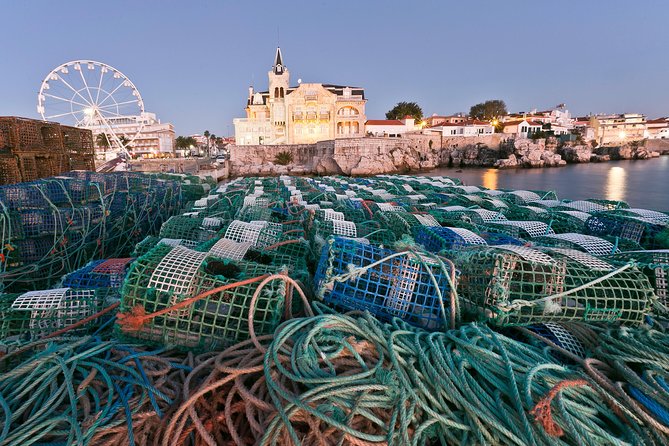
Reviewed · CASCAIS & ESTORIL TOURS
Cascais: Glamour and Decay by The Lisbon Coastline – Private Tour
Cascais has two faces, and this tour shows both fast. You’ll get a private guided walk through a former fishermen’s village where glamour and wear-and-tear live side by side, plus help creating great photos along the coast. I especially like the personal pacing and the way the guide connects each stop to the town’s big story.
I also like that the route mixes classic landmarks with later chapters, including contemporary art stops and elegant seaside mansions. One drawback: you’re doing a steady walking loop with moderate fitness needed, and the tour doesn’t include food, drinks, or transportation between points.
In This Review
- Key Things I’d Book This for
- Why Cascais Feels Like Glamour and Decay at the Same Time
- Value for About $36: What Makes This Tour Feel Worth It
- Getting Oriented: Where You Start and Why It Matters
- Praia da Rainha to Centro Histórico: The Old Town That Explains Everything
- Fortaleza de Nossa Senhora da Luz: Citadel Views With a Contemporary Angle
- Centro Cultural de Cascais and the Sommer House: Architecture You Can Actually Read
- Marina de Cascais: Where the Harbor Legacy Meets Upscale Development
- Casa de Santa Maria and the Lighthouse Museum: Coastal Drama, Then Design Drama
- Museu Condes de Castro de Guimarães: A House That Mixes Styles Like a Storybook
- Marechal Carmona Park: The Soft Landing With Free-Roaming Poultry
- How Your Guide (Luis) Makes the Walk Feel Personal
- Who This Tour Suits Best
- Should You Book This Private Cascais Walk?
- FAQ
- How long is the Cascais private tour?
- Is this a private tour?
- What’s the meeting point?
- Where does the tour end?
- What language is the tour offered in?
- How much does it cost?
- Are admission tickets included for the stops?
- Is food or transportation included?
- What if I’m traveling with children?
- What’s the cancellation policy?
Key Things I’d Book This for
- Praia da Rainha: a photogenic start that sets the tone for Cascais fast
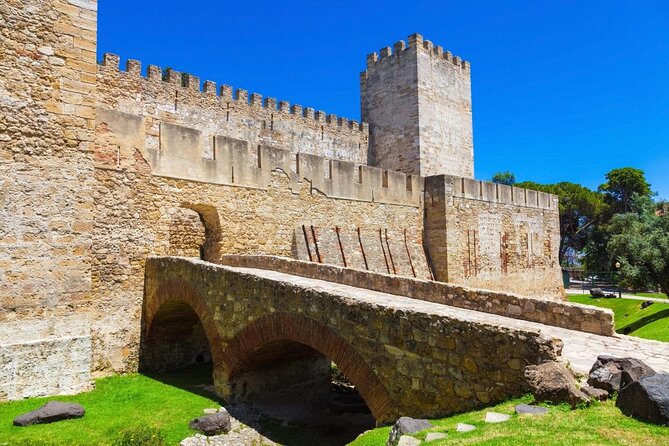
- Citadel landmarks with context, not just names
- Palácio Seixas and Count of Arnoso stories that explain the glamorous shift
- Art and architecture stops (including the Sommer House and Cultural Center)
- Marechal Carmona Park: a true green pause, with poultry roaming freely
Why Cascais Feels Like Glamour and Decay at the Same Time
Cascais is famous for looking polished. But it also wears its history on its sleeve—sea salt, old fortifications, and the residue of a working harbor. That contrast is exactly what makes a guided walking tour worth it: you don’t just see the town. You learn why it looks the way it does.
You’ll also be in a smart coastal setting for a short visit. Cascais sits near Estoril, so during your walk you’ll get those classic Atlantic views without needing a full-day trip. The result: a 3–4 hour experience that feels like a mini-course in how this stretch of Portugal became a magnet for the wealthy and the arts-minded.
Down the coast: other Cascais and Estoril days
- Surf Experience in Cascais
★ 5.0 · 423 reviews - Cascais: Sunset Boat Trip with Welcome Drinks
★ 4.7 · 248 reviews - Cascais: Dolphin Watching Speedboat Tour
★ 4.9 · 156 reviews - Cascais: Local Surf Experience
★ 4.9 · 135 reviews
Value for About $36: What Makes This Tour Feel Worth It
At about $36.04 per person for roughly 3–4 hours, this is priced like a solid local-value tour, not a premium-only experience. You’re paying for three things that add up quickly:
- A professional guide focused on history and architecture
- A professional photographer guide to help you capture the scenery
- A private setup for just your group (max 12 people)
Another value point: the stops listed are marked as free admissions, so you’re not budgeting for entrance fees on top of the tour. What you do need to plan for is your own day outside the route—food and drinks aren’t included, and you’ll need to handle getting there (the tour doesn’t include hotel pickup or transport).
So the cost makes sense if you want context and photo help while walking a compact stretch of town.
Getting Oriented: Where You Start and Why It Matters
You begin at Estação de Cascais. That’s helpful because it’s an easy landmark to find, especially if you’re using public transport. The tour ends at R. Visc. Luz 21 in Cascais, which means you should plan your next step around that location rather than expecting to return to the station.
This also affects how you dress and carry things. Because there’s no included transportation between stops, bring water, comfortable shoes, and a light layer. Timing matters too—if you’re visiting when days are shorter, expect the walk to feel tighter simply because daylight hours are limited.
Praia da Rainha to Centro Histórico: The Old Town That Explains Everything
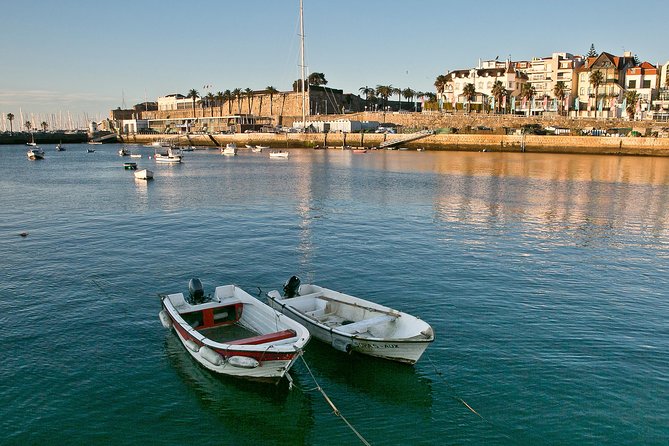
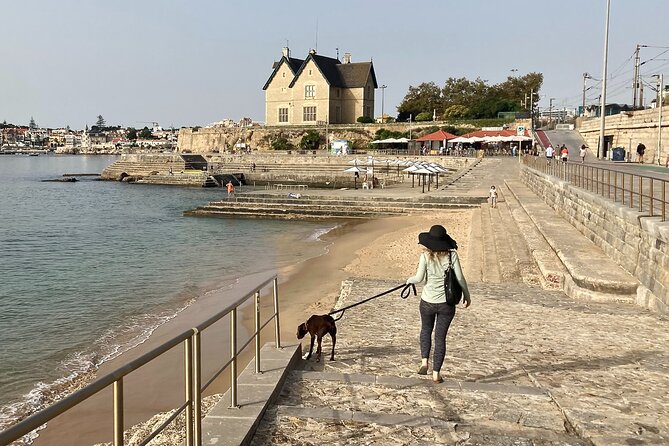
Your tour’s early stops do a good job of setting your mental map. You start with Praia da Rainha, one of Cascais’s most photogenic beaches. The timing is short, but the purpose is smart: you get an intro to the town’s location and its bigger story right away, with the ocean framing the lesson.
From there, you head into the Centro Histórico de Cascais, the former fishermen’s village area. This is where the walking tour earns its keep. Instead of treating the citadel and waterfront as isolated sights, the guide ties them to how the harbor and coastal life shaped what came later.
A quick stop at Palácio Seixas follows, and it’s a key transition point. You’ll hear the idea behind it: how Cascais moved from a small working harbor into a glamorous court town. It’s the kind of explanation that makes later architecture and upscale areas click.
Practical tip: if you want the best photos, take a moment at Praia da Rainha before you keep moving. Once you enter the historic center, you’ll be switching between viewpoints and streets where angles change fast.
Worth a look before you lock anything else in around Cascais:

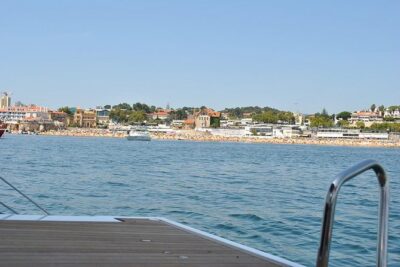
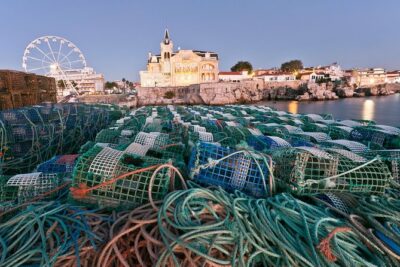
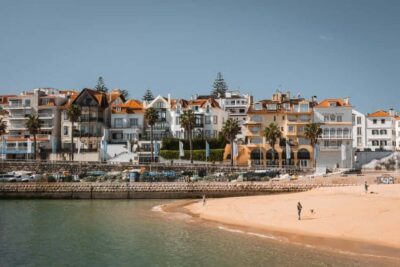
Fortaleza de Nossa Senhora da Luz: Citadel Views With a Contemporary Angle
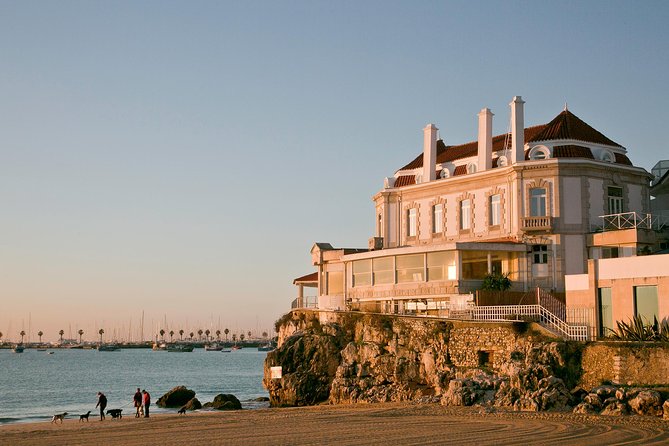
Next up is Fortaleza de Nossa Senhora da Luz. Fortress sights can sometimes feel like museum-only stops. Here, the value is in the balance: you explore historical landmarks, but you also get a sense of how art and contemporary developments have taken root in the same space.
You’ll walk through the citadel area and get that classic mix of strategic walls plus dramatic coastal positioning. Even if you’re not a fortress fanatic, the guide’s framing helps you understand why these structures mattered and how they’re being used now.
Consideration: forts and viewpoints can be windy. Bring a jacket you won’t mind getting tousled by the Atlantic.
Centro Cultural de Cascais and the Sommer House: Architecture You Can Actually Read
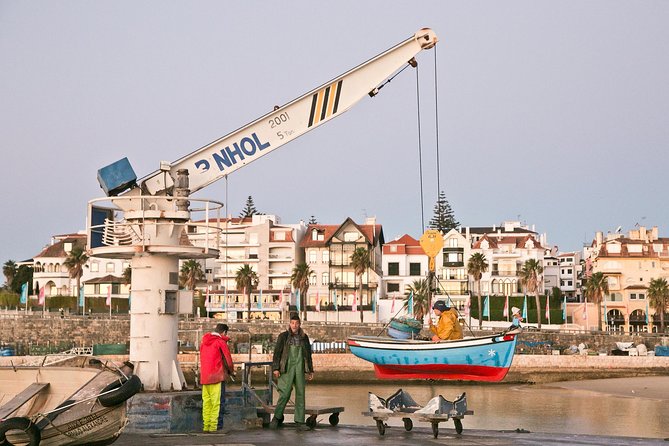
The Centro Cultural de Cascais stop is about more than a building exterior. You’ll get to see the Sommer House and the cultural center around it, with attention on architecture, stories, and the fact that the area has been recently revamped.
This is a strong stop if you like architecture that has layers—structures that show what people valued at different points in time. The guide tends to make the details make sense, so you’re not just staring at shapes. You’re learning how the design connects to the town’s identity.
If you enjoy places where old and new share the same real estate, you’ll appreciate this one.
Marina de Cascais: Where the Harbor Legacy Meets Upscale Development
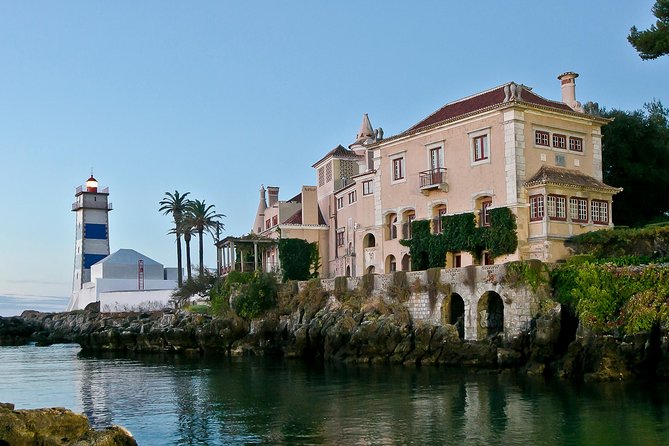
Then it’s Marina de Cascais. This is where the tour shifts from historic heart to the more polished seaside edge. You’ll hear the legacy tied to the Count of Arnoso, and you’ll also get the “how it grew” explanation for the marina story in the outer areas.
It’s an important pivot point because it shows the modernization path. Cascais didn’t just become fashionable. It reorganized space—how people moved, where wealth concentrated, and how the coastline became a stage.
If your mind loves cause-and-effect, this stop is worth lingering on, even though the time on the clock is short.
Casa de Santa Maria and the Lighthouse Museum: Coastal Drama, Then Design Drama
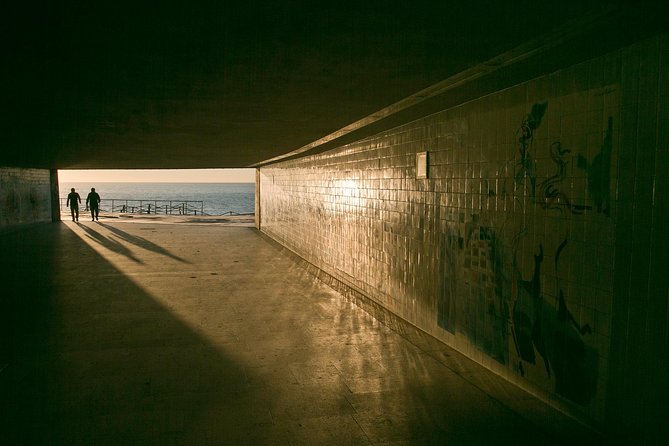
A highlight for many people is Casa de Santa Maria, described as one of the most striking sea-side houses along the coast. What’s useful here is the explanation of the genius of architect Raul Lino—so you’re not just admiring a house. You’re learning the thinking behind it.
After that comes Santa Marta Lighthouse Museum. Lighthouses can feel like “just another landmark” until someone explains how the space works. Here you’ll see the lighthouse’s drama, and the note about its recent revamping matters: the museum isn’t only about old optics and legends. It’s also about how the setting has been refreshed for visitors.
Photo tip: if you’re there on a clear day, the lighthouse area often gives you strong contrast—light against stone, and sea spray patterns that look better than they do in photos.
Museu Condes de Castro de Guimarães: A House That Mixes Styles Like a Storybook
At Museu Condes de Castro de Guimarães, the house itself becomes the lesson. You’ll see a “dream house” sitting between castle and manor. What makes it especially interesting is the mix of styles mentioned for the building’s design—Romanesque, Gothic, Manuelino, and Moorish Revival.
That blend can sound abstract until you’re actually looking at the building. The guide’s job is to make the mixture legible, so you can connect design choices to historical influences and local tastes.
Even with limited time, this is one of those stops that makes you feel you’ve learned something specific. Not just where to go, but how to look.
Marechal Carmona Park: The Soft Landing With Free-Roaming Poultry
You wrap up with Marechal Carmona Park, one of Cascais’s most popular green spaces. It’s described as a romantic garden, and the atmosphere lives up to that label—especially because it’s not sterile. It includes cocks, chickens, and poultry that now roam freely.
This stop is a great change of pace after architecture, forts, and museums. It’s also a reminder that Cascais isn’t only for seawalls and viewpoints. It has everyday nature tucked right in the middle of the tourist flow.
If your legs start to feel it, this is your payoff: a shaded break where you can reset your pace before heading back out on your own.
How Your Guide (Luis) Makes the Walk Feel Personal
A lot of private walking tours are basically “a route with facts.” This one tends to feel closer to a local friend who has spent years studying what you’re standing in front of.
The guide Luis is specifically noted for being punctual and sending a message ahead of time to confirm the date and how to identify him. That small thing matters more than you’d think when you’re traveling—less standing around, more time getting started.
Pace also gets praise. Luis is described as moving at a comfortable speed with many stops for discussion, and as answering questions thoroughly. One review also mentioned that he uses photo materials and older drawings to help you picture what Cascais looked like earlier.
One more practical point: if crowds are heavy (for example, around big events), a good guide’s planning makes a difference in whether you actually see the sites instead of just fighting foot traffic. You’ll still be walking, but the tour is set up to keep the experience moving.
Who This Tour Suits Best
This is a great fit if you want:
- A first-timer introduction to Cascais that isn’t just beach time
- History plus architecture in a short window
- Photo help while you walk (especially helpful if you like capturing street corners and sea views)
It’s also a good match for couples, small families, and anyone who likes a guide to answer questions and adjust pacing. If you’re traveling with kids, children must be accompanied by an adult.
If you want a sit-down day with lots of long breaks, this may feel like more movement than you want. And because transportation and meals aren’t included, you’ll need to plan your refresh stops yourself.
Should You Book This Private Cascais Walk?
If your goal is to understand Cascais—why it grew, how it shifted from fishing village to court-town glamour, and how later art and design fit into the same spaces—then yes, I’d book it. The value is strong for the time you get: multiple landmark stops, free admissions for the listed sites, and a guide plus photographer support.
Book it with one expectation in mind: you’ll be walking through an interesting but uneven coastal town for a few hours. Wear real shoes, bring water, and plan to eat afterward.
If you want a simple checklist tour, you might feel the time is packed. But if you like stories that make buildings and coastlines make sense, this is the kind of Cascais outing that leaves you looking at the town differently long after you’ve finished the walk.
FAQ
How long is the Cascais private tour?
It runs about 3 to 4 hours.
Is this a private tour?
Yes. It’s a private tour/activity, and only your group participates.
What’s the meeting point?
The start point is Estação de Cascais, 2750-334 Cascais, Portugal.
Where does the tour end?
It ends at R. Visc. Luz 21, 2750-414 Cascais, Portugal.
What language is the tour offered in?
The tour is offered in English.
How much does it cost?
The price is $36.04 per person.
Are admission tickets included for the stops?
The listed stops are marked as free for admission.
Is food or transportation included?
No. Food and drinks aren’t included, and transportation to/from attractions isn’t included. Hotel pickup and drop-off are not included unless you selected an option (not indicated here).
What if I’m traveling with children?
Children must be accompanied by an adult.
What’s the cancellation policy?
You can cancel for a full refund up to 24 hours before the experience starts. If you cancel less than 24 hours before, the amount paid isn’t refunded.
More Tours in Cascais
- Cascais: Dolphin Watching Speedboat Tour★ 4.9 · 156 reviews
- Small group tour Romantic Sintra & amazing Cabo da Roca & Cascais – from Cascais★ 5.0 · 37 reviews
- Cascais: Private & Flexible Walking Tour in Historic Center★ 4.7 · 37 reviews
- Cascais: Dolphin Watching Tour★ 4.9 · 32 reviews
- Private tour through the Romantic Sintra & Amazing Cabo da Roca & Cascais★ 5.0 · 31 reviews
More Tour Reviews in Cascais
- Surf Experience in Cascais★ 5.0 · 423 reviews
- Cascais: Sunset Boat Trip with Welcome Drinks★ 4.7 · 248 reviews
- Lisbon: Sintra Private Day Trip with Pena Palace & Wine Tasting★ 5.0 · 226 reviews
- Cascais: Dolphin Watching Speedboat Tour★ 4.9 · 156 reviews
- Cascais: Local Surf Experience★ 4.9 · 135 reviews
Along the Coast to Cascais
- Surf Experience in Cascais★ 5.0 · 423 reviews
- Cascais: Sunset Boat Trip with Welcome Drinks★ 4.7 · 248 reviews
- Cascais: Dolphin Watching Speedboat Tour★ 4.9 · 156 reviews
- Cascais: Local Surf Experience★ 4.9 · 135 reviews
- Cascais Deep-Sea Fishing Trip★ 4.9 · 94 reviews
Just in: fresh Cascais reviews from the team





Cascais & Estoril Tours, compared.
 ★ 4.7Sintra, Pena, Regaleira, Cabo da Roca & CascaisFrom $2319,656 reviews
 ★ 4.7Sintra, Pena, Regaleira, Cabo da Roca, and CascaisFrom $2110,147 reviews
 ★ 5.0Sintra and Cascais Small-Group Day Trip from LisbonFrom $607,018 reviews
 ★ 4.8Sintra, Pena, Regaleira, Cabo Roca Coast & CascaisFrom $236,499 reviews
 ★ 4.8Sintra, Pena, Cabo da Roca, Cascais Tour with PickupFrom $585,445 reviews
 ★ 4.8Sintra, Pena, Regaleira, Cabo & Cascais TourFrom $644,326 reviews
 ★ 5.0Small Group Tour to Sintra, Pena Palace, Cabo Roca and CascaisFrom $673,559 reviews
 ★ 5.0Sintra to Cascais: 2 Palaces, 4 Sites, Small Group 10 Hour TourFrom $1203,105 reviews