
Reviewed · FÁTIMA, NAZARÉ & ÓBIDOS DAY TRIPS
Tomar, Alcobaça and Batalha – 3 Unesco Heritage Sites – Private
Four UNESCO stops, one guided day from Lisbon. This private 10-hour outing strings together major World Heritage sites in Tomar, Batalha, and Alcobaça, and the real win is a private guide who keeps the story clear and personal as you move. I also like the hotel pickup and drop-off, which makes the day feel low-stress from start to finish.
One thing to plan for: no lunch is included, and the timing is tight enough that you will want to eat earlier or bring a snack plan. If you are hoping for a slow, linger-everywhere pace, this is more of an efficient highlights day than a meander.
In This Review
- Key highlights worth your attention
- Why This UNESCO Day Feels Better Than DIY
- Lisbon to Tomar, Batalha and Alcobaça: The 8:00 Start That Pays Off
- Stop 1: Castelo de Tomar and the Templar View From the Hill
- Stop 2: Convento de Cristo and the Manueline Details That Actually Mean Something
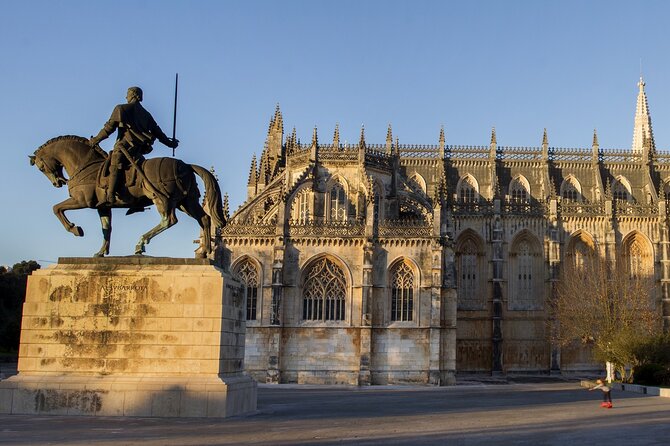
- Stop 3: Batalha Monastery and Gothic Scale With a Human Explanation
- Stop 4: Alcobaça Monastery’s Monastic Story and Royal Memory
- What the Private Guide Adds (Beyond Facts)
- Comfort and Logistics That Keep You in the Moment
- Price and Value: What You’re Actually Paying For
- Who This Tour Fits Best
- Tips to Make the Day Go Smoothly
- Should You Book This Tomar–Batalha–Alcobaça Private UNESCO Tour?
- FAQ
- What UNESCO sites are included on this private tour?
- How long is the experience?
- Is pickup and drop-off included?
- Does the tour include admission tickets?
- Is lunch provided?
- What time does the tour start?
- Is this a private tour?
- What comfort items are provided during the ride?
- Can I cancel for a full refund?
Key highlights worth your attention
- Private guide attention: You get undivided focus, not a rushed group lecture.
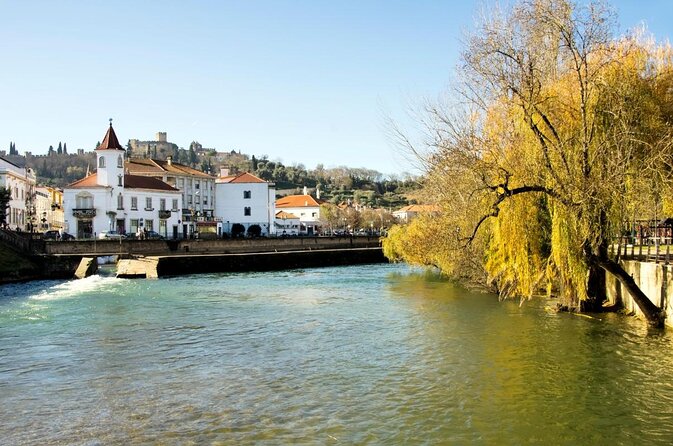
- UNESCO-packed, time-smart routing: Castelo de Tomar, Convento de Cristo, Batalha Monastery, and Alcobaça Monastery in one day.
- Tickets are included for Convento de Cristo, Batalha, and Alcobaça.
- Comfort on the road: Air-conditioned vehicle plus WiFi and bottled water.
- Great storytelling examples from past guides: I saw guide names like Joan, Juan, Jorge, Susana, Suzanne, and Joao mentioned, and the common thread is detailed, friendly history.
Why This UNESCO Day Feels Better Than DIY
If you have limited time in Portugal, this kind of private route is a smart move. You are not just collecting stamps; you are getting a guided thread through the religious and political power that shaped these places. Tomar and its Templar past connect neatly to the later Portuguese Renaissance flourishes at Convento de Cristo, and then the story shifts toward the grand monastic architecture of Batalha and Alcobaça.
I especially like that the day is built for focus. With a private guide, you can ask follow-up questions when a detail catches your eye, like symbolism in a doorway or what certain spaces were used for. And because transport is handled for you, you spend your energy on the monuments instead of parking, timing, and ticket queues.
The other practical bonus is the sweep of included access. Admission tickets are built in for the biggest sites, so you can move from one highlight to the next without scrambling.
The western circuit, a few more ways to ride it
- Three Cities in One Day: Porto, Nazare and Obidos from Lisbon
★ 4.5 · 3,572 reviews - Fátima, Nazaré and Óbidos Small-Group Day Trip from Lisbon
★ 4.5 · 3,444 reviews - From Lisbon: Fátima, Nazaré, Batalha, and Óbidos Guided Tour
★ 4.7 · 3,060 reviews - From Lisbon: Fatima Batalha Nazaré & Óbidos Small-Group Tour
★ 4.7 · 2,563 reviews
Lisbon to Tomar, Batalha and Alcobaça: The 8:00 Start That Pays Off
Your day begins at 8:00 am, with pickup available from hotels, apartments, and ports in Lisbon and the Fátima area. That early start matters because these UNESCO sites are spread out, and travel time eats the day fast if you are doing it on your own.
You will ride in an air-conditioned vehicle with WiFi onboard and bottled water. That may sound like basic comfort, but it actually changes how you experience a long day: you arrive ready to pay attention instead of already tired.
Keep expectations realistic about pacing. Each main stop is guided and timed, and the first location is shorter than the others. Think of it as a guided “best route” plan: you see the key spaces, learn what you are looking at, and move on before the day gets overly compressed.
Stop 1: Castelo de Tomar and the Templar View From the Hill
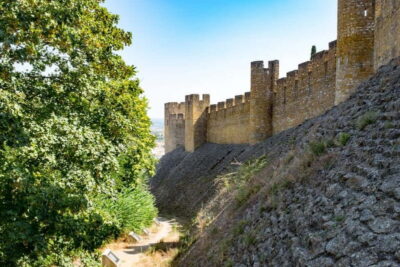
Castelo de Tomar, often called the Castle of the Knights Templar, sits high above the town. The payoff of a hilltop castle like this is simple: you get a strong sense of why power locations were built where they were—visibility, defense, and control of movement.
You’ll have about 30 minutes here, with an admission ticket included. That is not a long time, so your goal is not to read every inscription; it is to get the big picture fast. A good guide helps you interpret what you’re seeing so the castle feels like history, not just stone.
What I like about this first stop is the way it sets up the rest of the day. When you then walk into Convento de Cristo, the Templar connection feels more grounded. You also start collecting visual cues—stonework style, defensive layout, and the sense of religious-military overlap—that will show up again as you move through the program.
Practical tip: wear shoes you can trust on uneven surfaces, and if it is warm out, expect some sun at the viewpoints.
Stop 2: Convento de Cristo and the Manueline Details That Actually Mean Something
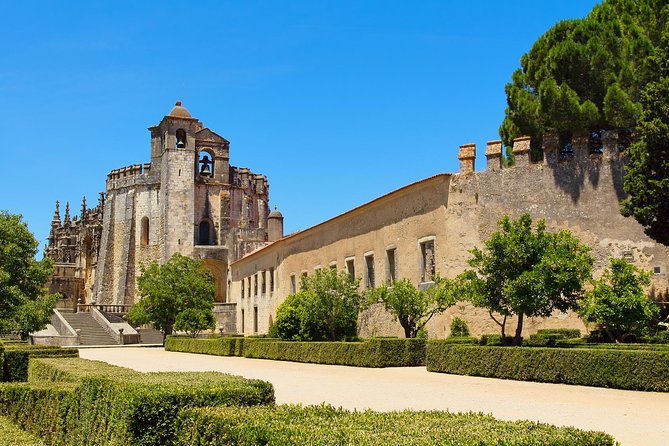
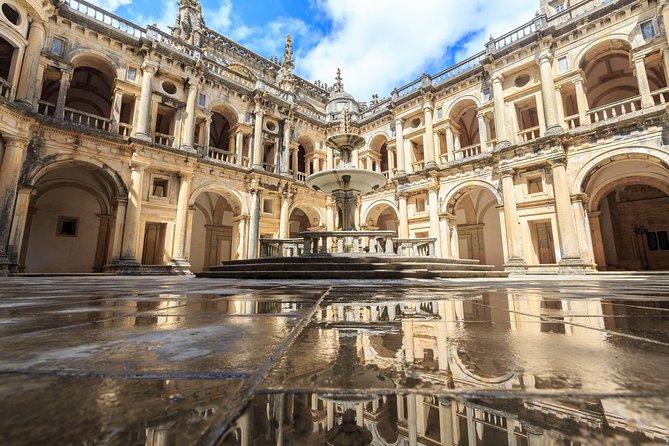
The main attraction is Convento de Cristo, located inside the Templars Castle. This is one of Portugal’s best examples of how different eras layered on top of each other. You are looking at a site tied to the Renaissance, but still rooted in earlier Templar symbolism, and the result is a building that rewards guided attention.
You’ll spend about 1 hour here, with admission included. The guide’s job is to point your eyes toward specific details, like:
- The depictions on the Renaissance portal
- The Manueline Window in the Chapter Hall, with its unique symbolism
- Architectural features around the main cloister
- Spaces connected to Templar ritual life and religious practice
This is where the private format shines. Without a guide, you might walk past carvings and windows wondering what you missed. With a good guide, those ornaments become clues—about power, belief, and the way Portuguese identity expressed itself through art.
Based on what I’ve learned from guides on this route, the strongest approach is to link each detail to a function: what space it belongs to, what role it likely played, and why the symbolism mattered to the people who built and used it. That turns a tour from sightseeing into understanding.
If you care about Portuguese Renaissance architecture and the evolution of sacred spaces, this stop is the heart of the day.
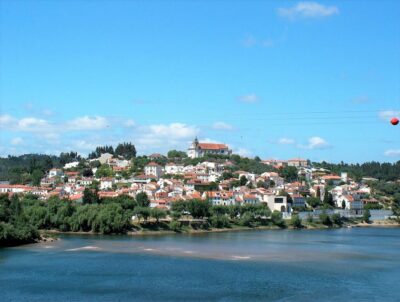
Following the Templars: more Tomar day trips
Stop 3: Batalha Monastery and Gothic Scale With a Human Explanation
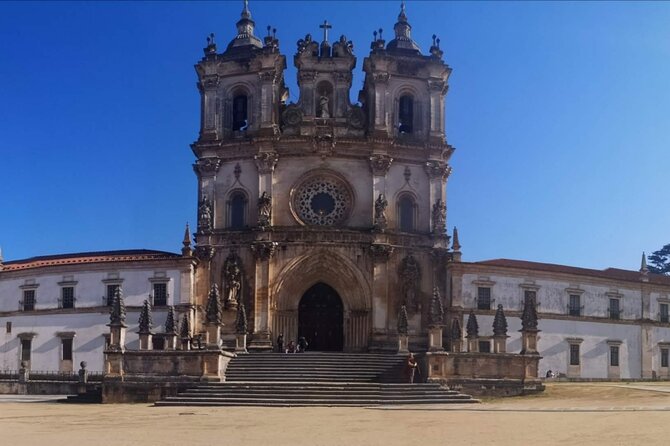
Next comes Batalha Monastery, guided for about 1 hour 30 minutes, with admission included. This site is known for its striking Gothic design, but the real value of a guided visit is learning what the architecture is doing beyond impressing your camera lens.
What you can expect is a structured walk through the monastery’s major areas, with your guide explaining the connections between devotion, royal influence, and art. In practical terms, you should plan to look upward and then back down again—ornamentation often has meaning at both levels, from structural form to carved details.
This stop also balances out the earlier stops. Tomar and Convento de Cristo lean into layered religious history and specific symbolism. Batalha shifts more toward how large institutions express faith through monumental architecture. With a private guide, you can ask questions if a feature catches your attention, rather than waiting for the next group pace.
Timing note: you have enough time here for a real guided circuit, not just a quick glance.
Stop 4: Alcobaça Monastery’s Monastic Story and Royal Memory
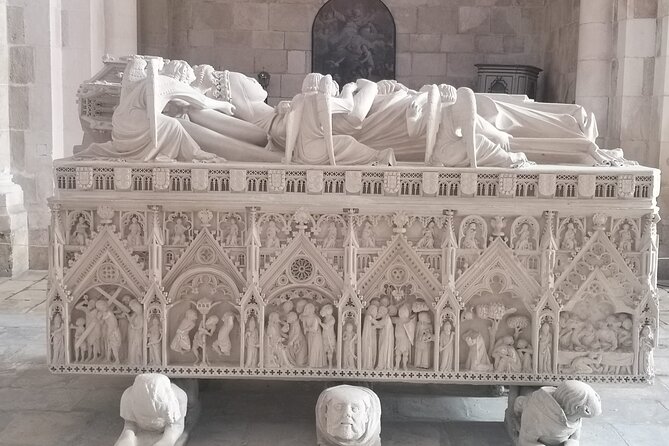
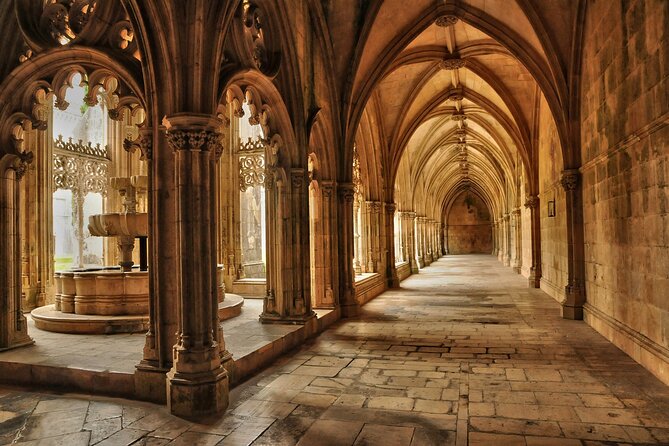
Alcobaça Monastery is the final UNESCO site on your route, also guided for about 1 hour 30 minutes, with admission included. Like Batalha, it’s built to impress, but it also has a quieter, more ordered feel. Monasteries often hit you differently when you understand how they worked day to day—spaces designed for prayer, study, and community life.
A good guide helps you connect the dots between the architecture and the religious function. You’ll get a guided explanation of key areas, and you will likely come away understanding why this kind of monastic complex held such influence. The buildings weren’t just religious backdrops; they were centers of culture, discipline, and power.
Why I like this ending: it provides a “throughline” from earlier sacred places. After focusing on Templar and Renaissance detail at Tomar, and then moving into monumental Gothic at Batalha, Alcobaça brings the day back to structured religious life.
Expect a satisfying close that feels coherent rather than like four unrelated stops.
What the Private Guide Adds (Beyond Facts)
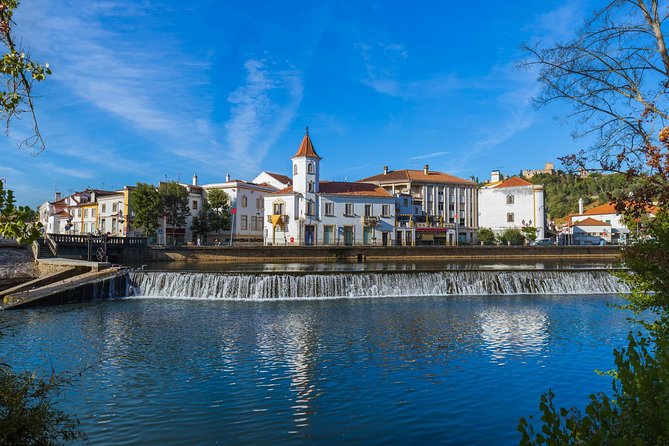
The biggest difference between a private tour and trying to DIY this route is the way the guide shapes your attention. On this day, the timing is efficient and the architecture is detailed. You need someone to help you know what to notice and why.
From the guide names connected with this route—Joan, Juan, Jorge, Susana, Suzanne, and Joao—you can sense a pattern: friendly delivery plus strong knowledge of Portugal’s religious and architectural background. That matters because these buildings can feel similar if you do not understand what makes each one distinct.
In a private setting, you also get the chance to adjust. If you are particularly interested in Renaissance art, your guide can spend extra time on portal details and the Chapter Hall window symbolism. If you are more into structure and form, you’ll likely get more explanation of layout and design choices.
That flexibility is hard to replicate on your own.
Comfort and Logistics That Keep You in the Moment
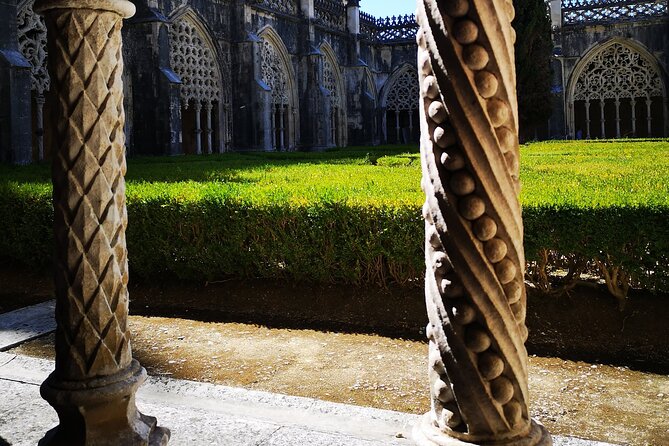
Transport is private, air-conditioned, and stocked with practical extras: WiFi onboard and bottled water. Those details matter more than people expect. A 10-hour day with multiple stops is long enough that comfort affects focus.
Hotel pickup and drop-off are included, which means you do not have to coordinate taxis mid-day or worry about getting back to your accommodation. You simply follow the plan, show up ready to learn, and let the timing do its job.
You also get a mobile ticket, which helps reduce paperwork fuss during the day.
And yes, lunch is not included. That is not a dealbreaker, but it does change how you should plan your energy. Aim for breakfast and either plan an early snack stop or bring something small so you do not end up thinking about food while you are trying to enjoy important religious architecture.
Price and Value: What You’re Actually Paying For
At $336.82 per person, this is not a budget day tour. But in practice, the value comes from the bundle: private transportation, guided visits, and admission tickets for Convento de Cristo, Batalha, and Alcobaça.
Here is how that usually pencils out for many travelers:
- If you add up separate tickets and transport, DIY costs can climb quickly.
- You are paying for a guide who makes the monuments easier to understand, not just someone who moves you from place to place.
- Your hotel pickup and drop-off saves time and hassle, especially if you are staying away from central departure points.
The “private” part is key. If you are traveling with someone you trust to share a guided experience, the day tends to feel worth it because you are not competing for time or explanations.
If you are solo and hoping for the cheapest option, you might compare against shared-group tours. But if you value comfort and clarity, this pricing can feel fair.
Who This Tour Fits Best
This private UNESCO day is a strong match if you:
- Want to cover multiple UNESCO sites in a single day from Lisbon
- Appreciate religious history and symbolism in architecture
- Prefer a calm, guided pace over logistics-driven travel
- Like asking questions and getting straight answers
It also makes sense for couples and small groups who want control of the experience without waiting for a larger crowd.
You should consider another option if you want lots of free time at each site, or if you need a guaranteed lunch stop. The plan is built to see and learn efficiently.
Most travelers can participate, and the day is guided and structured, so it is relatively straightforward to follow.
Tips to Make the Day Go Smoothly
A few practical moves will help you enjoy the monuments instead of feeling rushed:
- Wear comfortable shoes for walking inside and around historic stone sites.
- Bring a light layer. Air-conditioned vehicles help, but buildings can feel cool or uneven in temperature.
- Plan your food timing since lunch is not included. A small snack can save the day.
- Have your phone charged. A mobile ticket is included, and you will use it at the stops.
- If you like photos, tell your guide. The right viewpoints can be faster with a guide than by trial and error.
Also, do not underestimate the power of the first stop. Your understanding of Convento de Cristo improves a lot once you’ve set the context at Castelo de Tomar.
Should You Book This Tomar–Batalha–Alcobaça Private UNESCO Tour?
If your goal is to get the most meaning from Portuguese UNESCO sites without wrestling with transport and timing, I think this is an easy yes. The combination of private guiding, admission included for major monuments, and hotel pickup/drop-off makes it feel efficient in the best way.
I would book it if you want religious and architectural context—especially the Templar-to-Renaissance thread at Convento de Cristo. Just go in knowing lunch isn’t included and the schedule moves, so you should fuel up and wear comfortable shoes.
If that pacing fits your style, you’ll come away with a clear story across four sacred sites, not just a list of places you visited.
FAQ
What UNESCO sites are included on this private tour?
The tour covers Castelo de Tomar (Templars Castle), Convento de Cristo (inside the castle), Batalha Monastery, and Monastery of Alcobaça.
How long is the experience?
It lasts about 10 hours.
Is pickup and drop-off included?
Yes. Pickup is offered from hotels, apartments, and ports in Lisbon and the Fátima area, and drop-off is included.
Does the tour include admission tickets?
Admission tickets are included for Convento de Cristo, Batalha Monastery, and Alcobaça Monastery.
Is lunch provided?
No, lunch is not included.
What time does the tour start?
The start time is 8:00 am.
Is this a private tour?
Yes. It is private, and only your group participates.
What comfort items are provided during the ride?
The vehicle is air-conditioned and includes WiFi onboard and bottled water.
Can I cancel for a full refund?
Yes. You can cancel up to 24 hours in advance of the experience start time for a full refund.
More Tour Reviews in Lisbon
- Lisbon City Center Tour – The Unmissable Lisbon★ 5.0 · 22,234 reviews
- Lisbon: Sintra, Pena, Regaleira, Cabo da Roca & Cascais★ 4.7 · 19,656 reviews
- Lisbon Card: 24, 48, or 72-Hour Pass★ 4.5 · 17,944 reviews
- Lisbon: Jerónimos Monastery Entrance Ticket★ 4.1 · 14,164 reviews
- Lisbon: History, Stories and Lifestyle Walking Tour★ 4.8 · 10,902 reviews
On the Templar Trail to Tomar
- Templar Tour Convent of Christ & Almourol Castle from Lisbon★ 5.0 · 704 reviews
- From Lisbon: Tomar, Convent of Christ & Almourol Castle★ 4.8 · 663 reviews
- Tour of the Knights Templar’s of Tomar in Private Tour★ 5.0 · 138 reviews
- Lisbon: Tomar and Almourol Knights Templar Tour★ 4.8 · 126 reviews
- Knights Templar Castle, Nazaré & Óbidos️ Private Day Tour★ 5.0 · 91 reviews
The Western Circuit: Fátima, Nazaré, Óbidos
- Three Cities in One Day: Porto, Nazare and Obidos from Lisbon★ 4.5 · 3,572 reviews
- Fátima, Nazaré and Óbidos Small-Group Day Trip from Lisbon★ 4.5 · 3,444 reviews
- From Lisbon: Fátima, Nazaré, Batalha, and Óbidos Guided Tour★ 4.7 · 3,060 reviews
- From Lisbon: Fatima Batalha Nazaré & Óbidos Small-Group Tour★ 4.7 · 2,563 reviews
- Lisbon: Fátima, Batalha, Nazaré & Obidos Small-Group Tour★ 4.9 · 1,463 reviews
Just in: fresh Lisbon reviews from the team




Fátima, Nazaré & Óbidos Day Trips, compared.
 ★ 4.5Three Cities in One Day: Porto, Nazare and Obidos from LisbonFrom $1333,572 reviews
 ★ 4.5Fátima, Nazaré and Óbidos Small-Group Day Trip from LisbonFrom $773,444 reviews
 ★ 4.7From Lisbon: Fátima, Nazaré, Batalha, and Óbidos Guided TourFrom $473,060 reviews
 ★ 4.7From Lisbon: Fatima Batalha Nazaré & Óbidos Small-Group TourFrom $792,563 reviews
 ★ 4.9Fátima, Batalha, Nazaré & Obidos Small-Group TourFrom $481,463 reviews
 ★ 4.5From Lisbon: Day Trip to Porto, Óbidos, and NazaréFrom $971,311 reviews
 ★ 5.0Fatima, Nazare, Obidos 8-People Small Group, Day-Tour from LisbonFrom $71995 reviews
★ 5.0From Lisbon: Fátima, Nazaré, Batalha and Óbidos Guided TourFrom $55922 reviews
★ 5.0Fatima, Nazare, Obidos 8-People Small Group, Day-Tour from LisbonFrom $71995 reviews
★ 5.0From Lisbon: Fátima, Nazaré, Batalha and Óbidos Guided TourFrom $55922 reviews
Browse the lists this tour appears in