
Reviewed · ARRÁBIDA & SETÚBAL TOURS
Setúbal,Sesimbra & Palmela – Private tour, Nature & Culture
Castles, fish market, and sea views in one day. This private-style circuit strings together Palmela’s hilltop fort, Setúbal’s working markets, and Sesimbra’s coastal strongholds, then finishes with big-sky viewpoints in the Arrábida Natural Park.
I like how the day blends monuments with real local texture. Two highlights for me: the guide-led storytelling (in the case of this tour, Hugo is a standout) and the practical comfort—air-conditioned transport and on-board WiFi help you handle a full day outside the city without feeling wrecked.
One thing to consider: some stops are on steep ground and you’ll be walking around forts and viewpoints. Also, lunch isn’t included, so you’ll want a plan for when hunger hits.
In This Review
- Key Things That Make This Day Work
- Setting Off From Lisbon: Pickup, timing, and how you’ll pace the day
- Palmela Castle: From a defensive hill to the Santiago convent seat
- Mercado do Livramento: Fish-market culture with world-recognized status
- SetúbalSouv: A tiny craft stop with a big clue about local style
- Church of the former Monastery of Jesus: Spot Manueline design early in the day
- Forte de São Filipe: A six-pointed star fort above Setúbal and the Sado River
- Arrábida Natural Park and Portinho da Arrábida: Sea air, caves and a beach break
- Sesimbra’s medieval run: Castle walls, Santiago Fortress, and the Maritime Museum
- Castelo de Sesimbra
- Fortaleza de Santiago and the Maritime Museum
- Cabo Espichel Sanctuary: A cliffside pilgrimage with planned spaces
- Cristo Rei over Almada and Lisbon: 360º payoff at the end of the day
- Price and comfort: Is $90.31 per person good value?
- Who This Tour Fits Best (and who should think twice)
- Should You Book This Setúbal, Sesimbra & Palmela Tour?
- FAQ
- What’s the duration of the Setúbal, Sesimbra & Palmela tour?
- How much does the tour cost per person?
- What time does the tour start?
- Where do we meet for the shared tour?
- Is pickup available for private tours?
- Is the tour offered in English?
- Are admission tickets included for the stops?
- What’s not included in the price?
- How many people are on the tour at most?
- Is free cancellation available?
- Is this tour suitable for service animals?
Key Things That Make This Day Work
- A tight 7–8 hour route that keeps you moving without turning it into a sprint
- Free admission at every stop listed, so your budget stays under control
- Manueline architecture at the Church of the former Monastery of Jesus (design details you can actually spot)
- Forts with a purpose: from Palmela’s Reconquista defense line to São Filipe’s coastal star-fort design
- Arrábida Natural Park time plus a beach stop at Portinho da Arrábida
- A human guide payoff, with Hugo’s warmth and real conversation repeatedly praised
Setting Off From Lisbon: Pickup, timing, and how you’ll pace the day
This is built for a full day—about 7 to 8 hours, starting at 9:00am. If you book the shared option, you meet at the Hard Rock Café – Lisbon or Casa da Baía – Setúbal. If you book private, pickup and drop-off are included from hotels and local accommodations (and also the cruise terminal and airport).
The pacing is the real trick. You get multiple stops, but each one has a comfortable time window—often 30 to 45 minutes—so you can look, ask questions, and still feel like you’re traveling with a purpose instead of waiting around. And with a maximum of 16 travelers, it’s small enough to hear the guide without yelling over the group.
Practical note: you’ll do best with shoes that handle uneven stone. Palmela and the fort areas sit above the water, and your “optional” walking becomes very normal once you’re on the walls.
More of the Arrábida coast and Setúbal wine country
- Private Lisbon Arrabida Wine Tour: Food & Wines, Mountain and Sea
★ 5.0 · 907 reviews - Private Wine Tasting in the Setúbal Wine Region, from Lisbon
★ 5.0 · 611 reviews - Arrabida and Sesimbra Small-Group Day Trip from Lisbon with Wine Tasting
★ 5.0 · 494 reviews - Lisbon: Arrabida Park Kayak Tour with Beach Picnic
★ 4.9 · 490 reviews
Palmela Castle: From a defensive hill to the Santiago convent seat
Palmela Castle sits on one of the highest points of the Serra da Arrábida, and that height matters. It was built for defense—far from casual strolling territory. The location being difficult to access helped it do its job.
Here’s what I find compelling: the castle’s story tracks Portugal’s shifting power in the south of the Tagus. During the Christian Reconquista led by D. Afonso Henriques, Palmela was part of a defense line. The king donated the territory (including Palmela, Almada, and Alcácer) to the Order of Sant’Iago da Espada for both defense and settlement. In 1205, D. Sancho I confirmed that donation and installed the Order’s chapter in the castle.
Then the castle evolves. In the 15th century, D. João I ordered restoration—especially for the keep—and the convent that became the Order’s seat from 1443 onward. Changes continued in later centuries, including adjustments under D. Pedro II in the 17th century. The friars stayed until the extinction of religious orders in 1834.
What you’ll feel at this stop: the sense that you’re standing where people once had to manage threats, not tourists. It’s also one of those places where the viewpoint helps you understand why the fortress mattered.
Mercado do Livramento: Fish-market culture with world-recognized status
Setúbal’s Mercado do Livramento is short on time but long on charm. This market was created to replace another one demolished in 1876, opening in 1930. Later, it got a full interior renovation between 2010 and 2011—so you’re not only looking at old tiles, you’re seeing a living market that still functions.
The standout details are the tile panels. Inside, you’ll find images of the city’s economic activities designed by Portuguese engraver and painter Pedro Pinto, dating from 1929. At the north entrance, there are two additional panels by Rosa Rodrigues with city scenes from 1944.
If you like credible bragging rights, this market got international attention: in June 2014, USA Today named Mercado do Livramento as one of the best fish markets in the world.
Even if you don’t buy anything, this stop is valuable because it grounds the day. Castles and churches can feel like Portugal-as-a-museum. Here, you see Portugal as a place that still runs on the sea.
SetúbalSouv: A tiny craft stop with a big clue about local style

This is the quick, fun palate-cleanser: SetúbalSouv, a local souvenir shop made by artisans. The building itself is a clue to the area’s identity—a fish-shaped structure made of cork and wood.
In a day packed with stone and history, a stop like this helps you breathe. It also gives you a simple way to take something home that doesn’t feel like generic mass-market souvenirs.
The practical downside: it’s only about 15 minutes, so it’s not a shopping spree. If you need a lot of time for buying, plan that separately.
Worth a look before you lock anything else in around Lisbon:


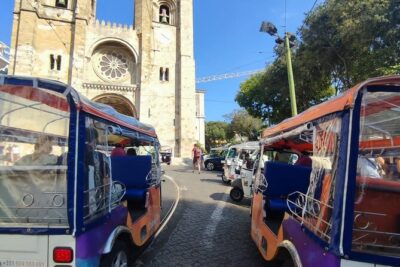
Church of the former Monastery of Jesus: Spot Manueline design early in the day
The Church of the former Monastery of Jesus is one of those stops where architecture students would love you for showing up. It’s described as a landmark in Portuguese architectural history because it marks the beginning of the Manueline style.
The work started in 1490 and, apparently, finished around 1496, led by Diogo Boitaca—the same name tied to other major Portuguese monuments such as the Jerónimos Monastery, Belém Tower, and Batalha Monastery.
What makes this church especially worth your time is how it’s planned. The Church of Jesus is considered the first attempt at a church-hall in Portugal, built as a homogeneously lit space. Even if you’re not chasing terms, you can still look for the design choices that support that goal: round arches, vaults based on lowered arches, and networks of ribs.
This is a smart midway stop. You get a cultural reset after the market and before forts. Also, it’s a short visit, so you won’t lose your momentum.
Forte de São Filipe: A six-pointed star fort above Setúbal and the Sado River
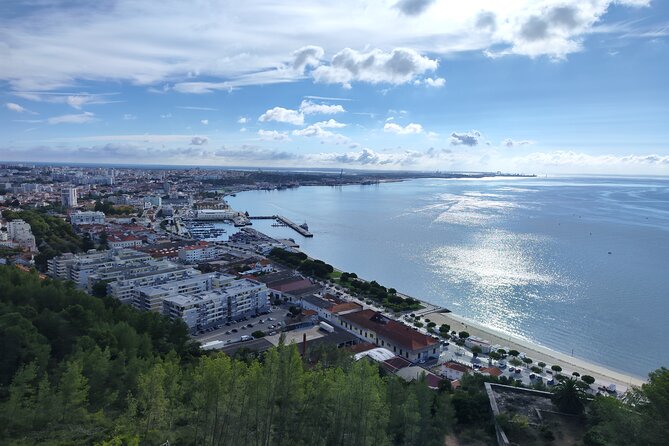
Now for the big view stop. Forte de São Filipe is one of the best places to understand Setúbal’s coastal role. It was part of the coastal defense system, created after orders from the Spanish monarch Philip II to fortify the coastline protecting Setúbal and the mouth of the Sado River.
The design is wild in a practical way: created in 1583 by Captain Fratino, it uses an irregular polygonal plan in the shape of a six-pointed star, with six bastions. It sits on a steep slope over the sea, protected on the north side by a second walled line. That geometry wasn’t decoration—it was about controlling fields of fire and movement.
The fort’s tactical purpose ties to the threats of the time, including pirate attacks from northern Europe and Africa. And today, the same walls deliver something you can feel right away: wide panoramas over the city and bay. You’ll spend about 45 minutes, which is enough to walk the key areas, take photos, and read what you can without turning it into an all-day climb.
Arrábida Natural Park and Portinho da Arrábida: Sea air, caves and a beach break
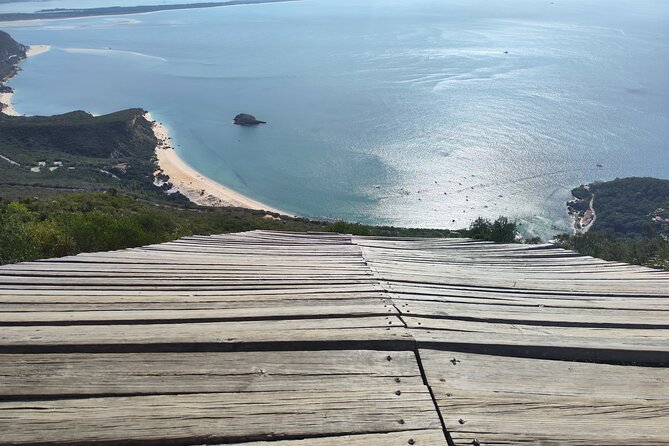
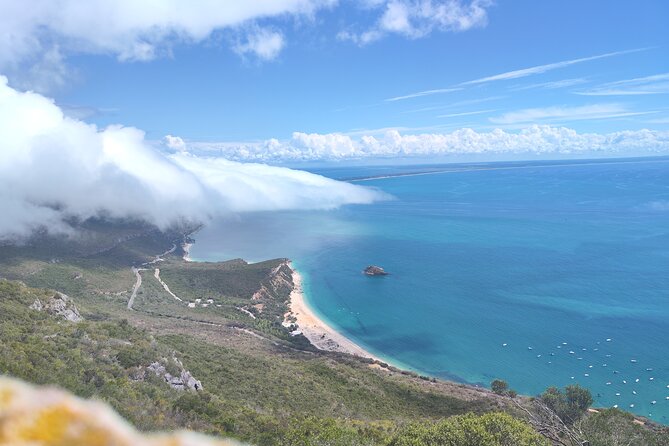
This is where the day shifts from buildings to nature. Serra da Arrábida sits within Arrábida Natural Park, near Setúbal (about 10 km), around 45 km from Lisbon, and roughly 17 km from Sesimbra. The park is known for steep terrain across several mountain ranges, and the highest point reaches 501 meters, giving you a perspective on the Portuguese coast.
The park covers around 10,800 hectares and stretches across the municipalities of Palmela, Sesimbra, and Setúbal. In plain language: it’s large, rugged, and it changes fast from lookout to shore.
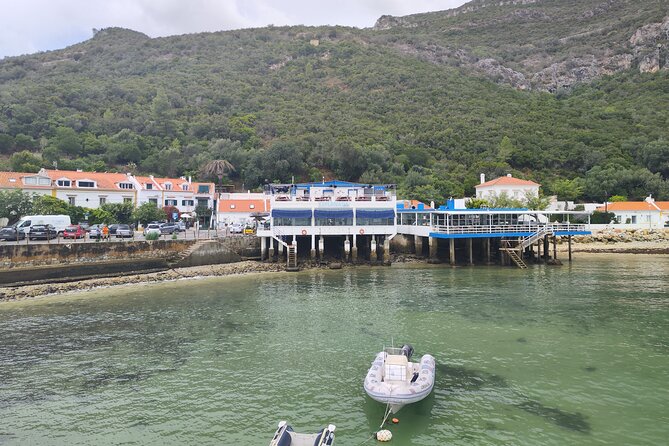
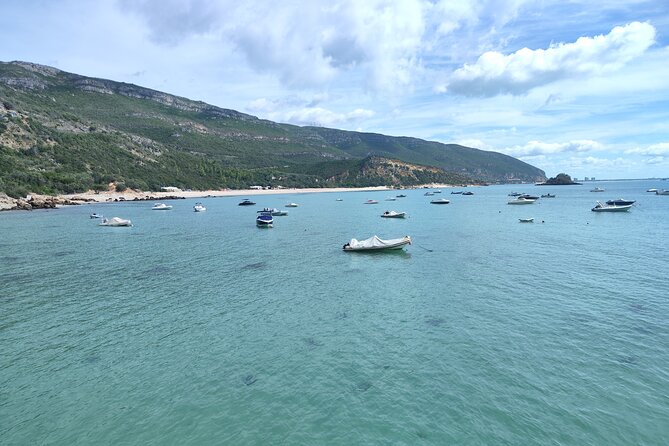
Your beach break comes at Portinho da Arrábida. It’s a small sandy beach area near the village of Portinho da Arrábida, at the foot of the mountain, surrounded by other beaches. The water is calm and clear, and the water temperature is on the cold side, which makes it popular for anyone who likes to get out and swim or spend time at the waterline. The beach is rocky with some facilities and restaurants.
In 2010, it received a distinction as one of the 7 natural wonders of Portugal in the beaches category. Even if you don’t care about awards, you’ll likely care about the simple fact that the water and views are doing the heavy lifting.
Timing matters here. You’ve got about 45 minutes for Serra da Arrábida and 30 minutes at Portinho, so this isn’t a full hiking day. It’s a taste that helps you connect the coast’s beauty with the fort-and-castle day you already had.
Sesimbra’s medieval run: Castle walls, Santiago Fortress, and the Maritime Museum
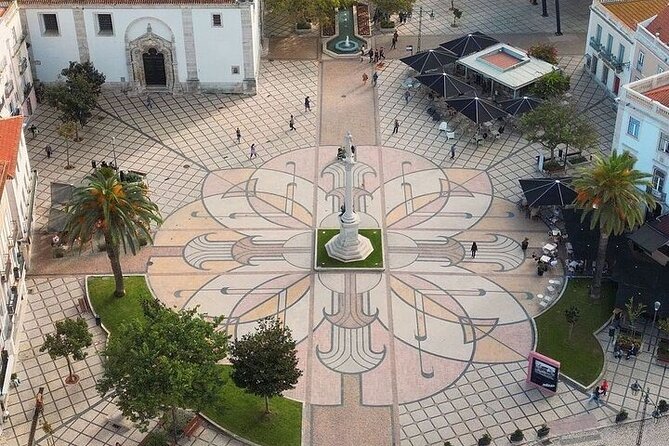
Sesimbra keeps the “sea defenses” theme going, but with a different vibe—less remote than Palmela, more lived-in.
Castelo de Sesimbra
Sesimbra Castle is described as the last Portuguese sea castle that still maintains its medieval design. It was declared a National Monument on June 16, 1910. The walls give you unique views over town and the sea.
Inside, there are two permanent exhibitions about its history, a heritage interpretation center, a church, and a disused cemetery. There’s also a museum circuit that lets you enjoy points of interest independently, plus a café with a terrace offering local products.
This stop works because it’s both a viewpoint and a set of explanations. You’re not just staring at water—you’re learning why it mattered.
Fortaleza de Santiago and the Maritime Museum
Next is the Fortaleza de Santiago, which coexisted with the Sesimbra community for 365 years. It was built when danger came from the sea, and maritime borders needed defense. Over time, its defensive role faded, but the structure remained.
A restoration project (preserving the initial structure as much as possible) opened it to the public in July 2014. The goal was to help visitors understand the original functions of different spaces, from magazine areas to the governor’s house and dormitories. Later, in 2016, the Sesimbra Maritime Museum opened there, telling the story of the sea, fishing, and the fishing community from early times to the present.
What you’ll take away: this isn’t just military architecture. It’s a museum about how people made a living from the water, and that makes the forts feel less abstract.
Cabo Espichel Sanctuary: A cliffside pilgrimage with planned spaces
Cabo Espichel is an Arrábida Natural Park headland west of Sesimbra. It marks the southwestern tip of the peninsula and gives glimpses toward the Lagosteiros Bay area.
The sanctuary is known as the Cabo Espichel Sanctuary and also as the Sanctuary of Nossa Senhora da Pedra Mua. It has legendary roots: an apparition of Our Lady is part of the story. The original sanctuary referenced by the Order of Santiago’s visitations is gone, but worship continued through later religious structures.
The surviving sanctuary architecture combines multiple building phases. The core is the church built between 1701 and 1707 in a floor-to-ceiling style. There are also two wings of inns built between 1745 and 1760, a water house dating from 1770 supplied by an aqueduct, and an opera house from the end of the 1800s.
This is a stop that gives you contrast. After forts and coastline defenses, you get a place designed around pilgrimage and the human systems that support it. You’re there for about 1 hour, which is good because the buildings and grounds are easier to enjoy slowly rather than quickly.
Cristo Rei over Almada and Lisbon: 360º payoff at the end of the day
The final viewpoint finish is the Santuario Nacional de Cristo Rei. The idea began in 1940, when Portuguese bishops vowed to build a monument to the Sacred Heart of Jesus over Lisbon if Portugal were spared from World War II. Portugal maintained neutrality in the war, and that helped drive fundraising.
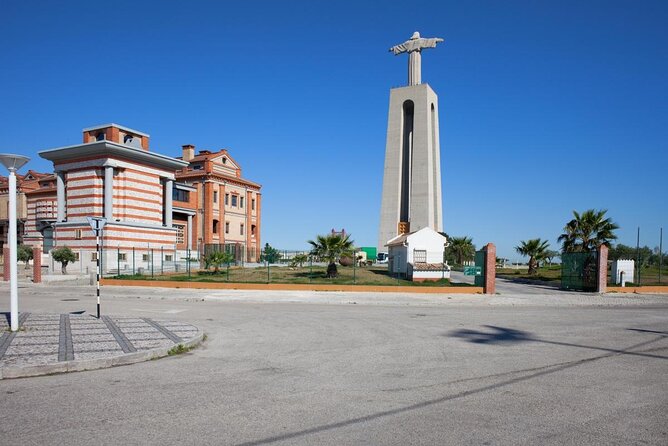
The monument was inaugurated in 1959. It rises 113 meters above the cities of Almada and Lisbon, offering a 360º panoramic view over both banks of the Tagus and surrounding areas. Inside the four pillars, you’ll also find the Chapel of Our Lady of Peace, with an image described as a replica of an image offered in Rome for the Holy Year of 1950.
This isn’t a long stop, about 45 minutes, but it’s a fitting close. After a day moving around Setúbal and Sesimbra, you get a big-scale view over the river that ties everything together. It’s also a reminder that Portugal plans monuments for both faith and sightlines.
Price and comfort: Is $90.31 per person good value?
At $90.31 per person for about 7 to 8 hours, the value depends on what you want most: time saved, comfort, and guided context.
This tour includes:
- Air-conditioned vehicle and WiFi on board
- Private transportation with full insurance coverage
- All fees and taxes
- A guided tour of monuments
- Pickup options (shared meeting points or private hotel/airport/cruise terminal pickup)
Also, the listed admissions for the stops are free. That matters because you’re not paying separately for each major site.
What’s not included is lunch, snacks, and tip/gratuity. That’s a normal “you’re on your own for food” situation, but it means your best value comes from planning when you’ll eat.
From a practical standpoint, I’d call this good value if you want:
- a guided day outside Lisbon
- stops that mix nature, coastal viewpoints, and architecture
- less hassle than renting a car and navigating steep areas
Who This Tour Fits Best (and who should think twice)
This tour is a strong match for you if you like a day that mixes:
- big views and short walks
- Portuguese architecture (especially the Manueline beginnings at the Church of Jesus)
- coastal defense stories that connect to how people lived and worked near the sea
It’s also a good fit if you want to avoid logistics. Having an air-conditioned vehicle, a guide, and confirmed stops means you’ll spend your energy looking and learning, not figuring out routes.
Think twice if you:
- dislike uneven stone and steep viewpoints (Palmela and fort walls are not flat)
- want a long beach day or extended hiking time (this is mostly short, scenic stops)
Should You Book This Setúbal, Sesimbra & Palmela Tour?
If you want a single, well-paced day that gives you coast, culture, and perspective beyond Lisbon, I’d book it. The best part is how the day’s pieces fit together: hilltop defense at Palmela, working sea life at Mercado do Livramento, fortress geometry above the bay, then the Arrábida park views and Sesimbra’s maritime-focused history, finished with a major panoramic monument.
I especially like that your ticket math stays simple: admissions listed are free, and the transportation and guidance are built in. Add in the consistently praised warmth of Hugo, and you’ve got a day that feels more like a guided local outing than a checklist tour.
FAQ
What’s the duration of the Setúbal, Sesimbra & Palmela tour?
It runs about 7 to 8 hours.
How much does the tour cost per person?
The price is $90.31 per person.
What time does the tour start?
The start time is 9:00am.
Where do we meet for the shared tour?
For shared tours, the meeting points are Hard Rock Café – Lisbon or Casa da Baía – Setúbal.
Is pickup available for private tours?
Yes. For private tours, pick-up and drop-off are included for hotels, local accommodations (Airbnbs), cruise terminal, and the airport.
Is the tour offered in English?
Yes, it’s offered in English.
Are admission tickets included for the stops?
All listed stops show admission ticket free.
What’s not included in the price?
Lunch, snacks, and personal expenses are not included, and tip/gratuity is not included.
How many people are on the tour at most?
The tour has a maximum of 16 travelers.
Is free cancellation available?
Yes, you can cancel up to 24 hours in advance for a full refund.
Is this tour suitable for service animals?
Yes, service animals are allowed.
More Tours in Lisbon
- Lisbon City Center Tour – The Unmissable Lisbon★ 5.0 · 22,234 reviews
- Lisbon: History, Stories and Lifestyle Walking Tour★ 4.8 · 10,902 reviews
- True 4Hour Private Tuk Tuk Tour: Discover Lisbon with a Local!★ 5.0 · 8,008 reviews
- Winner 2025 Undiscovered Lisbon Food & Wine Tour by Eating Europe★ 5.0 · 6,390 reviews
- Lisbon: Sintra, Pena, Cabo da Roca, Cascais Tour with Pickup★ 4.8 · 5,445 reviews
More Tour Reviews in Lisbon
- Lisbon City Center Tour – The Unmissable Lisbon★ 5.0 · 22,234 reviews
- Lisbon: Sintra, Pena, Regaleira, Cabo da Roca & Cascais★ 4.7 · 19,656 reviews
- Lisbon Card: 24, 48, or 72-Hour Pass★ 4.5 · 17,944 reviews
- Lisbon: Jerónimos Monastery Entrance Ticket★ 4.1 · 14,164 reviews
- Lisbon: History, Stories and Lifestyle Walking Tour★ 4.8 · 10,902 reviews
The Arrábida Coast and Setúbal Wines
- Private Lisbon Arrabida Wine Tour: Food & Wines, Mountain and Sea★ 5.0 · 907 reviews
- Private Wine Tasting in the Setúbal Wine Region, from Lisbon★ 5.0 · 611 reviews
- Arrabida and Sesimbra Small-Group Day Trip from Lisbon with Wine Tasting★ 5.0 · 494 reviews
- Lisbon: Arrabida Park Kayak Tour with Beach Picnic★ 4.9 · 490 reviews
- Private Lisbon-Arrábida Wine Tour: 3 Wineries, Coast & Heritage★ 5.0 · 450 reviews
Just in: fresh Lisbon reviews from the team




Arrábida & Setúbal Tours, compared.
 ★ 5.0Private Lisbon Arrabida Wine Tour: Food & Wines, Mountain and SeaFrom $139907 reviews
 ★ 5.0Private Wine Tasting in the Setúbal Wine Region, from LisbonFrom $151611 reviews
 ★ 5.0Arrabida and Sesimbra Small-Group Day Trip from Lisbon with Wine TastingFrom $90494 reviews
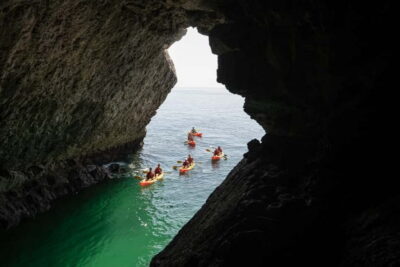 ★ 4.9Arrabida Park Kayak Tour with Beach PicnicFrom $70490 reviews
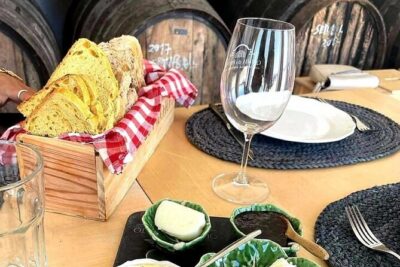 ★ 5.0Private Lisbon-Arrábida Wine Tour: 3 Wineries, Coast & HeritageFrom $156450 reviews
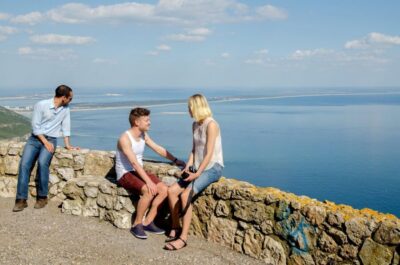 ★ 4.8Arrábida and Sesimbra Day Trip with WineFrom $75366 reviews
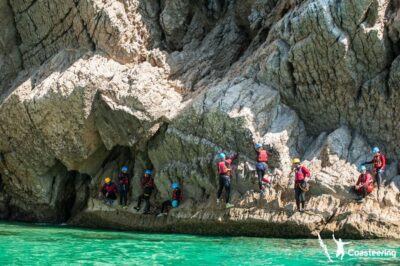 ★ 4.9Sesimbra/Arrábida Natural Park Coasteering AdventureFrom $76345 reviews
 ★ 4.8From Lisbon: Arrábida Natural Park Kayak Tour with LunchFrom $57320 reviews
Browse the lists this tour appears in