Reviewed · LISBON
Portuguese flavors in a typical village home
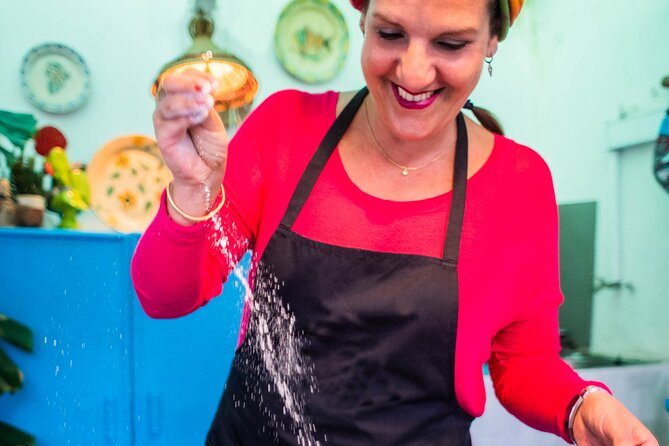
A home-cooked meal in a real village setting. This 3-hour experience turns a simple lunch into a window on Portuguese life through Katija’s stories, seasonal ingredients, and hands-on cooking in a house that’s more than a century old. I like that it’s intimate (max 6 people), and I like that the menu adapts to what you eat and when. One thing to consider: it’s not a showy, complex “chef-school” class, so if you want heavy technique training, you may find the cooking more relaxed than advanced.
You’ll meet at Igreja de São Bento de Valejas (Barcarena) and head about 20 minutes out into a Lisbon valley. You’ll eat what you help prepare, with wine, tea, and water included, then leave with a recipe e-book after sharing feedback. The main downside for some folks is value perception, since transportation isn’t included—so plan to get yourself there (by car or train) and treat it as a meal-with-stories experience, not a budget class.
In This Review
- Key Things I’d Prioritize Before You Book
- Lisbon’s Best Translation: From City Rush to Village Table
- Getting There: The Meeting Point That Actually Matters
- Inside the House: Why a 100+ Year Home Changes the Meal
- Welcome Bites and Drinks: The Part That Sets Expectations
- Cooking the Meal: Hands-On Without Feeling Like an Exam
- Katija’s Stories Around the Table: The Cultural Value You Actually Feel
- Dessert and the Portuguese Sweet Map
- The Recipe E-Book: How to Take This Beyond One Afternoon
- Wine, Tea, and the Pace of a Proper Lunch
- Value Check: Is It Worth $106.65?
- Who This Works Best For (and Who Might Want Something Different)
- What to Say Before You Go (So the Menu Fits You)
- Should You Book This Portuguese Cooking Lunch?
- FAQ
- FAQ
- How long is the cooking and lunch experience?
- What’s the price per person?
- What language is the experience offered in?
- What’s included in the lunch?
- Does the host adapt the menu for dietary preferences?
- How many people are in the group?
- Where do I meet, and is there a return back to the start?
- Is private transportation included?
- What happens if the weather is poor?
- Can I bring a service animal?
Key Things I’d Prioritize Before You Book
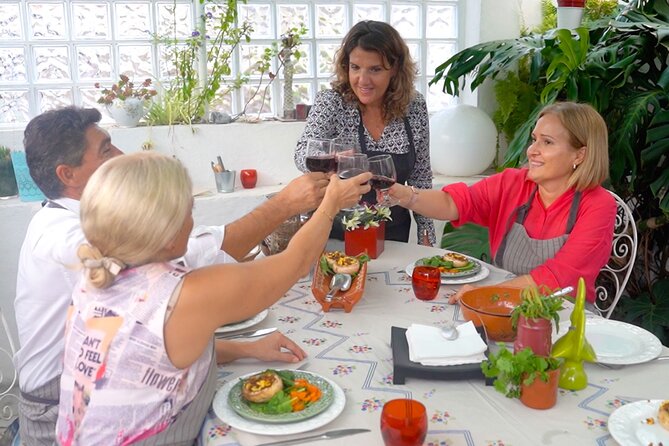
- A small group (up to 6) means you actually talk, ask questions, and stay involved at the table.
- A 100-year-old home in a Lisbon valley makes it feel far from the city, even though it’s close.
- Seasonal menus plus dietary adaptations keep the cooking practical and inclusive.
- Fresh garden herbs and local couvert set the tone, with welcome drinks like tea, wine, or port.
- Lunch is fully included (starter, main, dessert, red and white wine, tea, water), plus an exclusive recipe e-book.
Lisbon’s Best Translation: From City Rush to Village Table
Lisbon has a way of making you feel like you’re always running to the next thing. This experience gives you a different pace. In about 20 minutes, you trade traffic sounds for valley quiet and settle into a real home environment where cooking and conversation happen together.
What makes it work is the structure. You’re not just watching food happen—you’re part of the process, and the host guides you through the why behind Portuguese dishes. Katija builds the meal around what’s fresh, what’s in season, and what suits your dietary preferences, so the class feels personal rather than generic.
Still deciding? See how this one measures up against a few Lisbon favourites.
- Lisbon City Center Tour – The Unmissable Lisbon
★ 5.0 · 22,234 reviews - Lisbon: Sintra, Pena, Regaleira, Cabo da Roca & Cascais
★ 4.7 · 19,656 reviews - Lisbon: Jerónimos Monastery Entrance Ticket
★ 4.1 · 14,164 reviews - Lisbon: History, Stories and Lifestyle Walking Tour
★ 4.8 · 10,902 reviews
Getting There: The Meeting Point That Actually Matters
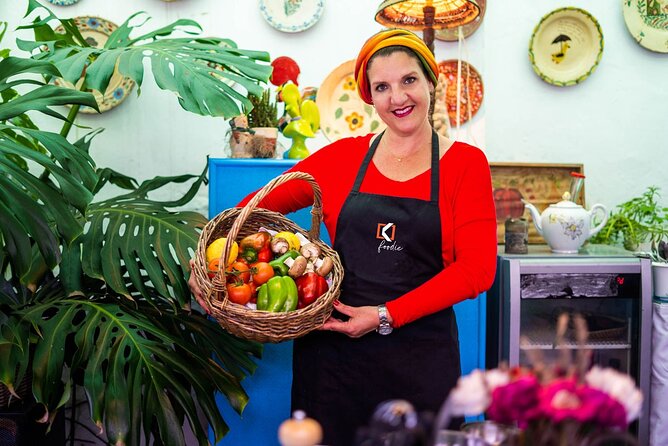
Plan your afternoon around the start time: 1:00 pm. You’ll meet at Igreja de São Bento de Valejas, Barcarena, 2730-106, Portugal, and the experience ends back at the same meeting point. This matters because the day is meant to flow like a half-afternoon at someone’s table, not a hop-on-hop-off tour.
Transportation is the one part you handle yourself. Private transportation isn’t included, but the listing notes it’s easy to reach from Lisbon, Sintra, or Cascais by car or train. If you’re staying in Lisbon proper, you’ll want to pick the most reliable route for a midday start so you don’t arrive flustered.
One more practical note: this experience is set up for good weather. If plans shift due to rain, the experience still runs, just in a different setup (the host may move you indoors rather than forcing an outdoor garden session).
Inside the House: Why a 100+ Year Home Changes the Meal
The setting is part of the attraction. You’re stepping into a charming house that’s more than 100 years old, located in a valley with plenty of local stories. That age shows up in the feel of the place—less staged, more lived-in.
You’ll gather around the table as Katija talks through the food, the home, and the village’s connections to Portuguese culture. This is where the experience becomes more than “I learned a recipe.” You get context: why certain ingredients show up again and again, and how traditional Portuguese cooking adapted to real life over time.
Small-group format helps here. With a max of 6 travelers, the conversation doesn’t get swallowed by volume. You can ask about ingredients, techniques, or Portuguese food habits without feeling like you’re interrupting a class rhythm.
Welcome Bites and Drinks: The Part That Sets Expectations
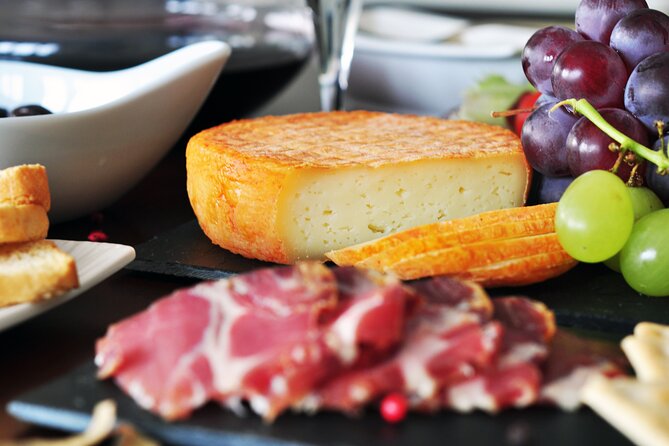
Before the main work starts, you get a welcome drink—tea, red wine, white wine, or water, depending on what’s offered for the group. Then comes a typical Portuguese starter spread: olives, cheese, local jam, and toasts.
This matters for two reasons. First, it’s a gentle warm-up to the meal. You’re not thrown into chopping immediately, so you get time to settle in and start chatting. Second, it gives you a quick snapshot of Portuguese flavor logic: salty bites, dairy richness, and sweet accents like local jam, balanced with simple ingredients you can actually find at home.
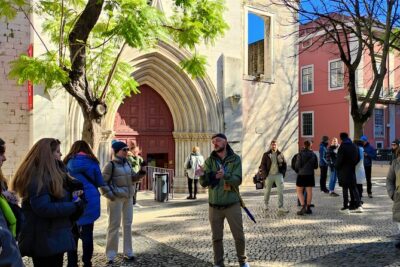



Cooking the Meal: Hands-On Without Feeling Like an Exam
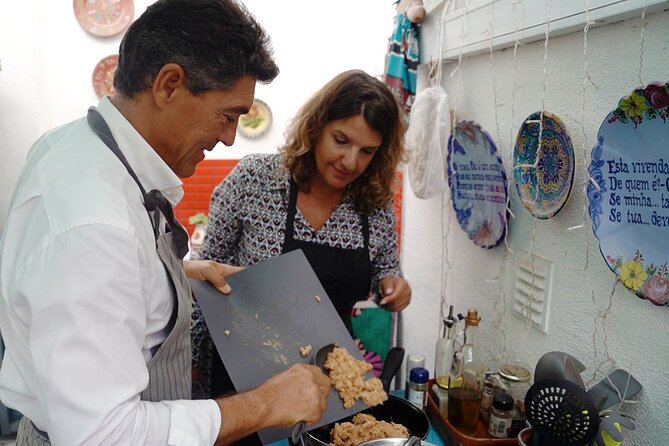
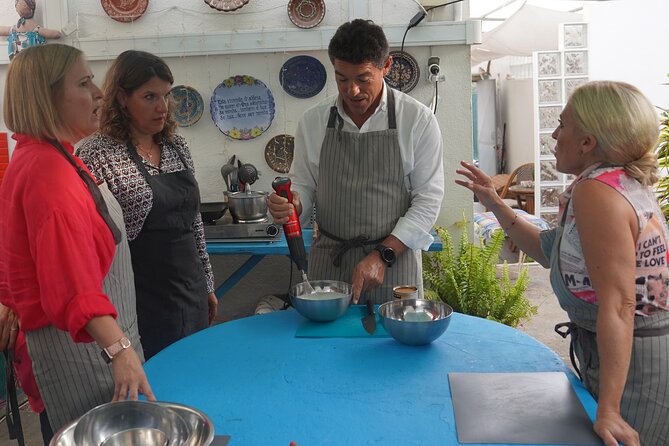
Expect a relaxed, guided cooking session rather than a strict cooking boot camp. The host has a plan, and she’ll guide you through what you’ll make, how you’ll do it, and why it works. In practice, tasks are distributed so you can participate without being forced into doing every step.
In the past, menus have included dishes that show Portugal’s coastal and pantry-minded side—things like bacalao (dried cod) and hearty plates featuring seafood. You might also see dishes such as beans with squid and chorizo, served with garlic rice, depending on the season and what Katija has planned. Because the menu is adapted for dietary restrictions, the main course you cook could look different from someone else’s, but the spirit stays the same: fresh ingredients, traditional techniques, and a home-cooked rhythm.
If you’re hoping to do a lot of complex technique—lots of knife work, sauces reduced to perfection, or advanced pastry—this might feel more approachable than intense. That’s not a flaw; it’s part of why it’s enjoyable for mixed groups. You come away knowing how to replicate flavors, not just how to perform steps.
Katija’s Stories Around the Table: The Cultural Value You Actually Feel
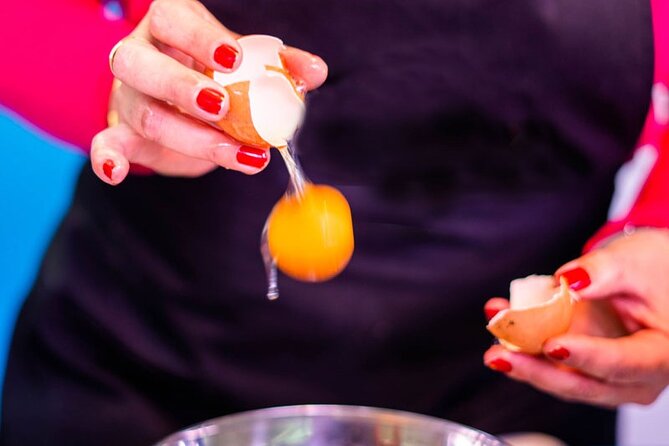
The cooking part is the hook, but the storytelling is what makes the experience stick. Katija shares fascinating local tales while you cook, and the house itself becomes part of the conversation. The meal is tied to Portuguese history and how food shaped daily life.
One of the best parts is how the stories connect to what you’re eating. Instead of random trivia, you’ll learn the meaning behind ingredients and recipes. For example, bacalao isn’t just a dish; it’s a symbol of how Portuguese cooking traveled through time—how dried fish became a staple and how households learned to work with it.
This is also where the host’s personal angle matters. Katija talks about growing up and her own connections to Portuguese food, so the meal feels like a living tradition rather than a museum exhibit.
Dessert and the Portuguese Sweet Map
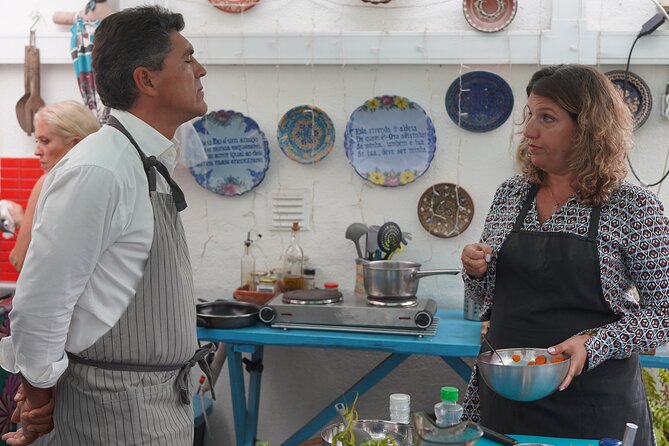
Dessert is the finishing touch: you’ll get one Portuguese dessert chosen by the host from the range of typical sweets. Portuguese desserts tend to split into two main styles: many are dairy- and egg-based, while others lean into fruit with a special touch.
So what will you get? The honest answer is: it depends on the dessert Katija selects and what fits the meal and season. But you can expect it to feel like it belongs with the starter and main, not like a random packaged sugar hit.
If you’re the type who likes to taste the “final chapter” of a regional cuisine, dessert is a real highlight here. It’s also a nice moment to slow down and chat after the cooking has cooled off.
The Recipe E-Book: How to Take This Beyond One Afternoon
You leave with an exclusive e-book of recipes. It’s provided after sharing your opinion, and it’s meant to help you recreate what you cooked (and some additional Portuguese favorites).
That’s practical value. Cooking classes are often remembered as a warm memory with unclear instructions. This one gives you something you can use later—especially helpful for readers who want to reproduce Portuguese flavors at home instead of just taking photos.
Wine, Tea, and the Pace of a Proper Lunch
Drinks are included, including red and white wine, plus tea and water. The point here isn’t a tasting event—it’s pairing the meal with the right relaxed pace.
The afternoon usually feels unhurried. You’ll cook, eat, and keep talking long enough that time has a habit of slipping. For many people, that’s the real luxury: not rushing through food while also getting stories that make the flavors make sense.
Value Check: Is It Worth $106.65?
At $106.65 per person for about 3 hours, this isn’t the cheapest way to spend an afternoon near Lisbon. But it’s also not priced like a simple demonstration either.
You’re paying for:
- A small group setting (max 6)
- A full lunch (starter, main, dessert) with wine + tea + water
- Seasonal, adapted cooking based on your preferences
- Host-guided context and local storytelling
- An exclusive e-book afterward
The biggest value shift comes from expectations. If you treat this as a “cooking and food culture lunch” with hands-on participation, it can feel like a fair trade. If you expect a more technical, step-by-step, high-complexity class (or you need complicated logistics support like private transfers), you may feel the price more strongly.
Who This Works Best For (and Who Might Want Something Different)
This experience is a good fit if you want:
- A local-home feel rather than a restaurant show
- Small-group interaction and conversation
- Portuguese flavors with fresh ingredients and seasonal logic
- A host who adapts the menu to dietary restrictions
You might want to think twice if:
- You want a heavy technical cooking class with lots of advanced methods
- You’re trying to keep every cost ultra-low (since private transport isn’t included)
- You prefer your activities to be very structured like a timed schedule with strict roles for every step
What to Say Before You Go (So the Menu Fits You)
The menu is adapted to season and your dietary preferences. That means your best move is to share any needs clearly during booking or as soon as you can. If you have allergies, be specific about what to avoid.
Also, decide your comfort level with hands-on cooking. The setup is designed to get you involved, but it’s not the kind of class where you’re forced into every task. If you prefer to watch more and assist less, that’s usually the kind of preference the host can work with.
Should You Book This Portuguese Cooking Lunch?
If you want a memorable meal in a real village home near Lisbon, I’d say yes. This works when you value the full package: food + conversation + local context + fresh ingredients, served in an intimate setting.
It’s not a high-intensity cooking academy. It’s a warm, practical afternoon built around Portuguese flavors and the stories behind them. If that’s your style, you’ll likely feel like you got more than you paid for.
FAQ
FAQ
How long is the cooking and lunch experience?
It lasts about 3 hours.
What’s the price per person?
The price is $106.65 per person.
What language is the experience offered in?
It’s offered in English.
What’s included in the lunch?
You’ll get lunch with appetizers, a main course, dessert, and drinks (red and white wine, tea, and water).
Does the host adapt the menu for dietary preferences?
Yes. The menu is adapted depending on the season and your dietary preferences.
How many people are in the group?
There’s a maximum of 6 travelers.
Where do I meet, and is there a return back to the start?
You meet at Igreja de São Bento de Valejas, Barcarena, 2730-106, Portugal and it ends back at the meeting point.
Is private transportation included?
No. Private transportation is not included.
What happens if the weather is poor?
The experience requires good weather. If it’s canceled due to poor weather, you’ll be offered a different date or a full refund.
Can I bring a service animal?
Yes. Service animals are allowed.
More Tour Reviews in Lisbon
- Lisbon City Center Tour – The Unmissable Lisbon★ 5.0 · 22,234 reviews
- Lisbon: Sintra, Pena, Regaleira, Cabo da Roca & Cascais★ 4.7 · 19,656 reviews
- Lisbon Card: 24, 48, or 72-Hour Pass★ 4.5 · 17,944 reviews
- Lisbon: Jerónimos Monastery Entrance Ticket★ 4.1 · 14,164 reviews
- Lisbon: History, Stories and Lifestyle Walking Tour★ 4.8 · 10,902 reviews