Reviewed · LISBON
Lisbon’s Post-Colonial Feast
Lisbon’s food comes with a reckoning. I like the small-group size (max 7) and the fact you actually get to taste chorizo stew and chocolate while the guide connects Portuguese cuisine to former colonies. One heads-up: the story includes slavery, repression, and exploitation, so it’s not a light, fluffy food stroll.
My favorite part was seeing how the route builds context as you go—Paço da Rainha, Campo dos Mártires da Pátria, Avenida da Fonte Luminosa, Jardim do Torel, and Largo de São Domingos. In at least one tour I saw, guide Célia was described as warm and clear, and the experience runs in English.
In This Review
- Key things I’d circle before you book
- Why Lisbon’s post-colonial story shows up on your plate
- Price and value: $150 for 5 hours of food plus context
- Meeting at Praça do Chile: timing, pacing, and what to expect
- Stop-by-stop: how each location supports the theme
- Paço da Rainha: getting your bearings before the food arrives
- Campo dos Mártires da Pátria: history and culture, linked to everyday flavors
- Avenida da Fonte Luminosa: the theme gets explained, then you keep walking
- Jardim do Torel: where the next best bite fits the conversation
- Largo de São Domingos: specialties to close the loop
- What you’ll eat: chocolate, chorizo stew, and beyond
- Small-group energy: meeting like-minded people without losing the plot
- Who this Lisbon tour is for
- Should you book Lisbon’s Post-Colonial Feast?
- FAQ
- How long is Lisbon’s Post-Colonial Feast?
- Where does the tour start?
- What time does the tour begin?
- How big is the group?
- Is the tour offered in English?
- Do I need a mobile ticket?
- What food can I expect to try?
- Is free cancellation available?
Key things I’d circle before you book
- Max 7 people means you can ask questions without shouting over a crowd
- Food first, context right behind: tastings plus a frank post-colonial narrative
- Five scheduled stops keep the pace steady for a ~5-hour outing
- The menu includes chocolate and chorizo stew plus other regional delicacies tied to the story
- A taught connection, not just a taste: you learn how Portuguese cuisine was reshaped by former colonies
- Good weather matters, since the tour runs outdoors
Why Lisbon’s post-colonial story shows up on your plate
Portugal’s cuisine didn’t develop in a vacuum. This tour frames Portuguese food as something shaped by routes of power: trade, forced labor, repression, and exploitation. That’s the big idea you’ll keep hearing, and it changes how you taste.
I like that the tour doesn’t treat history like a boring lecture. Instead, it uses the act of eating as the thread. You’re not just sampling flavors—you’re learning why those flavors ended up in Lisbon and how different communities were affected by Portugal’s colonial reach.
And yes, it’s heavy. The tour includes Portugal’s grim history of slavery, repression, and exploitation. If you want a food walk that stays strictly cheerful, this won’t be your vibe. If you want the full picture—flavors and their consequences—this can be a memorable way to see Lisbon.
Still deciding? See how this one measures up against a few Lisbon favourites.
- Lisbon City Center Tour – The Unmissable Lisbon
★ 5.0 · 22,234 reviews - Lisbon: Sintra, Pena, Regaleira, Cabo da Roca & Cascais
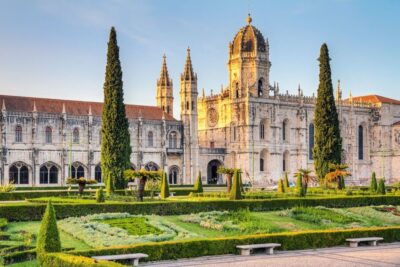
★ 4.7 · 19,656 reviews - Lisbon: Jerónimos Monastery Entrance Ticket
★ 4.1 · 14,164 reviews - Lisbon: History, Stories and Lifestyle Walking Tour
★ 4.8 · 10,902 reviews
Price and value: $150 for 5 hours of food plus context
At $150 per person for about five hours, this isn’t a cheap snack stop. But it also isn’t priced like a quick walking loop with nothing to show for it. You’re paying for two things:
1) Multiple tastings over several stops (not just one or two samples)
2) A guide who explains the post-colonial links between Portugal and its former colonies
In other words, you’re not buying history on its own or food on its own. You’re buying the connection between them. That’s where the value usually lands for people who enjoy both sides—food and context.
Also, the small group size (up to seven) helps the experience feel worth it. You’ll likely get more direct conversation time than you would on larger food tours.
Meeting at Praça do Chile: timing, pacing, and what to expect
The tour starts at 11:00 am at Praça do Chile 2, 1170 Lisboa, Portugal. It returns to the same meeting point at the end. That matters because you can plan your day without a complicated transfer.
You’ll move through the city in a steady rhythm: several stops, each timed at about 45 minutes, with a longer final stop at 1 hour. That pacing is a practical sweet spot. You’re not stuck listening for hours, but you also don’t get rushed through each bite.
The tour also uses a mobile ticket, which is convenient when you’re juggling trains, metro lines, and dinner plans. And because it’s offered in English, it’s easier to relax and focus on the story instead of playing catch-up with translation apps.
One more practical note: the experience requires good weather. If conditions are poor, it can be canceled with a different date offered or a refund. If Lisbon is doing its usual weather whiplash during your trip, build flexibility into your schedule.
Stop-by-stop: how each location supports the theme
This tour follows a loop through Lisbon’s neighborhoods and landmarks, but the point isn’t to check names off a list. Each stop helps you understand the theme, then earns its place with a next round of tastes.


Paço da Rainha: getting your bearings before the food arrives
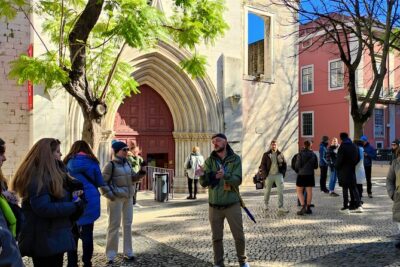
You start by taking in the sites as you begin the day’s walk. This first stretch is where the guide sets the tone—what the tour is about and how colonial history connects to what ended up on Portuguese tables.
Why this stop works: it’s early enough that you’re still fresh. You can settle into the route and let the theme sink in before you start expecting certain flavor stories to show up.
Possible drawback: if you prefer to eat right away and hate waiting for context, the early “walk and orientation” time might feel like warm-up rather than payoff. But it sets you up to actually understand the tasting choices later.
Campo dos Mártires da Pátria: history and culture, linked to everyday flavors
Next comes a stop centered on the history and culture of the city. This is where the tour typically starts connecting big ideas to real-life consequences—how exploitation and repression shaped lives, communities, and eventually foodways.
This matters because it reframes what you eat next. Chocolate and chorizo stew (and the other regional delicacies you’ll meet along the way) stop being just “tasty items.” They become clues.
You might also notice something from the reviews: people liked that the tour wasn’t limited to one narrow angle. It covers mixed local cultures and the foods that those cultures contributed to Portugal’s story.
Avenida da Fonte Luminosa: the theme gets explained, then you keep walking
At Avenida da Fonte Luminosa, the tour uses the setting to discuss the theme of the day and to take in the sites again. Think of this as a mid-tour “pause for clarity.” By now you’ve tasted something (or at least heard what you’re about to taste), and the guide can connect the dots with less pressure.
Why this stop is valuable: it’s a checkpoint. If you’re confused by how colonization becomes cuisine, this is typically where that confusion gets sorted out.
Possible drawback: because it’s part of an outdoor walk, expect some standing and walking. If you’re traveling with limited mobility, you’ll want to think about whether a multi-stop food tour is comfortable for you.
Jardim do Torel: where the next best bite fits the conversation
Jardim do Torel is timed for about 45 minutes, and it’s paired with finding the next best bite. This is one of the ways the tour avoids that “history overload” problem. You get a change of pace: sit, taste, talk, and then move on.
I like the structure. Instead of forcing all the emotional weight into one block, the tour breaks it up with food. That can make it easier to stay engaged without losing the meaning.
Also, since the theme involves former colonies, this stop helps reinforce that “Portuguese food” in Lisbon isn’t one single style. It’s a mix of influences shaped by contact—often unequal contact.
Largo de São Domingos: specialties to close the loop
The final stop is Largo de São Domingos, where you’ll spend about 1 hour and find specialties. This is the payoff area: you’ve followed the story through multiple sites, and now you eat with the bigger meaning already in your head.
This ending tends to stick in your memory because you’ve spent the morning and early afternoon learning the context behind what’s in front of you.
One real-world caution from the experience: one review noted that an Angolan restaurant had closed unexpectedly around the time of their visit. If you’re specifically hoping for an Angola-related stop, keep in mind that availability can change with time. The tour’s theme will remain, but the exact places you visit may shift if something is no longer operating.
What you’ll eat: chocolate, chorizo stew, and beyond
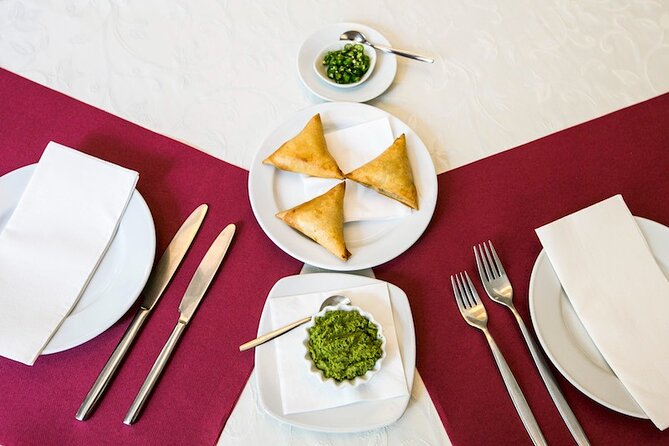
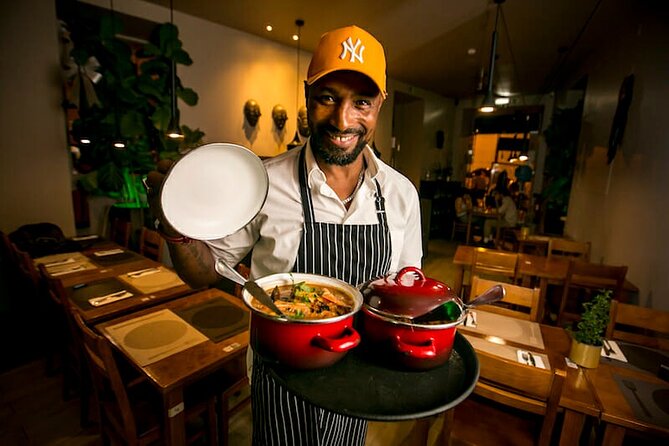
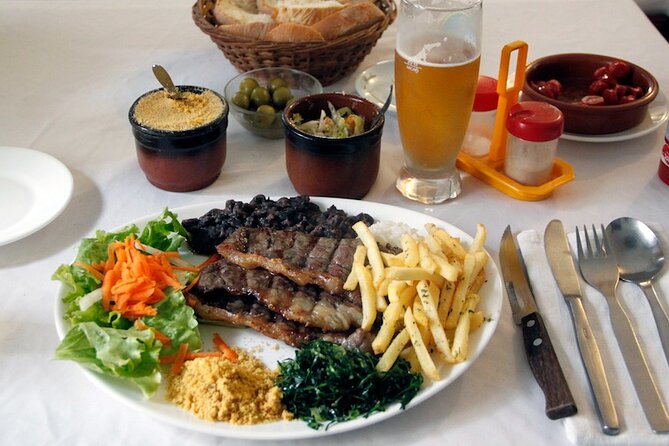
The tour promises chocolate and chorizo stew, plus a wealth of regional delicacies. That’s a good sign. The “post-colonial” theme can sometimes sound abstract, but here you’re getting real dishes and flavors rather than just a lecture with a cookie at the end.
What surprised some people (based on the feedback you provided): flavors tied to Brazilian or Goan influences may not be the first things you’d think of when planning a Lisbon food tour. But the experience makes the case for why you should care. It connects those influences to the historical interaction between Portugal and its former colonies.
A practical tip for your stomach: this is designed as a feast across several stops. Eat light before you go, or at least plan for a late lunch to turn into dinner later. One review specifically mentioned being so full that it probably worked out in their favor.
Small-group energy: meeting like-minded people without losing the plot
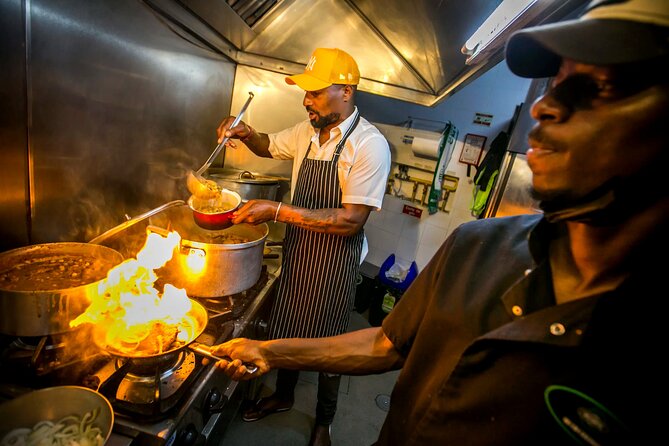
With a maximum of seven travelers, the tone is usually more conversational. You’re more likely to hear answers fully and ask questions that match your interests, whether you’re there for the food or the historical themes (or both).
One review also mentioned something I think is a strong signal for value: even people who know Portugal well found neighborhoods on the route that they hadn’t explored in decades. That’s often what you want from a guided walk—useful knowledge plus a route you wouldn’t naturally choose on your own.
And don’t forget the human side. One attendee ended with a simple reminder to tip the guides. If you felt the explanations helped you actually understand what you ate, that’s usually a good time to show appreciation.
Who this Lisbon tour is for
This works best if you:
- want a food tour that treats history as part of the meal, not an add-on
- like asking questions and getting direct answers in English
- enjoy trying foods tied to Portuguese connections with former colonies
- prefer smaller groups that don’t turn into a shuffle through the street
It’s less ideal if you:
- only want a carefree, strictly culinary outing
- can’t handle heavy topics like slavery and exploitation
- prefer food experiences with minimal walking and standing
Should you book Lisbon’s Post-Colonial Feast?
I’d book it if you like the idea of eating while the guide explains why these flavors made their way into Portuguese culture. The small-group size, the mix of sites, and the promised tastings—especially chocolate and chorizo stew—make it feel like more than a standard “try three dishes” tour.
I’d think twice only if you want a purely upbeat food walk or you know the topic may feel too heavy for your travel mood. If that’s you, look for a different Lisbon food tour and save this one for a trip when you can fully engage with the story.
If you do book, come hungry, bring your questions, and give yourself time afterward to process what you learned. This is the kind of tour that changes how you’ll taste Portugal for the rest of your trip.
FAQ
How long is Lisbon’s Post-Colonial Feast?
The tour runs for about 5 hours.
Where does the tour start?
You start at Praça do Chile 2, 1170 Lisboa, Portugal.
What time does the tour begin?
The start time is 11:00 am.
How big is the group?
The tour has a maximum group size of 7 travelers.
Is the tour offered in English?
Yes, it is offered in English.
Do I need a mobile ticket?
Yes. A mobile ticket is included.
What food can I expect to try?
The tour includes chocolate, chorizo stew, and other regional delicacies tied to the post-colonial theme.
Is free cancellation available?
Yes. You can cancel for a full refund up to 24 hours before the experience start time.
More Tour Reviews in Lisbon
- Lisbon City Center Tour – The Unmissable Lisbon★ 5.0 · 22,234 reviews
- Lisbon: Sintra, Pena, Regaleira, Cabo da Roca & Cascais★ 4.7 · 19,656 reviews
- Lisbon Card: 24, 48, or 72-Hour Pass★ 4.5 · 17,944 reviews
- Lisbon: Jerónimos Monastery Entrance Ticket★ 4.1 · 14,164 reviews
- Lisbon: History, Stories and Lifestyle Walking Tour★ 4.8 · 10,902 reviews