

Reviewed · STREET ART
Lisbon Street Art Tour
Street art has a secret side in Lisbon. This tour takes you out of the postcard bubble and into neighborhoods where murals feel like part of daily life, not a side quest. I love the focus on local scenes and the way the route is paced so you’re not wasting time hopping on trains or crisscrossing the city. I also like that the tour keeps things small (max 8 people), which makes it easier to ask questions and really look at details.
One thing to consider: the art is spread across different areas, including viewpoints and hilly streets, so you’ll want a moderate fitness level even if you’re riding between stops. And if you’re hoping for only famous landmarks, this is more about modern expression and community walls than classic sights. Reviews repeatedly highlight guides like Manuel, Rita, and Fernando for mixing art with context like history and the political climate around it.
In This Review
- Key reasons this Lisbon street art tour works
- Lisbon street art, the local way: what you’re really seeing
- Price and value: $41.82 for a guided minivan + local context
- The “small group + morning timing” factor you’ll feel fast
- Stop 1: Lumiar and the 2019 Lisbon Street Art Festival wall
- Stop 2: Panorâmico de Monsanto, Lisbon’s highest viewpoint and street art
- Stop 3: Alvalade’s Blue Wall and the power of color
- Stop 4: Carnide’s Bairro Padre Cruz and community impact
- Stop 5: Estrada de Chelas street art and Lisbon in motion
- Guides: how the stories turn walls into meaning
- How to get the most out of the route (and your photos)
- Who this tour suits best
- Should you book this Lisbon street art tour?
- FAQ
- How long is the Lisbon Street Art Tour?
- Is the tour in English?
- How many people are in the group?
- What stops will I visit?
- What’s included in the price?
- What is not included?
- Do I need a child seat if I bring a child?
- Does the tour run in bad weather?
Key reasons this Lisbon street art tour works
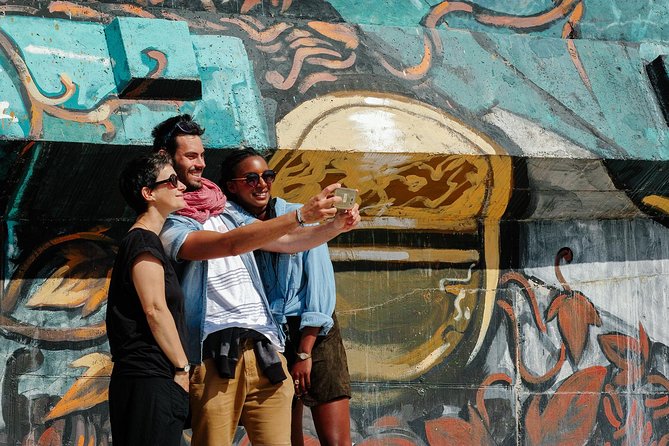
- Small group, max 8: a quieter pace that lets you study the walls instead of rushing past them
- Minivan between neighborhoods: you spend less time on transit and more time looking up at murals
- Crono Project pieces across the city: you’ll learn what to watch for as you move around
- Five free stops, 30 minutes each: structured time at viewpoints and mural clusters
- Local guide storytelling: you get meaning behind the art, not just where to take photos
Lisbon street art, the local way: what you’re really seeing
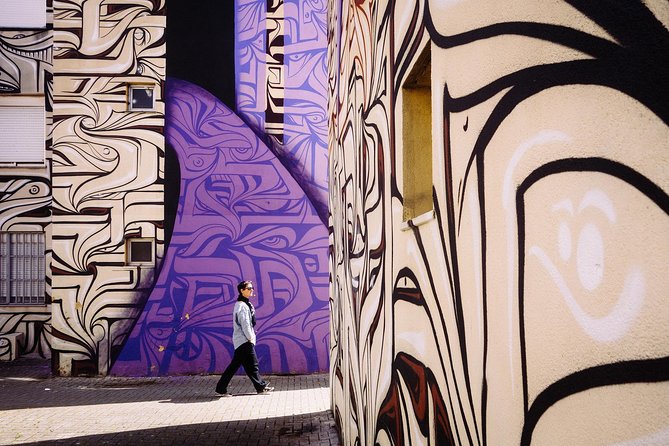
Lisbon is famous for tiles and viewpoints, but street art is where the city gets honest. This tour is designed to show you that side: murals you’d likely miss if you only stick to central walking loops. I like that it’s not framed as random graffiti hunts. The tone is more like art in the wild, with context about why these walls exist where they do.
A big part of the value is the “right route” idea. The tour threads through multiple neighborhoods in about three hours, and it does it with transport by air-conditioned minivan. That matters because Lisbon can chew up time with hills, traffic, and transfers. Here, you get the looking part without the heavy logistics headache.
You’ll also be pointed toward specific works connected to the Crono Project, which makes the whole outing feel like a guided theme, not a scattershot photo walk. And because it’s a mobile ticket experience with an English-speaking guide, you can focus on what’s on the wall rather than wrestling with details.
Worth a look before you lock anything else in around Lisbon:
- Lisbon: Street Art Tour
★ 4.9 · 1,324 reviews - Lisbon: Kickstart Street Art Walking Tour
★ 4.9 · 717 reviews - Lisbon: Street Art Tuk Tuk Tour
★ 4.9 · 372 reviews - LISBON Street Art Tour
★ 5.0 · 371 reviews
Price and value: $41.82 for a guided minivan + local context
At $41.82 per person, the tour is priced like an activities bundle rather than a single walking guide. The cost makes sense because it includes:
- a driver/guide
- a local guide
- pickup and drop-off from designated meeting points
- air-conditioned minivan transport
- a route with five stops, each around 30 minutes
What you should double-check for value: hotel pickup and drop-off isn’t included. Instead, you’re expected to meet at the tour’s start location and return there. That’s not a dealbreaker, but it changes the “ease factor.” If your hotel is far from Rossio, you may want to plan how you’ll get to the meeting point without stress.
Also, several stops involve free admission tickets, so you’re not paying extra once you’re on the ground. That’s a real advantage when you’re trying to control total trip costs.
The “small group + morning timing” factor you’ll feel fast
This tour runs at 9:30 am and caps out at 8 travelers. That combination is quietly important. Smaller groups mean less waiting at each stop and fewer people competing for the best angle. Morning timing also helps in Lisbon because light matters for murals and viewpoints, and the streets tend to feel easier before crowds build.
The tour is listed as operating in all weather conditions, with instructions to dress appropriately. Translation: don’t assume you’ll be able to cancel last-minute because it’s gray out. If rain is in the forecast, pack layers and plan for a route that still happens.
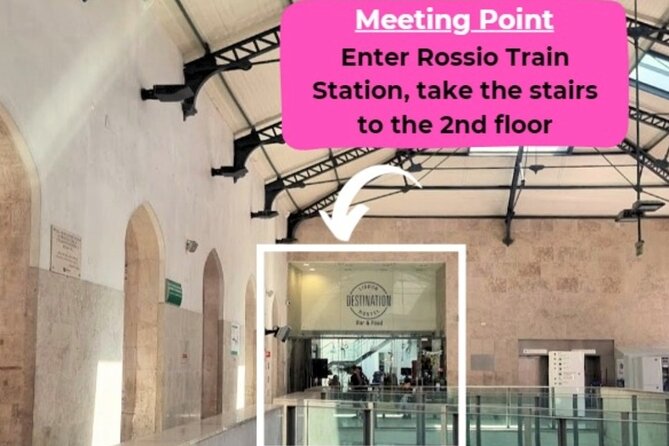
And one practical heads-up: the meeting point is tied to Estação do Rossio at the Lisbon Destination Hostel address (Largo do Duque de Cadaval, 2º andar). Make sure you’re at the exact spot before the 9:30 start so you don’t lose time hunting around.
Stop 1: Lumiar and the 2019 Lisbon Street Art Festival wall
Your first stop is Lumiar, tied to the 2019 Lisbon Street Art Festival. This is a smart way to start because it frames street art as an ongoing cultural project rather than a one-off scene. You’re not just arriving at a random wall; you’re stepping into a place where street art has been actively celebrated.
In a 30-minute window, the goal is usually focused looking: observe composition, color choices, and how the mural interacts with its surrounding street. The short time is a feature, not a flaw. Instead of wandering for hours, you get a clean “look, learn, move” rhythm.
Potential drawback: festival-linked art can make the area feel like a “destination wall,” which means it might be busier than some quieter neighborhood projects. It’s still worth it because starting here gives you a baseline for what kind of scale and style you’ll see across the rest of the tour.
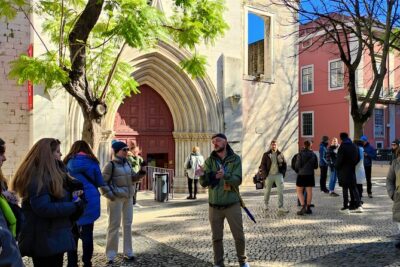



Stop 2: Panorâmico de Monsanto, Lisbon’s highest viewpoint and street art

Then you head to Panorâmico de Monsanto, described as the highest viewpoint in Lisbon. This stop is where the tour gains energy. You get height, wide angles, and a chance to see how street art can be tied to place, not just to buildings.
Street art at viewpoints has a different feel. From up there, you can look down and connect what you’re seeing to the city’s layout. That helps street art stop feeling like isolated wall decorations and start feeling like part of a larger urban story.
You’ll want to manage expectations here. Even with minivan transport, viewpoints often mean uneven ground and some uphill walking around the area. Lisbon isn’t flat, so plan on comfortable shoes. The tour is labeled as requiring moderate physical fitness, and this is the kind of stop that justifies that note.
Admission is free, so you’re paying for the guide and route plan, not tickets to a viewpoint platform.
Stop 3: Alvalade’s Blue Wall and the power of color

Next is Alvalade, at the Blue Wall. A color-specific stop is a clever tool. When you anchor your visit to one strong visual element, you start noticing things you might otherwise miss: brushwork, texture, and how different pieces layer together.
Blue also gives a clue about why street art works so well in Lisbon. The city already has a love affair with color, and murals take advantage of that. Even if you don’t care about street art styles, you’ll likely care about how the wall reads in the street and at different times of day.
The 30-minute slot is enough for a slow look, but not enough for long wandering. That’s fine because you’ll be repeating this pattern at other neighborhood stops. The guide’s context is what makes those quick windows feel meaningful.
Stop 4: Carnide’s Bairro Padre Cruz and community impact
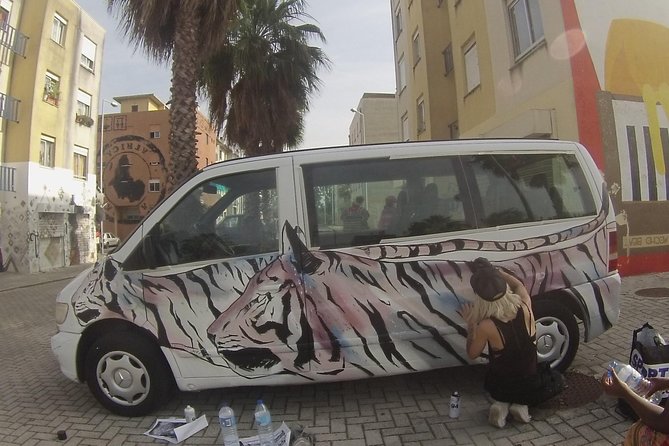
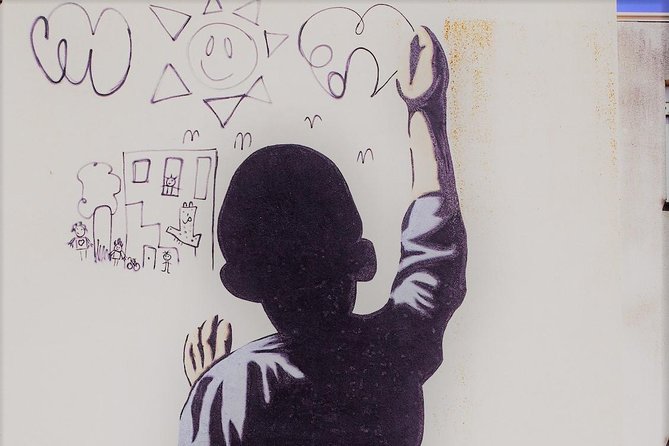
In Carnide, you visit Bairro Padre Cruz. This stop is often the emotional center of street art tours, because it’s easier to see how murals interact with people’s day-to-day life. The guide approach is described as art-focused rather than graffiti-focused, which matters. When the tour frames the work as expression, you start looking beyond tags and toward message, style, and community purpose.
What I find useful about visiting a neighborhood area like this is the way it breaks the stereotype. Street art is not always about shock value. It can be about identity, visibility, and local pride. And in this kind of setting, you’ll likely notice that the art changes how the street feels.
Trade-off: you’re traveling into residential areas. Be respectful, watch where you step, and keep your tone low-key. This is about looking at art in real life, not treating neighborhoods like an outdoor museum exhibit.
Stop 5: Estrada de Chelas street art and Lisbon in motion
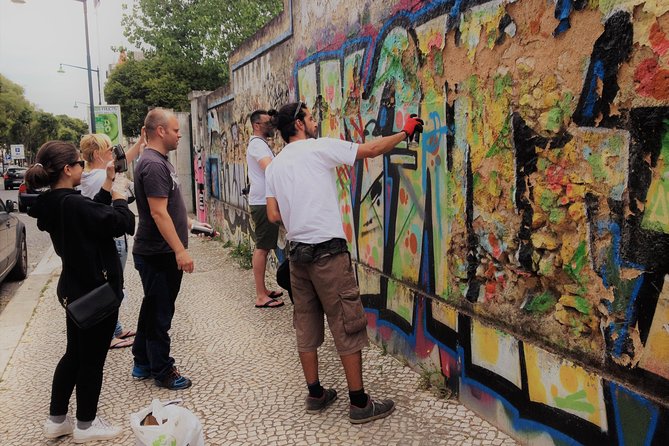
Your final stop is Estrada de Chelas, described simply as street art. By now, you’ve seen a viewpoint, festival-linked work, a color landmark, and community murals. That makes this last stop a great “compare and connect” moment.
Estrada de Chelas can feel more like the city’s working energy: road, movement, and walls that sit alongside everyday routines. The street art here tends to read like part of Lisbon’s flow, not staged for visitors. That’s why ending here can feel satisfying. You finish with street art that looks integrated, not curated.
Again, your time here is around 30 minutes, so don’t expect a long detour. Think of it as a final check-in: scan for themes you’ve already been learning to notice, and take photos with intent.
Guides: how the stories turn walls into meaning
This tour is driven by a guide who treats street art as culture. That shows up in the way guides talk about history and even the political climate around the scene. Reviews mention guides like Fernando, Manuel, and Rita for adding background that goes beyond art-technique talk. It’s not just where the murals are. It’s why they’re there and what they respond to.
The most practical benefit of a strong guide is focus. Without that context, you might leave with photos but no framework. With it, you’ll start spotting visual clues: style differences, recurring themes, and how the art connects to specific parts of the city.
There’s also a more personal feel to the small-group size. You’re less likely to get swept along like part of a line. Instead, you can ask the kind of questions that turn a mural from a pretty wall into a real story.
How to get the most out of the route (and your photos)
You’ll likely spend time looking up close and then stepping back. Lisbon street art often rewards both distances, so plan your photo habits:
- Take one photo from across the street to catch the whole composition
- Then move in for texture and lettering details
- Try to capture how the mural sits with the surrounding buildings
Comfort matters more than you might think. This isn’t a fully sedentary experience. The tour asks for moderate physical fitness, and viewpoints/hills are part of the plan. Wear comfortable shoes you can trust on uneven surfaces, and bring a light layer if the morning air feels cool.
If you’re coming to Lisbon mainly for classic sights, this tour is a good “second look” day. It gives you a different lens on the city’s identity, and you’ll come away with a stronger sense of Lisbon as a living place, not just a postcard.
One more tip: make a note of the meeting point in advance at Lisbon Destination Hostel by Rossio. If you show up a few minutes early, you avoid stress.
Who this tour suits best
This is a great fit if you want:
- an art-focused Lisbon experience that goes beyond the center
- a small group with time to actually look
- a guided explanation of how street art connects to place and context
- a route that saves you transit time via minivan
It’s also a solid choice if you’re traveling with a mix of art interests. Even if street art isn’t your top hobby, the viewpoints and neighborhood wall variety give you multiple ways to enjoy the day.
It may be less ideal if you want a slow, long-walk tour with minimal driving, or if you dislike neighborhood exploring. The route moves through multiple areas, and you should be okay with that pace.
Should you book this Lisbon street art tour?
Yes—if you care about modern Lisbon and you like your travel with context, not just checklists. The value is in the combination: local guide + minivan logistics + multiple mural stops in a tight time window. At $41.82, you’re paying for a structured way to see the Crono Project pieces and neighborhood street art without burning time on transit.
You should skip or reconsider if you’re not comfortable with moderate fitness, uneven streets, and a day spent mostly on walls and neighborhoods rather than famous monuments. Also, if you rely on hotel pickup and your lodging is far from Rossio, plan how you’ll reach the meeting point.
If that sounds manageable, this is one of the best ways to see Lisbon’s street art as locals experience it—by learning how it fits into the city you’re walking through.
FAQ
How long is the Lisbon Street Art Tour?
It lasts about 3 hours.
Is the tour in English?
Yes, it’s offered in English.
How many people are in the group?
The tour has a maximum of 8 travelers.
What stops will I visit?
You’ll visit Lumiar, Panorâmico de Monsanto, Alvalade (the Blue Wall), Carnide (Bairro Padre Cruz), and Estrada de Chelas.
What’s included in the price?
The tour includes a driver/guide, a local guide, pickup and drop-off from designated meeting points, and transport by air-conditioned minivan. Admission at the listed stops is free.
What is not included?
Hotel pickup and drop-off are not included.
Do I need a child seat if I bring a child?
Yes. You need to bring a child seat. If you don’t have one, contact the provider by phone to confirm availability.
Does the tour run in bad weather?
It operates in all weather conditions. If it’s canceled due to poor weather, you’ll be offered a different date or a full refund.
More Street Art in Lisbon
- Lisbon: Street Art Tour★ 4.9 · 1,324 reviews
- Lisbon: Kickstart Street Art Walking Tour★ 4.9 · 717 reviews
- Lisbon: Street Art Tuk Tuk Tour★ 4.9 · 372 reviews
- LISBON Street Art Tour★ 5.0 · 371 reviews
- 3-Hour Guided Street Art Walking Tour of Lisbon★ 5.0 · 278 reviews
More Tours in Lisbon
- Lisbon City Center Tour – The Unmissable Lisbon★ 5.0 · 22,234 reviews
- Lisbon: History, Stories and Lifestyle Walking Tour★ 4.8 · 10,902 reviews
- True 4Hour Private Tuk Tuk Tour: Discover Lisbon with a Local!★ 5.0 · 8,008 reviews
- Winner 2025 Undiscovered Lisbon Food & Wine Tour by Eating Europe★ 5.0 · 6,390 reviews
- Lisbon: Sintra, Pena, Cabo da Roca, Cascais Tour with Pickup★ 4.8 · 5,445 reviews
More Tour Reviews in Lisbon
- Lisbon City Center Tour – The Unmissable Lisbon★ 5.0 · 22,234 reviews
- Lisbon: Sintra, Pena, Regaleira, Cabo da Roca & Cascais★ 4.7 · 19,656 reviews
- Lisbon Card: 24, 48, or 72-Hour Pass★ 4.5 · 17,944 reviews
- Lisbon: Jerónimos Monastery Entrance Ticket★ 4.1 · 14,164 reviews
- Lisbon: History, Stories and Lifestyle Walking Tour★ 4.8 · 10,902 reviews
Just in: fresh Lisbon reviews from the team





Street Art, compared.
 ★ 4.9Street Art TourFrom $401,324 reviews
 ★ 4.9Kickstart Street Art Walking TourFrom $23717 reviews
 ★ 4.9Street Art Tuk Tuk TourFrom $165372 reviews
★ 5.0LISBON Street Art TourFrom $24371 reviews
★ 4.9Street Art Tuk Tuk TourFrom $165372 reviews
★ 5.0LISBON Street Art TourFrom $24371 reviews
 ★ 5.03-Hour Guided Street Art Walking Tour of LisbonFrom $42278 reviews
 ★ 5.0Lisbon Street Art Walking TourFrom $33141 reviews
 ★ 4.83-Hour Street Art Tuk Tuk TourFrom $21286 reviews
 ★ 5.0Street Art WalkFrom $4079 reviews
Browse the lists this tour appears in