
Reviewed · TAGUS RIVER CRUISES
Lisbon: River Tagus Sightseeing Cruise in Traditional Vessel
One of Lisbon’s easiest wow moments is from the water. This 105-minute Tagus cruise lets you glide past major sights with live narration on a traditional 1947 cargo boat, plus plenty of chances to catch the city’s famous viewpoints over Lisbon’s 7 hills. The best part for me is how the sights come at you in a clean, time-efficient way, not as a frantic walking checklist. If there’s a drawback, it’s that the river can be brisk and windy—though blankets are available.
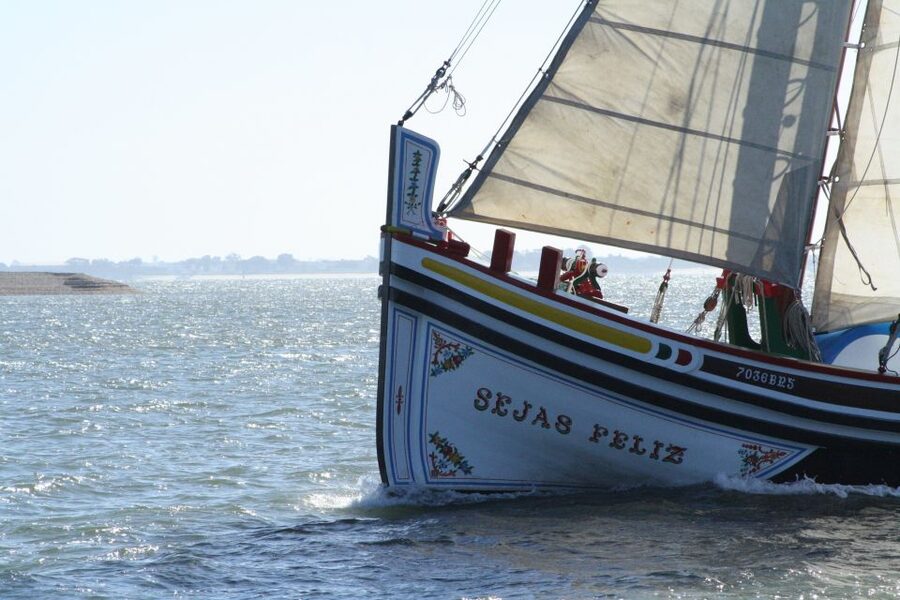
I also like the sense of character. The boat is hand-painted with flowers, and only seven vessels of this type remain, each tied to the Navy Museum’s collection. Live commentary in Spanish, English, Portuguese, and French keeps the story moving, even when you’re not a guidebook person. Just plan around the fact that it’s not wheelchair accessible and you should dress for cool air if you’re cruising in the evening or shoulder season.
In This Review
- Key Points Worth Your Time
- A 1947 Boat, Hand-Painted and Purpose-Built for Views
- Where the Cruise Starts: Terreiro do Paço to Cais do Sodré
- The Tagus River Stretch You’ll Actually Want to See
- Praça do Comércio: Lisbon’s Big Square, Rebuilt After 1755
- Castelo de São Jorge and the View of Lisbon’s 7 Hills
- Lisbon Cathedral (114) and Santa Engrácia: Two Ages in One Breath
- Christ the King: Listen for the Backstory
- Belém Appears: Jerónimos and the Belém Tower You Came for
- Padrão dos Descobrimentos: The Monument With a Ship-Departure Vibe
- Comfort, Weather, and How to Enjoy the 105 Minutes
- Price and Value: Is $28 a Good Deal?
- Who This Cruise Is For (and Who Might Skip It)
- Should You Book This Tagus Cruise?
- FAQ
- How long is the Lisbon Tagus sightseeing cruise?
- Where do I meet for the cruise?
- What sights will I see from the boat?
- What languages is the live guide offered in?
- Is food and drinks included?
- Is the tour wheelchair accessible?
- Are children allowed?
Key Points Worth Your Time
- A real 1947 traditional cargo boat, one of only a few still around
- Live multilingual commentary while you watch Lisbon slide by
- Prime stretch of the Tagus between Terreiro do Paço and Cais do Sodré
- Belém highlights included: Jerónimos, Belém Tower, and Padrão dos Descobrimentos
- Weather matters: river wind can be strong, but blankets help
A 1947 Boat, Hand-Painted and Purpose-Built for Views
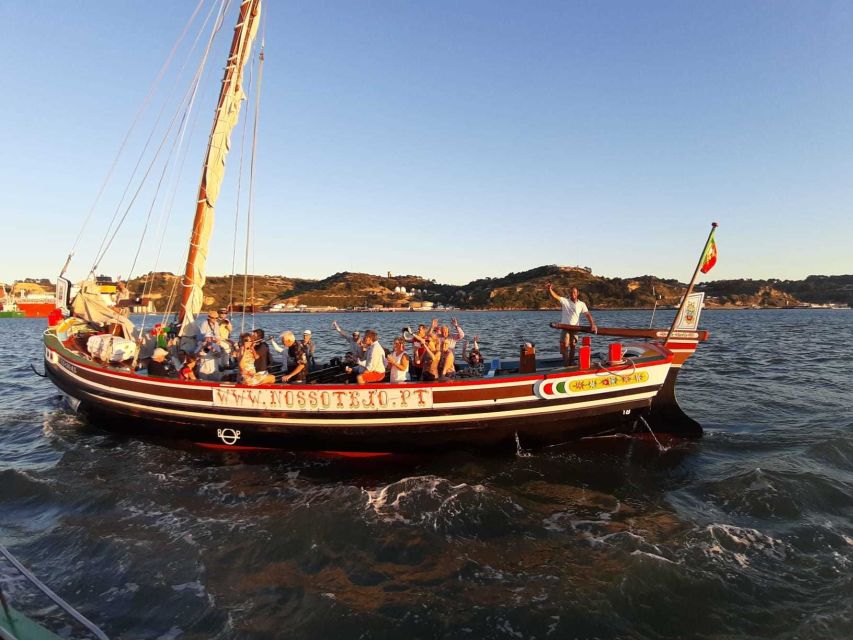
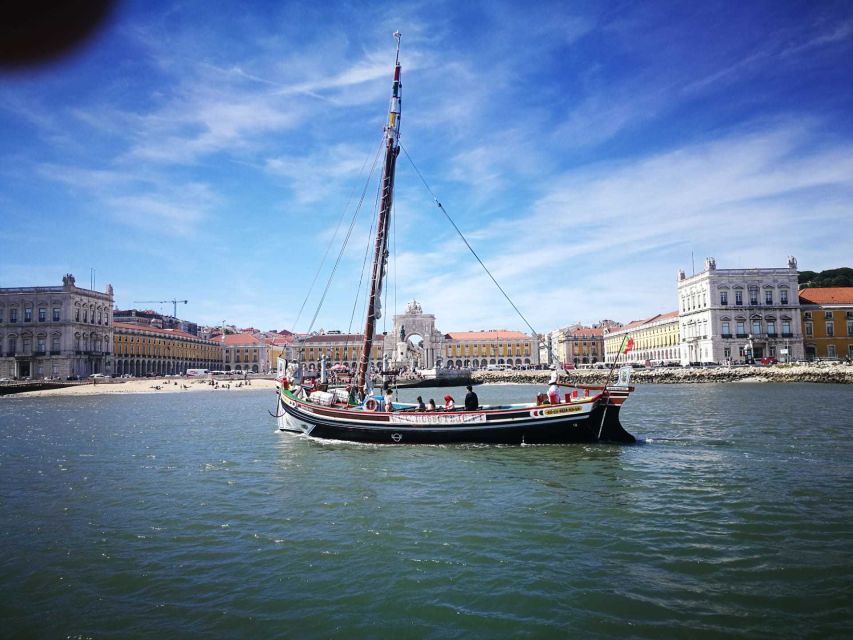
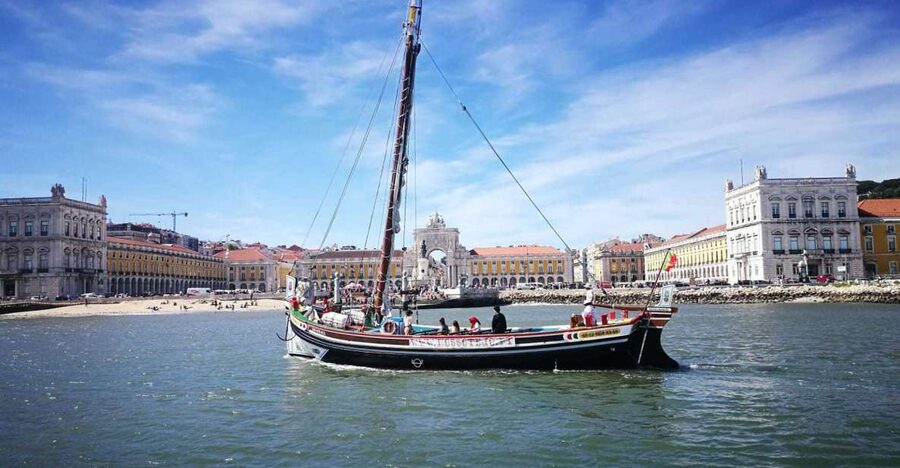
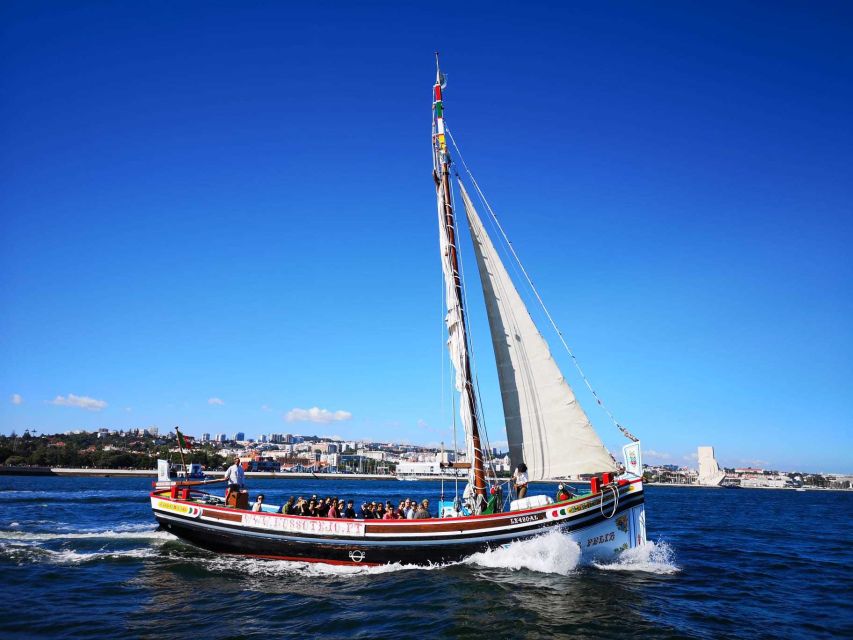
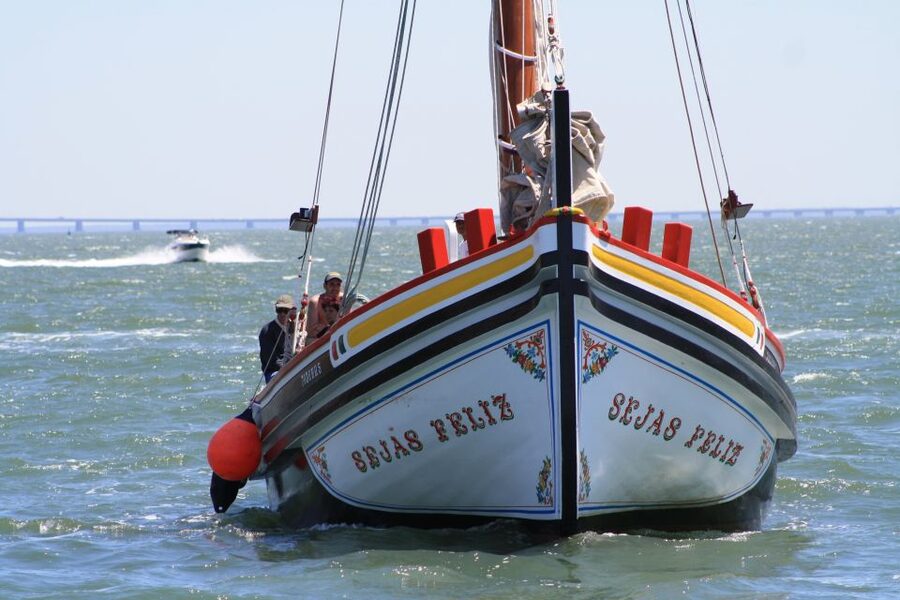
This cruise isn’t just another boat trip. You’re riding in a traditional 1947 cargo vessel, and it has that charming, slightly old-world look—the kind you notice the moment you board. The boat’s hand-painted flowers add a bit of whimsy, but the bigger point is authenticity: only seven boats of this size remain, and they’re connected to the Navy Museum. That alone makes the experience feel more specific than a generic sightseeing ride.
The format also works well for first-time visitors. You don’t have to choose between downtown and Belém. In 105 minutes, you get river views that walking tours often can’t match—especially when you’re trying to understand how Lisbon sits across hills and waterfront curves. You’ll be looking both forward and out over the city, and you’ll quickly see why Lisbon’s postcard angles exist in the first place.
Back on the Tagus: more hours on the water
- Lisbon: Sunset Boat Party Cruise with DJ and Open Bar
★ 4.5 · 10,378 reviews - Lisbon: Sunset Boat Tour with Music and Drinks
★ 4.6 · 3,908 reviews - Lisbon: Tagus River Cruise with Welcome Drink
★ 4.2 · 3,717 reviews - Lisbon: Daytime/Sunset/Night City Sailboat Tour with Drink
★ 4.9 · 3,114 reviews
Where the Cruise Starts: Terreiro do Paço to Cais do Sodré
Plan to meet at the river near Terreiro do Paço (Commerce Square). Specifically: go to the first white building by the river on the left side of Terreiro do Paço and look for ticket office number 8. The end point is back at the meeting area, at Cais do Sodré River Station, about 1 hour and 45 minutes later.
A small practical tip: arrive around 15 minutes early. The check-in is simple, but you don’t want to be last in line when the boarding time is underway. Also, the cruise is guided and timed, so you’ll get more enjoyment if you’re not rushing or standing around with your camera half-ready.
Onboard, you’re not just “watching.” You’re getting live commentary from the guide, offered in multiple languages, so you can follow along no matter which language you choose.
The Tagus River Stretch You’ll Actually Want to See
The cruise focuses on a part of the Tagus that connects Lisbon’s civic center to the water’s older working history. Early on, you’ll move along the waterfront between Praça do Comércio and Cais do Sodré, a stretch where you can feel the city’s shift from grand squares to practical harbor life.
You’ll also pass Ribeira das Naus, where many Portuguese explorers’ ships were built. Even if you’re not deep into maritime history, this part matters because it changes the way you read the waterfront. Instead of only seeing scenery, you start seeing purpose—why Lisbon’s water mattered so much to the Portuguese story of trade and exploration.
This is one of the reasons the cruise feels efficient. You’re not waiting in lines or bouncing between sites. You’re staying in one place, drifting at a comfortable pace, and letting the geography explain itself.
Praça do Comércio: Lisbon’s Big Square, Rebuilt After 1755
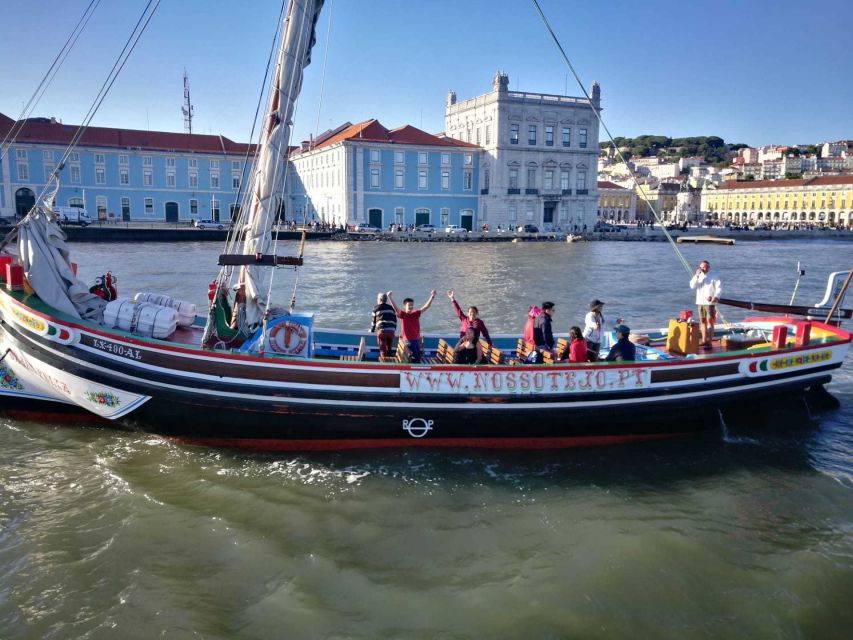
As the boat moves, you’ll reach Praça do Comércio, the largest square in Lisbon and one of its most iconic symbols. What’s especially worth listening for is the reason it exists in its present form: it was rebuilt after the great earthquake of 1755.
From the river, the square often reads as more than a “see it once” stop. It becomes a reference point. You can look out, then imagine the way the city’s center projects toward the water. That matters because Lisbon’s hills can make orientation confusing on foot. This square gives you a mental anchor quickly.
If you enjoy photo moments, this is a good stretch for pictures because you can frame the square and waterfront in the same frame, with the boat giving you a unique angle.
Worth a look before you lock anything else in around Lisbon:
Castelo de São Jorge and the View of Lisbon’s 7 Hills
One of the best payoffs of a river cruise is getting the skyline without climbing anything. On this ride, you’ll look for Castelo de São Jorge, the Moorish castle overlooking the historic center. Even if you don’t go up to the castle itself, the sight from the water helps you understand where it sits and why it dominates Lisbon’s upper zones.
You’ll also get the bigger geography lesson: Lisbon really is a city of 7 hills, and from the Tagus you can see the steep layers stacking above the waterfront. That’s hard to grasp from inside the streets. From the boat, it clicks fast. You’ll start noticing which neighborhoods rise and how they line up with major monuments.
This is also where live commentary helps. The guide points things out as you go, so you’re not just staring. You’re learning what you’re looking at.
Lisbon Cathedral (114) and Santa Engrácia: Two Ages in One Breath
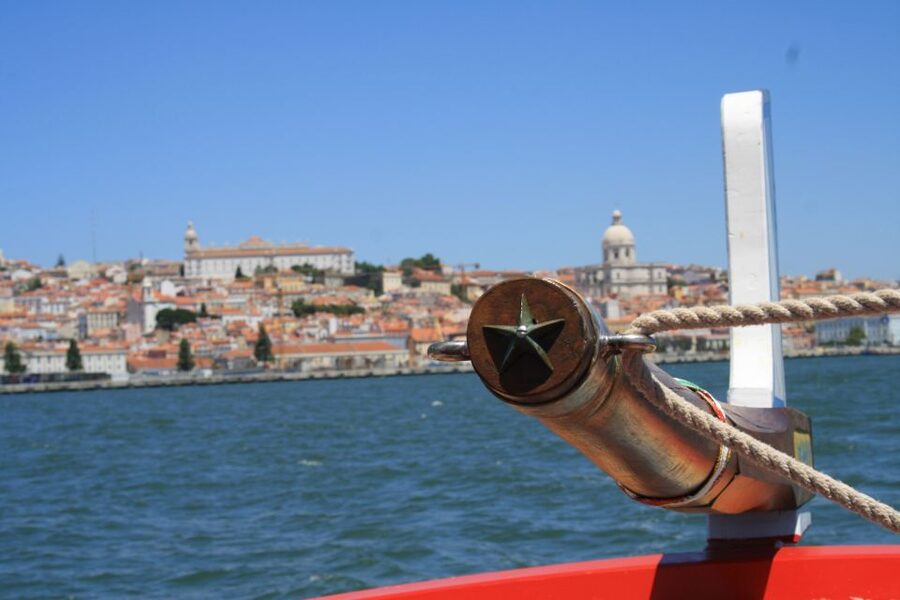
As the cruise continues, you’ll spot major religious landmarks, including Lisbon Cathedral, built in 114. That gives you a sense of the deep timeline Lisbon carries. Then you’ll also see Church of Santa Engrácia, a 17th-century monument that was converted into the National Pantheon.
From the water, these buildings have a different feel. Streets can hide them behind other structures. Along the river, you often get clearer sightlines that let you appreciate the scale and presence of the monuments without craning your neck from street level.
If you love architecture, this part is satisfying because it’s not one style repeating. You get at least two major eras and functions. If you’re more about the big story, the guide’s narration connects the dots as you pass.
Christ the King: Listen for the Backstory
Next comes Christ the King. You’ll also learn the interesting background behind it from the onboard guide. The key thing for you: don’t tune out when this appears. Even without stepping into a viewpoint, it’s one of those Lisbon landmarks that makes sense in context—why it’s there and what it represents.
This is one of the moments where the quality of narration makes a difference. Some people on the ride appreciate that the guide clearly spoke several languages fluently. Others wish the guide had more time to talk about history. Either way, Christ the King is worth paying attention to because it’s an instantly recognizable landmark and usually the commentary gives you the context you’d miss if you only looked.
Belém Appears: Jerónimos and the Belém Tower You Came for
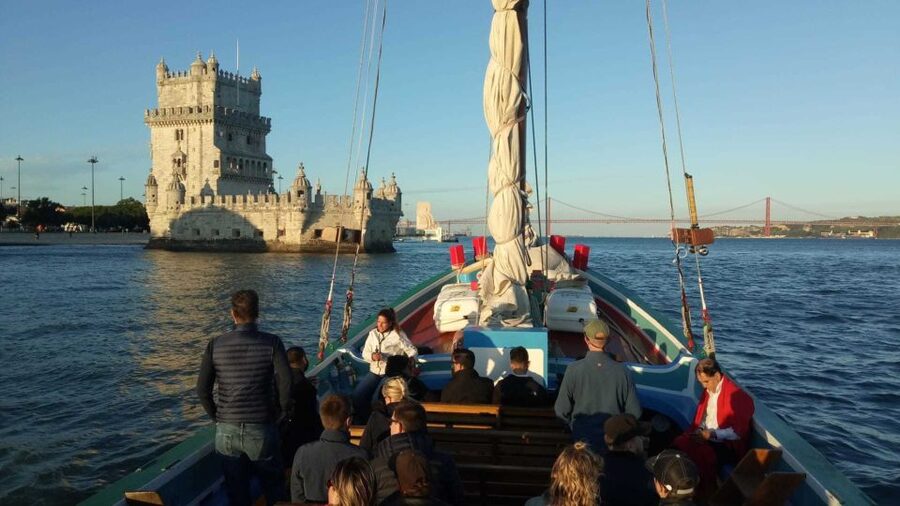
Then the cruise shifts toward Belém, home to two of Portugal’s most famous monuments: Mosteiro dos Jerónimos and Belém Tower. Both are World Heritage Sites, and both are in Gothic Manueline style, which is exactly the kind of ornate architecture that’s easy to miss up close if you’re moving fast.
From the water, these buildings look almost theatrical. That style—full of details and dramatic shapes—becomes easier to appreciate when you’re seeing them from a distance. The tower in particular tends to photograph well because you can frame it against the river and the surrounding shoreline.
This is one of the cruise’s biggest strengths: you get Belém’s headline sights without dealing with planning, transport changes, or the time needed to walk between them. In a trip with tight time, that kind of efficiency is gold.
Padrão dos Descobrimentos: The Monument With a Ship-Departure Vibe
Your route also takes in Padrão dos Descobrimentos, a monument connected to Portugal’s maritime era—specifically, where ships departed to trade with the East. This is a good moment to listen closely. Even if you’re not going to the museum side of things, the narration helps you understand the monument’s purpose instead of treating it like another statue.
For me, this stop is where the cruise’s theme becomes clear. This boat ride isn’t only sightseeing; it’s a visual story of Lisbon’s relationship with the sea—working ports, explorers’ shipbuilding, then monumental commemoration.
Comfort, Weather, and How to Enjoy the 105 Minutes
This cruise is not an all-day slog. It’s timed for real-life travel rhythms: 105 minutes, with a clear start and end back near the meeting point. That makes it a strong option on arrival day or on a day you want to keep flexible.
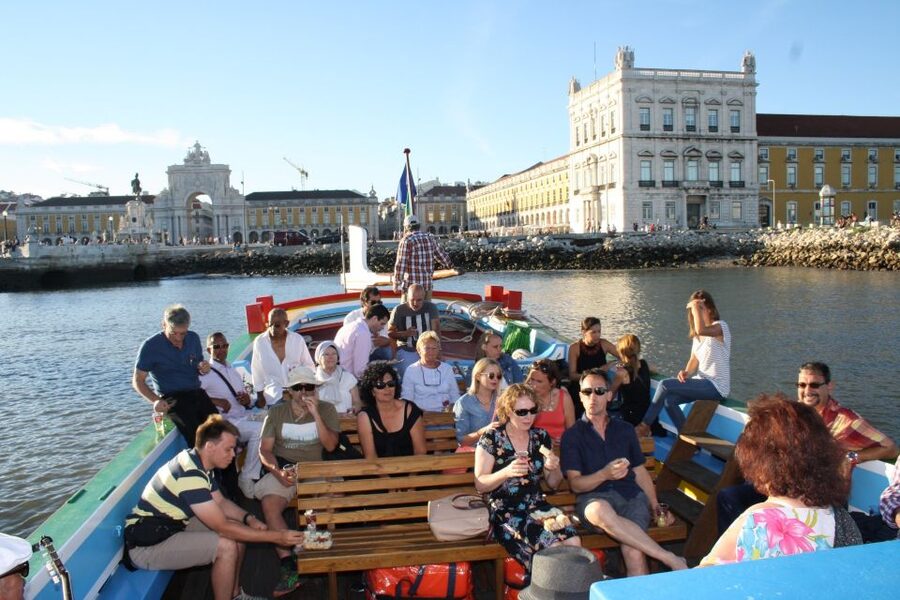
On comfort: the boat is described as comfy. You’re sitting and watching rather than walking, which is a relief if your Lisbon days involve steep streets. Also, you’ll likely notice staff and crew are friendly, and some rides include water offered during the trip.
Weather is the main wildcard. The river can feel brisk and windy, and that can affect how much you enjoy standing to get a better view. The good news is that blankets are offered, which makes a big difference. Bring comfortable layers even if it looks mild when you leave the hotel.
Price and Value: Is $28 a Good Deal?
At about $28 per person, this cruise sits in the “worth it if it fits your time” category. Here’s why.
You’re paying for three things that are hard to replicate cheaply:
- The boat ride itself, using a rare traditional 1947 vessel
- Live multilingual guiding while you pass multiple major monuments
- A fast way to cover both the downtown waterfront and Belém’s marquee sights without coordinating transport between areas
If you’re the type who likes efficiency and big-picture orientation, you’ll feel like you got your money’s worth quickly. If you hate wind and prefer slow, detailed site visits, you might want to use the cruise as a supplement rather than a replacement for going inside monuments.
For many visitors, the value comes down to time. Lisbon can chew up hours with transit and hill-walking. This gives you an organized view line of sight for the city and the river.
Who This Cruise Is For (and Who Might Skip It)
This tour works best if you want:
- A comfortable, guided way to see multiple landmarks in one go
- River views that help you understand Lisbon’s layout fast
- Belém highlights without a long day of walking and hopping between neighborhoods
I’d also recommend it if you’re traveling with someone who gets tired of stairs or you’re balancing a packed itinerary.
I’d think twice if you strongly prefer quiet, self-paced exploring or if you get miserable in wind. The blankets help, but it’s still an outdoor river ride.
Should You Book This Tagus Cruise?
I think you should book it if you’re excited by the idea of seeing Lisbon’s key sights from the water and you want a straightforward 105-minute plan. The blend of the traditional 1947 boat, the rare remaining vessels, and the practical route from Praça do Comércio to Belém makes it more than generic sightseeing.
Book it especially if your time is tight. This is one of those tours that can help you get oriented fast, then make the rest of Lisbon easier to navigate on foot.
Skip it only if your priority is long, in-depth monument visits. This cruise gives big views and guided context, not a replacement for exploring each site up close.
FAQ
How long is the Lisbon Tagus sightseeing cruise?
It lasts 105 minutes.
Where do I meet for the cruise?
Meet at the first white building by the river on the left side of Terreiro do Paço (Commerce Square). Look for ticket office number 8.
What sights will I see from the boat?
You’ll see highlights including Praça do Comércio, Castelo de São Jorge, Lisbon Cathedral (114), Church of Santa Engrácia (National Pantheon), Christ the King, and in Belém Mosteiro dos Jerónimos, Belém Tower, and Padrão dos Descobrimentos.
What languages is the live guide offered in?
Live commentary is available in Spanish, English, Portuguese, and French.
Is food and drinks included?
No. Food and drinks are not included.
Is the tour wheelchair accessible?
No. It is not wheelchair accessible.
Are children allowed?
Children can go, but must be accompanied by an adult, and unaccompanied minors are not allowed.
More Cruises & Boat Tours in Lisbon
- Lisbon: Sunset Boat Party Cruise with DJ and Open Bar★ 4.5 · 10,378 reviews
- Lisbon: Sunset Boat Tour with Music and Drinks★ 4.6 · 3,908 reviews
- Lisbon: Tagus River Cruise with Welcome Drink★ 4.2 · 3,717 reviews
- Lisbon: Daytime/Sunset/Night City Sailboat Tour with Drink★ 4.9 · 3,114 reviews
- Lisbon: Sunset Cruise with Welcome Drink and Snacks★ 4.4 · 3,021 reviews
More Tour Reviews in Lisbon
- Lisbon City Center Tour – The Unmissable Lisbon★ 5.0 · 22,234 reviews
- Lisbon: Sintra, Pena, Regaleira, Cabo da Roca & Cascais★ 4.7 · 19,656 reviews
- Lisbon Card: 24, 48, or 72-Hour Pass★ 4.5 · 17,944 reviews
- Lisbon: Jerónimos Monastery Entrance Ticket★ 4.1 · 14,164 reviews
- Lisbon: History, Stories and Lifestyle Walking Tour★ 4.8 · 10,902 reviews
More Hours on the Tagus
- Lisbon: Sunset Boat Party Cruise with DJ and Open Bar★ 4.5 · 10,378 reviews
- Lisbon: Sunset Boat Tour with Music and Drinks★ 4.6 · 3,908 reviews
- Lisbon: Tagus River Cruise with Welcome Drink★ 4.2 · 3,717 reviews
- Lisbon: Daytime/Sunset/Night City Sailboat Tour with Drink★ 4.9 · 3,114 reviews
- Lisbon: Sunset Cruise with Welcome Drink and Snacks★ 4.4 · 3,021 reviews
Just in: fresh Lisbon reviews from the team




Tagus River Cruises, compared.
 ★ 4.5Sunset Boat Party Cruise with DJ and Open BarFrom $2710,378 reviews
 ★ 4.6Sunset Boat Tour with Music and DrinksFrom $183,908 reviews
 ★ 4.2Tagus River Cruise with Welcome DrinkFrom $163,717 reviews
 ★ 4.9Daytime/Sunset/Night City Sailboat Tour with DrinkFrom $413,114 reviews
 ★ 4.4Sunset Cruise with Welcome Drink and SnacksFrom $353,021 reviews
 ★ 4.0Tagus River Cruise to the Ocean & Dolphin WatchingFrom $383,019 reviews
 ★ 4.7Sunset Catamaran Boat Tour with Music and DrinksFrom $262,834 reviews
 ★ 4.2Tejo River Sightseeing CruiseFrom $212,799 reviews
Browse the lists this tour appears in