
Reviewed · SAFARI
Lisbon: Ocean Safari with Marine Biologists
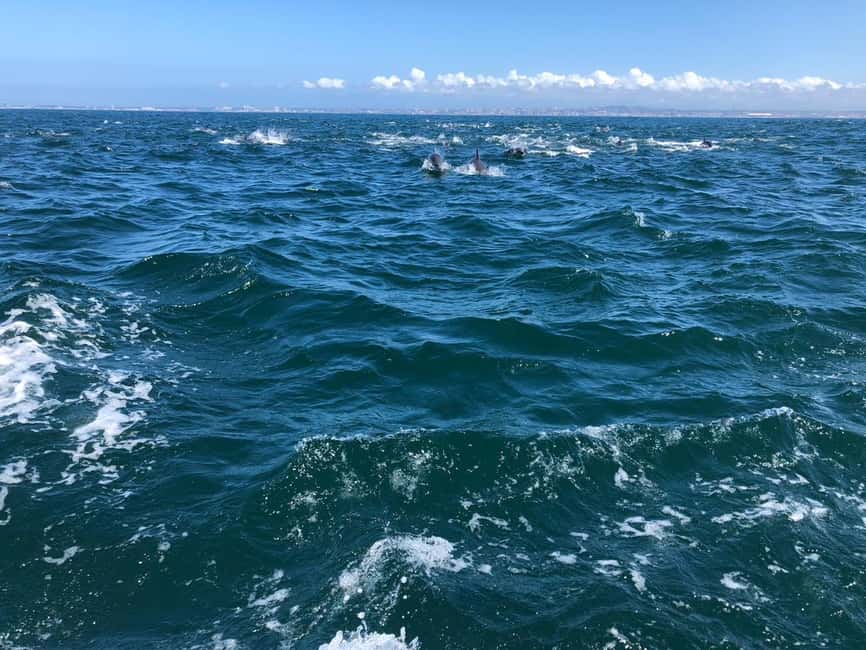
Dolphins meet scientists on a fast RIB ride. I love how the RIB boat puts you in the right place to spot dolphins and schooling fish, and I love the onboard teaching from the marine biologists—especially how they connect the estuary meeting the open ocean to the birds and predators you may see. One thing to consider: this is an energetic, water-focused trip, so if you get seasick easily, you’ll want to think twice.
The day has a nice rhythm: you scan the Lisbon coast from the water, then you step onto solid ground at Fort of São Lourenço do Bugio for a guided stop tied to the area’s old lighthouse and coastal drama. If you’re the type who likes wildlife plus real explanations (not just spotting and guessing), this format works.
Plan your morning carefully. The start time is daily at 9:30 AM, and the meeting point can vary depending on which starting option you choose, so you’ll want a buffer for walking and any parking stress if you’re driving.
In This Review
- Key Highlights Worth Booking For
- A RIB Boat Safari That’s Built for Real Wildlife Watching
- 9:30 AM Starts and Two Lisbon Dock Options
- The Water Time: Safety First, Then Dolphin Scanning
- What the Marine Biologists Help You Notice
- Choppy Seas vs. Calm Water: How the Ride Feels
- Fort of São Lourenço do Bugio: More Than a Name on a Map
- Cliff Views and the Old Lighthouse Moment
- The Route Logic: Why Dolphins Tend to Appear When They Do
- Price and Value: What $63 Buys You (and What It Doesn’t)
- What to Bring (So You’re Not Miserable on a Windy Coast)
- The Rules That Make This Work for Animals and People
- Who This Tour Suits Best
- Should You Book the Lisbon Ocean Safari?
- FAQ
- What time does the Lisbon Ocean Safari depart?
- Where does the tour start?
- How long is the experience?
- What’s included in the ticket price?
- Are food and drinks included?
- Is the tour suitable for children or for people who get seasick?
Key Highlights Worth Booking For
- Marine biology on board: You’re not just watching—you’re learning how the system works.
- High-speed RIB time on the water: Fast scouting for dolphins, birds, and schooling fish.
- Estuary-to-ocean connection: The meeting point of waters drives the ecology.
- Fort of São Lourenço do Bugio guided tour: A landmark stop linked to the old lighthouse area.
- Wildlife viewing rules that protect animals: Life jackets on you, marine life left alone.
- A route built around feeding activity: Sardines/tuna often lead to dolphin-and-bird action.
A RIB Boat Safari That’s Built for Real Wildlife Watching
This tour is the kind of Lisbon activity that feels different from the usual city checklist. You start with a RIB boat ride out into the bay and along the coast, where wildlife is the main event. Then you add a guided cultural stop at Fort of São Lourenço do Bugio, so your morning isn’t only about spotting from the water.
What makes it especially appealing is the combination of pace and explanation. A fast boat helps you cover more water quickly. And the biologists on board give you the “why” behind what you’re seeing—how feeding, migration, and ocean conditions line up. Even if dolphins don’t show up on the day you go, you’ll still get a strong sense of how this ecosystem functions.
The ride is active. It’s not a slow sightseeing cruiser. That’s part of the fun, but it also means you should take motion seriously if you’re prone to seasickness.
Worth a look before you lock anything else in around Lisbon:
- Lisbon: Dolphin Watching with a Marine Biologist – Ocean Safari
★ 5.0 · 812 reviews - Arrabida Safari – Europe’s Most Beautiful Beach & Hidden Gems
★ 5.0 · 190 reviews - Private Safari Tour to Espichel Cape & West Coast Wild Beaches
★ 5.0 · 59 reviews - Lisbon Dolphin Watching Ocean Safari
★ 5.0 · 35 reviews
9:30 AM Starts and Two Lisbon Dock Options
The tour departs daily at 9:30 AM, and your experience starts long before the boat leaves. There are two possible starting points listed: Doca Alcântara (one option) and an option connected to Doca de Santo Amaro. The exact meeting point can vary depending on what you booked.
Here’s how I’d handle it if you’re trying to keep the day stress-free:
- Arrive early enough to walk from the dock area without rushing.
- If you’re driving, give yourself extra time for parking and getting your bearings. The biggest risk isn’t the sea—it’s missing the start because the meeting point isn’t obvious in time.
- If you’re taking public transport, aim to arrive with buffer time, then settle in rather than sprinting to the boat.
Once you’re there, you’ll get a safety briefing first—about 15 minutes—and you’ll receive life jackets.
The Water Time: Safety First, Then Dolphin Scanning
After the briefing, you’re on the RIB for the marine portion of the adventure. This is the part where the boat’s speed matters, because it helps the crew and biologists react quickly to sightings and changing conditions.
You’re also there to observe wildlife in a specific way: the tour includes wildlife observation but forbids touching marine life and prohibits alcohol and drugs. That’s good practice for the animals and for your own safety. It also keeps the experience focused: heads up, eyes on the water, and follow instructions.
What I like about this setup is that it doesn’t pretend wildlife is guaranteed. They give you the chance, and they teach you what to look for—so even quiet stretches still make sense.
What the Marine Biologists Help You Notice
The biologists on board turn random spotting into a real learning experience. They’ll point out how the bay works, including the ecological “meeting” where the estuary connects to the ocean.
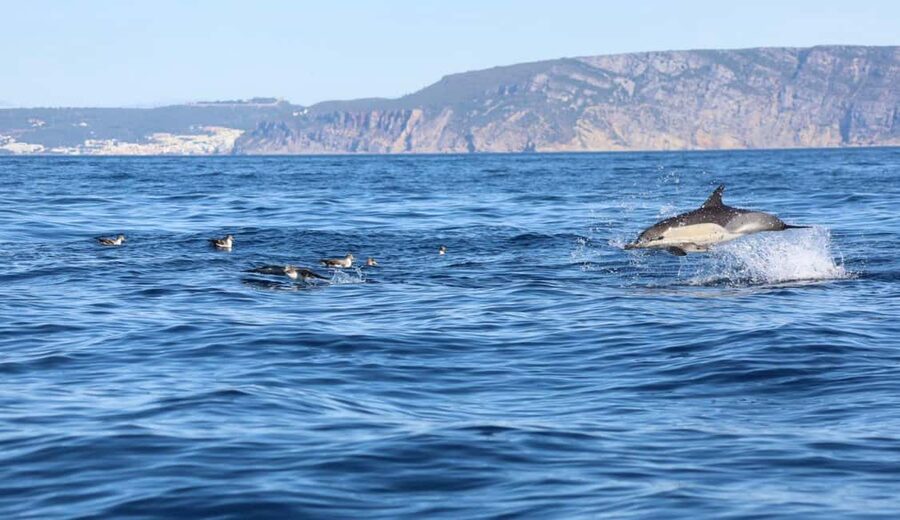
They also set your scanning strategy around feeding patterns. A big one they mention is how pelagic fish like sardines and tuna can migrate or school in ways that attract predators and birds. When those fish move, you may spot:
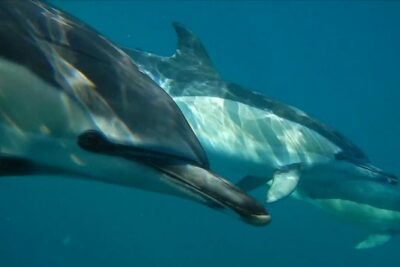
- Dolphins hunting or interacting with the schooling fish
- Cormorants diving or feeding
- Shearwaters cutting across the water surface
- Gannets making plunge-feeds
Even if you don’t get the full set of sightings, understanding the chain reaction helps you watch smarter. You stop looking just for the animal and start looking for the situation that draws animals together.




Choppy Seas vs. Calm Water: How the Ride Feels
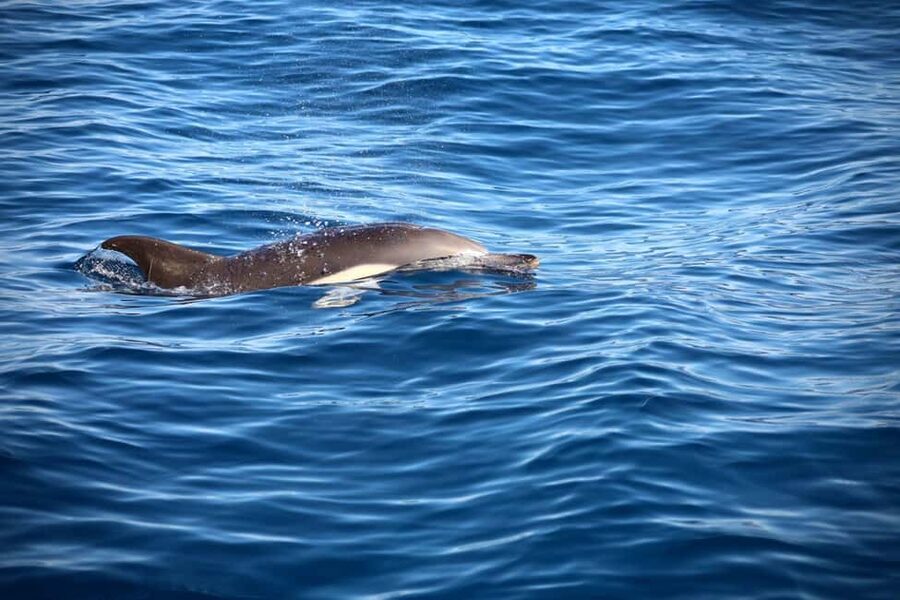
The tour is designed for wildlife viewing, which means the water conditions matter. One reason people enjoy RIB rides is the energy—the faster turns, the salt air, the feeling of being right where things happen.
But there’s a real trade-off: if the sea is choppy, the ride can feel rougher. And if you’re the type who gets motion sickness quickly, this tour is not suitable.
My practical advice is simple: if you’re uncertain, ask yourself honestly whether you handle boats well in general. If you don’t, don’t gamble on a short-term fix. The tour emphasizes that risk for a reason.
Fort of São Lourenço do Bugio: More Than a Name on a Map
Midway through your outing, the plan includes a guided stop at Fort of São Lourenço do Bugio for about 2 hours. The tour description also mentions the thrill of seeing cliffs and an old lighthouse along the Lisbon coast—this fort is where that story becomes more tangible.
This is your chance to slow down a bit and connect what you saw from the water to the human-built coastline around it. From a visitor point of view, the best part of a fort stop like this is the perspective: you can stand in a place that helps you understand why ships, sea routes, and lookout points mattered here.
What to watch for during the guided time:
- How the coastline features connect with the marine area you rode through
- The role of lighthouse/fortification areas as part of coastal navigation and coastal attention
- Any views that help you imagine what the crew was doing while scouting wildlife from the RIB
The fort portion also balances the morning. Wildlife watching is exciting, but constant scanning tires people out. Having a guided landmark stop keeps the day from feeling one-note.
Cliff Views and the Old Lighthouse Moment
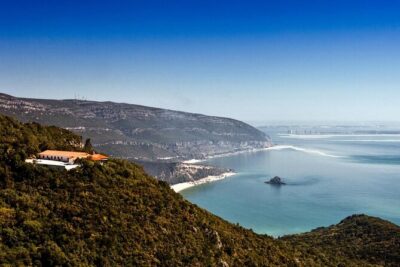
Lisbon’s coastline can feel dramatic from the water. One of the stated highlights is admiring the stunning cliffs and the old lighthouse along the coast. That’s exactly the kind of visual payoff that makes an ocean safari feel special even on a day where wildlife sightings vary.
Think of it like this: dolphins are the headline, but cliffs and lighthouse structures are the stage. They help you understand you’re not just cruising—this is a coastline with real character and real reasons to be watched.
Photo-wise, you’ll likely want to keep your camera or phone ready for quick shots when the light shifts. Just follow the safety guidance and keep devices secured while the boat is moving.
The Route Logic: Why Dolphins Tend to Appear When They Do
One of the most useful parts of this tour is learning how sightings often link together. The biologists’ explanations focus on ecological timing—how migration and schooling can bring the whole cast into the same area.
Here’s the simple logic the tour emphasizes:
- Fish school or migrate (like sardines/tuna)
- That feeding activity attracts birds
- Predators like dolphins may hunt alongside or around that action
So when you’re watching the water, you’re not stuck hoping for a random miracle. You’re learning how to read the clues: birds feeding, surface activity, and signs of movement.
This makes the experience feel more rewarding. Even if dolphins are shy, you’re still watching a real system at work.
Price and Value: What $63 Buys You (and What It Doesn’t)
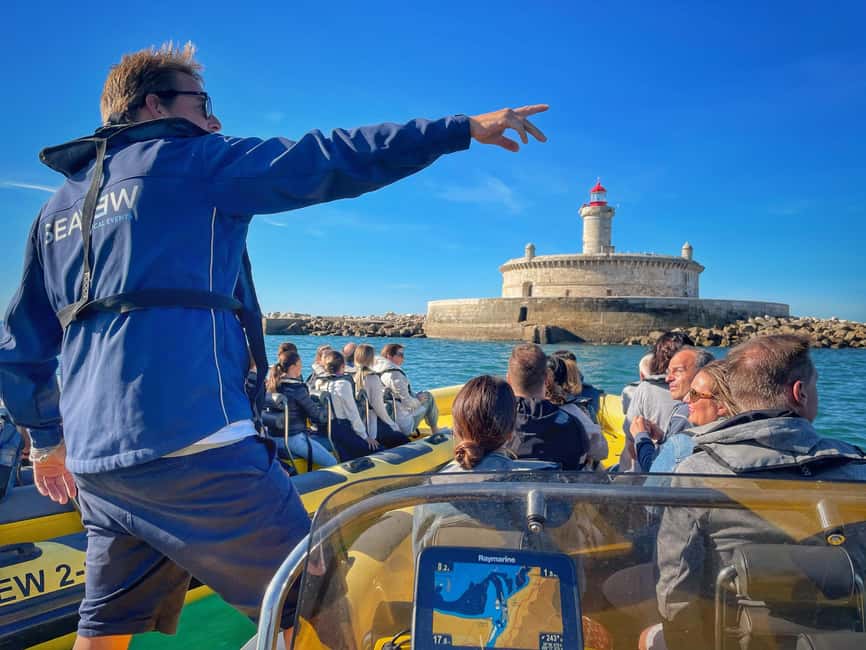
At $63 per person for about 150 minutes, this tour is priced like a mid-range marine experience. The value comes from stacking multiple elements:
- A RIB boat tour (not a slow boat)
- A live biologist on board doing interpretive wildlife education
- Wildlife observation with a guided approach
- Included safety gear and operational costs like insurance, fuel, and government fees
What you pay extra for is mostly personal comfort: food and drinks aren’t included, and windbreakers aren’t included either.
So if you’re the type who needs a snack and a plan for comfort, budget for it. If you pack smart and hydrate, you’ll get more out of the ride and feel less cranky when the wind picks up.
What to Bring (So You’re Not Miserable on a Windy Coast)
The tour is short enough that you don’t need an elaborate kit, but you do need basics for sun, wind, and comfort. Bring:
- A hat
- Sunscreen
- Water
- Comfortable clothes
Also keep in mind the rules. You can’t wear high-heeled shoes. And you should avoid anything that interferes with safe movement around boats.
Wind is a big deal on the water. Since windbreakers aren’t included, wear layers you can handle if temperatures feel cooler once you’re moving.
The Rules That Make This Work for Animals and People
It’s not just about fun—this tour includes practical conduct rules. You’re told not to touch marine life, and alcohol and drugs are not allowed. That matters because it keeps wildlife behavior natural and reduces risk while you’re close to active water.
Life jackets are provided and the tour includes an insurance component, which signals they’re operating with real safety in mind. The initial safety briefing is also important—listen, even if you think you already know the drill.
Who This Tour Suits Best
This is a strong fit for people who:
- Want wildlife plus education in the same morning
- Like active formats and don’t mind a bit of spray and motion
- Enjoy learning why animals behave the way they do, not only spotting the animals
It’s not a great fit if:
- You’re prone to seasickness
- You have kids under 6 (the tour isn’t suitable for them)
- You’re expecting a relaxed walking sightseeing pace only
If you want a high-energy ocean outing near Lisbon with expert explanations, this is the right direction.
Should You Book the Lisbon Ocean Safari?
Book it if you want a mix of marine wildlife viewing, biologist-guided learning, and a guided stop at Fort of São Lourenço do Bugio with cliff and lighthouse scenery. The timing works well for a Lisbon day because the tour is around 2–3 hours total, and it starts at a clear 9:30 AM.
Skip it if seasickness is a problem for you, or if you’re looking for a totally calm, slow, low-motion experience. Also, if you’re driving, plan extra time for arriving at the dock area so you don’t lose the start due to parking or getting turned around—this is one tour where timing really matters.
If you’re ready to be outdoors, look hard at the water, and learn how the ecosystem connects, this is a genuinely rewarding choice.
FAQ
What time does the Lisbon Ocean Safari depart?
The tour departs daily at 9:30 AM.
Where does the tour start?
It can start from either Doca Alcântara or a Doca de Santo Amaro option, depending on the booking. The meeting point may vary.
How long is the experience?
The duration is listed as about 150 minutes, and it’s described as a 2–3 hour adventure.
What’s included in the ticket price?
Included are the RIB boat tour, a live tour biologist, wildlife observation, life jackets, insurance, fuel, and government fees.
Are food and drinks included?
No. Food and drinks are not included.
Is the tour suitable for children or for people who get seasick?
It’s not suitable for children under 6 years. It’s also not suitable for people prone to seasickness.
More Safari in Lisbon
- Lisbon: Dolphin Watching with a Marine Biologist – Ocean Safari★ 5.0 · 812 reviews
- Arrabida Safari – Europe’s Most Beautiful Beach & Hidden Gems★ 5.0 · 190 reviews
- Private Safari Tour to Espichel Cape & West Coast Wild Beaches★ 5.0 · 59 reviews
- Lisbon Dolphin Watching Ocean Safari★ 5.0 · 35 reviews
- Sintra Jeep Safari – Lisbon Pickup★ 5.0 · 6 reviews
More Tour Reviews in Lisbon
- Lisbon City Center Tour – The Unmissable Lisbon★ 5.0 · 22,234 reviews
- Lisbon: Sintra, Pena, Regaleira, Cabo da Roca & Cascais★ 4.7 · 19,656 reviews
- Lisbon Card: 24, 48, or 72-Hour Pass★ 4.5 · 17,944 reviews
- Lisbon: Jerónimos Monastery Entrance Ticket★ 4.1 · 14,164 reviews
- Lisbon: History, Stories and Lifestyle Walking Tour★ 4.8 · 10,902 reviews
Just in: fresh Lisbon reviews from the team



Safari, compared.
 ★ 5.0Dolphin Watching with a Marine Biologist – Ocean SafariFrom $62812 reviews
 ★ 5.0Sintra Jeep SafariFrom $71311 reviews
 ★ 5.0Arrabida Safari – Europe’s Most Beautiful Beach & Hidden GemsFrom $119190 reviews
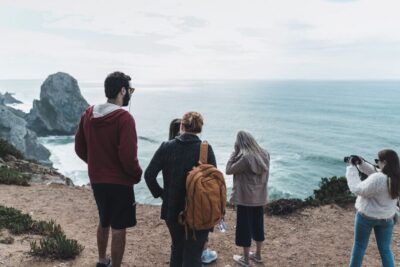 ★ 5.0Sintra: Regaleira, Cabo da Roca and Cascais Jeep Safari TourFrom $7375 reviews
 ★ 5.0Private Safari Tour to Espichel Cape & West Coast Wild BeachesFrom $11959 reviews
 ★ 5.0Pena Palace Jeep SafariFrom $7036 reviews
 ★ 5.0Private Jeep Safari in SintraFrom $33435 reviews
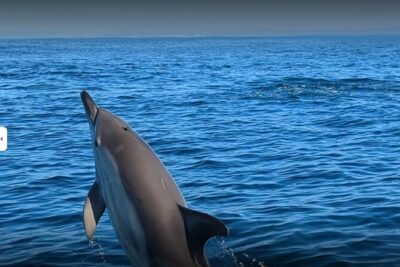 ★ 5.0Lisbon Dolphin Watching Ocean SafariFrom $7235 reviews
Browse the lists this tour appears in