Reviewed · LISBON
Lisbon in the eye of a Portuguese writer
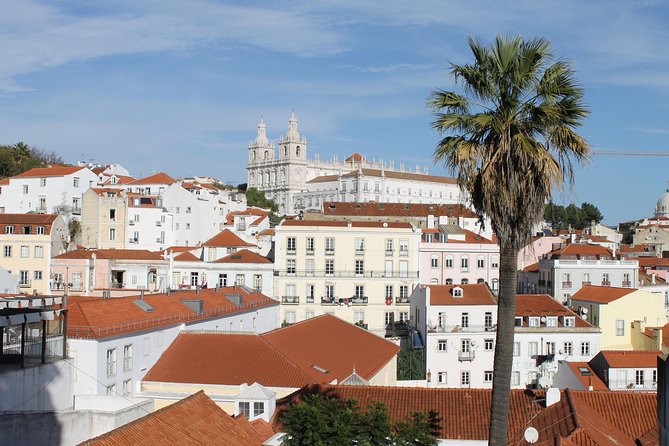
Lisbon clicks into place fast. This 2-hour walk links major streets to the stories you’ll want to remember, from the 1974 revolution square area to classic viewpoints and squares. I love how this tour makes the city feel navigable right away, without dealing with traffic, parking, or transportation stress.
My favorite part is the private-guide attention in a small group (max 10). You get a guide who can answer your questions on the spot and share tailored ideas for what to do next during your trip. A nice bonus: pastéis de nata snacks are included, and the stop is set up for a real food moment, not a rushed photo break.
One thing to consider: this is a walking tour with a moderate physical fitness expectation, so wear comfy shoes and plan to keep moving for about two hours.
In This Review
- Key Things to Look Forward To
- Chiado Begins the Story: From 1974 Square to Santa Justa Views
- Baixa de Lisboa Route: Rossio Station, Restauroadores Square, and More
- The Portuguese Writer Lens: Storytelling You Can Use
- Pastéis de Nata and the Small Food Moment You’ll Remember
- Small Group, Private Guide Feel, and Easy English
- Where the Walk Ends: Praça do Comércio and What to Do Next
- Who Should Book This Walk (and Who Might Skip It)
- Should You Book This Lisbon Walk?
- FAQ
- What’s the duration of the tour?
- How much does it cost?
- Is admission included for the stops?
- What’s included in the tour?
- Where does the tour start and end?
- What should I know about cancellation?
Key Things to Look Forward To
- Chiado start with a 1974 revolution connection
- Santa Justa Elevator views, with the elevator-related entry listed as free
- Baixa de Lisboa route through Rossio and Restauradores squares
- House of Alentejo and Santo Domingo Church included on the walk
- Pastéis de nata snack included
- Max 10 people with undivided guide time in English
Chiado Begins the Story: From 1974 Square to Santa Justa Views
You start at Largo do Carmo 16, and the first stretch sets the tone fast. The route begins near a square tied to the Portuguese revolution in 1974, which is a smart way to get your bearings. Instead of starting with random landmarks, you begin with a moment of meaning—something that helps the streets feel less like a checklist and more like a lived-in place.
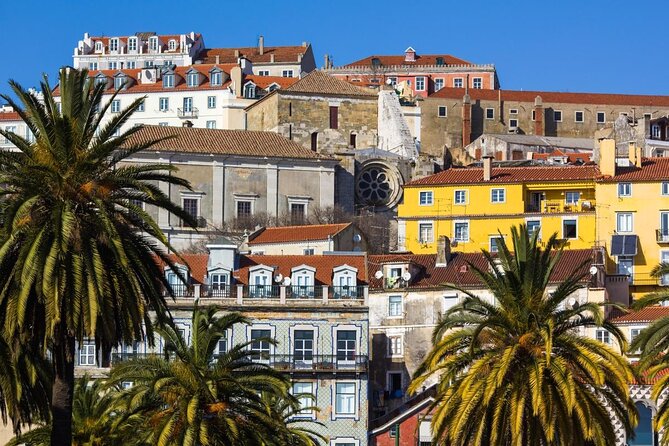
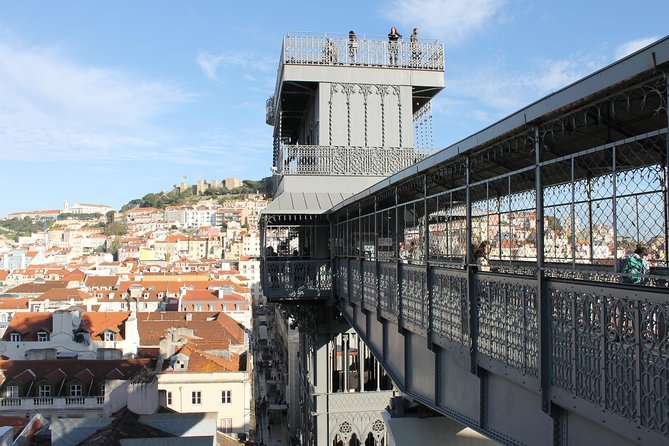
From there, the plan moves toward Santa Justa Elevator for a view. Even if you have been to Lisbon before, this angle can surprise you because the city doesn’t just look pretty from postcards. It looks structured—like different neighborhoods speak to different chapters of the city’s life. And since the itinerary lists the elevator-related admission as free, it’s an especially good payoff for the time you’re spending outdoors.
The practical side matters too. A walking tour like this keeps you out of the hassle zone. You won’t be hunting for parking, or timing around traffic, or figuring out how to reposition yourself between sites. You also get the guide right beside you, which is where the value really shows: if you want to know why that street curves the way it does, you can ask and get an answer immediately.
The only watch-out is your pace. Even without extra steps mentioned, this start sets you up for continued walking. If you know you tire quickly, bring water and treat the early part as your warm-up—not the section where you try to “save your energy” for later.
Still deciding? See how this one measures up against a few Lisbon favourites.
- Lisbon City Center Tour – The Unmissable Lisbon
★ 5.0 · 22,234 reviews - Lisbon: Sintra, Pena, Regaleira, Cabo da Roca & Cascais
★ 4.7 · 19,656 reviews - Lisbon: Jerónimos Monastery Entrance Ticket
★ 4.1 · 14,164 reviews - Lisbon: History, Stories and Lifestyle Walking Tour
★ 4.8 · 10,902 reviews
Baixa de Lisboa Route: Rossio Station, Restauroadores Square, and More
Next comes the old-city heart: Baixa de Lisboa on the Baixa Pombalina circuit. This is the section that helps you understand how the city functions in everyday life. You’ll pass by major reference points that you can actually use later—places that show up again and again when you’re trying to plan dinner, transit, or where to wander next.
The route includes several named stops you can anchor in your memory:
- Dom Pedro IV Square
- Rossio Station
- Restauradores Square
That matters because those are the kinds of locations you’ll want to recognize when you’re walking on your own later. The guide doesn’t just point; the structure of the route gives you a built-in mental map.
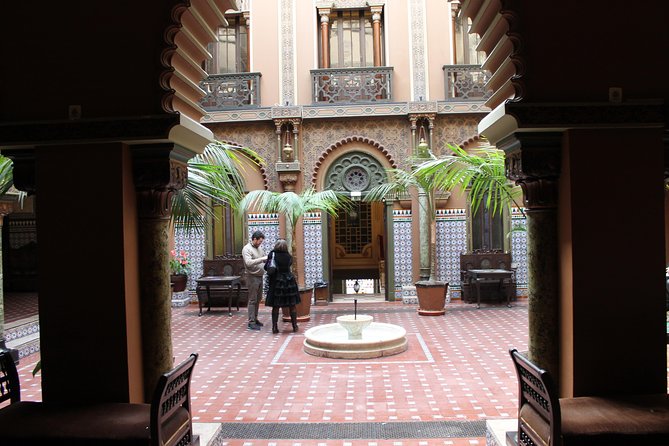
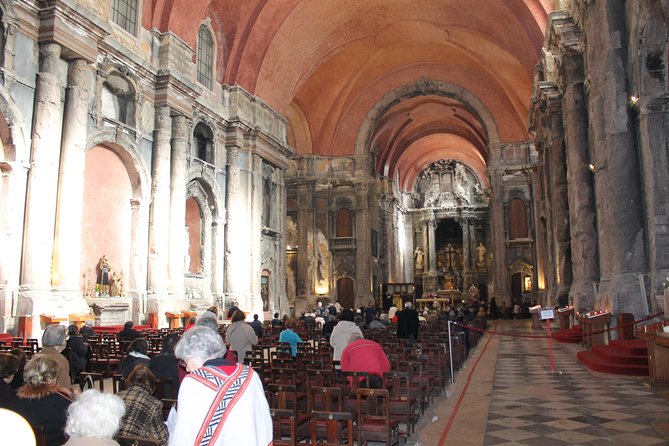
Then you shift from squares to a couple of culturally grounded visits: the House of Alentejo and Santo Domingo Church. These stops give the tour a more grounded feel. You’re not only moving through open-air viewpoints. You’re also getting brief indoor/cultural moments that help Lisbon feel more complete, especially if your first day (or your short visit) otherwise turns into “just streets and views.”
A small caution: because this is still a walking experience, these indoor stops are time within a time box. You’ll likely want to keep your focus on what the guide is pointing out so the visit feels meaningful—not like a quick pass-through.
The Portuguese Writer Lens: Storytelling You Can Use
The experience theme is Lisbon in the eye of a Portuguese writer, and the way it plays out is more useful than it sounds. Instead of lecturing, the guide approach connects places to the kinds of stories that make a city stick in your head. This is especially handy if you’re the type who wants context, not just coordinates.
I like how this kind of storytelling tends to work in practice: it gives you a reason to look closer. When the guide connects one location to another, you start noticing small things you might otherwise miss—street texture, sightlines, and the rhythm between neighborhoods. That makes your own wandering later feel less random.
The reviews highlight the guide’s style as fun, informative, and grounded in details. One name that stands out is Miguel, praised for telling the story of Lisbon in a lively way and for showing people parts of the city they might otherwise overlook. That guide energy is exactly what you want on a first pass through Lisbon: the city is too big to learn only by walking fast and hoping for the best.
You also get tailored recommendations to last your whole trip. This is a practical benefit, not fluff. Ask smart questions at the right time—about what to see next, where to eat, and how to plan your days—and the guide can steer you toward options that fit your pace and interests. With a small group, you’re more likely to get responses that actually apply to you.
Pastéis de Nata and the Small Food Moment You’ll Remember
A tour can cram in sights and still feel forgettable. This one adds a simple anchor: snacks pastéis de nata (custard) are included.
That matters more than it sounds. Food breaks reset your attention. They give you a chance to slow down, taste something classic, and then re-enter the walking with better focus. And because the snack is part of the plan—not an optional suggestion you might skip—it lowers decision fatigue.
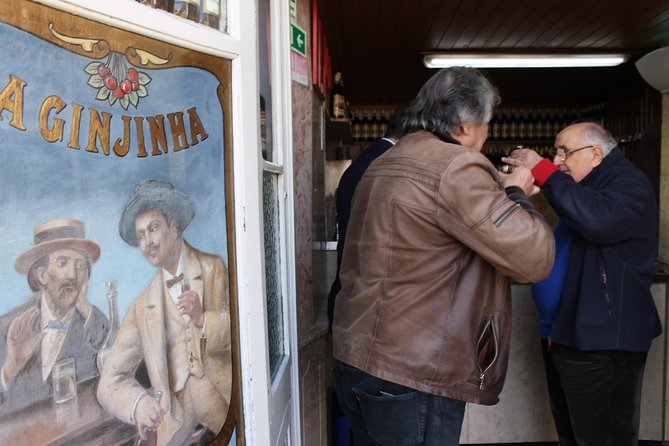
One detail from the experience that people appreciated is the mention of a Giginha local shop tied to a delicious pastel de nata stop. Even if you don’t know the shop in advance, the idea is clear: you get a specific place to go, rather than a vague recommendation.
If you’re planning your own day afterward, keep in mind that a snack like this can cut down your need for a quick dessert later. It’s also useful if you’re traveling with someone who gets cranky without regular breaks. Two hours can feel long when you’re hungry; it feels shorter when there’s a treat on the route.



Small Group, Private Guide Feel, and Easy English
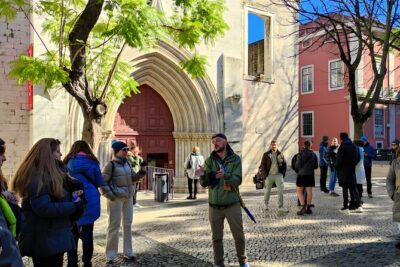
This is a maximum of 10 travelers setup, and the payoff is obvious: you don’t get lost in a crowd. You can ask questions and get answers without feeling like you’re interrupting a busload.
The tour is offered in English, which is great if you want clarity on stories and place names. It also means you can focus on the experience instead of translating in your head or guessing what the guide is saying.
I also appreciate the “no extra logistics” nature of the walk. Private transportation isn’t included, which is often a good thing on a city walking tour. You stay in motion, stick to the planned route, and rely on your feet for the connections. For day trips or tight itineraries, that can be a relief.
Booking far in advance is often a sign of steady demand. This one averages being booked 123 days in advance, so if your dates are fixed, I’d treat it as a plan-ahead item rather than something to pick up last minute. The small group size is part of why.
Where the Walk Ends: Praça do Comércio and What to Do Next
You finish at Praça do Comércio (1100-148 Lisbon). Ending at a major square like this is smart for self-planning because it gives you a clean landing point. From there, you can choose what fits the rest of your day—another walk, a meal, or just time to sit and watch the city move.
The start-to-finish flow also helps you avoid the common first-day problem in Lisbon: doing a bunch of highlights but never building a real sense of direction. Starting at Largo do Carmo, then working through Chiado, Baixa, and key central squares, means you’ll likely leave with a mental map you can actually use.
A final practical note: the tour includes a mobile ticket, and it’s listed as near public transportation. That helps if you want to blend it into a bigger day plan. If you’re commuting between neighborhoods, having a start and end point tied to recognizable areas is a real convenience.
Who Should Book This Walk (and Who Might Skip It)
This tour is a strong match if you want:
- an easy way to get your bearings quickly
- a guide to share tailored recommendations
- a small-group experience with real time for questions
- a simple included food stop with pastéis de nata
It’s especially good for first-timers who want structure without the stress of arranging transport between stops. It’s also a nice choice if you don’t want a high-intensity activity—one review specifically calls out that there’s no need for any biking setup, which fits the walking-tour spirit.
If you’re someone who struggles with steady walking for about two hours, consider your comfort level first. The tour lists moderate physical fitness as the expectation, so decide based on your own baseline.
Should You Book This Lisbon Walk?
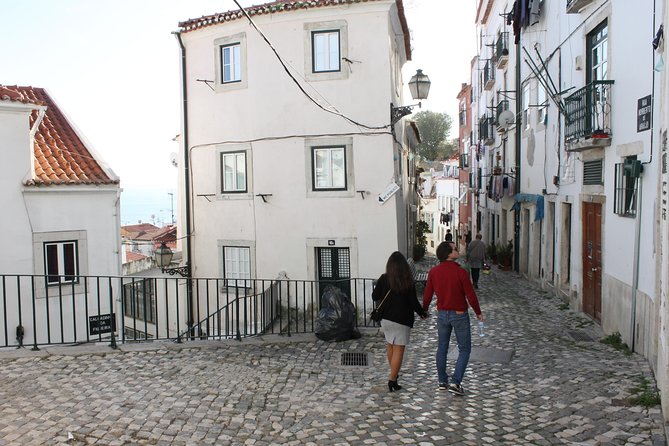
Yes—if your goal is a fast, well-guided orientation to Lisbon’s key areas, with free-entry sights listed for the stops, a small-group guide feel, and a real snack included.
I’d book it if you want a guided storyline that helps you plan the rest of your trip, not just see a few landmarks. And I’d especially consider it on days when you don’t want to fight traffic or parking and you’d rather focus on walking, looking, and asking questions.
If your ideal day is minimal walking or you hate any moderate pace, then this one may feel like work instead of fun. In that case, choose a slower option.
FAQ
What’s the duration of the tour?
The tour runs for about 2 hours.
How much does it cost?
The price is $36.05 per person.
Is admission included for the stops?
The itinerary lists admission as free for the Chiado/Santa Justa Elevator view and for the Baixa de Lisboa stops.
What’s included in the tour?
You’ll get snacks, including pastéis de nata (custard).
Where does the tour start and end?
It starts at Largo do Carmo 16, 1200-022 Lisbon and ends at Praça do Comércio, 1100-148 Lisbon.
What should I know about cancellation?
You can cancel for a full refund if you cancel up to 24 hours before the experience starts.
More Tour Reviews in Lisbon
- Lisbon City Center Tour – The Unmissable Lisbon★ 5.0 · 22,234 reviews
- Lisbon: Sintra, Pena, Regaleira, Cabo da Roca & Cascais★ 4.7 · 19,656 reviews
- Lisbon Card: 24, 48, or 72-Hour Pass★ 4.5 · 17,944 reviews
- Lisbon: Jerónimos Monastery Entrance Ticket★ 4.1 · 14,164 reviews
- Lisbon: History, Stories and Lifestyle Walking Tour★ 4.8 · 10,902 reviews