

Reviewed · WINE TASTING TOURS
Lisbon: Fortified Wine Tasting (Port/Muscatel/Abafado)
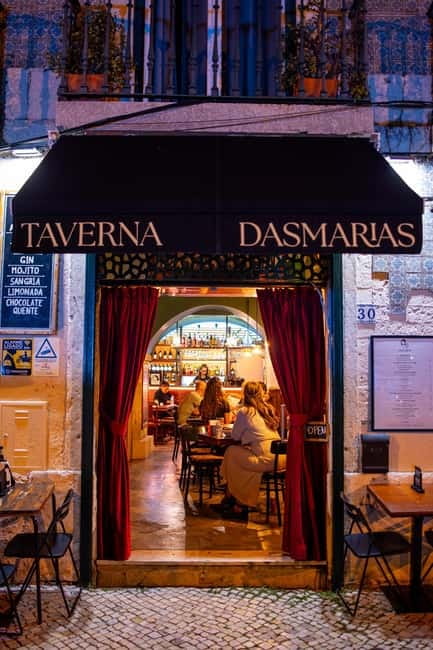
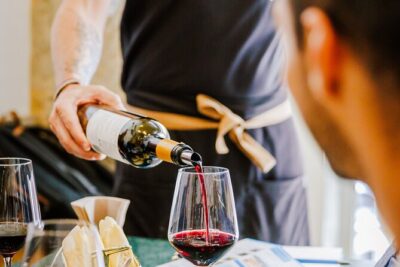
Three sweet wines, one calm room. At Taverna das Marias in Lisbon, a guided tasting packs Portuguese fortified wines into an easygoing session you can fit into a day. You’ll learn the basics of what makes these wines different and why people drink them slowly.
I love that you taste three styles back-to-back—Port, Moscatel de Setúbal, and Abafado do Tejo—so you can compare aromas and sweetness right there in the glass. I also like the food pairing: fresh sardine pâté on cornbread toast with roasted peppers, which helps cut through the richness.
One thing to consider: this is a tasting experience, not a long day out. If you’re hoping for vineyard scenery or lots of walking, you’ll want a different type of tour to pair with it.
In This Review
- Key things I’d watch for before you book
- Fortified Wine Tasting in Lisbon: The sweet-spot value
- Your tasting lineup: what Port, Moscatel, and Abafado actually taste like
- Port Wine: Douro intensity in a small glass
- Moscatel de Setúbal: aromatic sweetness with lift
- Abafado do Tejo: smooth, caramel-tinged comfort
- The food pairing that makes the wines taste better
- What the guide does for you (and why that matters)
- Where you start: meeting near Campo das Cebolas and Terreiro do Paço
- Price and time: is $30 per person worth it?
- Who this tasting fits best (and who should choose another option)
- The small details that make it feel local
- Should you book this fortified wine tasting?
- FAQ
- What fortified wines are tasted?
- Where does the tasting take place?
- Is there food included?
- How much does the tasting cost?
- How long is the experience?
- What languages are available for the guide?
- Where is the meeting point?
- Can I cancel, and can I reserve without paying right away?
Key things I’d watch for before you book
- Tasting three fortified wines in one sitting: Port, Moscatel de Setúbal, and Abafado do Tejo
- Douro-to-Lisbon flavor contrast: Port’s dried fruit, spices, and chocolate-style depth
- Aromatics-focused pairing with Moscatel de Setúbal’s honey, orange blossom, and apricot notes
- A lesser-known sweet: Abafado do Tejo with a smooth profile, caramel hints, and dried fruit
- A real bite with the wine: sardine pâté on cornbread toast and roasted peppers
- Central meeting area near Campo das Cebolas and Terreiro do Paço Metro for an easy start
Fortified Wine Tasting in Lisbon: The sweet-spot value

Lisbon is great for big experiences. But sometimes the best part of a travel day is a small one that slows you down. This fortified-wine tasting is set up for exactly that. You get expert guidance, three recognizable Portuguese sweet wines, and a simple food pairing that makes the whole thing feel grounded rather than just “drink and move on.”
The value is in the format. Instead of bouncing between separate places, you’re staying in one atmosphere and working through the same tasting framework. That means your brain stays on the task: noticing sweetness level, fruit character, and those fortified-wine touches that make the wines taste different from regular table wine.
And yes, there’s also the Lisbon angle. Even though the wines come from different traditions, the experience happens right near the historic center. You can line this up before or after a stroll through the old streets without turning your day into a logistics puzzle.
More cellars and tastings within reach of Lisbon
- Winner 2025 Undiscovered Lisbon Food & Wine Tour by Eating Europe
★ 5.0 · 6,390 reviews - Lisbon Small-Group Portuguese Food and Wine Tour
★ 5.0 · 3,972 reviews - Award-Winning Original Lisbon Food Wine Tour: 19 Curated Tastings
★ 5.0 · 1,288 reviews - Private Lisbon Arrabida Wine Tour: Food & Wines, Mountain and Sea
★ 5.0 · 907 reviews
Your tasting lineup: what Port, Moscatel, and Abafado actually taste like
Fortified wine is a category, but each bottle tells a different story. Here’s what the experience focuses on, and what you should listen for as you sip.
Port Wine: Douro intensity in a small glass
Port is the headline wine for many people, and you’ll feel why quickly. The tasting describes Port as having deep notes of dried fruit, spices, and chocolate. That combination is often what turns casual wine fans into loyal ones: it feels sweet, but it also feels structured.
In practice, look for how Port’s flavor changes as you move from the first sip to the second. Dried fruit tends to show up early. Then the spice-and-chocolate character lingers more than you expect, especially if you let it sit on your tongue for a moment before swallowing.
Moscatel de Setúbal: aromatic sweetness with lift
Moscatel de Setúbal is lighter in feel than Port, even though it’s also sweet. The guide frames it as aromatic and exuberant, with honey, orange blossom, and apricot notes. The key phrase for what you’ll likely experience is balance between sweetness and freshness.
When you taste it, pay attention to the “smell first” factor. Orange blossom and honey often hit your nose before your palate gets fully involved. If you’re used to sweeter wines tasting flat, Moscatel can be a surprise because it doesn’t just sit there. It tends to feel more alive.
Worth a look before you lock anything else in around Lisbon:



Abafado do Tejo: smooth, caramel-tinged comfort
Abafado do Tejo is the one many visitors know less well. The tasting describes it as smooth, with hints of caramel and dried fruit. That “smooth” part matters: this is a wine that’s meant to be comfortable and easy to keep tasting.
Try this: take a smaller sip than you might with Port. Let your tongue catch the caramel hint, then notice how the dried fruit sits underneath it. If you like sweet wines that don’t feel heavy, this is often the one that converts skeptics.
The food pairing that makes the wines taste better

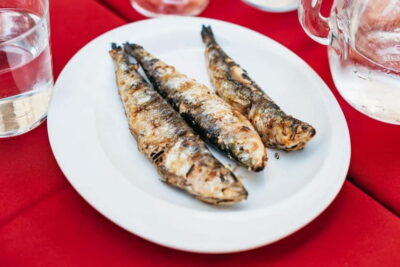
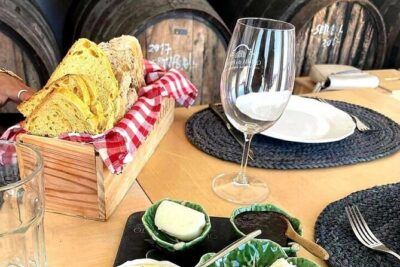
A lot of tastings include snacks that feel like afterthoughts. Here, the food is part of the logic. You get fresh sardine pâté on cornbread toast with roasted peppers.
That pairing makes sense. Sardines bring a savory, slightly briny punch. Cornbread toast adds texture and a mild sweetness. Roasted peppers add gentle smoke and a little tang. Put them together and you get a counterweight to fortified wine sweetness, so the wines don’t taste cloying.
If you’re deciding where to place this tasting in your day, this detail matters. Plan it so you’re hungry enough to enjoy the bite, but not so hungry that you rush through it. The whole point is calm, slow sipping and listening to what the guide says between pours.
What the guide does for you (and why that matters)

This is a live guided tasting with an English, Portuguese, or Spanish guide. You’re not just handed glasses. You’re guided through the secrets and stories behind these Portuguese sweet wines in an informal way.
That “informal” part is what makes the experience work. Fortified wines can sound complicated, but you don’t need a wine degree. What helps is learning what to focus on: how Port leans into dried fruit and spice, how Moscatel brings aroma and freshness, and how Abafado do Tejo keeps it smooth with caramel and dried fruit.
Also, the experience includes drink recommendations meant to enhance your tasting. That’s not a random add-on. It helps you notice which aromas and textures to chase in each glass, instead of just ranking sweetness from least to most.
If you’re traveling with someone who thinks they don’t like sweet wine, this format is a smart choice. The guide’s job is basically translation: turning the wine into recognizable flavors you can own, not decode.
Where you start: meeting near Campo das Cebolas and Terreiro do Paço
You’ll meet next to Campo das Cebolas and Terreiro do Paço Metro. That location is practical for getting to and from other central sights.
A quick tip: when you’re in this part of Lisbon, you’ll naturally want to wander. So give yourself a little buffer time to arrive, settle in, and get oriented before the tasting begins. The tasting atmosphere matters. You’ll enjoy it more if you aren’t rushing in out of breath.
One more small but important detail: when booking, send an email with your arrival time so they can prepare to welcome you. It’s the kind of step that prevents awkward delays and keeps the experience smooth.
Price and time: is $30 per person worth it?
$30 per person for a one-day tasting is reasonable, especially because you’re not just drinking. You’re tasting three wines that come from different Portuguese styles and traditions, with expert guidance and a specific food pairing included in the experience.
Here’s how I’d judge the value if I were planning my own day in Lisbon:
- If you want a guided tasting experience with multiple wines, the per-wine cost usually feels fair compared with doing random stop-ins.
- The included food pairing helps you stay present and enjoy the wines rather than treating it like a quick stop.
- The session is short enough to work into a travel schedule without turning your day into a half-removed chunk of time.
Also, the booking offers you flexibility: free cancellation up to 24 hours in advance for a full refund and a reserve & pay later option. That reduces risk if your Lisbon plans are still shifting.
Who this tasting fits best (and who should choose another option)
This is a good match if:
- You like wine but don’t want to overthink it.
- You want an authentic Lisbon food-and-wine moment without a complicated schedule.
- You enjoy guided tastings where someone explains what you’re tasting and why.
- You want three fortified wines in one place: Port, Moscatel de Setúbal, and Abafado do Tejo.
You might want a different experience if:
- You’re expecting vineyard tours, farms, or outdoor views.
- You want a very long program with lots of stops.
- You’re only interested in dry wines. Fortified wines are sweet by nature, and the whole point here is learning them at their best.
The small details that make it feel local
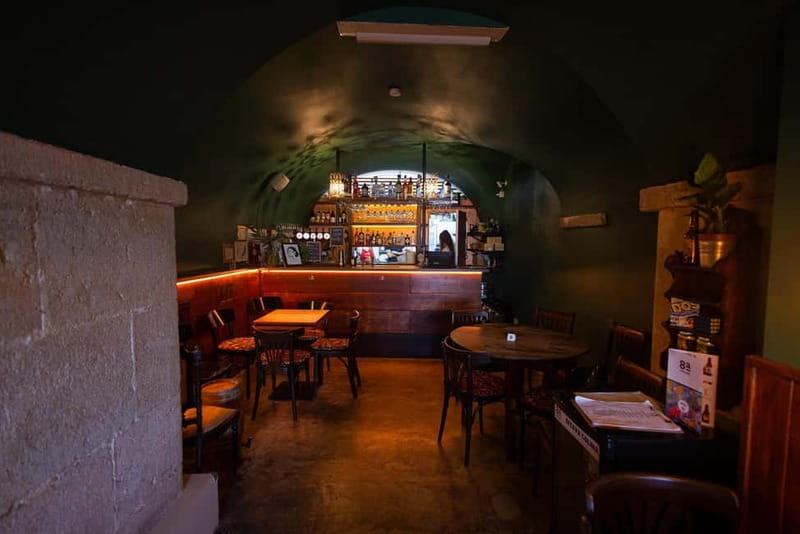
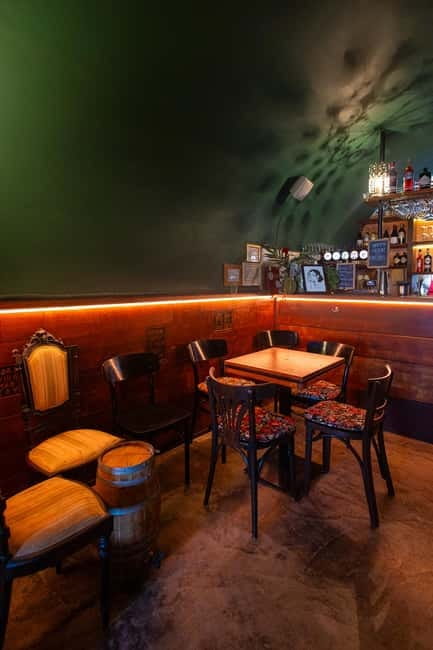
Even with the structured tasting lineup, the experience is set up to feel relaxed and welcoming. The tone described for the day includes friendly, helpful locals, which matters in Lisbon. When staff are warm and practical, you feel comfortable asking questions and slowing down without feeling rushed.
Also, the language support is a plus. With English, Portuguese, and Spanish guides, you can follow the stories and curiosities behind the wines. That makes a big difference because fortified wines often come with cultural context you’ll miss if you can’t follow the explanation.
Should you book this fortified wine tasting?

If you like sweet wines or you’re willing to try them with guidance, I think you should book it. For the money, you get three distinct Portuguese fortified wines in one setting, a real food pairing, and a live guide who helps you understand what you’re tasting as you go. It’s also easy to place geographically near Campo das Cebolas and Terreiro do Paço Metro.
Book it especially if you want a calm, high-satisfaction break in your Lisbon day. Pair it with a nearby walk, order a small meal after, and you’ll come away with flavors you can actually describe to friends back home.
If you want dry wine only or a day of sightseeing, then this may not be the best use of your time. But for most people building a Lisbon itinerary that includes food, wine, and stories, this is a solid call.
FAQ
What fortified wines are tasted?
You’ll taste three fortified Portuguese wines: Port Wine, Moscatel de Setúbal, and Abafado do Tejo.
Where does the tasting take place?
The tasting happens at Taverna das Marias in Lisbon.
Is there food included?
Yes. The experience includes a fresh sardine pâté on cornbread toast with roasted peppers.
How much does the tasting cost?
The price is $30 per person.
How long is the experience?
It’s listed as a 1-day activity. Starting times depend on availability.
What languages are available for the guide?
The live guide is available in English, Portuguese, and Spanish.
Where is the meeting point?
You meet next to Campo das Cebolas and Terreiro do Paço Metro.
Can I cancel, and can I reserve without paying right away?
Yes. You can cancel up to 24 hours in advance for a full refund. There’s also a reserve & pay later option.
More Food & Drink in Lisbon
- Winner 2025 Undiscovered Lisbon Food & Wine Tour by Eating Europe★ 5.0 · 6,390 reviews
- Lisbon: Food and Wine Small Group Walking Tour★ 4.9 · 4,082 reviews
- Lisbon Small-Group Portuguese Food and Wine Tour★ 5.0 · 3,972 reviews
- Lisbon: Baixa District Food Tour with Dinner and Drinks★ 4.9 · 1,997 reviews
- Lisbon Small-Group Food Tour with 18 Tastings in Alfama District★ 5.0 · 1,967 reviews
More Tour Reviews in Lisbon
- Lisbon City Center Tour – The Unmissable Lisbon★ 5.0 · 22,234 reviews
- Lisbon: Sintra, Pena, Regaleira, Cabo da Roca & Cascais★ 4.7 · 19,656 reviews
- Lisbon Card: 24, 48, or 72-Hour Pass★ 4.5 · 17,944 reviews
- Lisbon: Jerónimos Monastery Entrance Ticket★ 4.1 · 14,164 reviews
- Lisbon: History, Stories and Lifestyle Walking Tour★ 4.8 · 10,902 reviews
More Cellars Worth the Drive
- Winner 2025 Undiscovered Lisbon Food & Wine Tour by Eating Europe★ 5.0 · 6,390 reviews
- Lisbon Small-Group Portuguese Food and Wine Tour★ 5.0 · 3,972 reviews
- Award-Winning Original Lisbon Food Wine Tour: 19 Curated Tastings★ 5.0 · 1,288 reviews
- Private Lisbon Arrabida Wine Tour: Food & Wines, Mountain and Sea★ 5.0 · 907 reviews
- Private Wine Tasting in the Setúbal Wine Region, from Lisbon★ 5.0 · 611 reviews
Just in: fresh Lisbon reviews from the team





Wine Tasting Tours, compared.
 ★ 5.0Winner 2025 Undiscovered Lisbon Food & Wine Tour by Eating EuropeFrom $1256,390 reviews
 ★ 5.0Lisbon Small-Group Portuguese Food and Wine TourFrom $763,972 reviews
 ★ 5.0Award-Winning Original Lisbon Food Wine Tour: 19 Curated TastingsFrom $1371,288 reviews
 ★ 5.0Private Lisbon Arrabida Wine Tour: Food & Wines, Mountain and SeaFrom $139907 reviews
 ★ 5.0Private Wine Tasting in the Setúbal Wine Region, from LisbonFrom $151611 reviews
 ★ 5.0Arrabida and Sesimbra Small-Group Day Trip from Lisbon with Wine TastingFrom $90494 reviews
 ★ 5.0Private Lisbon-Arrábida Wine Tour: 3 Wineries, Coast & HeritageFrom $156450 reviews
 ★ 5.0Wine and Cheese Tasting Lunch in Portuguese Wine BarFrom $72447 reviews
Browse the lists this tour appears in