
One day south of Lisbon can feel like three trips, and this one is packed. You get two bridge crossings plus big hilltop and ocean views from Palmela and Arrábida. The trade-off: it’s an 8-hour schedule with several short stops, so you’ll spend a lot of time on the van and some sightseeing is intentionally brief.
I also like that it’s built around what the region actually produces. You visit two vineyards tied to Moscatel, with one place focused on mass production and another that feels more small-scale, plus you see the Sado River city of Setúbal with a real lunch-and-walk break. One consideration: lunch and wine tasting aren’t included, so you’ll want to budget a bit beyond the tour price.
This is a private group outing, so you’re not stuck with strangers’ pacing, and the guide can be multilingual. In recent trips, people praised the guide’s humor and keeping the day moving smoothly, including for a small group of 5 with Alexander at the helm.
In This Review
- Key highlights that make this day trip click
- Why this Lisbon to Setúbal and Arrábida route is such a smart use of time
- Crossing Lisbon’s two bridges before the views even start
- Palmela Castle: hilltop stronghold plus panoramic payoff
- Azeitão and Moscatel: two vineyards, two styles of production
- Arrábida Natural Park: Atlantic views in a tight photo-stop window
- Setúbal at the mouth of the Sado: lunch and a real city pause
- Quinta de Alcube: wrapping with one more vineyard experience and a stroll
- Price and what $470 per group really buys you
- Logistics that affect comfort on a full day
- The guides: what you can expect when it’s working well
- Should you book this Lisbon to Setúbal and Arrábida day trip?
Key highlights that make this day trip click
- Two Lisbon bridge crossings to set the tone fast
- Palmela Castle walls and towers with panoramic views from a hilltop stronghold
- Arrábida Natural Park Atlantic viewpoints in just the right photo-stop burst
- Two Moscatel vineyards: one mass-production cellar and one smaller production experience
- Setúbal’s mouth-of-the-Sado vibe with time for lunch and an easy walk
- Quinta de Alcube to close the loop with more vineyard time and a pleasant stroll
Why this Lisbon to Setúbal and Arrábida route is such a smart use of time
Lisbon is great, but the south of Portugal is where you see how geography turns into food and wine. This day trip links the dots between hilltop castles, an Atlantic-facing nature park, and the working waterfront city of Setúbal. It’s designed to cover a lot without turning into a nonstop sprint.
I like the balance here: you’re not only drinking wine and looking at vineyards from the bus. You also get castle views, ocean viewpoints, and a real city stop where you can grab lunch and stretch your legs.
More of the Arrábida coast and Setúbal wine country
- Private Lisbon Arrabida Wine Tour: Food & Wines, Mountain and Sea
★ 5.0 · 907 reviews - Private Wine Tasting in the Setúbal Wine Region, from Lisbon
★ 5.0 · 611 reviews - Arrabida and Sesimbra Small-Group Day Trip from Lisbon with Wine Tasting
★ 5.0 · 494 reviews - Lisbon: Arrabida Park Kayak Tour with Beach Picnic
★ 4.9 · 490 reviews
Crossing Lisbon’s two bridges before the views even start
The day kicks off with van time out of Lisbon, then you cross two bridges as you head south. That early shift matters because it changes how the landscape looks as the hours pass. By the time you’re out of the city, you already feel like you’re traveling, not commuting.
You’ll also get planned photo stops along the way. That’s useful if you want skyline-and-coast moments without trying to guess where the best overlooks are on your own.
Palmela Castle: hilltop stronghold plus panoramic payoff
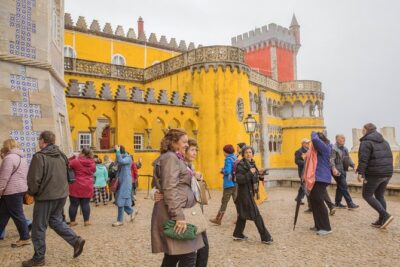
Palmela Castle is a short stop on paper, but it’s the kind of place that makes those 30 minutes feel worthwhile. You’ll park, take photos, then explore walls, towers, and the main church area for a focused sightseeing visit.
Here’s the practical part to know: the main church is closed on Mondays. If your tour day lands on a Monday, you’ll still get the dramatic hilltop look, but the church visit may not be part of your route that day.
The real reason Palmela is a highlight is the view. This isn’t a “nice view” stop; it’s the kind where you start spotting the region’s layout—how the land slopes down toward the bigger water systems. The castle works as your visual anchor for the rest of the day.
Azeitão and Moscatel: two vineyards, two styles of production
After Palmela, the itinerary shifts toward Azeitão, the heartland for Moscatel wine. You get a photo stop, a guided tour, and about one hour of free time at this part of the day. That combination is handy: you get structure, then you get some space to wander or snack on your own schedule (though food in the vehicle isn’t allowed).
The vineyards focus on Moscatel as a style known for late-harvest grapes used to make a liqueur-like wine. One cellar is geared toward mass production, while the other is described as smaller-scale and a few steps behind the industrial operation. In plain terms, you’re comparing two ways to get to a similar destination: Moscatel, made for different approaches to scale.
You’ll also hear about Azeitão’s broader food culture tied to the same region. The area is known for Azeitão cheese (a buttery sheep-milk style) and tiles, plus pastries called Tortas de Azeitão. Even if you don’t buy everything, it gives you context for what you’re seeing and why locals care about this landscape.
Important note you should plan around: wine tasting is not included in the tour price. The tour visits the vineyards, but tasting and lunch on the cellars are optional add-ons you’d need to request/book separately.
Also, some monuments and vineyards can have age restriction policies, depending on availability and the day’s schedule. If age matters for your group, it’s worth checking before you go.
Worth a look before you lock anything else in around Lisbon:



Arrábida Natural Park: Atlantic views in a tight photo-stop window
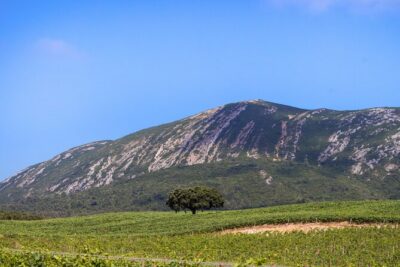
Next up is Arrábida Natural Park. The stop is brief (about 15 minutes), and it’s meant for one thing: views.
You’ll get a photo stop with Atlantic-facing scenery from the mountains. Even without a long hiking window, it works because it gives you a “different Portugal” angle: not just rivers and cities, but a coastline you can actually see. It also helps reset your eyes between the wine time and Setúbal.
Because the route can vary due to weather and availability of sites, treat this as a viewpoint stop that might shift slightly in timing—not a guaranteed long stay.
Setúbal at the mouth of the Sado: lunch and a real city pause
Setúbal is where the day gains a pulse. The city sits at the mouth of the Sado River and blends water, mountains, and the Atlantic into one scene. The tour includes a break with photo stops and a visit, plus about 1.5 hours for lunch and a walk.
One clue that Setúbal is more than a stop sign: the region is tied to fishing and related activity, so the city feels practical. You’re not just there for a view; you’re there to experience what life looks like on the water side of Portugal.
Since lunch isn’t included, you’ll want to decide how you’ll handle meals. The good news: the stop is long enough to make lunch feel like a plan, not a rushed snack. Use that walking time to get a feel for street layout before you head back toward the vineyards.
Quinta de Alcube: wrapping with one more vineyard experience and a stroll
The day finishes with Quinta de Alcube, another vineyard stop with a visit and free time, plus about one hour for a walk. This part tends to feel less rushed because you’ve already done the main view moments (Palmela and Arrábida) and the core city break (Setúbal).
By now, you’ll understand the region’s rhythm: hilltop fortifications, then wine production, then a city tied to the river and ocean. Quinta de Alcube acts like the last chapter that brings the theme back together.
If you’re the type who likes to keep tasting notes in your head, this is a good time to do it—just remember: wine tasting itself isn’t part of the standard tour price.
Price and what $470 per group really buys you
At $470 per group (up to 8) for an 8-hour private outing, the price works out based on what’s included rather than what’s missing. You’re paying for:
- Pickup/drop-off at special meeting points (not hotel-to-hotel service)
- A professional driver/guide on a structured itinerary
- A comfortable van with A/C and bottled water
- Panoramic photo stops planned into the route
- Luggage space (helpful on day trips)
- Liability insurance and added protections through GST
What’s not included matters too:
- Lunch
- Wine tasting
- Entrance fees that aren’t specifically listed
- Any extra cellar experience you book by request
So is it good value? If you want a one-day package that ties together Palmela, Arrábida, Setúbal, and two Moscatel vineyard visits without you driving, it’s a solid deal. The private-group format also helps. You’re not negotiating patience with strangers or losing time to mixed pacing.
The best way to think about cost: if you would otherwise pay for a driver, lose time figuring out transit, and then still have to book vineyards, this package starts looking more reasonable fast.
Logistics that affect comfort on a full day
This is a private group in a van, and the schedule includes multiple travel legs (van time shows up throughout). You’ll get photo stops with the “best views” planned, but you should still expect a fair amount of time sitting.
A few rules are clearly stated:
- No food or drinks in the vehicle
- No alcohol and drugs
- No fireworks
- Alcoholic drinks aren’t allowed in the vehicle either
You only need passport (or a copy) for this tour. That’s it for paperwork.
Also, the tour isn’t suitable for children under 3, pregnant women, or wheelchair users based on the activity notes. If your group falls outside those categories, it’s still smart to think about how much walking time you’ll do: there are walks in Setúbal and Quinta de Alcube.
Finally, keep expectations flexible. The route can change depending on weather and availability of monuments and vineyards.
The guides: what you can expect when it’s working well
When a day trip has several stops, the guide’s role isn’t just giving facts. It’s keeping timing realistic, choosing the right viewpoint windows, and making sure you don’t end up waiting around.
Recent experiences highlighted Alexander for being funny, friendly, and flexible, especially with a small group size (like 5 people). That’s exactly what you want on a day that includes both viewpoints and vineyard visits: smooth pacing, not rigid monotone.
Should you book this Lisbon to Setúbal and Arrábida day trip?
Book it if you want one day that actually connects the dots: Palmela Castle views, Atlantic scenery from Arrábida, Setúbal’s river-and-sea city stop, and two Moscatel vineyards you can compare. It’s especially good if you’re traveling with a small group that would rather split costs than do public transit.
Skip it or reconsider if you’re hoping for a fully “included food and wine” day. Lunch and wine tasting are not included, and tasting may also be limited by the cellars’ age policies. If you’re the type who wants hours on a single site, the photo-stop and short exploration structure may feel a bit compressed.
If you like variety, value planned route time, and want real regional flavor south of Lisbon, this is a strong pick.
More 1-Day Tours in Lisbon
- Sintra and Cascais Small-Group Day Trip from Lisbon★ 5.0 · 7,018 reviews
- Three Cities in One Day: Porto, Nazare and Obidos from Lisbon★ 4.5 · 3,572 reviews
- Fátima, Nazaré and Óbidos Small-Group Day Trip from Lisbon★ 4.5 · 3,444 reviews
- From Lisbon: Day Trip to Porto, Óbidos, and Nazaré★ 4.5 · 1,311 reviews
- Lisbon: 4 Cities in One Day Óbidos, Nazaré, Batalha & Fátima★ 4.3 · 796 reviews
More Tour Reviews in Lisbon
- Lisbon City Center Tour – The Unmissable Lisbon★ 5.0 · 22,234 reviews
- Lisbon: Sintra, Pena, Regaleira, Cabo da Roca & Cascais★ 4.7 · 19,656 reviews
- Lisbon Card: 24, 48, or 72-Hour Pass★ 4.5 · 17,944 reviews
- Lisbon: Jerónimos Monastery Entrance Ticket★ 4.1 · 14,164 reviews
- Lisbon: History, Stories and Lifestyle Walking Tour★ 4.8 · 10,902 reviews
The Arrábida Coast and Setúbal Wines
- Private Lisbon Arrabida Wine Tour: Food & Wines, Mountain and Sea★ 5.0 · 907 reviews
- Private Wine Tasting in the Setúbal Wine Region, from Lisbon★ 5.0 · 611 reviews
- Arrabida and Sesimbra Small-Group Day Trip from Lisbon with Wine Tasting★ 5.0 · 494 reviews
- Lisbon: Arrabida Park Kayak Tour with Beach Picnic★ 4.9 · 490 reviews
- Private Lisbon-Arrábida Wine Tour: 3 Wineries, Coast & Heritage★ 5.0 · 450 reviews
Just in: fresh Lisbon reviews from the team



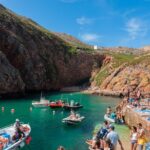

Arrábida & Setúbal Tours, compared.
 ★ 5.0Private Lisbon Arrabida Wine Tour: Food & Wines, Mountain and SeaFrom $139907 reviews
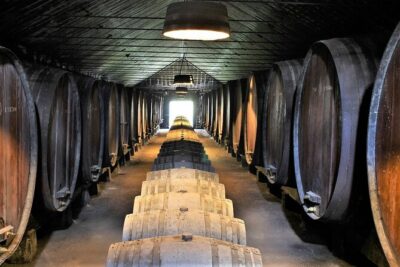 ★ 5.0Private Wine Tasting in the Setúbal Wine Region, from LisbonFrom $151611 reviews
 ★ 5.0Arrabida and Sesimbra Small-Group Day Trip from Lisbon with Wine TastingFrom $90494 reviews
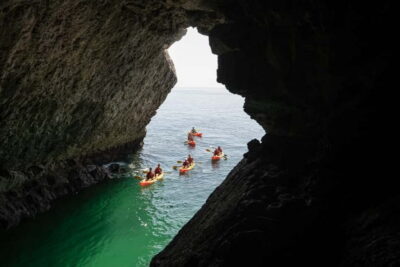 ★ 4.9Arrabida Park Kayak Tour with Beach PicnicFrom $70490 reviews
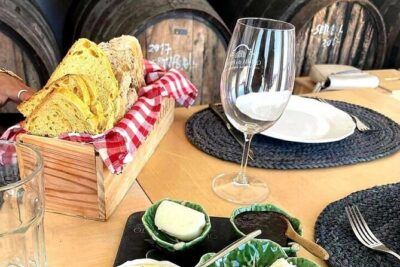 ★ 5.0Private Lisbon-Arrábida Wine Tour: 3 Wineries, Coast & HeritageFrom $156450 reviews
 ★ 4.8Arrábida and Sesimbra Day Trip with WineFrom $75366 reviews
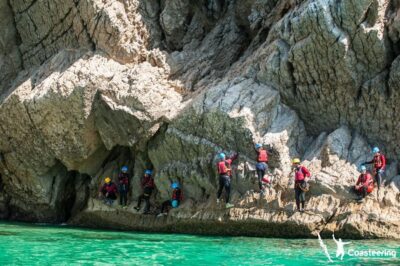 ★ 4.9Sesimbra/Arrábida Natural Park Coasteering AdventureFrom $76345 reviews
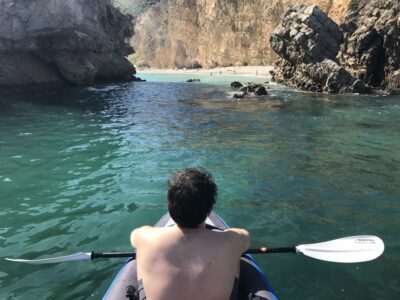 ★ 4.8From Lisbon: Arrábida Natural Park Kayak Tour with LunchFrom $57320 reviews
Browse the lists this tour appears in