Reviewed · LISBON
Lisboa – A Morte do Corvo, new immersive theatre, not spoken
Silent theatre in 1924 Lisbon—no dialogue, all motion. A Morte do Corvo turns a story about envy between Edgar Allan Poe and Fernando Pessoa into non-verbal choreography, set inside a huge old medical building. I love the bold format, because it forces you to watch closely, not just listen.
Two things I really like: the scale of the venue and the quality of the acting. You’ll move through 25+ rooms across a two-floor space, and the performers use body language to make motives and tension land fast. One drawback to plan for is that the characters can be hard to track if you’re not paying attention to movement cues.
In This Review
- Key things I’d notice right away
- What A Morte do Corvo is really about
- The setting: a former Military Hospital by Basílica da Estrela
- Where to find it (meeting point)
- How a silent show actually works in practice
- Your “itinerary”: following actors through 2 floors and 25+ rooms
- Comfort checklist that actually matters
- The spaces that add texture: forest, cabaret, and an opium den
- Actors, choreography, and the payoff of watching closely
- A note on “keeping track” of characters
- Price and value: $44 for a 2-hour show in a huge venue
- Rules that shape the experience (and why you should follow them)
- Who this is best for (and who should skip it)
- Quick tips so you don’t lose the plot
- Should you book A Morte do Corvo in Lisbon?
- FAQ
- How long is the show?
- Is there spoken dialogue in A Morte do Corvo?
- Where do I meet for the show?
- Are cameras or video allowed?
- Is it suitable for children?
- Is there an elevator or lift in the building?
Key things I’d notice right away
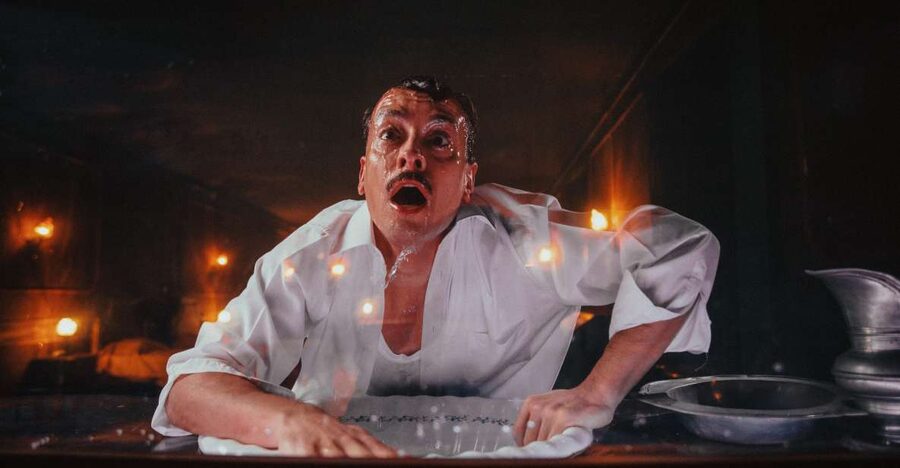
- No spoken word means you experience the plot through posture, timing, and choreography
- 1924 storyline with Poe and Pessoa keeps the drama focused and easy to follow visually
- Massive building: 2,000+ sqm and 25+ rooms makes the show feel bigger than your ticket price
- You follow the actors through the building, so comfy shoes matter more than you think
- Two floors, staircase only means you’ll want to be ready for stairs
- Cameras and video are banned, which helps the room stay quiet and immersive in tone
What A Morte do Corvo is really about
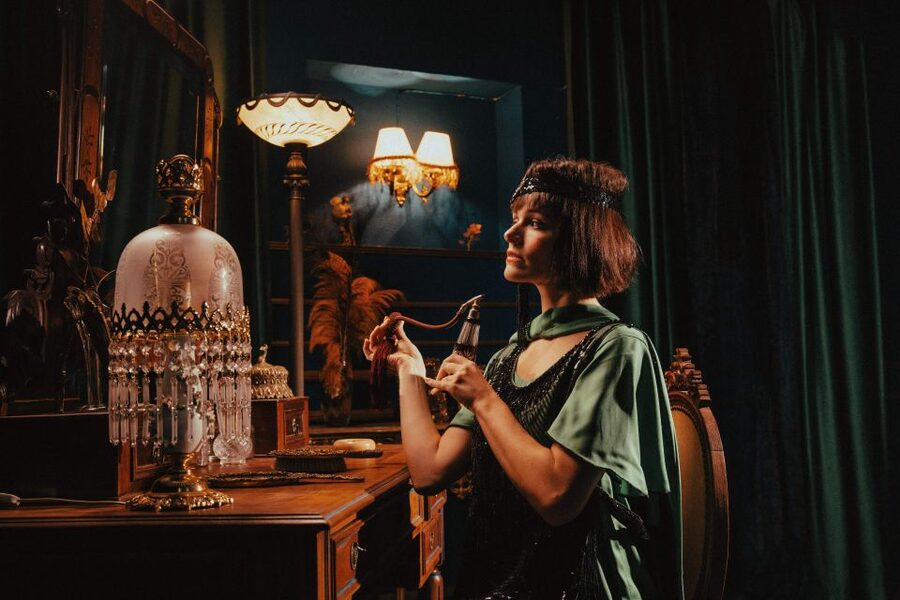
This is a show built on a simple engine: no dialogue, just performance. In A Morte do Corvo, the year is 1924, and Edgar Allan Poe plots to kill Fernando Pessoa out of envy. It’s a strange pairing on paper, but in practice it works because the narrative beats are expressed through movement, group dynamics, and shifting relationships.
The fact that it’s silent is not a gimmick. You don’t need to translate anything. If you enjoy theatre where you “read” people, you’ll feel rewarded. If you prefer spoken explanations to catch every nuance, you may find yourself missing pieces.
There’s also a rarity factor. This theatre format can only be seen in New York or London, so seeing it in Lisbon is a special chance rather than a routine stop.
Still deciding? See how this one measures up against a few Lisbon favourites.
- Lisbon City Center Tour – The Unmissable Lisbon
★ 5.0 · 22,234 reviews - Lisbon: Sintra, Pena, Regaleira, Cabo da Roca & Cascais
★ 4.7 · 19,656 reviews - Lisbon: Jerónimos Monastery Entrance Ticket
★ 4.1 · 14,164 reviews - Lisbon: History, Stories and Lifestyle Walking Tour
★ 4.8 · 10,902 reviews
The setting: a former Military Hospital by Basílica da Estrela
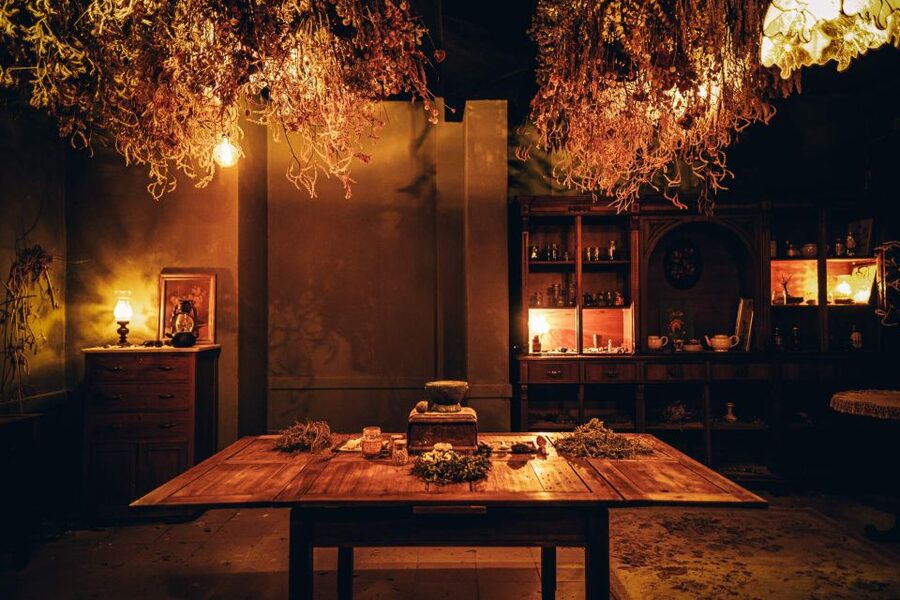
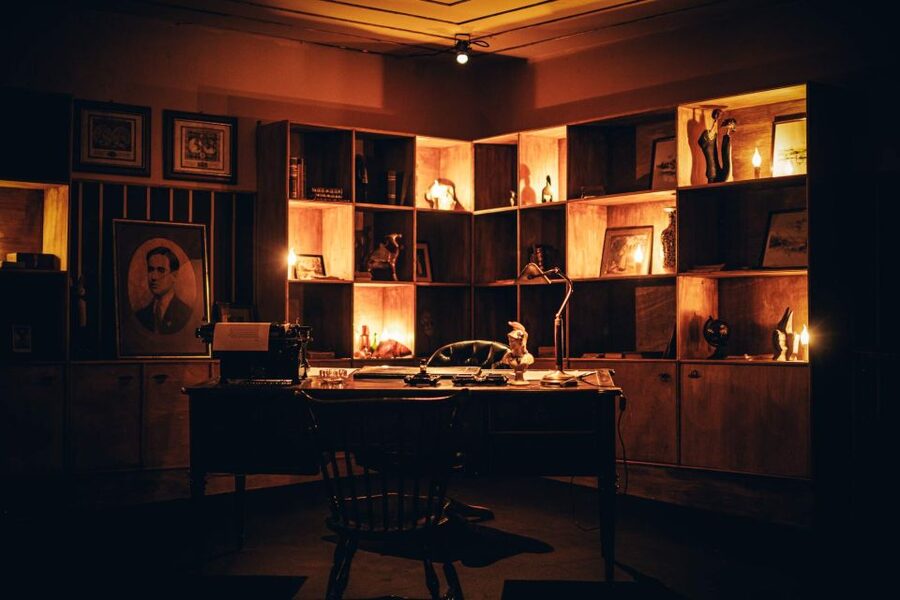
The show takes place in an abandoned Military Hospital next to Basílica da Estrela. It’s not just a backdrop. The building shape, the corridors, and the room changes are part of the storytelling.
If you’ve ever liked theatre that “uses the walls,” this will hit your taste. You get the feeling of stepping into a space with layers—medical, institutional, and slightly eerie—then watching actors reshape it into cabaret, forest, and underground spaces.
Where to find it (meeting point)
Go to the gate that leads into a parking lot with 24/7 security. You’ll see a concierge at the gate who leads the way in. This matters because the building is described as abandoned, so you’ll want that first human point of contact.
How a silent show actually works in practice
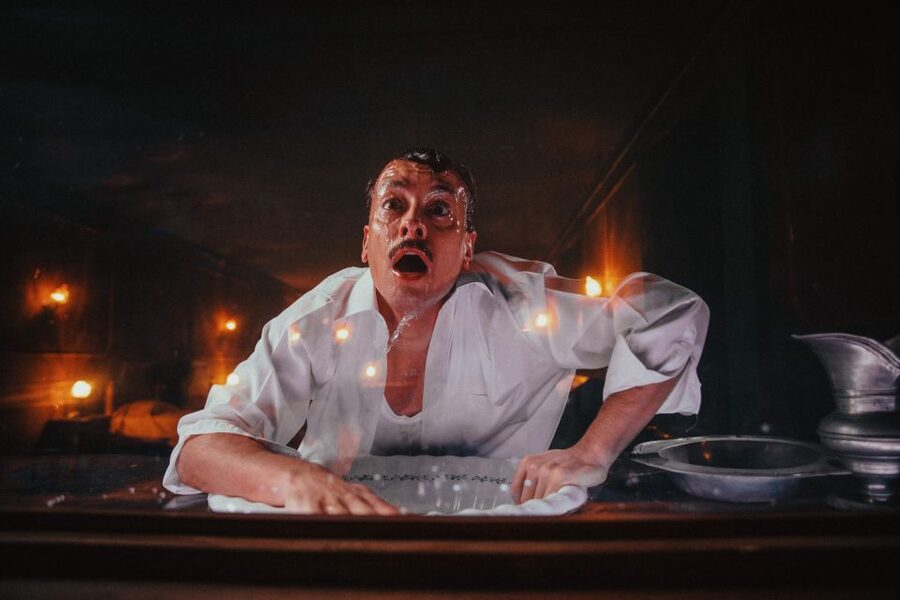
Since there’s no spoken word, the performers carry everything: emotion, conflict, and changes in plan. That means the “listen-only” theatre habit doesn’t help you here. Instead, you’ll want to watch:
- how characters approach or avoid each other
- when movement becomes slow, rushed, or confrontational
- how group formations change as the story shifts
- how a scene ends—often through physical cues rather than verbal ones
English is available from the host/greeter, but the performance itself is not spoken. So think of the English support as helping you get started and oriented. The show’s language is bodies.
The overall vibe is also built to keep you engaged without being noisy. The rules require silence and restrict filming (more on that below), which helps the room stay focused. You’re less likely to feel like you’re watching from a distance. The actors and the space keep pulling your attention.


Your “itinerary”: following actors through 2 floors and 25+ rooms
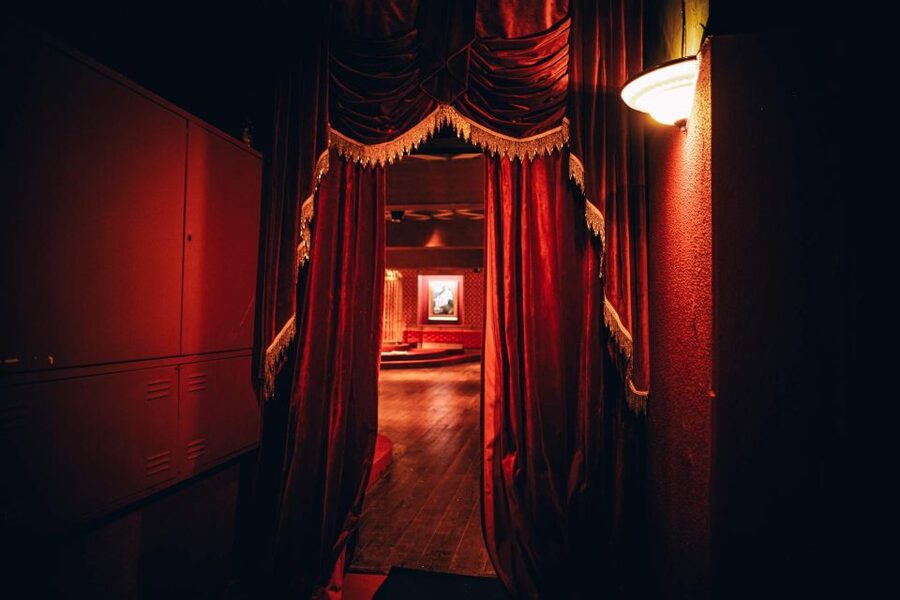
The show runs for 2 hours, and you follow the actors throughout a two-floor building. There’s a staircase and no lift, so you should expect stairs to be part of the experience.
What makes this structure valuable is simple: you don’t stay planted. The story keeps moving, and your perspective changes as you switch rooms. Instead of one stage picture, you get multiple “windows” onto the plot—different angles, different moods, different levels of intensity.
A practical consideration: because the show requires you to follow performers, you’ll want to stay aware of what’s happening near you. If you drift into a side corner to look around, you can miss character shifts. One piece of feedback I’d take seriously is that some people feel lost about who is who—usually not because the show is “bad,” but because silent storytelling rewards steady attention.
Comfort checklist that actually matters
Bring comfortable shoes. You’re moving during the show, and uneven floors or quick room changes can add up.
The spaces that add texture: forest, cabaret, and an opium den
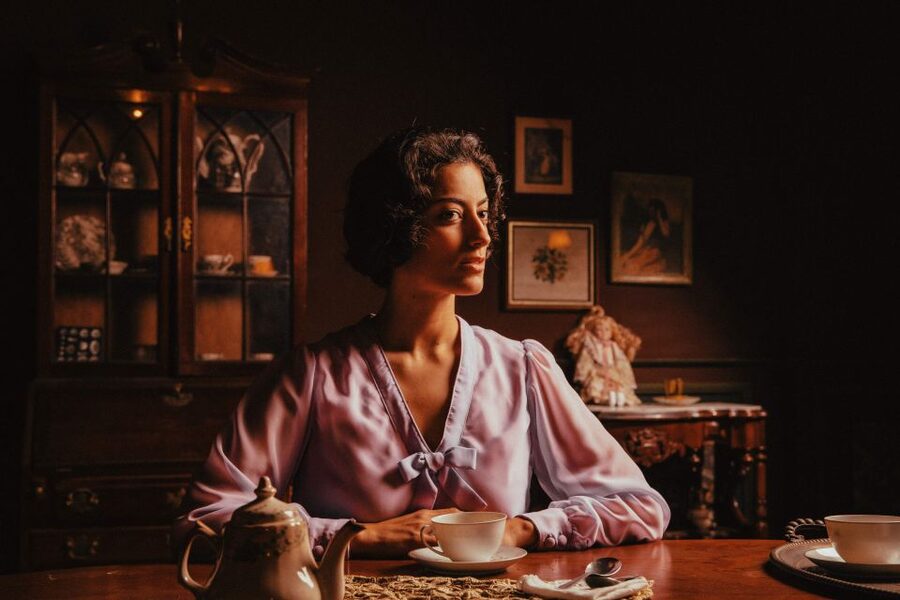
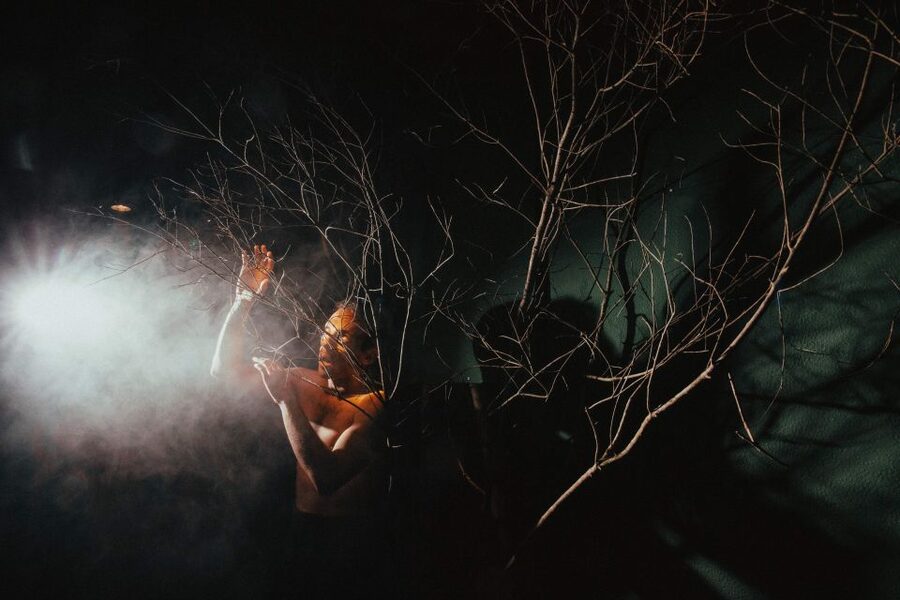
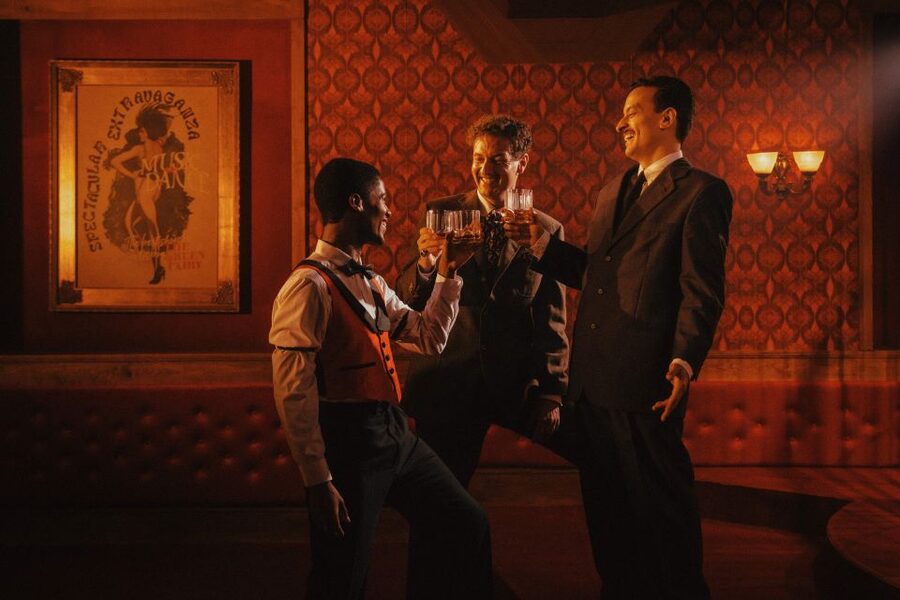
The venue includes Initiation Forest, a Burlesque Cabaret, and an Opium Den. You should expect these areas to function like scene chapters, each with its own physical style and emotional tone.
Here’s why that matters for you, not just the show concept:
- A forest space usually signals transformation or testing. You’ll likely see physical patterns that feel ritual-like.
- A cabaret space often shifts energy toward performance, seduction, showmanship, or satire. Watch for how characters “perform” differently here than elsewhere.
- An opium den typically brings atmosphere and tension. Even without dialogue, these settings tend to emphasize mood through proximity, gestures, and pacing.
You also get the big bonus of scale: more than 2,000 sqm and 25+ rooms means you’re not simply walking through three sets. The story has room to breathe.
Actors, choreography, and the payoff of watching closely
The performance quality is a major strength. People highlight the actors as excellent and the new format as a good match for this kind of storytelling. When a show has no spoken word, the acting has to carry everything, and that’s clearly what’s happening here.
The choreography is the secret sauce. Bodies become punctuation. A pause means hesitation or threat. A sudden change in posture can signal envy, fear, or a plan forming. If you like theatre where you feel the rhythm, you’ll likely enjoy it a lot.
A note on “keeping track” of characters
Since there’s no speech, identifying character roles depends on repetition and physical cues. If you’re the type who enjoys catching every detail in a plot, you’ll probably have a smoother time. If you tend to get overwhelmed when multiple characters move around at once, you can counter that by doing one thing: keep your eyes on faces and hands during transitions, not just the big action in the center of the room.
Price and value: $44 for a 2-hour show in a huge venue
At $44 per person for 2 hours, you’re paying for a few things at once:
- a large, multi-room venue (2,000+ sqm)
- a performance format that depends on careful actor coordination
- a structure that actively moves you through space, not just a sit-and-watch model
Is it expensive compared to a standard theatre ticket? It can be, yes. But value isn’t just price. Here, you’re buying time in a very specific, hard-to-find format—one that’s also described as available only in New York or London elsewhere. Lisbon gives you access without needing a flight, and the big building does a lot of the “wow” work.
If you’re on a tight schedule, the 2-hour duration helps. This isn’t a half-day commitment. You can fit it, enjoy it, then still have time for the Basílica area or an evening meal afterward.
Rules that shape the experience (and why you should follow them)
These house rules are not random. They protect the flow of a silent, choreography-driven show.
- No cameras and no video recording: filming would disrupt attention and quiet.
- No making noise: since the performance is non-verbal, the room needs control. Background chatter can be distracting.
You should also plan around the fact that you’ll be moving with actors. That means staying quiet, staying ready, and keeping your phone away.
One extra note: a premium brochure about A Morte do Corvo is not included, but you can buy it on the way out. If you’re the type who likes a deeper afterward reference, this is a simple way to fill any gaps you might have missed during the silent storytelling.
Who this is best for (and who should skip it)
This isn’t a kid-friendly show. It’s not suitable for children under 18. If you’re traveling with teens and they’re theatre lovers, you’ll still need to confirm your group fits the age rule.
It’s also not suitable for people with mobility impairments because the show requires stairs and there’s no lift. If stairs are an issue for you or someone in your group, I’d skip this one.
Who it suits well:
- Adults who like to watch body language closely
- Theatre fans who enjoy rhythm, gesture, and physical storytelling
- Couples or small groups who don’t mind moving and following actors
- People who want a Lisbon activity that feels different from the usual museum-and-tile routine
It also works for English speakers since the host/greeter is English, but remember: the performance itself has no spoken word.
Quick tips so you don’t lose the plot
You can make this easier on yourself in a few small ways:
- Wear comfortable shoes. You’ll be on your feet.
- Arrive a bit early so you can find the concierge by the security gate without stress.
- Keep your attention on the performers during transitions. Silent shows reward consistent focus.
- When you finish, consider buying the premium brochure if you want extra context.
If you’re worried about getting lost on who’s who, don’t fight the experience. Instead, let the show teach you through repeated motion patterns. That’s the whole system.
Should you book A Morte do Corvo in Lisbon?
If you’re excited by non-verbal storytelling and don’t need dialogue to enjoy theatre, I’d say book it. The combination of a rare format, a 2,000+ sqm building, and strong acting makes it feel like a true “only-in-this-place” night.
If you’re highly sensitive to stairs, or you’re looking for a seated, guided-by-voice experience, skip it. Also, if you struggle when multiple characters move and you can’t rely on spoken cues, go in with eyes open and a willingness to watch closely.
For most adults in Lisbon who want something unusual and well-acted, this is the kind of show that turns watching into understanding. And even after you leave, you’ll remember the shapes of scenes more than any sentence.
FAQ
How long is the show?
The show lasts 2 hours. Starting times depend on availability, so check the schedule before you lock in your plan.
Is there spoken dialogue in A Morte do Corvo?
No. The show has no spoken word. The story is told through body movement and choreography.
Where do I meet for the show?
Meet at a gate that leads into a parking lot with 24/7 security. A concierge will be at the gate and lead you to the right place in the building.
Are cameras or video allowed?
No. Cameras and video recording are not allowed during the show.
Is it suitable for children?
No. It is not suitable for children under 18.
Is there an elevator or lift in the building?
No. The show takes place across two floors with a staircase and no lift, so plan for stairs.
More Tour Reviews in Lisbon
- Lisbon City Center Tour – The Unmissable Lisbon★ 5.0 · 22,234 reviews
- Lisbon: Sintra, Pena, Regaleira, Cabo da Roca & Cascais★ 4.7 · 19,656 reviews
- Lisbon Card: 24, 48, or 72-Hour Pass★ 4.5 · 17,944 reviews
- Lisbon: Jerónimos Monastery Entrance Ticket★ 4.1 · 14,164 reviews
- Lisbon: History, Stories and Lifestyle Walking Tour★ 4.8 · 10,902 reviews