
Reviewed · ARRÁBIDA & SETÚBAL TOURS
Discover Setúbal´s Secrets: Wine, Culture&Arrabida Magic| PRIVATE
Setúbal tastes like Portugal’s best kept secret. This private 6-hour tour from Lisbon layers Arrábida scenery with city history, local food culture, and a proper Setúbal wine tasting. It’s a day built for people who like details, not just checkmarks.
I especially love the hotel pickup and the air-conditioned minibus. It makes a longish day feel easy, even for families. I also love the mix of stops: the fish-market with Pedro Pinto tiles and the artisan tile workshop in Azeitão keep the day hands-on, not museum-only.
One possible drawback: lunch isn’t included, so you’ll want to plan a budget for seafood near the Sado docks when you get your break.
In This Review
- Key highlights at a glance
- A private day from Lisbon: how the timing feels
- Serra da Arrábida and Convento da Arrábida: mountain views with a calm pause
- São Domingos viewpoint: get oriented fast
- Mercado do Livramento: fish market culture plus famous tile art
- The Church of the former Monastery of Jesus: Manueline architecture with meaning
- Doca dos Pescadores lunch: choose seafood with the Sado view
- Azeitão tile workshop: the craft behind the color
- Setúbal wine tasting: five bottles that teach the region
- Price and value: what you’re really paying for
- Who should book this Setúbal secrets day (and who might rethink)
- Should you book this private Setúbal and Arrábida tour?
- FAQ
- How long is the private tour from Lisbon?
- Is hotel pickup and drop-off included?
- Is lunch included in the price?
- Is this tour private?
- What happens during the wine tasting?
- What should I know about cancellation?
Key highlights at a glance
- Private group in an air-conditioned minibus with hotel pickup and drop-off for a smooth day
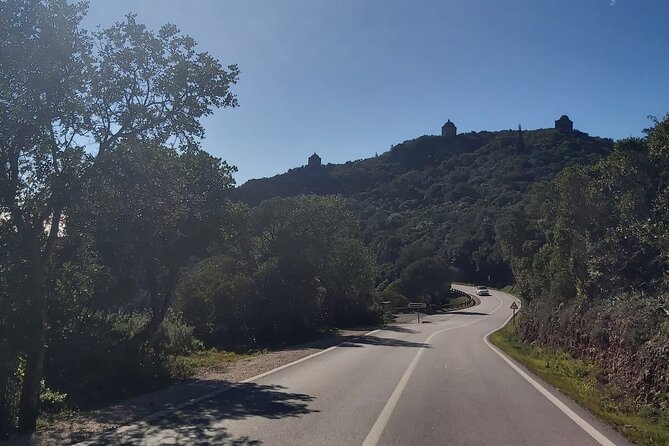
- Serra da Arrábida and Convento da Arrábida, including a free stop at a quiet, mystical place
- São Domingos viewpoint to get your bearings fast, plus a live map instead of paper
- Mercado do Livramento, famous for fish and for Pedro Pinto tiles from 1929
- Azeitão artisan tile workshop, where you learn color and craft the traditional way
- Wine tasting with five Setúbal Peninsula wines, including whites, reds, and a late harvest (or tailored to preferences)
A private day from Lisbon: how the timing feels

This is a true private outing, meaning you’re traveling as just your group. That matters more than you’d think in a day trip like this. Setúbal and the Arrábida region have plenty to see, and a private minibus lets you keep a steady pace without the usual “wait for everyone” headache.
The day runs about 6 hours, and the start window is flexible within the operating hours (Monday through Sunday, 9:00 AM to 6:00 PM). Pickup and drop-off are included, so you don’t have to figure out public transit or parking. You also get a mobile ticket, which keeps things simple on the day.
I like the way the itinerary is paced. Two stops are shorter (about 30 minutes), then the heart of the day stretches into longer cultural blocks (around 1 hour each). You’ll see big sights and still have time for food and crafts, without feeling like you’re sprinting between locations.
More of the Arrábida coast and Setúbal wine country
- Private Lisbon Arrabida Wine Tour: Food & Wines, Mountain and Sea
★ 5.0 · 907 reviews - Private Wine Tasting in the Setúbal Wine Region, from Lisbon
★ 5.0 · 611 reviews - Arrabida and Sesimbra Small-Group Day Trip from Lisbon with Wine Tasting
★ 5.0 · 494 reviews - Lisbon: Arrabida Park Kayak Tour with Beach Picnic
★ 4.9 · 490 reviews
Serra da Arrábida and Convento da Arrábida: mountain views with a calm pause
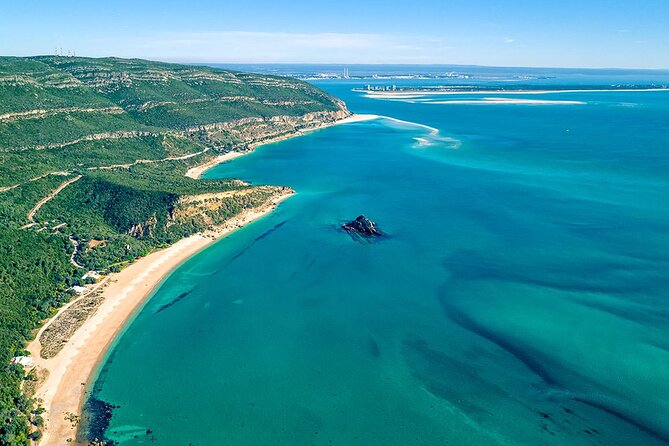
Arrábida starts the day in a strong way. Serra da Arrábida is known for dramatic scenery, and you get a dedicated moment to take it in rather than rushing past it. Think big views from the mountains, then a quick chance to breathe and reset your senses.
The highlight here is the Convento da Arrábida stop. The tour frames it as a mystical, serene corner of the region, and that tone fits what you’ll likely feel when you’re there. This isn’t just a photo spot. It’s a quiet place that turns the day slightly spiritual—like your trip is slowing down for a second.
The stop is about 30 minutes, and admission is listed as free. That’s a nice touch for value. It also keeps the day moving so you don’t end up “over-sitting” in one place before the city portion begins.
São Domingos viewpoint: get oriented fast
Before you jump into Setúbal’s streets and markets, you start at the São Domingos viewpoint. This is where the day starts to make sense. From a high point, Setúbal and the surrounding area feel less confusing. You can start picturing where the docks, hills, and coast are in relation to each other.
You’ll also get the practical bonus of a live map instead of paper. For a group day, that’s helpful. It means less time arguing about directions and more time enjoying the viewpoints and streets with your guide.
This stop is also about 30 minutes, with admission listed as free. It’s short, but it sets you up for the rest of the day so you don’t arrive at the market and church feeling like you’ve got no context.
Mercado do Livramento: fish market culture plus famous tile art
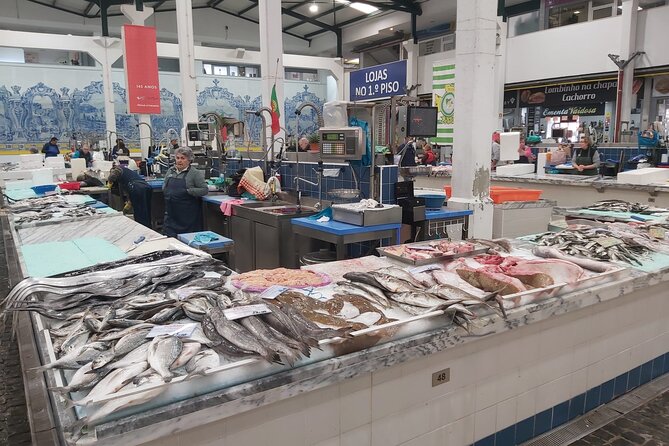
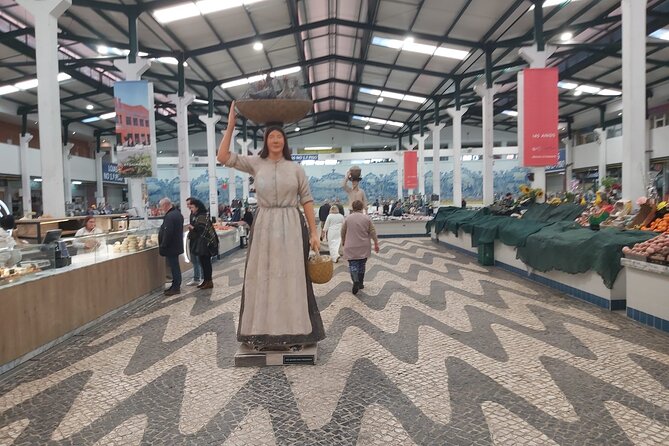
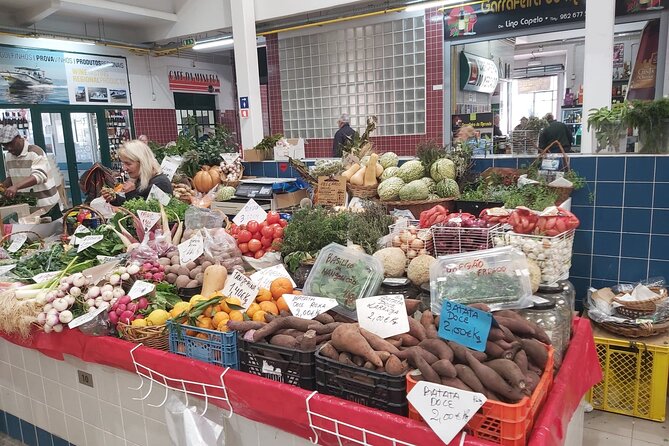
If you like food travel, Mercado do Livramento is one of the best parts of the day. This market is considered one of the best fish markets in the world (not just locally famous), and it’s easy to see why when you’re standing inside it.
What I like most is that it’s not just about eating. It’s about understanding how locals buy food. You’ll see fish of different types, plus fruit, vegetables, and aromatic herbs. It’s a sensory stop: colors, smells, and the pace of working producers. Even if you’re not planning to cook later, you’ll leave with a clearer idea of what people in Setúbal put on the table.
The market has another big draw: tile panels by Pedro Pinto dating from 1929. Those tiles depict agricultural and fishing activity, so the art doesn’t feel pasted on. It’s part of how the market tells its own story. It’s the kind of detail that makes you remember a place after the food is gone.
Expect about 1 hour here, and admission is listed as free. Because it’s a market, wear comfortable shoes. Also, don’t plan on trying to “see everything” like you’re speed-running. Your guide’s job is to point out what matters.
Worth a look before you lock anything else in around Lisbon:




The Church of the former Monastery of Jesus: Manueline architecture with meaning
Next comes a quieter, more reflective stop: the Church of the former Monastery of Jesus in the center of Setúbal. You’re stepping into the Convent of Jesus, dated to 1490 and described as the first convent of Manueline architecture. That’s big. Manueline style is Portugal’s own decorative language from the Age of Discovery, and it’s loaded with symbolism.
Here’s why this stop is worth your time: it didn’t just exist—it survived. The convent is noted as one of the few that remained after the 1755 earthquake. That changes how you read the building. Instead of treating it like a pretty shell, you can appreciate it as a survivor.
The tour notes that the work is documented and stylistically attributed to Boitaca, the Manueline architect associated with the style’s distinctive details. You’ll notice how the architecture feels both peaceful and complex. That mix is classic Manueline: calm surfaces paired with swirling symbolism and intricate design.
This is another about 1 hour stop, with admission listed as free. If you like architecture, you’ll probably want a bit more time. But if you don’t, you’ll still enjoy it as a strong pause between food and wine.
Doca dos Pescadores lunch: choose seafood with the Sado view
After the cultural stops, you get your lunch break at Doca dos Pescadores, Setúbal’s dockside promenade. This is where you’ll match what you’ve learned at the fish market with what you eat at the water.
Since lunch isn’t included, this part turns into a “you decide” meal. Your guide will bring you to the area, and you can choose from restaurants. The key advantage here is that you’re right in the right zone: seafood from the region, and a setting where fresh fish is the point, not an afterthought.
A local specialty you’ll want to keep in mind is fried cuttlefish—described as traditional and crunchy. It’s the kind of dish that tastes like it belongs here, not like it was imported for tourists.
The docks also give you a view of the Sado river. I like lunch that has scenery and a sense of place, and this delivers both.
Practical tip: if you’re traveling with kids or a group that eats at different speeds, set expectations before you order. Dock restaurants can be popular, and you’ll have more fun if everyone agrees on a plan.
After lunch, the day continues toward Azeitão, known for wines and cheeses and also for its history as a resting place for nobility because of the climate and proximity to Lisbon.
Azeitão tile workshop: the craft behind the color
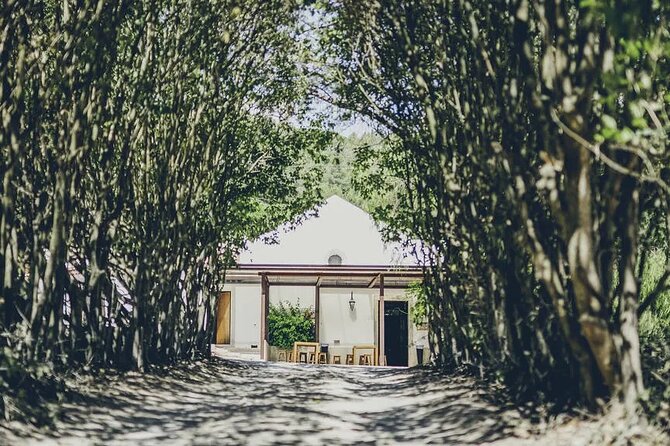
In Azeitão, you don’t just look at art—you learn how it’s made. The stop is an artisan tile workshop in an intimate, familiar setting. Instead of a gallery-style lecture, it’s explained as a traditional process from start to finish.
What you’ll learn is practical: where the tiles come from, how they’re made, and what different colors and ornamentation can mean. That focus on meaning is why this workshop feels better than a quick souvenir stop. When you understand the choices—color, pattern, final product—you see Portuguese tilework differently for the rest of your trip.
This stop runs about 1 hour, with admission listed as free. If you’ve ever bought a tile and wondered why one looks different from another, this is the right place to ask those questions.
Also, if your group includes kids, tilework is usually a winner because it’s hands-on and visually clear. Even if you don’t buy anything, you’ll leave knowing why certain styles look the way they do.
Setúbal wine tasting: five bottles that teach the region
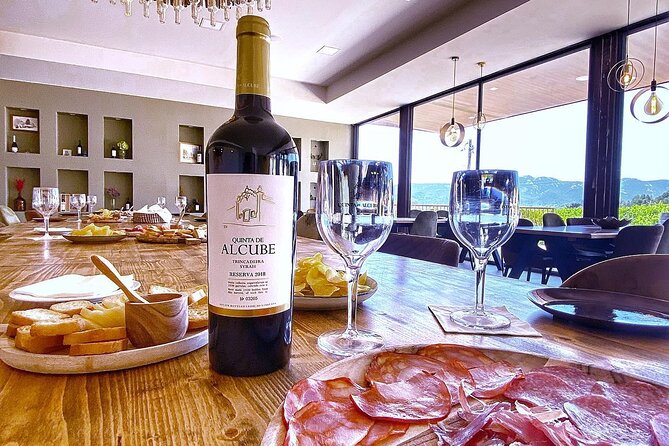
The finale is the most grown-up part of the day: Setúbal Peninsula wine tasting. You’ll sample five wines, described as two white, two red, and one late harvest. The tour also notes that the tasting can be adjusted based on your preferences, which is a smart way to keep the experience comfortable for people who don’t love every style.
Why this tasting is a good way to end the trip: Setúbal isn’t just “wine country” in a generic way. The region’s flavors are tied to place—especially when you’ve already spent the day learning about the coastline, the local market culture, and Azeitão’s craft traditions.
A late harvest wine is a nice capstone because it contrasts with the whites and reds. Even if you’re not a wine expert, you’ll likely notice how sweetness, acidity, and structure feel different from bottle to bottle.
The tasting lasts about 1 hour, and admission is listed as free. That’s important for value: a guided tasting can easily add costs on other tours, but here the structure is built into the experience.
Price and value: what you’re really paying for
The price is $156.38 per person, and it’s easiest to judge value by what’s included in that number.
You’re getting:
- Private transportation in an air-conditioned minibus
- Hotel pickup and drop-off
- An English-licensed guide
- Several stops with admission listed as free
- A structured day that moves between viewpoints, markets, architecture, craft, and wine
The big item that is not included is lunch. That’s not a dealbreaker, but it does mean you should plan on extra spending if you want a full meal rather than a snack.
Where the tour feels like good value is in how it reduces friction. If you tried to DIY this day, you’d be dealing with transport between locations, entry timing, and figuring out where to spend meaningful time versus where to just pass by. Here, the route and pacing are already handled, and your guide gives you the context so you don’t wander through a church or market asking, What am I even looking at?
For families and groups of four to six, private pacing can be a sweet spot. It’s personalized, but it’s not so large that you feel like a number.
Who should book this Setúbal secrets day (and who might rethink)
This tour fits well if you want a guided day that still feels authentic. You get:
- Culture stops that explain why things matter
- Food stops centered on local buying and local dishes
- A craft workshop that teaches the logic of traditional tilework
- Wine tasting with enough structure to be fun, not overwhelming
It’s also a strong choice if you’re traveling with a family. The schedule includes breaks and doesn’t rely on long, exhausting walking between every stop. The private van and hotel pickup help a lot.
A possible mismatch: if you hate markets, prefer to skip wine, or don’t want any structured stops, you might find the day a bit more “guided” than you like. Since lunch is on you, very budget-focused travelers might also want to plan meals carefully.
Should you book this private Setúbal and Arrábida tour?
If you want one day that blends Arrábida views, Setúbal’s fish-market culture, Manueline-era architecture, Azeitão craft, and a guided wine finish, this is a smart booking. The private format and hotel pickup make it feel smooth and family-friendly, and the stops are chosen to explain place through food, art, and architecture—not just scenery.
I’d book it if you enjoy local specialties like fried cuttlefish, want to learn what Manueline architecture is actually doing beyond looking ornate, and like ending with a tasting that’s structured and easy to follow.
If you prefer total freedom, you can always DIY Setúbal. But for most people, the value comes from having a guide connect the dots and from not spending your vacation figuring out transport and timing.
FAQ
How long is the private tour from Lisbon?
It’s about 6 hours.
Is hotel pickup and drop-off included?
Yes. Pickup is offered, and you’ll also be dropped back after the tour. You’re asked to send your hotel name and address to arrange pickup.
Is lunch included in the price?
No. Lunch is a stop during the day, but you’ll choose a restaurant on your own.
Is this tour private?
Yes. It’s described as a private tour/activity, so only your group participates.
What happens during the wine tasting?
You’ll taste five Setúbal Peninsula wines: two whites, two reds, and one late harvest. The wine selection can be customized based on preferences.
What should I know about cancellation?
Cancellation is free up to 24 hours in advance for a full refund.
More Private in Lisbon
- True 4Hour Private Tuk Tuk Tour: Discover Lisbon with a Local!★ 5.0 · 8,008 reviews
- Lisbon: Private Guided Tuk-Tuk Tour with Hotel Pickup★ 4.9 · 4,552 reviews
- Private Lisbon Sightseeing Tuk-Tuk Tour: Alfama, Belém & More★ 5.0 · 4,277 reviews
- Lisbon Highlights: Private Tuk Tuk Tour Adventure Sightseeing★ 5.0 · 3,284 reviews
- Welcome Lisbon Tour with Local Guide in Private Eco Tuk Tuk★ 5.0 · 1,691 reviews
More Tour Reviews in Lisbon
- Lisbon City Center Tour – The Unmissable Lisbon★ 5.0 · 22,234 reviews
- Lisbon: Sintra, Pena, Regaleira, Cabo da Roca & Cascais★ 4.7 · 19,656 reviews
- Lisbon Card: 24, 48, or 72-Hour Pass★ 4.5 · 17,944 reviews
- Lisbon: Jerónimos Monastery Entrance Ticket★ 4.1 · 14,164 reviews
- Lisbon: History, Stories and Lifestyle Walking Tour★ 4.8 · 10,902 reviews
The Arrábida Coast and Setúbal Wines
- Private Lisbon Arrabida Wine Tour: Food & Wines, Mountain and Sea★ 5.0 · 907 reviews
- Private Wine Tasting in the Setúbal Wine Region, from Lisbon★ 5.0 · 611 reviews
- Arrabida and Sesimbra Small-Group Day Trip from Lisbon with Wine Tasting★ 5.0 · 494 reviews
- Lisbon: Arrabida Park Kayak Tour with Beach Picnic★ 4.9 · 490 reviews
- Private Lisbon-Arrábida Wine Tour: 3 Wineries, Coast & Heritage★ 5.0 · 450 reviews
Just in: fresh Lisbon reviews from the team




Arrábida & Setúbal Tours, compared.
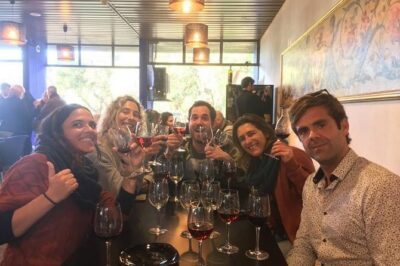 ★ 5.0Private Lisbon Arrabida Wine Tour: Food & Wines, Mountain and SeaFrom $139907 reviews
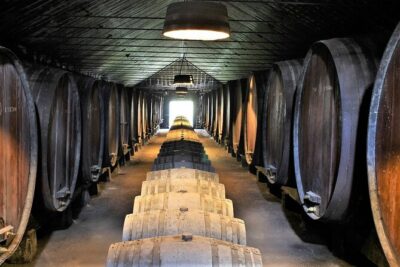 ★ 5.0Private Wine Tasting in the Setúbal Wine Region, from LisbonFrom $151611 reviews
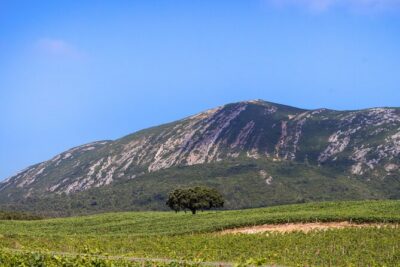 ★ 5.0Arrabida and Sesimbra Small-Group Day Trip from Lisbon with Wine TastingFrom $90494 reviews
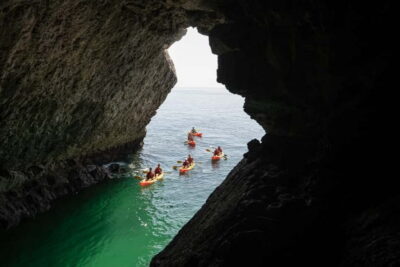 ★ 4.9Arrabida Park Kayak Tour with Beach PicnicFrom $70490 reviews
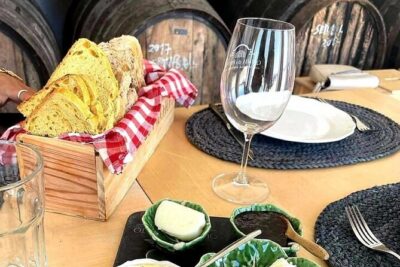 ★ 5.0Private Lisbon-Arrábida Wine Tour: 3 Wineries, Coast & HeritageFrom $156450 reviews
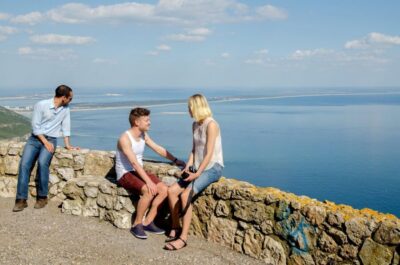 ★ 4.8Arrábida and Sesimbra Day Trip with WineFrom $75366 reviews
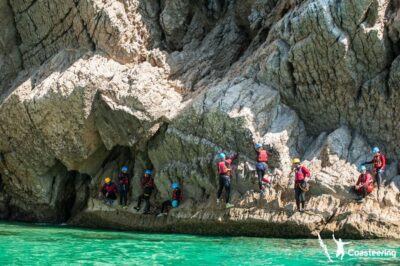 ★ 4.9Sesimbra/Arrábida Natural Park Coasteering AdventureFrom $76345 reviews
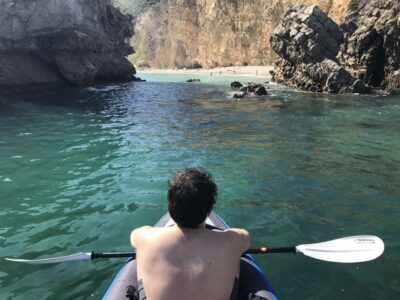 ★ 4.8From Lisbon: Arrábida Natural Park Kayak Tour with LunchFrom $57320 reviews
Browse the lists this tour appears in