
Reviewed · FÁTIMA, NAZARÉ & ÓBIDOS DAY TRIPS
6-Day North Portugal Tour: Porto, Braga, Fátima, Coimbra, Guimaraes, Aveiro and Batalha, from Lisbon
Six days, big Portugal energy. This tour strings together highlights like the Batalha Monastery and the major pilgrimage stops at Fátima, plus UNESCO sites such as the Convent of Christ, with a guide keeping the days moving. I also like that port wine tasting in Porto and the guided University of Coimbra visit are included, so you get context instead of just snapping pictures.
The catch is the pace: you’re on the move most days, and some parts of Porto are time-boxed after earlier full sightseeing days. On top of that, some departures may run with commentary in more than one language, so if you prefer steady single-language narration, it’s worth checking what your group setup will be like.
In This Review
- Key things to know before you go
- A coach tour that actually covers ground
- Day 1: Óbidos walls, Batalha Gothic, and Fátima’s key spots
- Day 2: Coimbra’s baroque library and Aveiro’s canal life
- Day 3: Porto’s World Heritage core, Palacio da Bolsa, and Saint Francis
- Day 4: Your long free day in Porto (how to spend it)
- Day 5: Amarante, Mateus gardens, and a Douro day that stays scenic
- Day 6: Bussaco forest calm, Tomar’s Templars, then back to Lisbon
- Price and value: where the money seems to go
- Practical stuff that affects your comfort
- Who this tour suits best
- Should you book this 6-Day North Portugal route?
- FAQ
- Where does the tour start?
- What’s included in the price?
- Are any entrance tickets included?
- Is lunch included?
- Is there a toilet on the coach?
- What dress code do I need for churches?
Key things to know before you go

- UNESCO hits without planning headaches: Batalha and Tomar’s Convent of Christ are built into the route.
- Fátima is treated as a sequence of locations, not just one stop.
- Porto comes with the right stops: Palacio da Bolsa and Church of Saint Francis are included.
- Coimbra adds meaning: the University visit includes time for the baroque library experience.
- Hotel comfort is part of the value: five nights in superior-class properties with breakfast.
A coach tour that actually covers ground
If you want north Portugal highlights in one shot, this route is built for you. You get coach transport, a professional guide, and enough structure that you’re not spending your whole trip figuring out transit and opening hours.
The trade-off is that you won’t have long, slow days in every city. Think “see the main story beats well” rather than “live in one neighborhood for a week.”
The western circuit, a few more ways to ride it
- Three Cities in One Day: Porto, Nazare and Obidos from Lisbon
★ 4.5 · 3,572 reviews - Fátima, Nazaré and Óbidos Small-Group Day Trip from Lisbon
★ 4.5 · 3,444 reviews - From Lisbon: Fátima, Nazaré, Batalha, and Óbidos Guided Tour
★ 4.7 · 3,060 reviews - From Lisbon: Fatima Batalha Nazaré & Óbidos Small-Group Tour
★ 4.7 · 2,563 reviews
Day 1: Óbidos walls, Batalha Gothic, and Fátima’s key spots
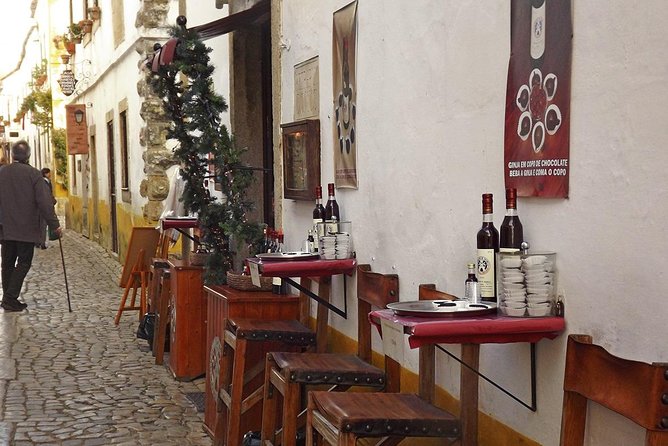
You start with Óbidos, the medieval town wrapped in walls and whitewashed houses. One hour isn’t long, but it’s enough to walk the lanes, look for small craft shops, and get a feel for why this place is so loved as a day-stop.
Next comes Batalha Monastery, a UNESCO site and one of Portugal’s clearest showcases of Gothic architecture. The time block is short, so your best move is to focus on the big visual moments: the scale, the stone detailing, and the overall layout rather than trying to read every plaque.
From there, you swing to Nazaré for a lunch break in the fishing village area. You’ll want to use this time for a real meal and rest your legs, because the next stops are sacred and hands-on in a different way.
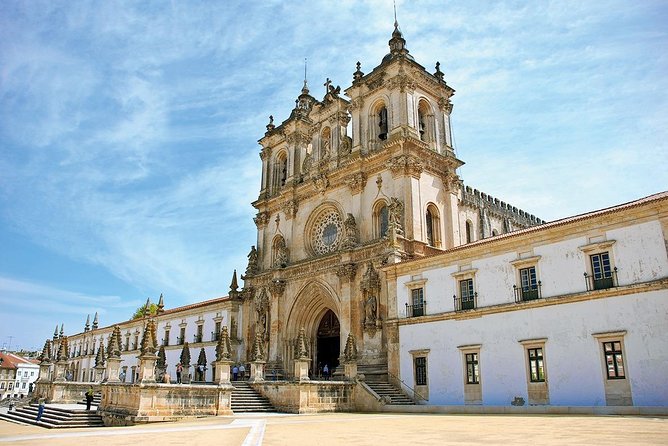
Then you reach Alcobaça Monastery, the Santa Maria de Alcobaça site often described as the first fully Gothic work erected on the ground in Portugal. It’s a good counterpoint to Batalha: different Gothic flavor, different atmosphere, and a quieter sense of “stone made patient.”
After that, the tour settles into Fátima, starting at the Basilica area and moving through specific places tied to the story. You’ll visit both the Capela das Aparicoes spot and the Sanctuary of Our Lady of Fátima. If you’re even mildly interested in how pilgrimage sites are set up spatially, this sequence helps you understand the geography of belief.
Practical tip for Day 1: plan for layers. The places of worship run with interior rules and cooler air, then you step back outside for walking. A light jacket can save you from the classic Portugal day-to-night temperature swings.
Day 2: Coimbra’s baroque library and Aveiro’s canal life
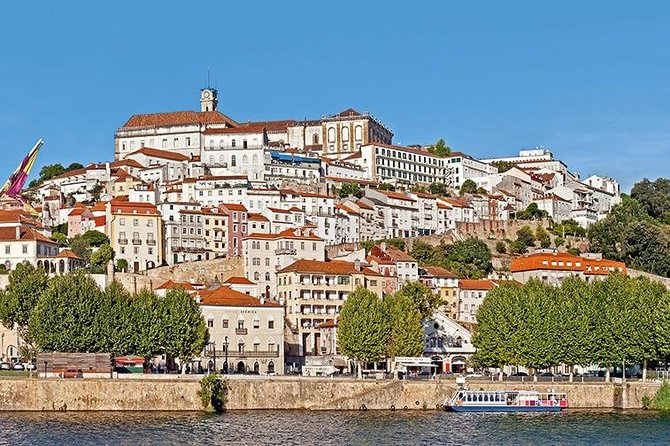
The morning sends you to Coimbra, Portugal’s former capital and a city built around learning. You’ll have time to see the old-town feel and then go straight into the University of Coimbra visit.
What makes the University stop valuable is that it’s not just a ticket. The visit includes a highlight time for the baroque library, plus the tour approach leans on the atmosphere and traditions you’d otherwise miss. If you’ve heard about the black student capes or the cultural link to fado, this is the kind of stop where those details start to make sense in context.
After Coimbra, you’ll stop at Monastery of Santa Clara-a-Nova, including the Saint Clara Church and the tomb of Queen Saint Isabel. This is one of those stops where the time feels modest, but the meaning is strong because you’re walking through a place tied to a specific story.
In the afternoon you head to Aveiro, often called the Venice of Portugal because of its canals. You’ll get about an hour to wander, look for the moliceiro boats, and try a local sweet like ovos moles. It’s not meant to be a long beach holiday city here. It’s a charm-and-flavor stop.
If you’re food-focused, I’d prioritize trying ovos moles and then using the remaining minutes just to watch the canal activity. The fun is seeing how everyday life uses the waterway.
Day 3: Porto’s World Heritage core, Palacio da Bolsa, and Saint Francis
Porto day is the tour’s “big city, done right” moment. The route starts in the city center and ties into the UNESCO world heritage idea: riverside views, historic buildings, and streets where you can feel multiple eras stacked.
You’ll visit Palácio da Bolsa, with time included for the experience inside. The building’s mix of architectural styles is part of the point, but the room you’ll remember is the Arab Hall, famous for its decorative style and the sense of ceremony it brings to the visit.
Next is Church of Saint Francis, also included. This is the one where people tend to either love it or want more time. The reason: the interior focus is heavy, and the church makes a visual argument through gilded detail. With a set time slot, I’d treat this as “see the main interior moments” rather than trying to take in every inch.
The tour also includes a Port tasting in Porto city center at Burmester. It’s a short tasting, not a deep dive into cellar history, but it’s a solid included add-on that turns a famous product into something you can taste while you’re still in the right city.
Then you shift gears to the medieval story of Guimarães—the cradle-of-the-nation feeling. You’ll walk the historic centre and then go up the Sacred Hill area with views over the Palace of the Dukes of Bragança and the Royal Castle.
From there, you head to Braga, sometimes called Portuguese Rome for its concentration of religious architecture. You’ll also take in the Bom Jesus funicular and baroque setting at Bom Jesus do Monte. This is one of those “Portugal does drama with architecture” stops, with stairs, fountains, and statue scenes that make the baroque style instantly understandable.
One note: some departures get tight on timing, and Porto time can feel compressed later. If you’re the type who wants to wander Porto on your own, Day 4 matters a lot.
Heading north? Other long days up to Porto


Day 4: Your long free day in Porto (how to spend it)
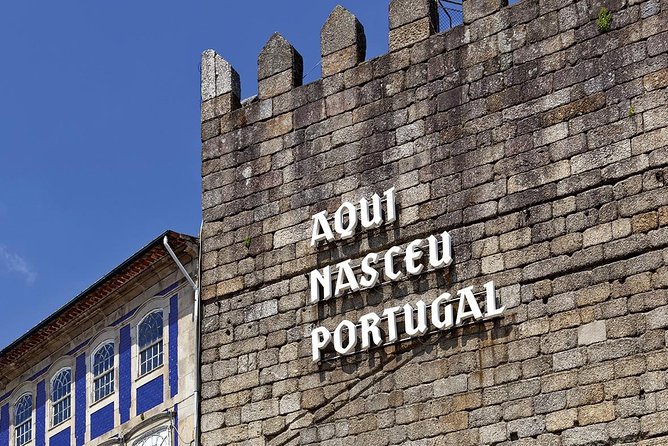
This is the day built for you. You’ll have a full chunk of free time in Porto, with about eight hours on the clock after breakfast.
Use it strategically. If you love riverside views, prioritize walking along the waterfront and the bridge areas, then come back for neighborhoods. If you want to shop or snack, keep it simple and plan your route around where you’ll eat.
Because the tour already covered major set-piece stops on Day 3, this is your chance to slow down for what you actually enjoy: photo streets, small cafés, and the kinds of details you can’t chase when the coach schedule is ticking.
If you’re traveling with someone who loves museums, you might use this day to add one extra indoor stop, since earlier days include mostly guided sights. If you prefer outdoors, skip extra admissions and just do neighborhood walking. Porto works either way.
Day 5: Amarante, Mateus gardens, and a Douro day that stays scenic
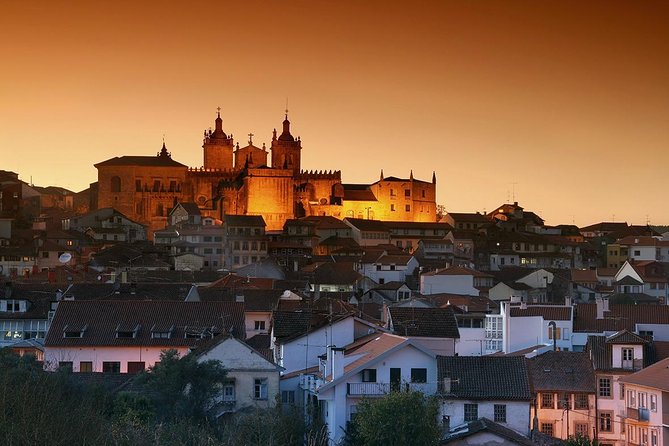
Day 5 is where the route adds extra regional texture beyond the headline cities. It starts with Amarante, known for Saint Gonçalo and a lively market feel. The riverfront monastery area and the market stops are the kind of practical sightseeing that makes a place feel used—not just museum-like.
Next you reach Vila Real and the Mateus State gardens area. Even if you don’t spend ages here, this is an instantly recognizable façade in Portuguese visual culture because it’s linked to the image on rosé wine bottles.
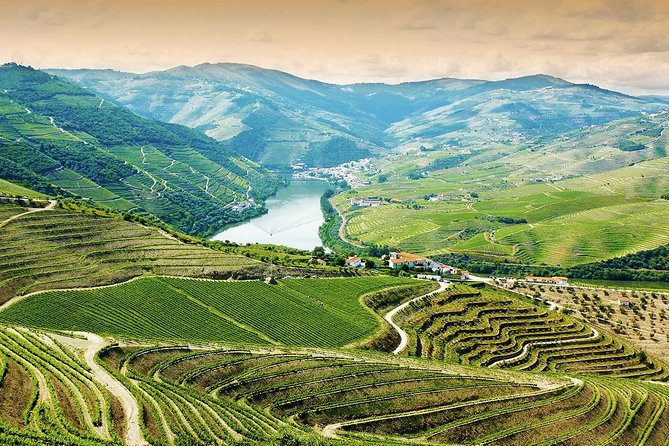
Then it’s into the Douro Valley. You’ll travel through vineyards and the view rhythm changes fast here. The tour gives you a set time window, so the goal is to look out of the coach and enjoy the scenery rather than expecting a “how wine is made” experience with long tastings.
You also stop at Lamego with the Nossa Senhora dos Remédios shrine and its famous baroque staircase. The time is designed for the big visual moment. If you want a small food souvenir, this is also where you’ll have a chance to sample local delicacies like bola de Lamego.
The day ends with an overnight around Urgeiriça. That helps you set up a smoother return toward Lisbon without forcing a super-long driving day all at once.
Day 6: Bussaco forest calm, Tomar’s Templars, then back to Lisbon
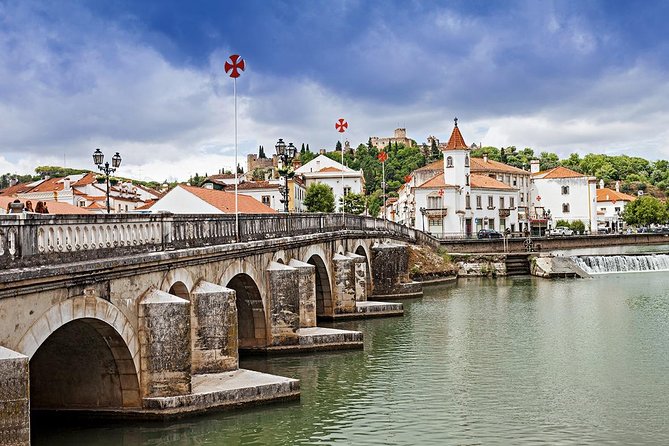
On the final day, you head toward Bussaco. The route highlights its luxuriant forest feel and the sense of a former royal hunting lodge atmosphere. It’s a gentler start compared with earlier religious and medieval-heavy stops.
Then you reach Tomar, a key stop for the Templars story. The tour connects the Order of the Templars to Portugal’s early history and then centers on the most important landmark in the town.
That brings you to the Convento de Cristo, the UNESCO World Heritage site. The included visit is focused on the complex’s mix of architectural styles and the way the site developed over time. If you’ve been seeing castles and churches all week, this is one of the best places to notice how power, religion, and architecture overlap in a single footprint.
After Tomar, you return to Lisbon, and the tour ends back at the meeting point area.
Price and value: where the money seems to go
The posted price shows as $0.00 here, so I can’t judge exact cost. But you can still evaluate value based on what’s bundled.
You’re paying for:
- Five nights of superior-class accommodation
- Breakfast included (five breakfasts)
- Air-conditioned coach transport
- A professional guide
- Included experiences like Port tasting in Porto, University of Coimbra, Palacio da Bolsa, Church of Saint Francis, and Convento de Cristo
That matters because hotels and long-distance coach logistics are usually the expensive parts of a trip like this. You’re also not left to hunt down tickets for the main set-pieces. Even if you spend extra on lunches and dinners (and you will, since lunch is typically not included), you’re likely saving time and stress.
If you’re the kind of traveler who likes DIY planning, you might find you can piece this route together on your own for less. But if you want the route matched up city-to-city with guided context, the structure is the value.
Practical stuff that affects your comfort
This is a moderate walking tour, and some days include multiple stops in one broad theme (especially Day 1 and Day 3). Pace can also feel brisk because you’re switching between places rather than spending hours in any single site.
There are also a few rules you should take seriously:
- You need a dress code for churches and selected museums: no shorts or sleeveless tops; knees and shoulders must be covered for men and women. Expect a quick rethink if you packed summer-only clothes.
- There’s no toilet on board the coach, so plan bathroom breaks at stops and avoid counting on mid-drive options.
Group size is limited to a maximum of 20 travelers, which generally keeps things manageable. Still, if your travel style is quiet and independent, you may find yourself constantly “waiting for the group” at the edges.
Who this tour suits best
This fits you if:
- You want big-ticket destinations across northern Portugal with minimal planning.
- You like guided stops where someone explains what you’re looking at.
- You’d rather pay for organization than spend days building an itinerary.
It may not be the best match if you strongly prefer long free time in a single city, since the schedule is designed to cover many places. Porto does have a meaningful free day, but the earlier Porto day is still packed.
Should you book this 6-Day North Portugal route?
I’d book this tour if your goal is clear: see the major UNESCO and pilgrimage highlights, get a structured coach route between cities, and still have one meaningful free day in Porto to breathe.
I’d think twice if you hate time-boxed sightseeing, or if you need consistent single-language commentary throughout every stop. If that’s you, focus on what matters to you most: the included stops at Batalha, Coimbra, Porto, Braga, and Tomar are the core strengths, and the rest of the route supports that story.
If you do book it, pack for church rules, bring comfortable walking shoes, and treat Day 4 in Porto like your personal reward day. That’s where the trip turns from “busy week” into “I can actually enjoy this city.”
FAQ
Where does the tour start?
The tour meets at Marquês Pombal (1070-051 Lisbon, Portugal).
What’s included in the price?
It includes 5 nights of accommodation, a professional guide, port wine tasting in Porto, air-conditioned coach transport, and 5 breakfasts.
Are any entrance tickets included?
Yes. The tour includes admissions for University of Coimbra, Palácio da Bolsa, Church of Saint Francis, and Convento de Cristo. Many other listed stops show admission as free.
Is lunch included?
No. Lunch stops are listed, such as the Nazaré lunch, but food and drinks are generally not included unless specified.
Is there a toilet on the coach?
No. There is no toilet on board the coach.
What dress code do I need for churches?
You must cover knees and shoulders. The tour notes no shorts or sleeveless tops, and you may be refused entry if you don’t follow the dress rules.
More Tour Reviews in Lisbon
- Lisbon City Center Tour – The Unmissable Lisbon★ 5.0 · 22,234 reviews
- Lisbon: Sintra, Pena, Regaleira, Cabo da Roca & Cascais★ 4.7 · 19,656 reviews
- Lisbon Card: 24, 48, or 72-Hour Pass★ 4.5 · 17,944 reviews
- Lisbon: Jerónimos Monastery Entrance Ticket★ 4.1 · 14,164 reviews
- Lisbon: History, Stories and Lifestyle Walking Tour★ 4.8 · 10,902 reviews
The Long Haul North to Porto
- Three Cities in One Day: Porto, Nazare and Obidos from Lisbon★ 4.5 · 3,572 reviews
- From Lisbon: Day Trip to Porto, Óbidos, and Nazaré★ 4.5 · 1,311 reviews
- Lisbon: Fátima, Nazaré, Óbidos & São Martinho do Porto Tour★ 4.8 · 748 reviews
- Lisbon to Porto Up to 4 Stops: Obidos, Nazare, Fatima and Aveiro★ 5.0 · 362 reviews
- Lisbon: Sunset DJ & Porto Tonic Premium Boat Experience★ 4.6 · 250 reviews
The Western Circuit: Fátima, Nazaré, Óbidos
- Three Cities in One Day: Porto, Nazare and Obidos from Lisbon★ 4.5 · 3,572 reviews
- Fátima, Nazaré and Óbidos Small-Group Day Trip from Lisbon★ 4.5 · 3,444 reviews
- From Lisbon: Fátima, Nazaré, Batalha, and Óbidos Guided Tour★ 4.7 · 3,060 reviews
- From Lisbon: Fatima Batalha Nazaré & Óbidos Small-Group Tour★ 4.7 · 2,563 reviews
- Lisbon: Fátima, Batalha, Nazaré & Obidos Small-Group Tour★ 4.9 · 1,463 reviews
Just in: fresh Lisbon reviews from the team



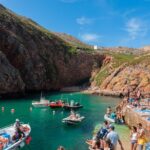

Fátima, Nazaré & Óbidos Day Trips, compared.
 ★ 4.5Three Cities in One Day: Porto, Nazare and Obidos from LisbonFrom $1333,572 reviews
 ★ 4.5Fátima, Nazaré and Óbidos Small-Group Day Trip from LisbonFrom $773,444 reviews
 ★ 4.7From Lisbon: Fátima, Nazaré, Batalha, and Óbidos Guided TourFrom $473,060 reviews
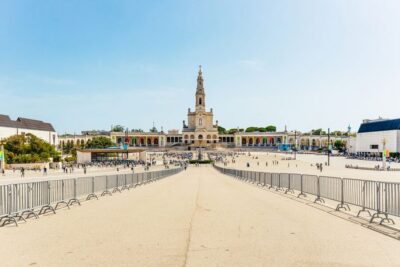 ★ 4.7From Lisbon: Fatima Batalha Nazaré & Óbidos Small-Group TourFrom $792,563 reviews
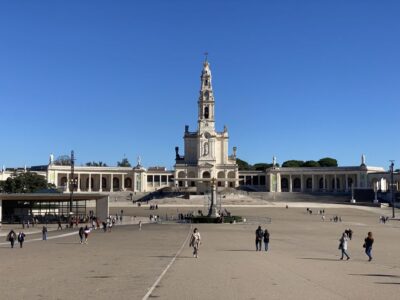 ★ 4.9Fátima, Batalha, Nazaré & Obidos Small-Group TourFrom $481,463 reviews
 ★ 4.5From Lisbon: Day Trip to Porto, Óbidos, and NazaréFrom $971,311 reviews
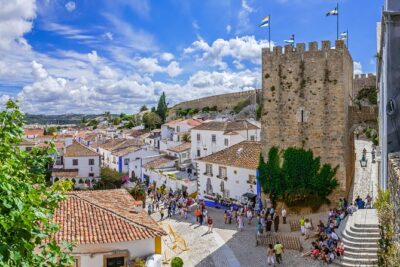 ★ 5.0Fatima, Nazare, Obidos 8-People Small Group, Day-Tour from LisbonFrom $71995 reviews
★ 5.0From Lisbon: Fátima, Nazaré, Batalha and Óbidos Guided TourFrom $55922 reviews
★ 5.0Fatima, Nazare, Obidos 8-People Small Group, Day-Tour from LisbonFrom $71995 reviews
★ 5.0From Lisbon: Fátima, Nazaré, Batalha and Óbidos Guided TourFrom $55922 reviews
Browse the lists this tour appears in