Reviewed · LISBON
11 Days The Best of Portugal from Lisbon
Portugal by road, planned down to the details. This 11-day loop links Lisbon to the Algarve with stops that mix big-name sights and lesser-visited towns like Obidos, Alcobaca, Aveiro, Guimaraes, and Silves. I especially like the way the route pairs famous landmarks with small moments, like sipping ginginha and watching canal boats in Aveiro, plus planned time to just breathe in places like Bussaco. You’ll also get a licensed guide on a shared group basis, which helps when you want context without needing a guidebook.
Still, there’s a trade-off: most days run long by design (about 12 hours), so expect early mornings and some serious bus time. If you prefer slow travel, this may feel like too much motion, especially with a group size that can reach 49.
In This Review
- Key highlights worth clocking before you book
- Why this 11-day Portugal route is a smart fit for first-timers
- Lisbon pickup at Marques de Pombal Square: your day’s anchor point
- Obidos, Alcobaca, and Nazare: medieval walls plus seaside air
- Coimbra and Aveiro: university architecture and canal time
- Porto mornings, Minho stops, and Guimaraes roots
- Oporto free day plus Amarante and Vila Real: when to take a breather
- Bussaco forests to Tomar’s Templar legacy
- Sintra, Cabo da Roca, Cascais, and Estoril: a full coast-and-palaces day
- Evora UNESCO sprint: Roman, gothic, and the Chapel of Bones
- Beja tower to Algarve orange groves: Silves and Moorish red stone
- Ponta da Piedade, Sagres fortress, and Cabo de Sao Vicente
- Setubal and Arrabida: the return drive with actual scenery payoff
- Price and what you get for it: hotels, breakfasts, and admissions
- Who should book this Portugal trip (and who should skip it)
- Should you book this 11-day Best of Portugal tour?
- FAQ
- What time does pickup happen in Lisbon?
- Where is the meeting point?
- What time is the drop-off back in Lisbon?
- Is the tour guided, and in which languages?
- Are admissions included in the price?
- How many nights and breakfasts are included?
- What kind of transportation is used?
- What should I wear for religious or official buildings?
Key highlights worth clocking before you book
- Marques de Pombal Square at 8:30: a clear start point that keeps the whole day on schedule
- UNESCO hits with admissions included: Coimbra University, Evora Cathedral, and more are covered
- Porto plus Minho wine country: port tasting, riverside views, and Guimaraes roots
- Sintra and the coast in one day: Pena Palace area, Cabo da Roca, Cascais, and Estoril
- Algarve cliffs and navigation history: Ponta da Piedade, Sagres fortress, Cabo de Sao Vicente
Why this 11-day Portugal route is a smart fit for first-timers
This tour works because it’s built like a travel “greatest hits” playlist. You start in Lisbon, then you swing north for Coimbra and Porto, then you cut back through the center, and finally you land in the Algarve for sea-and-cliff time. The pacing is intense, but it’s efficient: you see a lot without arranging trains, renting a car, or constantly re-checking transit options.
What I like most is the balance between major sights and places that feel more lived-in. You’re not just rushing through photo stops. You also get time in smaller towns like Obidos, Nazare (fishing village vibes), and Silves (Moorish-era feel). That makes the trip feel like Portugal, not just a checklist.
One more practical win: key entries are included. That matters because it reduces decision fatigue. You can focus on walking, photos, and eating, rather than figuring out which tickets you still need.
Still deciding? See how this one measures up against a few Lisbon favourites.
- Lisbon City Center Tour – The Unmissable Lisbon
★ 5.0 · 22,234 reviews - Lisbon: Sintra, Pena, Regaleira, Cabo da Roca & Cascais
★ 4.7 · 19,656 reviews - Lisbon: Jerónimos Monastery Entrance Ticket
★ 4.1 · 14,164 reviews - Lisbon: History, Stories and Lifestyle Walking Tour
★ 4.8 · 10,902 reviews
Lisbon pickup at Marques de Pombal Square: your day’s anchor point
The tour begins with pickup at Marques de Pombal Square in Lisbon at 8:30. They also note a meet point near Exe Liberdade (Avenida Duque de Loule 124), and I’d treat that as your “be there early” reference. Arrive about 15 minutes before the set time. That little buffer helps when you’re locating the right spot, especially if you’re relying on public transit.
Your days are structured around this morning rhythm: you depart, you tour with the guide, and you usually don’t return to Lisbon until later (with the schedule shifting by region). The last day also returns you to Lisbon, with drop-off at Marques de Pombal Square at 18:00.
Practical tip: you’ll be on a coach/minivan with air conditioning, so bring a light layer. Portugal sun is warm; buses can get cool.
Obidos, Alcobaca, and Nazare: medieval walls plus seaside air
Day 1 sets the tone by combining three different flavors of Portugal in one sweep.
Obidos is famous for its medieval walls, the kind you can actually walk around (at least for portions depending on timing). The town’s charm comes from how compact it is. You can wander without feeling lost, and it’s easy to pop into craft shops. There’s also time for the iconic ginginha, the bitter cherry liqueur. Even if you don’t do alcohol, it’s fun to see how a local drink becomes part of the visitor ritual.
Next is Alcobaca, centered on a massive Gothic church tied to the famous Pedro and Ines de Castro story. This is the kind of stop where a guide earns their place, because the tombs and legends give you a reason to look longer than you might on your own.
Finally, you head toward Nazare, a typical fishing village by the sea. You’ll get seaside mood more than museum time. If you’re sensitive to long drives, this first day can feel like a strong opener—so plan for an early night after.
Coimbra and Aveiro: university architecture and canal time
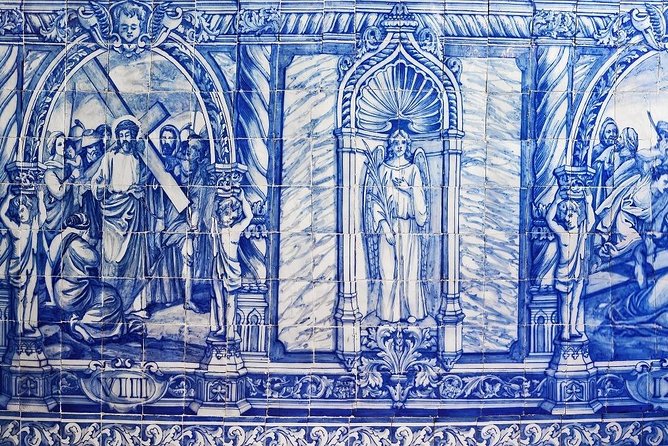
Coimbra is where the tour slows down just enough to feel different from the coastal start. You’ll visit Coimbra University, including time around its baroque library atmosphere. The detail that stands out here is the strong student tradition, including the black student capes and the presence of Fado as part of the cultural scene. Even if you’re not hunting for a performance, the local identity makes the visit feel grounded.
You also stop at Santa Clara Church, where you can find the tomb of Queen Santa Isabel, connected to the miracle of the roses. That’s one of those moments where the story isn’t just background—it changes how you look at the place.
In the afternoon, you continue to Aveiro, the “Venice of Portugal” style canal city. You get time to see the moliceiro boats. If you like photos, this is where you’ll want to move slowly. The canals reward walking and pausing, not rushing from one viewpoint to another.

Porto mornings, Minho stops, and Guimaraes roots
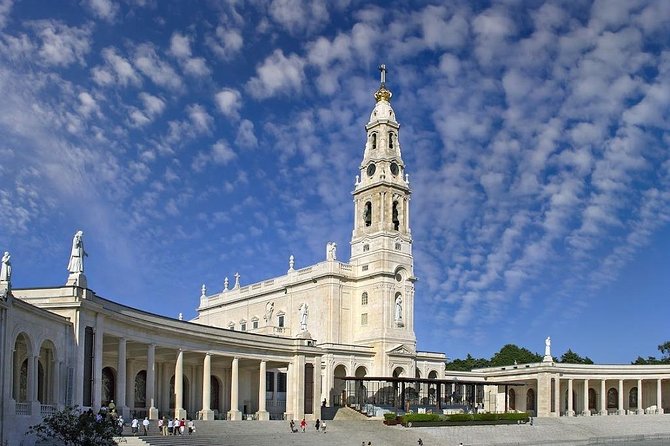
Porto is treated as a real destination, not a quick photo wall. You’ll start in the Porto area with breakfast and then head into the city for a riverside-focused visit. Porto is also where Port wine enters the picture, with a stop that includes a glass of the famous stuff. It’s a small inclusion, but it helps Porto feel “Portuguese” rather than generic urban sightseeing.
The tour then pushes into Minho, the green north region known for Vinho Verde. This is also a great day for perspective: you’ll see Portugal as more than coasts and castles. You get natural greenery plus wine culture.
Then comes Guimaraes, described as the cradle of the Nation and the birthplace of Portugal’s first king. You’ll visit the Sacred Hill area crowned by the Castle. Again, a guide helps because the viewpoint makes more sense once you understand the historical role of the city.
Oporto free day plus Amarante and Vila Real: when to take a breather
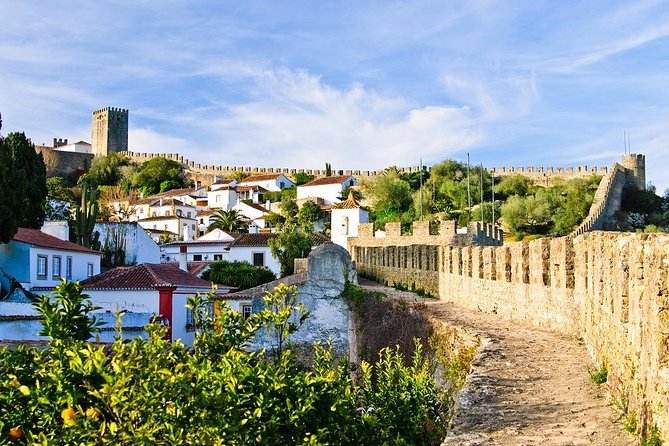
Day 4 is a standout option: you get a free day in the Oporto area after breakfast. That’s valuable in a tour like this. You’re not locked to constant motion, and you can choose what fits you best—whether that’s wandering a neighborhood, shopping, or doing your own food run.
Then Day 5 turns toward the center-north with Amarante, known for natural features and local sweets. There’s also a reference to St Goncalo, a local figure connected to love and marriage traditions celebrated on the first Saturday of June. Even if your travel dates don’t line up with that celebration, it tells you the town’s identity isn’t just aesthetic—it’s ritual and routine.
You then continue to Vila Real, with time for main attractions and the gardens of the Mateus estate. This stop is a good reminder that Portugal has elegant garden culture, not only historic religious sites.
Bussaco forests to Tomar’s Templar legacy
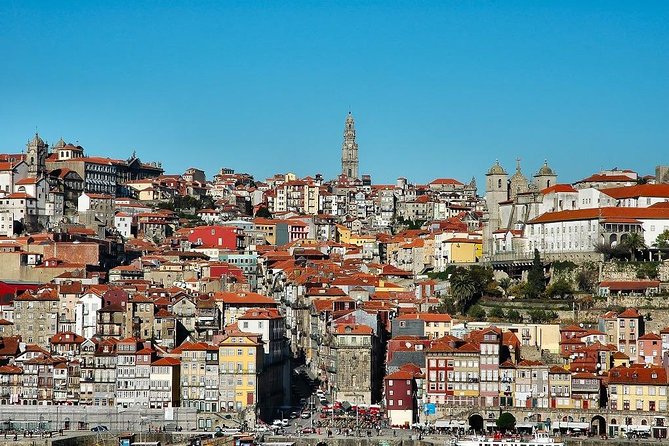
Day 6 is built for people who like a “nature break” inside a history-heavy itinerary. You drive to Bussaco, known for its lush forest with rare trees and plants, plus a romantic hotel setting that traces back to a royal hunting lodge. Even if you don’t spend time inside the hotel itself, the forest setting changes the vibe of the day. It’s a reset from churches and castles.
After that, you continue to Tomar, tied closely to the Templars. The key inclusion here is the Convent of Christ, which is the kind of place where architecture and orders history overlap. You’re not just looking at stone; you’re looking at how power and belief shifted over centuries.
If your feet are tired from earlier days, this is still a walk-heavy stop, but the environment can make the effort feel more worth it.
Sintra, Cabo da Roca, Cascais, and Estoril: a full coast-and-palaces day
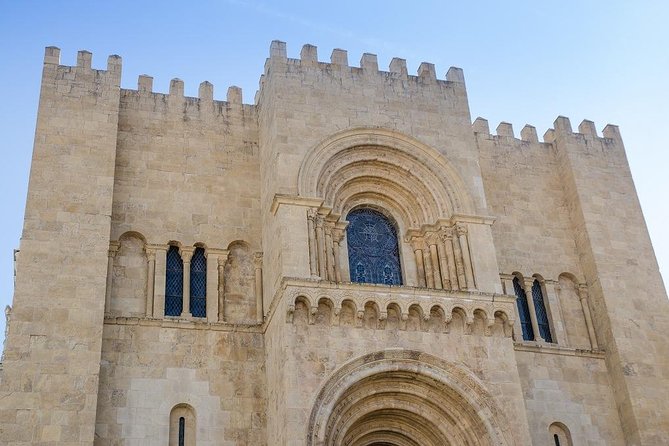
Day 7 is one of the most intense days because it stacks world-famous stops together.
In Sintra, you’ll visit the Palace of Pena and also get time to walk the town. That combination matters: the palace gives you the dramatic architecture, and wandering the town gives you the human-scale streets.
Next is Cabo da Roca, the westernmost point of mainland Europe, with big views over the ocean. After that you drive along the coast past Hell’s Mouth, described as a famous surfing beach area, plus Cascais and Estoril. Even the mention of the Estoril Casino gardens signals this isn’t just roadside scenery; it’s a day designed for shifting atmospheres.
Back to Lisbon for your next night, which is a good structure. After a day like this, you’ll be glad you don’t have to keep driving at night.
Evora UNESCO sprint: Roman, gothic, and the Chapel of Bones
Day 8 brings you to Evora, a UNESCO World Heritage Site, and it’s a strong choice for architecture lovers and story people. This is where you’ll see layers: Roman roots, later religious buildings, and then the unique identities that formed around them.
You’ll visit the Roman Temple, the Romanesque-Gothic Cathedral, and St. Francis Church. The big emotional stop is the Chapel of Bones (with the tour including it). That place is not for everyone, but it’s memorable for the way Portugal has processed death, faith, and space.
You’ll also see Evora’s University and have time at a local market, which is useful if you want to taste the day rather than only sightsee it. Food markets can be the fastest way to understand a place’s everyday life.
This day is also one to plan your clothing for religious sites. The tour notes guidance like avoiding sleeveless shirts and certain short clothing at temples and official buildings. It’s worth following so you don’t get turned away at the door.
Beja tower to Algarve orange groves: Silves and Moorish red stone
Day 9 shifts you toward the Alentejo and then down into the Algarve. You’ll stop in Beja to see the highest tower in a Portuguese medieval castle. It’s the kind of viewpoint that helps you understand how towns were built for visibility and defense.
Then you cross into Algarve, with fields of orange trees and stops built around Moorish-era influence. In Silves, the focus is the red sandstone castle dating to Moorish times, plus the town’s link to a former cork industry. This mix keeps it from feeling like one-note beach tourism.
Even if you’re not a long-haul beach person, Silves gives you history plus a satisfying change from coastline.
Ponta da Piedade, Sagres fortress, and Cabo de Sao Vicente
Day 10 is classic Algarve. You start with Ponta da Piedade, known for cliff formations shaped by sea and time. If you like standing at viewpoints and letting your eyes trace rock lines, this stop will work.
Next is Sagres, including a visit to the fortress described as the mythical navigation school tied to Prince Henry the Navigator. That’s a neat way to tie Portugal’s coast to Portugal’s outward-looking history—why ships mattered, and why this region drew attention.
Then you go to Cabo de Sao Vicente, the most south-western point in mainland Europe. It’s a dramatic capstone for the trip’s southern stretch. You finish with time around Lagos for meals and local dishes.
This day can be breezy and windy. Bring a light jacket even in warm months.
Setubal and Arrabida: the return drive with actual scenery payoff
Day 11 is your final long drive back to Lisbon. You start with breakfast in the Algarve area and then travel via Setubal, a major port and industrial center on the north bank of the Sado estuary.
After that, you drive through the Arrabida Mountain Range and can view the Natural Park with unique vegetation and views over the Troia Peninsula. Even though you’re heading home, this part is designed to make the drive feel like more than transit.
Crossing the Tagus River bridge brings you back to Lisbon, with drop-off at Marques de Pombal Square at 18:00. It’s a solid end point because it keeps you from having to manage last-minute city logistics.
Price and what you get for it: hotels, breakfasts, and admissions
The price is $3,849.31 per person, which is not small money. The value angle here is that the package covers a lot of the expensive-by-effort stuff.
You get:
- 10 accommodation nights on a bed-and-breakfast basis
- Breakfast included for 10 mornings
- A licensed guide on a shared basis and transport by air-conditioned bus or minivan
- Entrance fees and activities named in the program (including major entries like Coimbra University, Convent of Christ in Tomar, Palace of Pena in Sintra, and the Chapel of Bones in Evora)
This matters because long-distance touring across multiple regions adds up fast if you’re paying everything à la carte. You’re also buying time: you don’t have to plan every ticket or route between cities.
What isn’t included is also clear: international flights, most meals beyond what’s stated, and drinks, plus tips and personal expenses. If you like wine tastings and extended lunches, budget extra.
One more note: a past departure mentioned an excellent tour director named Pedro Pinto and a highly praised driver named Jose. Even without promising specific staff for every departure, that’s a signal the guide-driver pairing can make a big difference on long days.
Who should book this Portugal trip (and who should skip it)
This tour is a great match if you want:
- A structured route across Portugal without car rental planning
- Regular guided context at churches, palaces, and historic sites
- Built-in time off, like the free day in the Porto area
- A good blend of coast, cities, and inland towns
It’s not the best fit if you:
- Prefer slow travel with lots of unscheduled time
- Hate long coach days
- Want to fully control every meal and stop
Also consider mobility. Many sites involve walking on uneven streets or stairs, especially in medieval towns and religious buildings.
Should you book this 11-day Best of Portugal tour?
If your goal is to see Portugal’s main regions in one shot—Lisbon to Porto to Evora to the Algarve—this is a strong value play. The inclusion of major admissions and the “guide does the explaining” setup help keep your trip moving without losing meaning.
I’d book it if you can handle long days and you’re okay sharing the experience in a group that can reach up to 49 people. If you want a more relaxed pace, consider a shorter, region-focused trip instead.
FAQ
What time does pickup happen in Lisbon?
Pickup is at 8:30 at Marques de Pombal Square. They recommend arriving about 15 minutes early.
Where is the meeting point?
The meeting point is listed near Exe Liberdade, at Avenida Duque de Loule 124, Lisbon 1050-093 Portugal, with pickup at Marques de Pombal Square.
What time is the drop-off back in Lisbon?
The tour notes a Lisbon drop-off at 18:00 at Marques de Pombal Square.
Is the tour guided, and in which languages?
Yes. It runs with a licensed guide on a shared basis and is offered in English, Spanish, French, and Portuguese.
Are admissions included in the price?
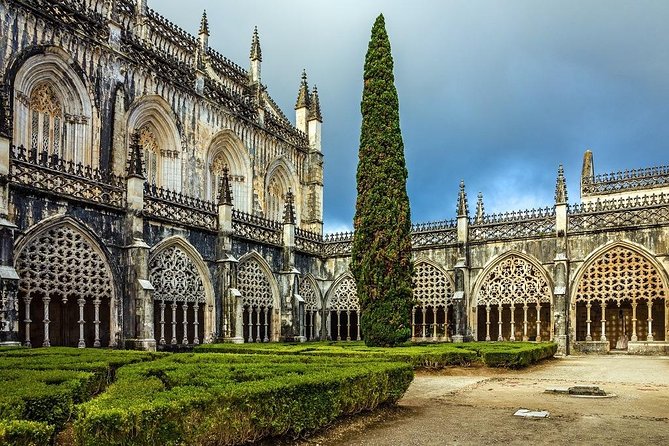
Yes. Entrance fees and activities specifically mentioned in the program are included, such as Coimbra University, Batalha Monastery, Palacio da Bolsa, Palace of Pena, the Chapel of Bones, and the Sagres fortress.
How many nights and breakfasts are included?
You get 10 accommodation nights on a bed-and-breakfast basis. Breakfast is included for 10 days.
What kind of transportation is used?
The tour uses an air-conditioned bus or minivan, depending on the detailed itinerary.
What should I wear for religious or official buildings?
They advise comfortable, light clothing, and specifically say to avoid sleeveless shirts, shorts, short skirts, or skimpy clothing when visiting temples, religious, or official buildings. Sun protection and mosquito repellent can be useful.
More Tour Reviews in Lisbon
- Lisbon City Center Tour – The Unmissable Lisbon★ 5.0 · 22,234 reviews
- Lisbon: Sintra, Pena, Regaleira, Cabo da Roca & Cascais★ 4.7 · 19,656 reviews
- Lisbon Card: 24, 48, or 72-Hour Pass★ 4.5 · 17,944 reviews
- Lisbon: Jerónimos Monastery Entrance Ticket★ 4.1 · 14,164 reviews
- Lisbon: History, Stories and Lifestyle Walking Tour★ 4.8 · 10,902 reviews