
Reviewed · PRIVATE
10 Days Private Tour in Portugal
A 10-day loop of Portugal feels like a master plan. This private tour is built for exactly that—guides keep you moving through Portugal’s major cities and quieter villages with the why behind every stop, not just the what. You’ll get the kind of pacing that helps history make sense, including street layouts shaped by the 1755 earthquake and seaside views tied to old voyages.
I particularly liked two things: the escorted, information-rich guiding style and the mix of big-name sights with more local, unexpected moments. One day you’re looking out over Lisbon from a classic miradouro; the next you’re learning how cork is processed or tasting wine with regional foods.
One thing to weigh: not everything is ticket-included. Many of the marquee sites run admission fees you’ll need to budget for, and the schedule is full enough that you’ll want comfortable shoes and a flexible attitude.
In This Review
- Key things you’ll notice on this Portugal private tour
- Is this 10-Day Private Portugal Tour good value?
- Day 1 in Lisbon: Baixa grid, São Jorge views, Alfama fado lanes, and Belém’s Golden Age
- Day 2 in Sintra and Cascais: Pena views, Cabo da Roca, and the Atlantic road home
- Day 3 in Évora and Alentejo: Cork factory, winery tasting, Bones Chapel, and Roman tempo
- Day 4 in Óbidos, Fátima, and Coimbra: medieval lanes, Marian shrines, and Joanina Library baroque
- Day 5 in Aveiro and Costa Nova: canal town colors and striped beach haystacks
- Day 6 in Porto: Boavista architecture, São Bento tiles, and port wine from Gaia
- Day 7 in Guimarães, Braga, and Bom Jesus: Portugal’s origin story plus baroque staircase drama
- Day 8 in Amarante and the Douro: matchmaker saint vibe, then Pinhão tiles and Quinta tastings
- Day 9 in Serra da Estrela and Monsanto: Portugal’s high country and rock-built streets
- Day 10 in Tomar and Santarém: Templars, Convento de Cristo, and Stone Soup in Baroque Santarém
- Who should book this private tour?
- Should you book this 10-day Portugal private tour?
- FAQ
- What time does the tour start each day?
- Is airport pickup and drop-off included?
- Are attraction admission tickets included?
- What about hotels and meals?
- Is this tour private for just my group?
- Does weather affect the tour?
Key things you’ll notice on this Portugal private tour
- Private escort with context: You’re not just dropped at monuments—you’re guided through the stories and layout of each place.
- Lisbon to Porto by way of inland highlights: The route links coasts with cities like Sintra, Évora, Coimbra, and then Porto.
- Food and drink are part of the sightseeing: Cork factory time, a winery tasting in Alentejo, and port wine cellar visits are woven into the day.
- Views are scheduled, not accidental: Cabo da Roca, Miradouro Serra do Pilar, and Douro valley lookouts are built in.
- Templars and medieval Portugal get serious time: Tomar’s Templar bases and the old-town streets are front and center.
Is this 10-Day Private Portugal Tour good value?
At around $2,894 per person for a private 10-day route, the value really depends on what you want from Portugal. If your dream is to go beyond a checklist—understand the culture, see the “main cities,” and also slip into smaller historic places—this format is built for that. You’re paying for private transportation plus daily guided time that helps you avoid a lot of guesswork.
What makes it feel like more than a standard highlights tour is the way the itinerary is stitched together. Lisbon starts with the earthquake-shaped city grid, then you move into medieval Alfama lanes and Belém’s Age of Discovery sites. Later, you’re not only in Porto—you’re also in the wine region, the church viewpoints, and the older roots of the north like Guimarães.
Still, there’s a practical trade-off. Many attractions in the plan are marked as not included for admission, and hotels and meals are also not included. So you’ll want to set aside extra spend for tickets and lunch/dinner—otherwise the trip can surprise you budget-wise.
Finally, the tour does include helpful extras: airport transfer both ways, bottled water, WiFi on board, and personal accident insurance. Those small items add up when you’re doing this much ground in one trip.
Worth a look before you lock anything else in around Lisbon:
- True 4Hour Private Tuk Tuk Tour: Discover Lisbon with a Local!
★ 5.0 · 8,008 reviews - Lisbon: Private Guided Tuk-Tuk Tour with Hotel Pickup
★ 4.9 · 4,552 reviews - Private Lisbon Sightseeing Tuk-Tuk Tour: Alfama, Belém & More
★ 5.0 · 4,277 reviews - Lisbon Highlights: Private Tuk Tuk Tour Adventure Sightseeing
★ 5.0 · 3,284 reviews
Day 1 in Lisbon: Baixa grid, São Jorge views, Alfama fado lanes, and Belém’s Golden Age
Day 1 is all Lisbon, and it’s a smart way to start because the city has layers. You begin in Baixa de Lisboa, the downtown area reconstructed after the 1755 earthquake. It’s not just a walking zone—your guide points out the straight, perpendicular street plan and how the city was redesigned with anti-seismic thinking in mind. If you’ve ever wondered why some Lisbon blocks look so “engineered,” this is the day to understand it.
Next comes Castelo de São Jorge. Inside might be a big priority for some people; if it’s not, you still get value from the best exterior viewpoints. The tour includes the Miradouro de Nossa Senhora do Monte when you skip the castle entry, which is a great reminder that Lisbon’s viewpoints are often the real payoff.
Then you slide into Alfama, the oldest neighborhood. This is where you’ll feel the medieval defensive layout concept—tight alleys, old lanes, and a sense of history without needing a museum ticket for every moment. If you care about Portuguese music, this is also where the tour places fado’s origins, tied to the neighborhood’s mood of saudade.
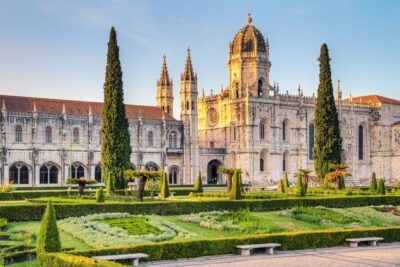
Belém finishes the day strong. Torre de Belém and the Monument to the Discoveries connect Lisbon to the maritime “golden age,” and the Jerónimos Monastery is part of that same story arc. One practical note: this day is marked as not including admission for several Belém highlights, so consider planning a ticket budget early so you’re not forced to make last-minute choices.
And yes, the day ends with Pasteis de Belém. It’s a very Portuguese stop—less about fancy dining and more about understanding how a tradition stayed consistent for generations.
Day 2 in Sintra and Cascais: Pena views, Cabo da Roca, and the Atlantic road home
Day 2 is for people who want postcard Portugal, but with a guided thread. You start in Sintra’s Centro Histórico, where small stores and regional treats fit right into the walking rhythm. The pastry stop for Queijadas de Sintra and Travesseiros de Sintra matters more than it sounds: it’s one of those places where you’re trying food that’s truly local to this specific town and not just a generic “tourist sweet.”
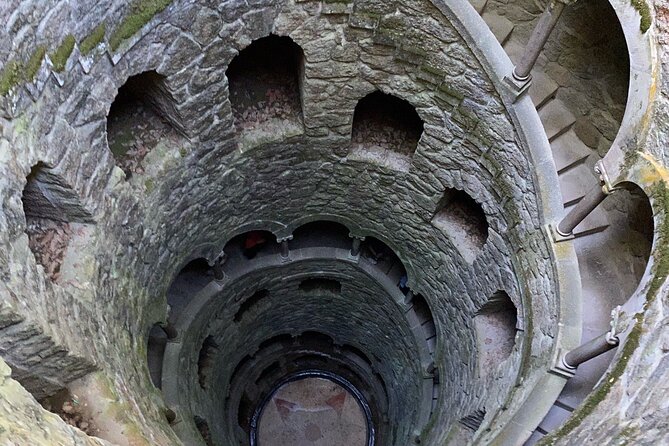
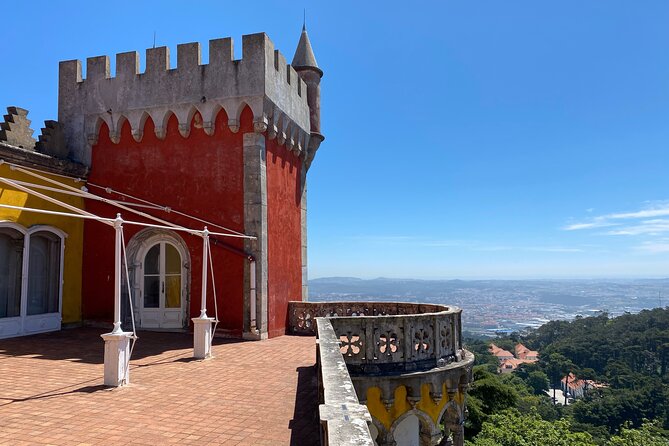
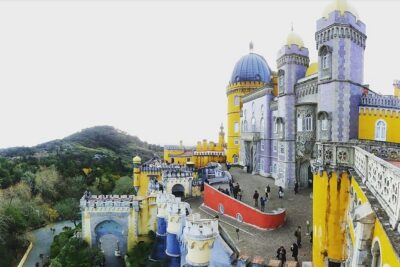
Then you head to the Park and National Palace of Pena area, and the itinerary gives you options. The guide helps you decide among nearby palaces—this matters because Pena is dramatic and the area spreads out. You get both the romantic 19th-century revival style and the broader story of the landscape: the “fantastical” architecture, and also the Islamic-era presence referenced in the Moorish Castle.
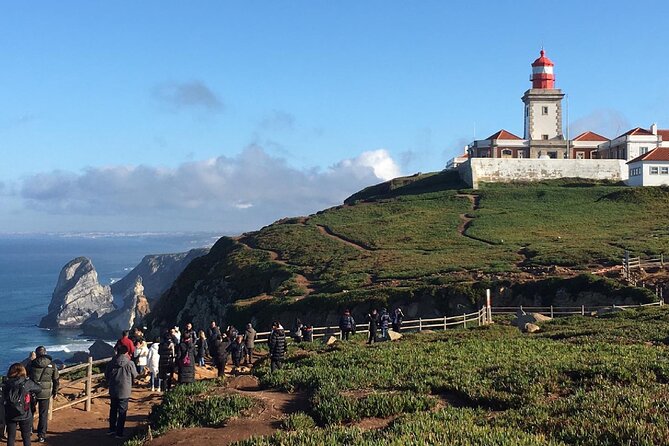
Next is Cabo da Roca, Portugal’s famed cliff edge. This isn’t the kind of viewpoint you rush. Your stop is framed by the natural park setting and the idea that this is where the land meets the ocean so dramatically that even poetry fits naturally here. If the weather cooperates, the ecological trails viewpoint idea makes it feel like more than a roadside stop.
After that, you reach Marina de Cascais. This part of the plan helps you slow down compared to the intensity of Sintra. Cascais started as a fishing village, and the Atlantic setting gives it a different tone—more relaxed, more seaside.
Finally, Estoril is included as a quick but specific cultural note, including the casino connection and the World War-era 007 link tied to Casino Royale’s first novel writing. The drive back to Lisbon via the Marginal road is a smart move because it turns the return trip into another scenic chapter rather than dead transit.
Day 3 in Évora and Alentejo: Cork factory, winery tasting, Bones Chapel, and Roman tempo
This is one of the itinerary’s best “culture-per-mile” days, because you get three different kinds of Portugal in a row.
First, Corticarte – Arte em Cortiça. This is a cork factory visit, which sounds niche until you realize cork is a major Portuguese product. You’ll see the cork tree process and how bark thickness and harvesting cycles create the raw material—then how that becomes final products. If you like travel that explains everyday materials behind a country’s economy, this stop lands.
Then the tour moves to the Alentejo region for a winery experience at Ervideira. The value here is not only tasting wine, but tasting with context and regional food. The plan includes tasting white, rosé, and red, plus Alentejo bread, sheep’s cheese, sausages, fruit compote, and toast with olive oil and oregano. That pairing matters because it helps you understand why Alentejo wines taste the way they do in a food environment that locals actually eat.
After lunch-style pacing comes Évora itself: the Chapel of Bones is the headline. The setting—walls and pillars lined with human bones and skulls from over 5,000 monks—can be intense, but it’s also historically important in how people used death imagery to reflect on life. Even if you’re not into macabre art, this is one of those stops that tells you a lot about Portuguese religious culture and memorial traditions.
You also visit the Templo Romano de Évora (Templo de Diana) and the Roman-era significance behind Évora’s importance. There’s a quick architectural logic here: Romans, then later layers, then how water infrastructure and city layout show up in what remains.
The day finishes in Praca do Giraldo, a central square that ties together the city’s convergence of Roman, Arab, and medieval influences. If you want a “walk it and feel it” ending, this is a good one.

Day 4 in Óbidos, Fátima, and Coimbra: medieval lanes, Marian shrines, and Joanina Library baroque
Day 4 is where the tour’s religious and medieval sides come forward.
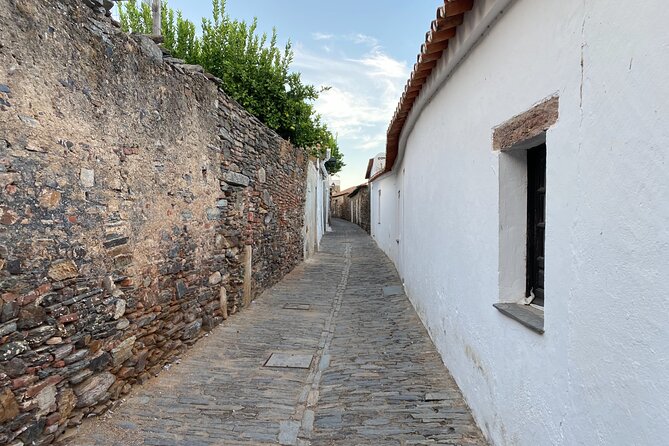
You begin in Óbidos, a UNESCO World Heritage medieval village. The charm here is the whitewashed streets and the way the town’s defenses and Templar associations show up in the layout. The guide’s framing about Óbidos as a wedding gift for Queen Isabel of Portugal adds a nice historical reason for why the place is “royal” in its origin story.
Then you head to Fátima, one of the world’s best-known Marian pilgrimage sites. The tour includes the Cova da Iria area and two basilicas: Our Lady of the White Rosary and Holy Trinity. The itinerary also points you to the Chapel of the Apparitions and notes the tombs of the three shepherd children and Sister Lúcia. Even if you don’t travel for faith, Fátima is worth it because the place is organized around meaning and memory.
From there, you continue to Coimbra, starting with the Universidade (Biblioteca Joanina). The library is a big draw, and the tour gives you the right kind of details: construction dates, baroque decoration, frescoes, gilding work, and the King D. João V portrait attribution. This isn’t just a fancy room; it’s a carefully built academic symbol.
You’ll also get a look at Se Velha de Coimbra, the split between the high area tied to nobility/clergy/students and the lower commerce-and-crafts part of town. It’s a helpful way to understand why Coimbra feels like two cities pressed into one.
A practical consideration: this is a long, packed day. The sightseeing variety is great, but you’ll want steady energy and a plan for meals since meals aren’t included.
Day 5 in Aveiro and Costa Nova: canal town colors and striped beach haystacks
Day 5 shifts gears to coastal-leaning charm.
In Aveiro, the tour highlights the Portuguese Venice idea—canals, moored boats (including the Moliceiro boats concept), and the Art Nouveau/Art Deco building legacy. There’s also a practical food angle. The plan calls out traditional sweets like soft eggs, which are the kind of local specialty you won’t find in a generic pastry case.
Aveiro’s streets are walkable enough to make the city feel intimate without needing constant driving. Your time is also structured so you can see the historic cable stone streets and the market vibe.
Then you move to Costa Nova for the striped “haystacks” scene. These colorful houses started as places for fishing tools and later became summer rentals. It’s a good stop if you like seeing how coastal life evolved from survival infrastructure into vacation culture. It also helps balance the more intense Lisbon/Évora/Coimbra days.
Optional activity is mentioned as possible—like a Moliceiro boat ride. Since it’s optional, it gives you room to decide based on energy and weather.
Day 6 in Porto: Boavista architecture, São Bento tiles, and port wine from Gaia
Porto day starts with a panoramic feel. The plan includes Boavista and calls out Casa da Música and its angular, modern architecture. That’s useful because Porto isn’t only old stone churches. You also get a taste of later architecture that helps explain why the city feels layered.
Next is the central old-city area. The tour includes the Cordoaria Garden, the Victoria District (described as the last Jewish quarter), and then Torre dos Clérigos. The tower stop is linked to a view over Porto and the river, plus a note about the tower’s bells. If you’re the type who likes to see a city from above once, this is the day.
One of Porto’s biggest “wow” stops is Livraria Lello. The tour frames it as a famous bookstore with its iconic staircase, and it also notes the famous writer inspiration connection tied to J.K. Rowling. Admission is not included here, so if this is a must for you, plan extra ticket time and budget.
You also visit São Bento Railway Station, and this is one of the easiest stops to love because you don’t need imagination—you just walk in and the azulejo tile panels tell Portuguese story chapters. It’s like a visual timeline of history, the Douro/Minho traditions, and local identity.
Then you continue to Igreja de São Francisco and Porto Cathedral area details. The tour describes Romanesque remnants, Gothic and Baroque transformations, and golden carvings (with an estimate of 300 kilos of gold used). Even if you don’t know the term “style evolution,” the guide’s breakdown makes it feel coherent.
Another big ticket item is Palácio da Bolsa—specifically the Arab Hall with stucco work and inlaid floor details. Porto does a good job of mixing old wealth symbolism with architecture that’s easy to admire up close.
Later, you cross to Gaia via the D. Luís I Bridge and add optional scenery with a boat trip. The port wine stop in a cellar is the key finale: seeing how wine is aged and tasting it is where the Douro story comes back into focus. Finish with the Miradouro Serra do Pilar viewpoint near the monastery and circular dome setting, with a short walk up.
The only drawback to Porto day is simple: it’s a lot of distinct landmarks in a single flow. Comfort and time management matter.
Day 7 in Guimarães, Braga, and Bom Jesus: Portugal’s origin story plus baroque staircase drama
Day 7 takes you into the “roots of Portugal” feeling.
You start in Guimarães, described as the first capital of the nation and a UNESCO site. The Afonso Henriques statue in the sacred hill area gives you a clear anchor point for the morning. Even without deep political context, you’ll understand why this town is treated as foundational.
Then you go to Paco dos Duques de Bragança for castle and palace architecture, followed by medieval streets and squares. The stop also includes a pastry moment for Pastel de Santa Clara, a nice reminder that medieval cities still feed people today.
Next is Braga, where the tour balances modern city life with Roman and medieval layers and especially baroque interior emphasis. The Cathedral is a star, and there’s time at the Tesouro Museu da Se Catedral, including mention of a tube organ and chapels tied to archbishops and early Portuguese figures.
Then comes the baroque “jewel of the crown”: Bom Jesus do Monte. You have the choice to climb the 581 steps or take a different route if you prefer. The tour links the staircase to chapels representing the Stations of the Cross story, plus green gardens for a slower reset. If you’re someone who likes religious art and architecture that’s built to guide bodies as well as thoughts, this stop is a highlight.
Finally, you can take the Bom Jesus Funicular, described as water-powered with water counterweights and an accident-free record in the plan’s description. That’s a fun way to end the day because it’s both practical and old-tech interesting.
Day 8 in Amarante and the Douro: matchmaker saint vibe, then Pinhão tiles and Quinta tastings
Day 8 starts in the north with Amarante. You’ll visit the Saint Gonçalo area and the matchmaker saint connection, plus Romanesque and medieval building examples in the historic center. The Saint Goncalo bridge area is included for city points, with São Gonçalo Church and Convent and the Amadeu de Souza-Cardoso Museum mentioned as nearby.
Then you get a viewpoint stop at Casal de Loivos, focused on the Douro valley landscape between mountains and manmade patterns. This is one of those “don’t rush it” segments—your eyes need time to make sense of how the valley holds both nature and farming.
Next comes Pinhão Railway Station, where the tour emphasizes UNESCO-aligned winemaking heritage and the tile panels (azulejos) showing older winemaking methods. That matters because you’ll later see the process firsthand in a quinta visit.
Your day ends with a visit to Quinta do Tedo: a wine grower experience with explanation of cultivation, pruning, harvesting, and then tasting. The itinerary labels tasting as not included, so treat this as part of what you may pay for on the day, depending on your package. Either way, this stop is valuable because it turns the Douro from a view into a working system.
Day 9 in Serra da Estrela and Monsanto: Portugal’s high country and rock-built streets
This day is a big change: you leave the Douro valley and go to Serra da Estrela, the highest point of continental Portugal. The tour gives the altitude—1993 meters—and notes that snowfall can happen. In winter, temperatures can drop dramatically, and there’s mention of the only ski resort in Portugal.
If you’re visiting outside winter, you might not get snow, but the day is still meaningful because the high country has a different feel than the coast and river valleys. The plan also makes it clear you shouldn’t skip food: Serra da Estrela cheese and regional sausages like chorizo-style options are the focus. This is where “what locals eat” becomes part of the travel memory.
Then you head to Monsanto for overnight. Monsanto is described as one of the most Portuguese villages, with a fortified castle area and a historic center where houses are built into the rocks. Even if you’ve seen cliffside towns elsewhere, this one has its own twist—buildings are literally integrated into the stone environment.
This is a good day if you like to feel the shift in climate and daily life. It’s also a reminder that Portugal isn’t just one postcard.
Day 10 in Tomar and Santarém: Templars, Convento de Cristo, and Stone Soup in Baroque Santarém
Your final day leans medieval and religious again, but with a different flavor than Fátima.
You start in Tomar, focusing on the Templar base of the Knights Templar in Portugal. The tour frames the town’s medieval orientation with a cross-like layout, convents at extremes, and central areas like Republic Square. There’s also a mention of traditional commerce, including almond and chila cheesecakes and Tomar slices—a local dessert tied to a legend about a mid-20th-century inventor.
Then you visit Convento de Cristo, also described as the Templars’ castle/convent complex. The plan notes the Order of the Templars ended in 1311 and the property moved to the Order of Christ under King Dinis. It also references damage from the 1755 earthquake and later structural alterations. That gives the site more than a photo moment—it becomes an evolving monument.
You also include Igreja de Santa Maria dos Olivais, described as an emblematic Gothic example, and it’s tied to the Order of the Templars headquarters. The tour mentions the burial of Gualdim Pais and also notes the church’s depth—something buried about two meters below ground.
Finally, you head to Santarém, described as a baroque city. The tour includes the Graca Church and the tomb of explorer Pedro Alvares Cabral. Then there’s food: Soupa da Pedra (Stone Soup), presented as a local dish with product-driven flavors and old legends attached to it.
This closing sequence works because it ties Portugal’s discovery era to what comes after—religious orders, monuments, and meals that reflect local storytelling.
Who should book this private tour?
Book it if you want a guided Portugal route that connects regions with logic: Lisbon’s rebuilding story, Sintra’s palaces, Alentejo’s wine and cork, central Portugal’s libraries and medieval towns, Porto’s architecture and tile storytelling, then the Douro-to-high-country swing toward Serra da Estrela and Monsanto.
It’s also a strong fit if you value private guiding enough to pay for transportation and escort time rather than self-navigating every day. In particular, the tour’s guide names tied to Walkborder show up in feedback—Manuel da Silva is mentioned for meeting at Lisbon Airport, and Hugo is credited as the director—so you can expect a team that cares about the handoff from the moment you arrive.
Skip it—or at least reassess—if you want lots of free time and a slow pace. This itinerary is packed with stops and expects you to move, walk, and make quick decisions about admission sites.
Should you book this 10-day Portugal private tour?
Yes, if your ideal trip is guided, story-driven, and region-spanning. The biggest strength is how the tour uses guides to turn famous stops and lesser-known experiences—like cork production and winery tastings—into a connected understanding of Portugal.
Before you book, do two things: set aside money for admissions because many are not included, and plan for meals since hotels and meals are also not included. If you handle those basics, the tour’s structure—private escort, scheduled viewpoints, and a smart mix of Lisbon, inland cities, Porto, the Douro, and high-country villages—makes it a solid value for the time you have.
FAQ
What time does the tour start each day?
The tour start time is listed as 9:00 am.
Is airport pickup and drop-off included?
Yes. The tour includes transfer from and to the airport.
Are attraction admission tickets included?
No. Admission fees are listed as not included.
What about hotels and meals?
Hotels and meals are not included.
Is this tour private for just my group?
Yes. It is a private tour/activity, and only your group participates.
Does weather affect the tour?
The experience requires good weather. If it’s canceled due to poor weather, you’ll be offered a different date or a full refund.
More Private in Lisbon
- True 4Hour Private Tuk Tuk Tour: Discover Lisbon with a Local!★ 5.0 · 8,008 reviews
- Lisbon: Private Guided Tuk-Tuk Tour with Hotel Pickup★ 4.9 · 4,552 reviews
- Private Lisbon Sightseeing Tuk-Tuk Tour: Alfama, Belém & More★ 5.0 · 4,277 reviews
- Lisbon Highlights: Private Tuk Tuk Tour Adventure Sightseeing★ 5.0 · 3,284 reviews
- Welcome Lisbon Tour with Local Guide in Private Eco Tuk Tuk★ 5.0 · 1,691 reviews
More Tours in Lisbon
- Lisbon City Center Tour – The Unmissable Lisbon★ 5.0 · 22,234 reviews
- Lisbon: History, Stories and Lifestyle Walking Tour★ 4.8 · 10,902 reviews
- True 4Hour Private Tuk Tuk Tour: Discover Lisbon with a Local!★ 5.0 · 8,008 reviews
- Winner 2025 Undiscovered Lisbon Food & Wine Tour by Eating Europe★ 5.0 · 6,390 reviews
- Lisbon: Sintra, Pena, Cabo da Roca, Cascais Tour with Pickup★ 4.8 · 5,445 reviews
More Tour Reviews in Lisbon
- Lisbon City Center Tour – The Unmissable Lisbon★ 5.0 · 22,234 reviews
- Lisbon: Sintra, Pena, Regaleira, Cabo da Roca & Cascais★ 4.7 · 19,656 reviews
- Lisbon Card: 24, 48, or 72-Hour Pass★ 4.5 · 17,944 reviews
- Lisbon: Jerónimos Monastery Entrance Ticket★ 4.1 · 14,164 reviews
- Lisbon: History, Stories and Lifestyle Walking Tour★ 4.8 · 10,902 reviews
Just in: fresh Lisbon reviews from the team




Private, compared.
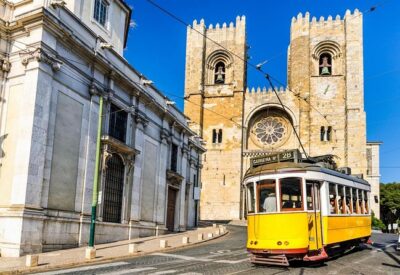 ★ 5.0True 4Hour Private Tuk Tuk Tour: Discover Lisbon with a Local!From $1088,008 reviews
 ★ 4.9Private Guided Tuk-Tuk Tour with Hotel PickupFrom $1534,552 reviews
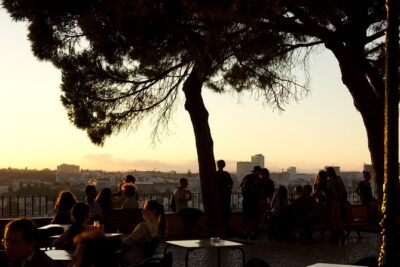 ★ 5.0Private Lisbon Sightseeing Tuk-Tuk Tour: Alfama, Belém & MoreFrom $524,277 reviews
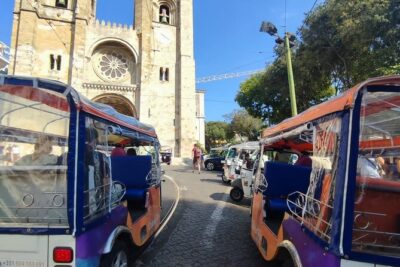 ★ 5.0Lisbon Highlights: Private Tuk Tuk Tour Adventure SightseeingFrom $843,284 reviews
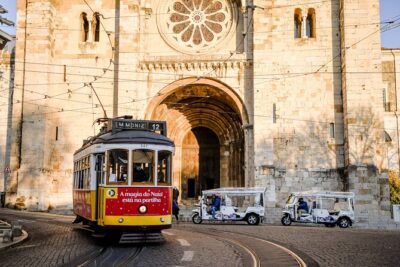 ★ 5.0Welcome Lisbon Tour with Local Guide in Private Eco Tuk TukFrom $171,691 reviews
 ★ 5.0Sintra Full-Day Private Tour – A Journey through WonderlandFrom $1871,665 reviews
 ★ 5.0Sintra Private Trip from Lisbon Customizable Dreamlike ExperienceFrom $1631,414 reviews
 ★ 5.0Airport Private Transfer to/from LisbonFrom $271,284 reviews