
Reviewed · SINTRA DAY TRIPS
Know Sintra through the eyes of a local archeologist private tour
Sintra hides ruins most people never find. I like having Diogo, a local archaeologist, guide what you’re actually standing in front of, and I love the private format that keeps the questions coming. The only real catch is that the route includes short forest walks and hilltop ground, so plan for uneven terrain and comfy shoes.
This 3–4 hour experience links three free stops around Sintra—Castelo dos Mouros, the Peninha chapel area, and Penedo de Adrenunes—using pickup and transfers in a classic car or electric Jeep. It runs in English, includes snacks, and ends back at the starting meeting point, which makes the day feel organized without feeling rushed.
In This Review
- Key highlights worth planning for
- A private Sintra archaeology day: what you’re really buying
- Getting to the sites: pickup, meeting point, and car comfort
- Stop 1: Castelo dos Mouros and the open-air excavation museum
- Stop 2: Peninha sanctuary ruins, pilgrimage lore, and Lisbon-bay views
- Stop 3: Penedo de Adrenunes and the 15-minute forest walk
- Why an archaeologist guide changes the whole day
- Price and value: is $113.84 a smart spend?
- Who should book this tour (and who might skip it)
- Should you book? My straightforward take
- FAQ
- How long is the private Sintra archaeology tour?
- What sites are included in the tour?
- Is the tour private or shared?
- Is pickup included?
- What transportation is used during the tour?
- Are admission tickets included or required?
- What language is the tour offered in?
- Can I cancel for free?
Key highlights worth planning for
- A guide who’s worked on-site at Castelo dos Mouros, with the excavation you can walk through
- Crowd-skipping hilltop viewpoints in the Sintra forest, including Peninha’s scenic outlook
- Stonehenge-style atmosphere at Penedo de Adrenunes, plus a short walk to get there
- Private attention that can flex to your interests (families and history lovers both fit)
- Free admissions at all three stops, so you’re paying mainly for time and expertise
- Classic car or electric Jeep transfers plus snacks, which keeps energy up in the field
A private Sintra archaeology day: what you’re really buying
This tour is built for people who want to see Sintra as more than postcards. You’re not just ticking off big names; you’re walking through layers—Moorish-era ruins, pilgrimage lore, and much older legends tied to prehistory.
You’re also buying time with a working local archaeologist. That matters because archaeology isn’t only about what’s famous. It’s about why a place is arranged the way it is, what the ground might have held, and how ruins get interpreted. When Diogo talks, it’s focused on the specific spot you’re standing on, not general lecture mode.
Value-wise, the price is easiest to justify if you like guided context. At $113.84 per person, you’re paying for a private guide, transportation, and snacks. The stops are free on paper (all three have free admission in the itinerary), so the cost mostly covers the human part: someone who can explain the “why” behind each ruin.
The other thing you should know: this isn’t a long haul. It’s 3 to 4 hours, with quick time slices at each place (about 30–45 minutes each), plus driving. If you want a slow, linger-all-day museum day, you might prefer something longer. If you want a tight, story-rich route, this hits the sweet spot.
More runs up the hill to Pena and Regaleira
- Sintra: Pena Palace and Park Entrance Ticket
★ 4.2 · 17,410 reviews - Lisbon: Sintra, Pena, Regaleira, Cabo & Cascais Tour
★ 4.8 · 4,326 reviews - Quinta da Regaleira Skip-the-Ticket-Line Entry & Audioguide
★ 4.2 · 3,316 reviews - Sintra: Castle of the Moors Skip-the-Line Ticket
★ 4.6 · 2,893 reviews
Getting to the sites: pickup, meeting point, and car comfort
Sintra can be slow if you’re trying to DIY it—buses, taxis, and timing all stack up. This tour solves that with pickup and transfers. Your tour start is at Queijadas da Sapa Volta do Duche, 12, 2710-631 Sintra, and the activity ends back at the same meeting point.
The day begins with pickup at the Sintra train station as you head to the first stop. That’s a practical choice if you’re already using public transport in the area. It also means you’re not losing your first hour hunting for parking or figuring out where to start.
Transport is part of the fun. You’ll ride in a classic car or an electric Jeep, and you’ll have snacks during the tour. That sounds like a small detail, but it’s a big deal when you’re mixing driving with short hikes and hilltop viewing. It also keeps the experience comfortable for people who might not want a full-day walking marathon.
One more logistics note: you’ll find this area works best when you have a clear plan for footwear. You’ll be on forest paths and uneven ground at least once (there’s a walk involved on the last stop). Wear shoes that handle dirt and slopes without drama.
Stop 1: Castelo dos Mouros and the open-air excavation museum
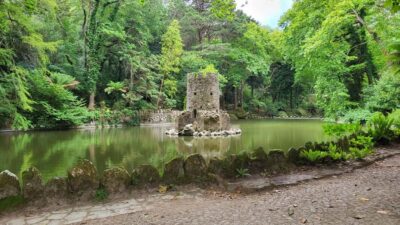
You start at Castelo dos Mouros, at the gates of the Moorish castle area. The highlight here isn’t just the dramatic setting—it’s that you’re looking at a place tied to real archaeological work by your guide.
You’ll visit a ruined medieval village and then see the remains of an archaeological excavation Diogo worked on in 2012. Today, it’s presented like an open-air museum, so you’re not only reading about the past. You’re walking through old structures, and you can see how burials and building remnants show up in the landscape—described as graves rising out of the ground and backed by a museum that displays artifacts from the site.
Why this stop is so strong: ruins can feel vague unless someone makes the connections. Here, the guide can connect the geography, the excavation area, and the artifacts you’re seeing. It turns a “cool-looking ruin” into a site with a tangible research story.
Time-wise, you’ll have about 45 minutes. That’s enough to see the main areas without feeling like you’re being rushed through. The admission is free per the itinerary, which makes it a straightforward first anchor for the day.
Possible drawback: Castelo dos Mouros is a ruin area, so if what you want most is preserved palaces, fountains, or indoor museum galleries, you may feel more satisfied with a different type of Sintra tour. This one is archaeology-first, with ruined architecture taking center stage.
Stop 2: Peninha sanctuary ruins, pilgrimage lore, and Lisbon-bay views
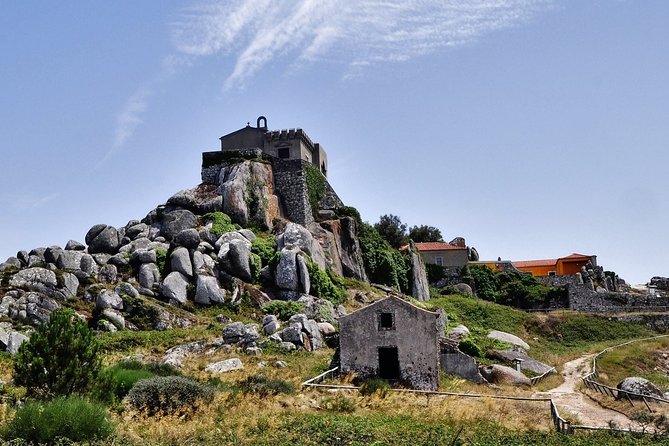
From Castelo dos Mouros you head into the Sintra forest for a completely different vibe. The second stop is Santuario da Peninha, a hilltop chapel area tied to pilgrimage tradition.
The chapel sits on top of a hill, described as an old pilgrimage spot connected to a miracle. Next to it, you’ll also spot ruined buildings, including a church ruin whose foundations are described as being on the foundation of Portugal itself. You’re also guided along further hilltop areas away from the densest crowds—part of the tour’s appeal is that you get a sense of how locals move through these spaces.
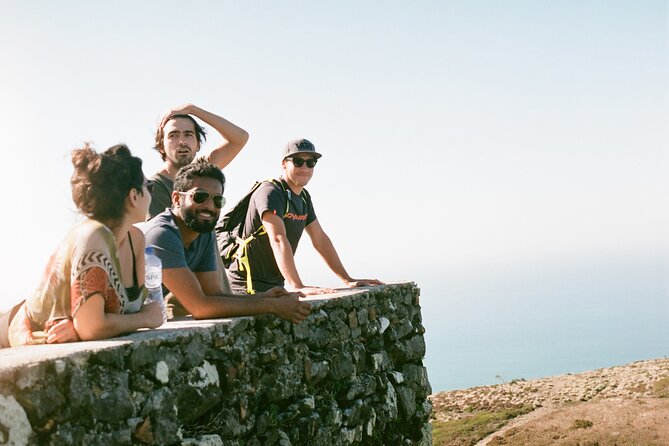
The payoff here is the viewpoint. The itinerary calls it one of the best views over the Lisbon bay area, and this fits how Peninha works: you’re high enough to see far, but still close enough to feel the forest around you.
You’ll have about 30 minutes at this stop. That short time window is intentional. It gives you time to take in the story and the panorama without turning the day into a long wait for perfect light.
Possible drawback: hilltop ruins and forest paths mean you should expect changeable footing and wind. If you hate heights or have mobility limits, this is the part where you’ll want to take it slowly. You won’t be in a wheelchair-friendly indoor attraction; you’ll be outside, moving between viewpoints and ruins.
Worth a look before you lock anything else in around Sintra:



Stop 3: Penedo de Adrenunes and the 15-minute forest walk
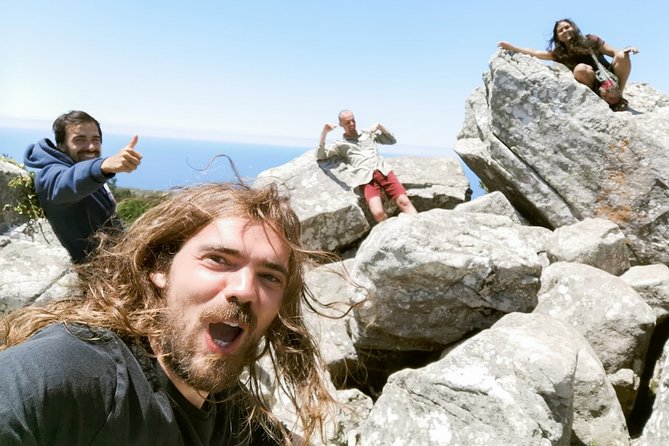
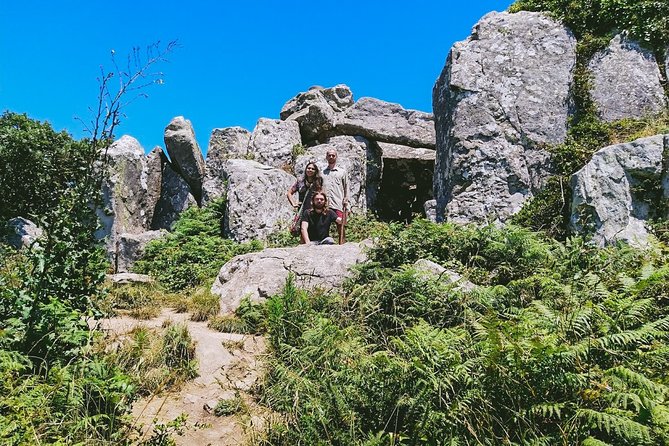
The last stop is Penedo de Adrenunes, a hilltop site that gives off Stonehenge vibes in both appearance and atmosphere. To reach it, you’ll walk about 15 minutes deep down in the Sintra forest, then arrive at a vantage point that faces toward the westernmost point of continental Europe (as described in the tour plan).
What makes this stop interesting is the mix of imagination and evidence. In the itinerary, archaeological artifacts are described as never having been found here, but there’s a belief the site was used about 5000 years ago by ancestors. That kind of uncertainty is exactly where archaeology is fun—because the guide can explain how traditions and landforms shape what people think happened here.
Time-wise, you get about 45 minutes. That’s long enough to do the walk, stop for photos, and soak up the setting without feeling rushed at the end of the day.
Why this stop earns its place: it adds a layer of “older than the ruins” to the tour. You move from medieval Moorish-area ruins and pilgrimage lore into a place that feels prehistoric and myth-touched. Even if you’re not a history fanatic, the atmosphere can pull you in.
Possible drawback: because artifacts aren’t part of the story here, you won’t get the same “excavation museum” type of evidence as at Castelo dos Mouros. If you want sites where every claim is supported by visible finds, you might prefer spending extra time at the first stop where artifacts and excavation context are central.
Why an archaeologist guide changes the whole day
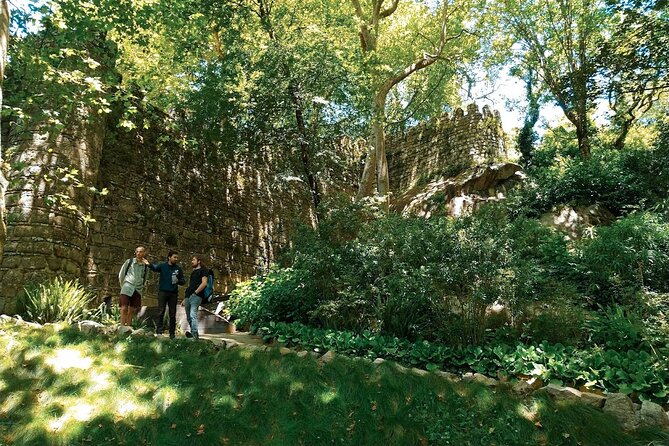
Most Sintra days are a list of monuments. This one feels more like learning how archaeologists read a place.
At Castelo dos Mouros, your guide can point out the “how” of archaeology—excavation, evidence, and how artifacts get interpreted. At Peninha, the emphasis shifts toward pilgrimage tradition, the way old sanctuaries shape the hilltop experience, and why ruined structures become part of local memory. At Penedo de Adrenunes, the focus turns to belief and landscape—how sites can be meaningful even when the physical evidence is sparse.
That’s why this tour is ideal for people who don’t just want a scenic afternoon. You want the story to be specific.
It also helps that the tour is private. In practice, that means Diogo can adjust the pace and topics. Families have found the guide able to tailor discussions to children around 11 and 13. People with narrower interests—like religious history or older civilizations—can get more time on those themes, and if a stop changes due to access or maintenance, the day can be revised without turning into chaos.
One more small but real advantage: the guide also helps you connect your day to what you can do afterward. Several people noted restaurant recommendations and follow-up suggestions, which is the kind of local touch that makes a tour feel useful, not just educational.
Price and value: is $113.84 a smart spend?
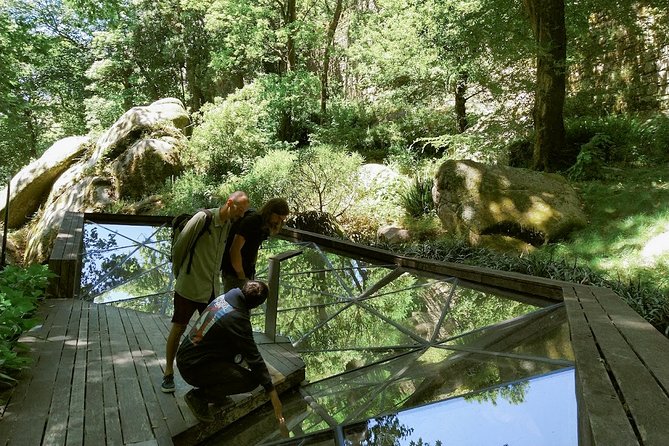
For a private tour, $113.84 per person is in the “reasonable if you care about context” range. Here’s why:
- You’re paying for a local archaeologist’s time, not just transport.
- Pickup and transfers are included, and you ride in a classic car or electric Jeep.
- Snacks are included, which reduces the “where do we eat now?” stress.
- All three stops list free admission, so you aren’t stacking entrance fees on top.
The value is highest if you:
- like history but don’t want to read a guidebook alone,
- want to explore beyond the most obvious Sintra stops,
- and enjoy hearing what makes each ruin different from the next.
Where the price can feel less justified is if you only want views or only want the biggest famous palace experience. This route is focused on archaeology sites and hilltop ruins. It’s not trying to replace a full Royal Palace afternoon.
If you’re traveling with a group that makes “private” feel less expensive, group discounts can help, and you’ll especially benefit from the guide tailoring the day.
Who should book this tour (and who might skip it)
I’d point you toward this experience if you match one of these profiles:
- You like archaeology and want real, site-specific explanations.
- You prefer quieter places in Sintra rather than only the crowded photo spots.
- You want a private guide who can adapt—especially helpful for families with kids who have limited patience for long lectures.
- You’re comfortable doing a short hike (about 15 minutes) and standing on hilltop ruins.
I’d hesitate if:
- you want a long, slow museum crawl with lots of indoor time,
- you dislike walking on uneven ground,
- or you’re chasing the big-ticket palace route as your main goal.
In other words: if your ideal Sintra day is “views plus stories you can actually picture,” this fits. If your ideal Sintra day is “palaces, gardens, and zero walking,” you may feel like this route is too ruin-and-forest heavy.
Should you book? My straightforward take
Book it if you want Sintra to feel personal and specific. The combination of a local archaeologist (Diogo), three free archaeological stops, and transport that keeps you from wrestling with logistics makes this a smart, low-stress way to get more out of your time.
Skip it if you’re mainly chasing the most famous palace-and-garden circuit. This tour is about ruins, landscapes, and how evidence (or the lack of it) shapes what we believe about the past.
If you’re on the fence, the clearest tie-breaker is this: do you enjoy hearing how people study places, not just taking photos of them? If yes, you’ll likely love what this day turns into.
FAQ
How long is the private Sintra archaeology tour?
It lasts about 3 to 4 hours.
What sites are included in the tour?
The tour includes Castelo dos Mouros, Santuario da Peninha, and Penedo de Adrenunes.
Is the tour private or shared?
It’s private, meaning only your group participates.
Is pickup included?
Pickup is offered, and the tour starts with pickup at the Sintra train station.
What transportation is used during the tour?
Transfers are provided by classic car or electric Jeep.
Are admission tickets included or required?
The itinerary lists free admission for all three stops.
What language is the tour offered in?
The tour is offered in English.
Can I cancel for free?
Yes, there is free cancellation up to 24 hours before the experience start time for a full refund.
More Tours in Sintra
- Lisbon: Sintra, Pena, Regaleira, Cabo & Cascais Tour★ 4.8 · 4,326 reviews
- From Lisbon: Sintra & Cascais Group Tour with Pena Palace★ 4.8 · 2,237 reviews
- Magical Sintra Village Tour★ 5.0 · 901 reviews
- Sintra: Quinta da Regaleira Entry Ticket and Guided Tour★ 4.5 · 606 reviews
- Tour Sintra in talking-car PT EN ES FR IT DE DU with GPS★ 5.0 · 402 reviews
More Tour Reviews in Sintra
- Sintra: Pena Palace and Park Entrance Ticket★ 4.2 · 17,410 reviews
- Lisbon: Sintra, Pena, Regaleira, Cabo & Cascais Tour★ 4.8 · 4,326 reviews
- Quinta da Regaleira Skip-the-Ticket-Line Entry & Audioguide★ 4.2 · 3,316 reviews
- Sintra: Castle of the Moors Skip-the-Line Ticket★ 4.6 · 2,893 reviews
- From Lisbon: Sintra & Cascais Group Tour with Pena Palace★ 4.8 · 2,237 reviews
Sintra, a Few More Fairy-Tale Days
- Sintra: Pena Palace and Park Entrance Ticket★ 4.2 · 17,410 reviews
- Lisbon: Sintra, Pena, Regaleira, Cabo & Cascais Tour★ 4.8 · 4,326 reviews
- Quinta da Regaleira Skip-the-Ticket-Line Entry & Audioguide★ 4.2 · 3,316 reviews
- Sintra: Castle of the Moors Skip-the-Line Ticket★ 4.6 · 2,893 reviews
- From Lisbon: Sintra & Cascais Group Tour with Pena Palace★ 4.8 · 2,237 reviews
Just in: fresh Sintra reviews from the team





Sintra Day Trips, compared.
 ★ 4.7Sintra, Pena, Regaleira, Cabo da Roca & CascaisFrom $2319,656 reviews
 ★ 4.2Sintra: Pena Palace and Park Entrance TicketFrom $1117,410 reviews
 ★ 4.7Sintra, Pena, Regaleira, Cabo da Roca, and CascaisFrom $2110,147 reviews
 ★ 5.0Sintra and Cascais Small-Group Day Trip from LisbonFrom $607,018 reviews
 ★ 4.8Sintra, Pena, Regaleira, Cabo Roca Coast & CascaisFrom $236,499 reviews
 ★ 4.8Sintra, Pena, Cabo da Roca, Cascais Tour with PickupFrom $585,445 reviews
 ★ 4.8Sintra, Pena, Regaleira, Cabo & Cascais TourFrom $644,326 reviews
 ★ 5.0Small Group Tour to Sintra, Pena Palace, Cabo Roca and CascaisFrom $673,559 reviews